
Anti-ageing expert reveals the 5 simple secrets to younger looking skin, hair and nails
‘How do I stop looking older?’
It’s one of the most common questions I hear as a longevity coach. While ageing well is about much more than appearance, the visible signs of ageing can carry a heavy emotional weight. Wrinkles, thinning hair, brittle nails: these changes often feel like an unwelcome fast-forward button on life.
But here’s the good news. While you can’t stop time, you can absolutely slow down how it shows up on your face, your hairline, and your hands. And it doesn’t require expensive serums or invasive treatments. It starts from within.
Your skin, hair, and nails are among the body’s fastest-renewing tissues. When they begin to lose their glow, strength, or thickness, it often reflects deeper biological ageing processes happening beneath the surface like oxidative stress, mitochondrial decline, hormonal shifts, or nutrient gaps.
But these signs are highly modifiable. Here are five powerful and practical steps, backed by science to help you look and feel younger.
1. Eat for collagen, not just calories
Collagen is the main protein that gives your skin structure, elasticity, and strength. Starting in your late 20s, you lose about 1% of collagen each year. Factors like oxidative stress, sun exposure, and poor nutrition speed up this loss, leading to wrinkles, sagging, and thinner skin.
One lesser-known culprit is glycation - when excess sugar molecules bind to collagen and elastin, forming harmful compounds called AGEs (advanced glycation end products). AGEs stiffen skin and increase wrinkles.
To support your skin’s collagen production:
- Eat vitamin C-rich foods daily (bell peppers, kiwi, broccoli). Vitamin C is essential for making collagen.
- Include natural collagen boosters like bone broth, chicken skin, or egg whites.
- Cut back on added sugars and ultra-processed foods that accelerate collagen breakdown.
- Add antioxidants such as green tea, berries, and turmeric to neutralise free radicals that damage skin.
- Use broad-spectrum SPF every day - UV rays cause up to 80% of visible skin ageing.
Note: While collagen supplements and bone broth are popular, evidence is still emerging. A balanced diet remains the foundation.
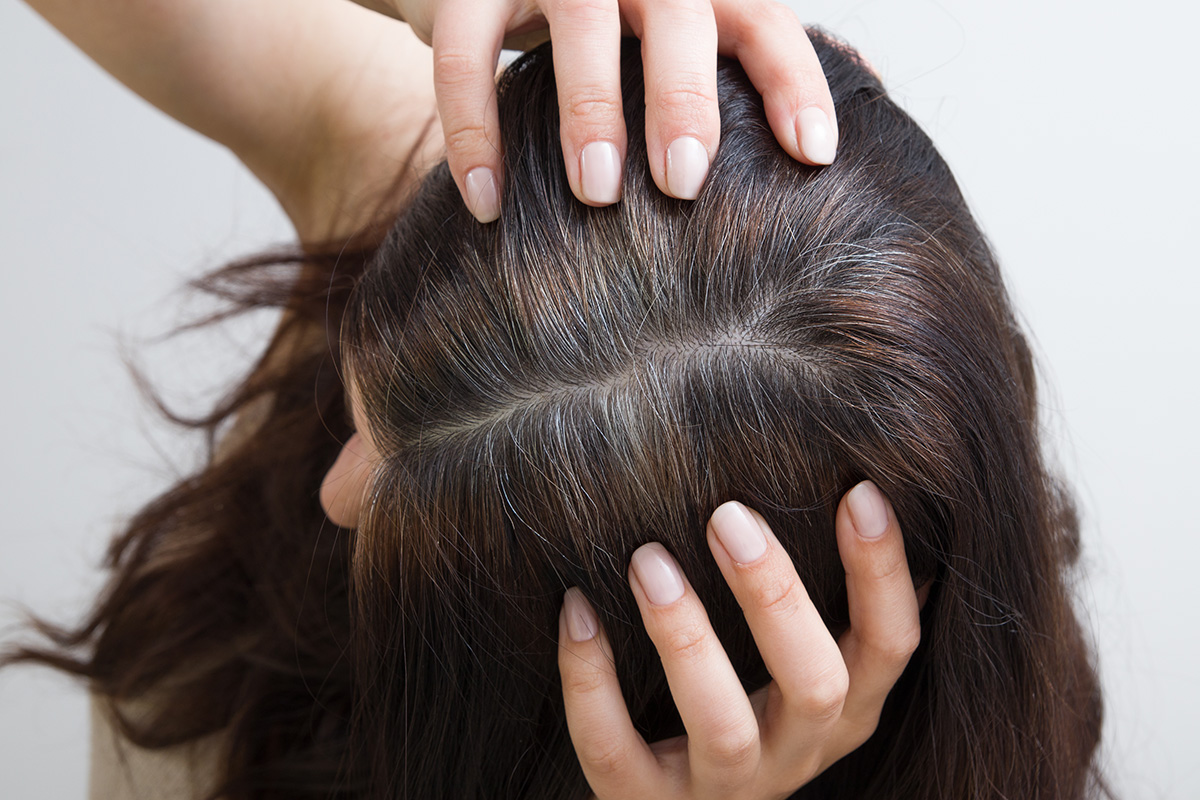
2. Feed your follicles
Hair is a high-energy tissue that depends on a steady supply of nutrients, oxygen, and healthy mitochondria. Greying and thinning aren’t just cosmetic, they can signal oxidative stress, inflammation, or nutrient deficiencies.
Melanin loss, which causes greying, is linked to declines in antioxidant enzymes like catalase and glutathione. Chronic stress and poor sleep reduce blood flow to the scalp and lower melatonin, a hormone that supports hair follicle regeneration.
To strengthen hair and delay greying:
- Eat iron, zinc, and B12-rich foods such as shellfish, lentils, eggs, and leafy greens.
- Include copper-rich foods like sesame seeds and cashews, important for melanin production.
- Prioritise 7–8 hours of quality sleep to regulate melatonin and repair follicles.
- Consider rosemary oil or caffeine scalp serums - early research suggests they may promote growth.
- Manage stress through deep breathing, nature walks, or even humming, which can boost the vagus nerve and reduce cortisol.
Consistency is key. With the right support, changes in hair texture, shine, and strength often appear within 8–12 weeks.
Note: Try to get as much of your vitamins and minerals from natural food sources. Avoid excessive supplementation without medical advice, as some vitamins can be harmful in high doses.
3. Power up your mitochondria
Mitochondria are your cells’ energy factories, powering every renewal process, including skin, hair, and nail cell turnover. As we age, mitochondrial function declines, slowing cell renewal, increasing oxidative stress, and weakening tissues resulting in thinner skin, dull hair, and brittle nails.
To boost mitochondrial health:
- Move your body daily - even a brisk 20-minute walk stimulates new mitochondria.
- Eat magnesium-rich foods like pumpkin seeds, spinach, and almonds.
- Enjoy green tea or dark chocolate (80%+ cocoa), rich in polyphenols that protect mitochondria.
- Get early morning sunlight to support your circadian rhythm and hormone balance.
- Limit alcohol and ultra-processed foods, which impair mitochondrial function.
Small daily habits in movement, nutrition, and light exposure add up to big beauty benefits over time.
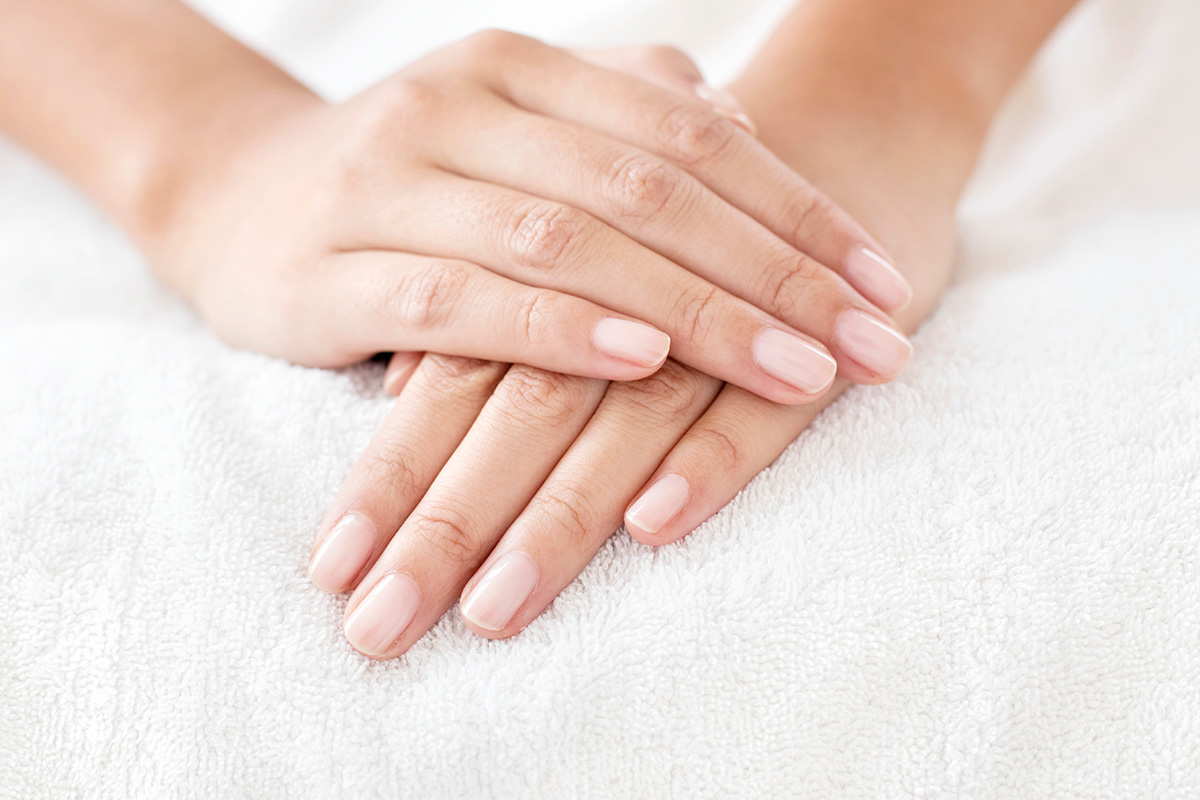
4. Strengthen from the inside out
Your nails may seem less obvious than your face or hair, but they’re a strong indicator of your body’s overall health and biological youth. Slow growth, splitting, or ridges often reflect nutrient gaps, low protein intake, or hormonal changes.
Keratin, the main protein in nails, needs amino acids plus nutrients like biotin, silica, and zinc to stay strong.
To support nail health:
- Eat enough protein daily - aim for 1.2–1.6 grams per kilogram of body weight.
- Include biotin-rich foods such as eggs, almonds, sweet potatoes, and oats.
- Add silica-rich vegetables like cucumbers and leafy greens.
- Stay hydrated and moisturise your hands after washing.
- Wear gloves when cleaning to protect nails from harsh chemicals.
Healthy nails show your body has the resources it needs for repair and regeneration.
5. Stress less, it’s showing on your face
Cortisol is a vital hormone that helps us respond to stress. But when it’s chronically elevated, it harms nearly every aspect of visible ageing: breaking down collagen, drying skin, shrinking hair follicles, and causing nail ridges and breakage.
Stress also increases oxidative damage, disrupts sleep, and can impair gut health, reducing nutrient absorption.
Everyday ways to reduce stress and support your skin, hair, and nails:
- Practice 5 - 10 minutes of breathwork daily (try box breathing or the 4-7-8 technique).
- Take movement breaks outdoors - nature lowers cortisol quickly.
- Create a calming evening routine: dim lights, avoid screens, listen to soothing music, or journal.
- Prioritise social connection - even brief positive interactions reduce inflammation and raise oxytocin, the “feel-good” hormone.
Remember: the calmest people often have the clearest skin. Your nervous system is your beauty ally.
Final thought: You can’t Botox your biology
Ageing is natural. But when signs appear faster than they should, it’s often your body’s way of signalling internal imbalance - not a failure of your skincare routine.
By focusing on the internal systems that drive regeneration, you don’t just look younger, you truly age slower. And the best part? These habits that support your skin, hair, and nails also improve your brain, heart, and long-term vitality.
So yes - eat the collagen, use the SPF, get your sleep, breathe deeply, and move your body. It all shows up on your face.

Your Daily Youth-Boosting Routine
If you want to go further, here’s a simple, science-backed daily routine that supports visible and internal ageing alike:
Morning
- Hydrate: Start your day with a glass of water to rehydrate your skin and body.
- Eat for Collagen: Include a vitamin C-rich food (like berries or kiwi) and a protein source (eggs, Greek yogurt, or nuts) at breakfast.
- Sunlight & Movement: Get 10–20 minutes of morning sunlight and take a brisk walk or stretch to wake up your mitochondria.
- SPF: Apply a broad-spectrum sunscreen to your face, neck, and hands - even if it’s cloudy.
Midday
- Nourish: Choose a lunch with leafy greens, lean protein, and healthy fats (like salmon or avocado) to support hair, skin, and nails.
- Stress Reset: Take a 5-minute break to do deep breathing, walk outside, or simply pause and check in with yourself.
Afternoon
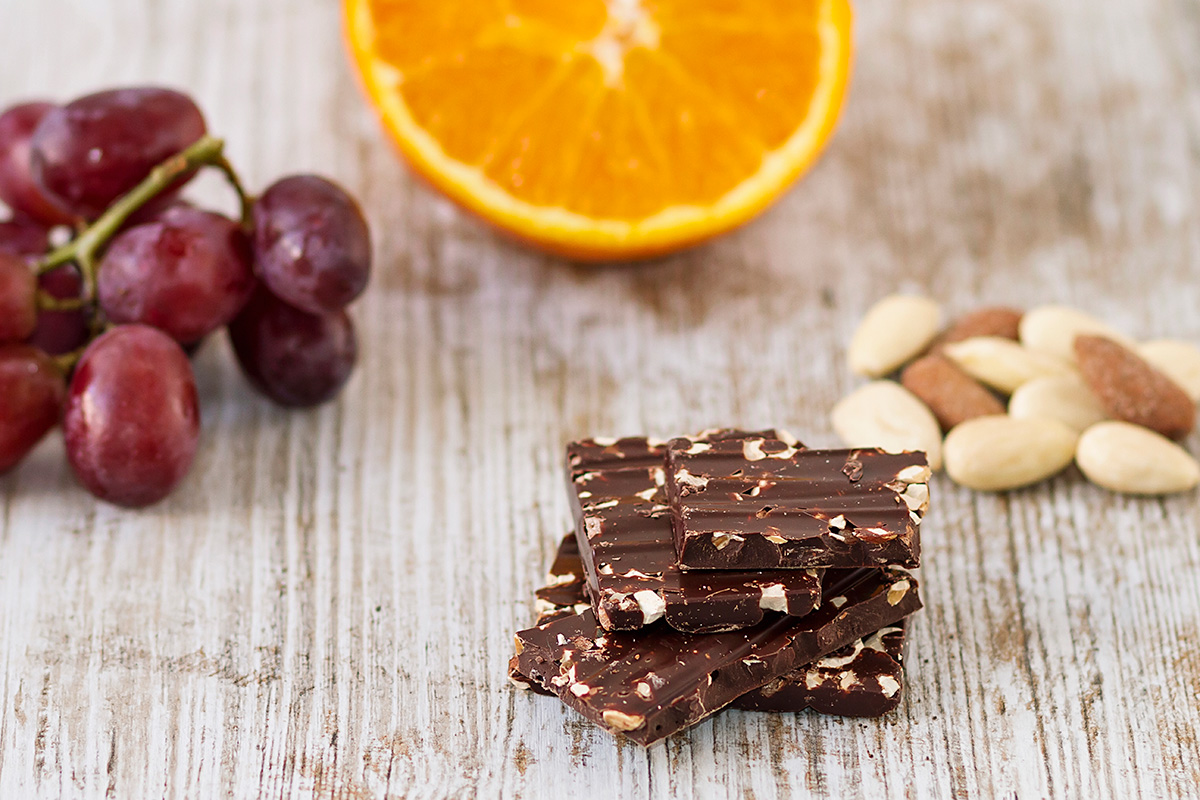
- Snack Smart: Reach for a handful of nuts or a piece of dark chocolate (80%+) for magnesium and antioxidants.
- Hydrate Again: check in with your daily hydration requirements to make sure you’re getting enough water
Evening
- Wind Down: Create a calming routine - dim the lights, put away screens, and listen to music or journal to lower evening cortisol.
- Protein & Veggies: Enjoy a balanced dinner with plenty of vegetables and a good protein source (chicken, tofu, beans).
- Nail & Skin Care: Moisturise your hands and face after washing. Massage a nourishing oil into your nails and cuticles.
- Sleep Ritual: Aim for 7–8 hours of sleep. Try the 4-7-8 breathing technique or gentle stretching before bed.
Bonus Weekly Habits
- Exfoliate gently once or twice a week to brighten your skin.
- Give your nails a break from polish for a few days.
- Connect with others - even a quick chat can boost your mood and reduce stress.
Remember: Consistency is key. These small daily actions add up to noticeable changes over time, helping you look and feel your best - inside and out.
Natural Alternatives for Moisturising and Sun Protection
You don’t have to rely on commercial creams to keep your skin hydrated and supple. Many natural oils and butters are rich in antioxidants, vitamins, and essential fatty acids that nourish the skin and support its barrier function. Some popular options include:
- Jojoba Oil: Closely mimics the skin’s natural sebum and absorbs easily.
- Coconut Oil: Deeply hydrating, though best for those without acne-prone skin.
- Shea Butter: Excellent for dry or sensitive skin, providing long-lasting moisture.
- Aloe Vera Gel: Soothes and hydrates, great for sensitive or irritated skin.
Tip: Apply oils or butters to slightly damp skin after bathing to lock in moisture.
Natural Sun Protection:
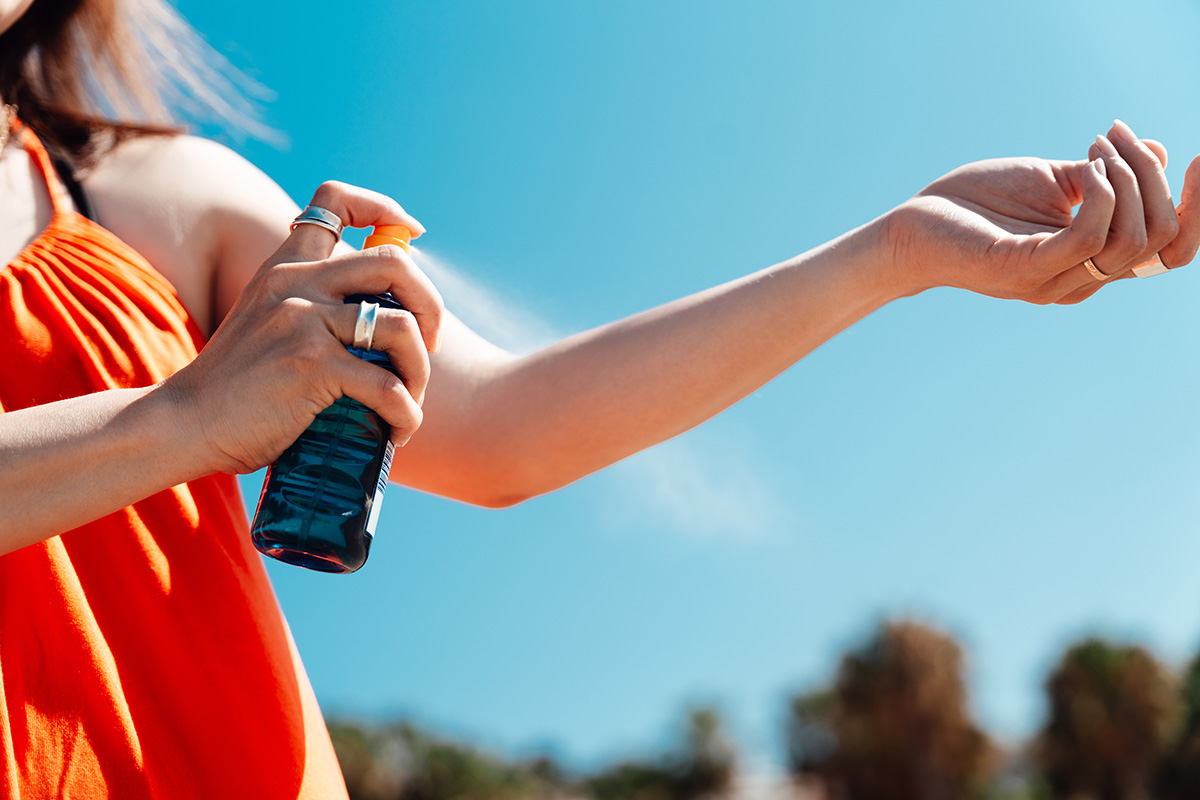
While no natural ingredient replaces the broad-spectrum protection of a well-formulated sunscreen, some mineral and plant-based options offer safer alternatives to conventional chemical sunscreens:
- Mineral Sunscreens: Look for products with non-nano zinc oxide or titanium dioxide. These minerals sit on top of the skin and physically block UVA and UVB rays, without being absorbed into the body. They are considered safe and effective, even for sensitive skin.
Important Note:
If you’re spending extended time outdoors, especially during peak sun hours, a mineral sunscreen with zinc oxide or titanium dioxide is the safest natural choice. Always reapply as needed and wear hats, sunglasses, and protective clothing for additional defence.
Read more:

