The secret to radiant, younger-looking skin (and it's simpler than you think)
When it comes to maintaining youthful, radiant skin, you’ve probably heard the beauty industry rave about collagen.
As the protein that gives our skin elasticity and being vital to healthy bones and connective tissue, it’s powers cannot be dismissed.
So, it’s unsurprising that over the last few years we’ve seen our feeds become flooded with products promising to promote collagen production.
Cutting through the noise can be a minefield, but supporting your body’s production of collagen doesn’t have to be complex.
Below, we’ve listed five simple ways to boost collagen, so you can achieve smoother, younger-looking skin and start winding back the years in no time.
Keep reading to discover the best secrets for boosting collagen and unlock its game-changing, anti-ageing benefits today.
What is collagen and why is it important?
Collagen is a structural protein in the body, making it crucial for strong bones, joints and cartilage, and, of course, our skin’s firmness and elasticity.
As collagen is essential to the skin’s structure, higher collagen levels not only make the skin look smoother and plumper, but they also strengthen the skin’s barrier, helping it retain water and making skin more hydrated.
Collagen also helps with skin repair, so having plenty of collagen enables the skin to heal itself faster from breakouts and wounds and minimise scarring.
As we age, collagen production decreases, making the skin loose elasticity, causing deep-set wrinkles and sagging, and slowing down its ability to heal itself.
Additionally, bones become more brittle, and joints get stiffer due to a loss of cartilage.
- This is the best massage for weight loss, says expert
- Thinning hair? Stylists say these tricks actually help it grow back

By boosting your collagen levels, you can prevent the unwanted effects of ageing and continue to look and feel your best year after year.
How to boost collagen naturally
1. Eat high-protein foods
Protein-rich foods such as meat, fish, eggs, dairy, nuts, beans and soy contain the amino acids your body uses to create collagen – these being glycine, proline and hydroxyproline. So, consuming more protein can help support collagen production.
Proteins that contain connective tissue, such as brisket and chuck (shoulder) steak, and the skin of chicken and fish are excellent sources of collagen, and eating them will give your body the essential amino acids it needs to produce its own collagen.
So, if you tend to avoid chicken skin due to the perception it’s unhealthy, here’s a reason to add it back to your diet – your body needs it!

2. Bone broth
There has been a lot of discussion about the benefits of bone broth in boosting collagen production, and for good reason.
Bone broth is an effective way to consume collagen, as boiling animal bones extracts the collagen from them, which cooks and becomes gelatine.
It’s also an easy and affordable way to incorporate more collagen into your diet. Simply simmer either beef or chicken bones (including the connective tissue and skin in the case of chicken) in water with some apple cider vinegar to help draw out the collagen.

3. Vitamin C
As an antioxidant, vitamin C is key to achieving younger-looking skin, as it not only brightens and evens out skin tone, but is also required for the production of strong collagen fibres.
There are plenty of creams containing vitamin C on the market that can be applied directly to the skin, but research suggests that consuming vitamin C orally may also be effective.
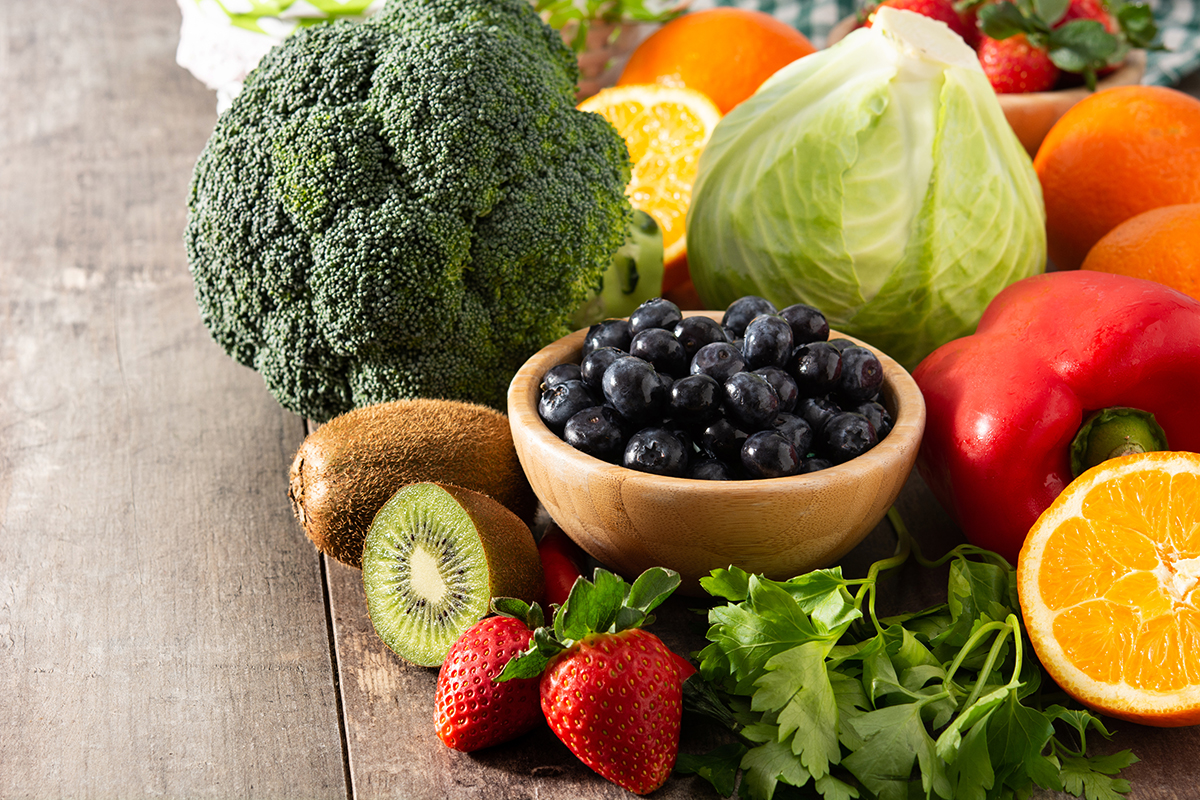
Foods that are particularly high in vitamin C include citrus fruits (e.g., oranges), red peppers, berries, kiwis, broccoli, sprouts, and leafy greens, to name a few.
Native to Australia, the food with the highest vitamin C content in the world is the Kakadu plum.
4. Protect your skin from sun damage
Arguably, the most important way to support your body’s production of collagen and maintain youthful skin is by preventing sun damage.
This is because UV rays damage the collagen in the skin as well as its ability to produce more collagen, resulting in visible signs of ageing, such as wrinkles and sagginess.
Because of this, it’s vital that you protect your skin by reducing the amount of time you spend in the sun (particularly when the sun is at its peak), covering up, and wearing SPF.

5. Try a collagen supplement
And last but certainly not least, another way to boost your collagen levels is by trying a collagen supplement.
Research exploring the effectiveness of hydrolyzed collagen supplements (or collagen peptides) has indicated that participants who received the supplements exhibited improved skin elasticity and hydration compared to those who did not.
So, collagen supplements are certainly worth a try if you want a convenient way to support your skin's health and improve its appearance without injections.
Disclaimer: This article is for informational purposes only and does not replace medical advice.
Read more: