Here's why owning a dog could add years to your life
There’s a reason we call them man’s best friend. Our fluffy companions aren’t just adorable pals; they might be making us live longer too. One major study found that dog ownership was associated with a 24% reduction in mortality, with even greater benefits seen in people who lived alone.
So, what’s the science behind this? And can simply owning a dog really help you live longer? While this study is observational and can’t prove direct cause and effect, it does show a strong correlation between dog ownership and a longer life. The reason isn’t entirely clear, but it’s likely down to a mix of factors.
Owning a dog gets you out of the house and moving, which means more daily exercise. You’re also more likely to meet and chat with people while out walking, which can help reduce feelings of loneliness. And of course, the dog itself offers constant companionship, which is especially valuable for those who live alone.
Dogs and physical health
Owning a dog naturally encourages more physical activity, which brings a range of health benefits.
According to Dr Aimee Warner, resident veterinarian at Waggel: ‘Even the most reluctant exerciser will find themselves walking more because a dog has to relieve itself and take a sniff around the block. All those little increments of walking add up, keeping weight, blood pressure and cholesterol in check, without it ever feeling like a fitness programme.’
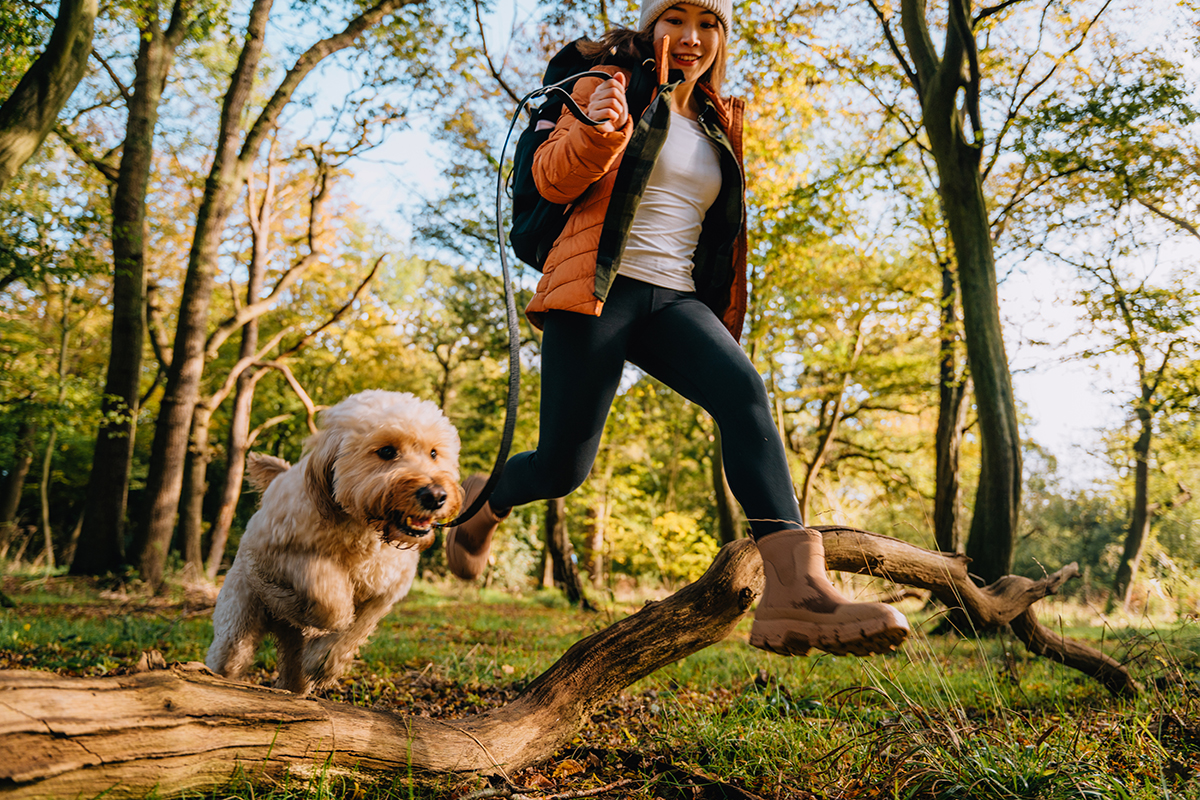
Walking your dog isn’t just good for your pup; it’s great for your health, too. A study in the British Journal of Sports Medicine found that for people aged over 40, each extra hour of walking adds about six hours to their lifespan. Daily dog walks, then, are more than just a habit; they’re a step toward a longer life.
There are also clear benefits for your heart. According to Harvard Health, several studies have shown that dog owners have lower blood pressure than non-owners.
This is likely due to the calming effect of dogs, plus the extra exercise owners get from walking. The power of touch also plays a role: research shows that simply petting a dog can lower blood pressure and promote a sense of calm.
Dogs and mental health
Not only do they support our physical health, but dogs can also have a powerful impact on our mental health.
‘Psychologically, dogs are masters at disrupting the stress cycle. A few slow strokes for a few minutes decreases the heart rate and calms muscles in tension,’ says Dr Aimee Warner. ‘Dogs also introduce soothing structure to the day: meals, playtime, bedtime, and that’s reassuringly comforting for anyone who gets anxious.’
Routine can have a powerful impact on anxiety, helping to anchor daily life. Psychologist Yanet Vanegas, of Psychology Today, explains that dogs naturally bring structure into their owners’ lives. From daily walks to feeding times, caring for a dog instils a sense of responsibility and rhythm.
This kind of predictable routine can offer the stability and grounding that many people with anxiety find so beneficial for their mental health.
As we know, exercise improves mood and overall health, but there's more science going on behind the way your dog makes you feel.
A 2019 Washington State University study found that petting a dog or cat for just ten minutes significantly reduced cortisol, the body’s main stress hormone. Since chronic stress can be harmful to both physical and mental health, even small reductions like this can make a meaningful difference.
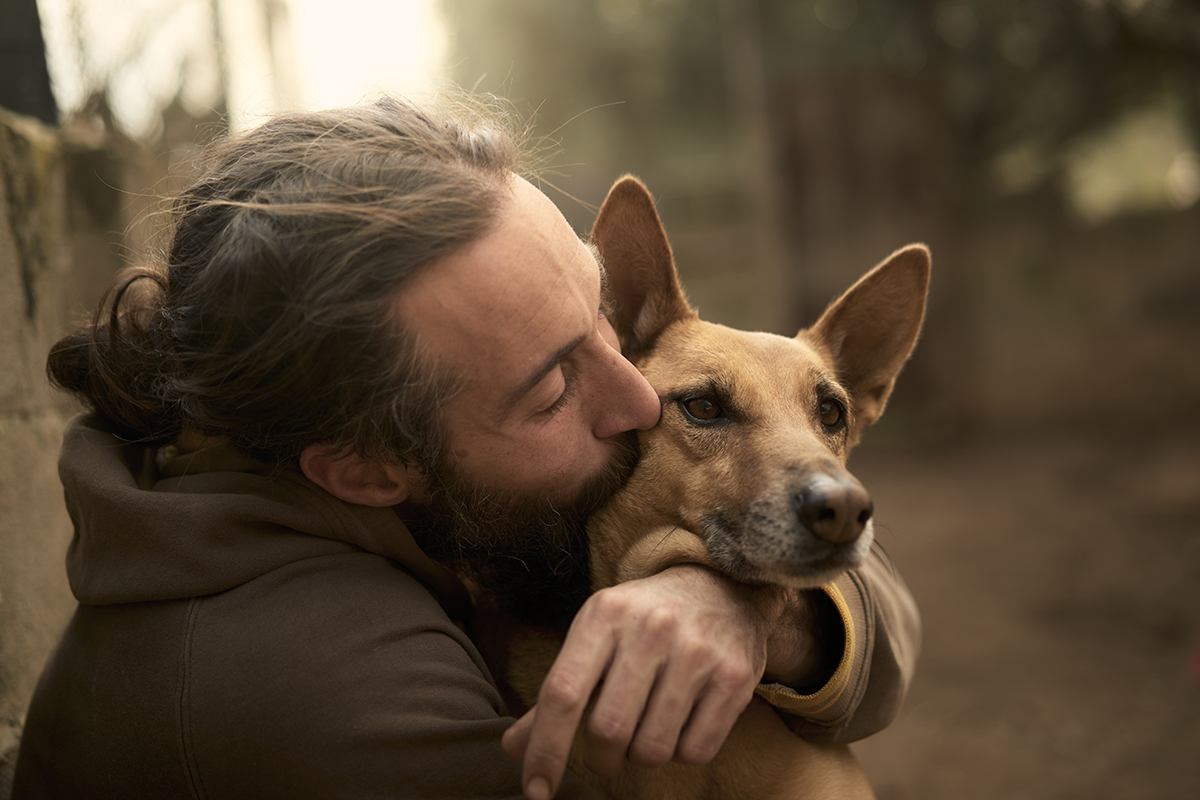
Another study in Research in Hormones and Behaviour found that when dogs held eye contact with their owners, both experienced a measurable rise in oxytocin, a hormone linked with trust, bonding, and emotional security.
It's the same chemical released when we hug someone we love. ‘Just a few minutes of shared gaze can create a powerful physiological connection between dogs and their humans,’ the researchers noted.
There’s also scientific evidence that dogs can help with a variety of mental health issues. A study in BMC Psychiatry found that animal-assisted therapy with dogs was effective in reducing symptoms of anxiety, depression, and PTSD in both children and adults.
This suggests that even casual time spent with a dog, such as stroking, playing, or simply sitting together, can offer real psychological benefits.
Top 10 emotional support dogs
Depending on your lifestyle, where you live, and your fitness levels, certain dog breeds may be more suitable for you. These breeds make ideal companions, helping to reduce anxiety and boost happiness.
Best emotional support dogs for older people or city living
1. Cavalier King Charles Spaniel
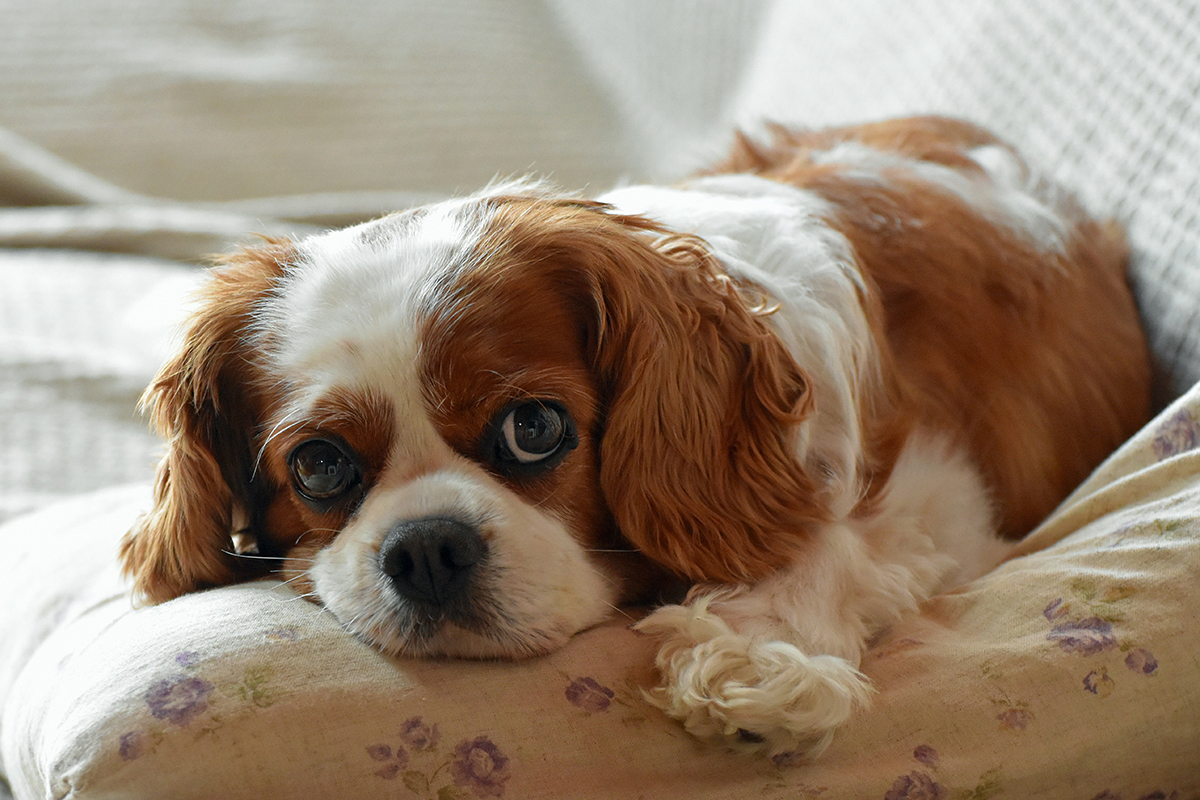
If you’re looking for cuddly companion, the adorable King Charles Spaniel could be the perfect match. They’re essentially like a big teddy bear and love nothing more than cuddling on your lap.
However, if you’re someone who wants to go on long hikes with your dog, they might not be the best choice.
2. Greyhound
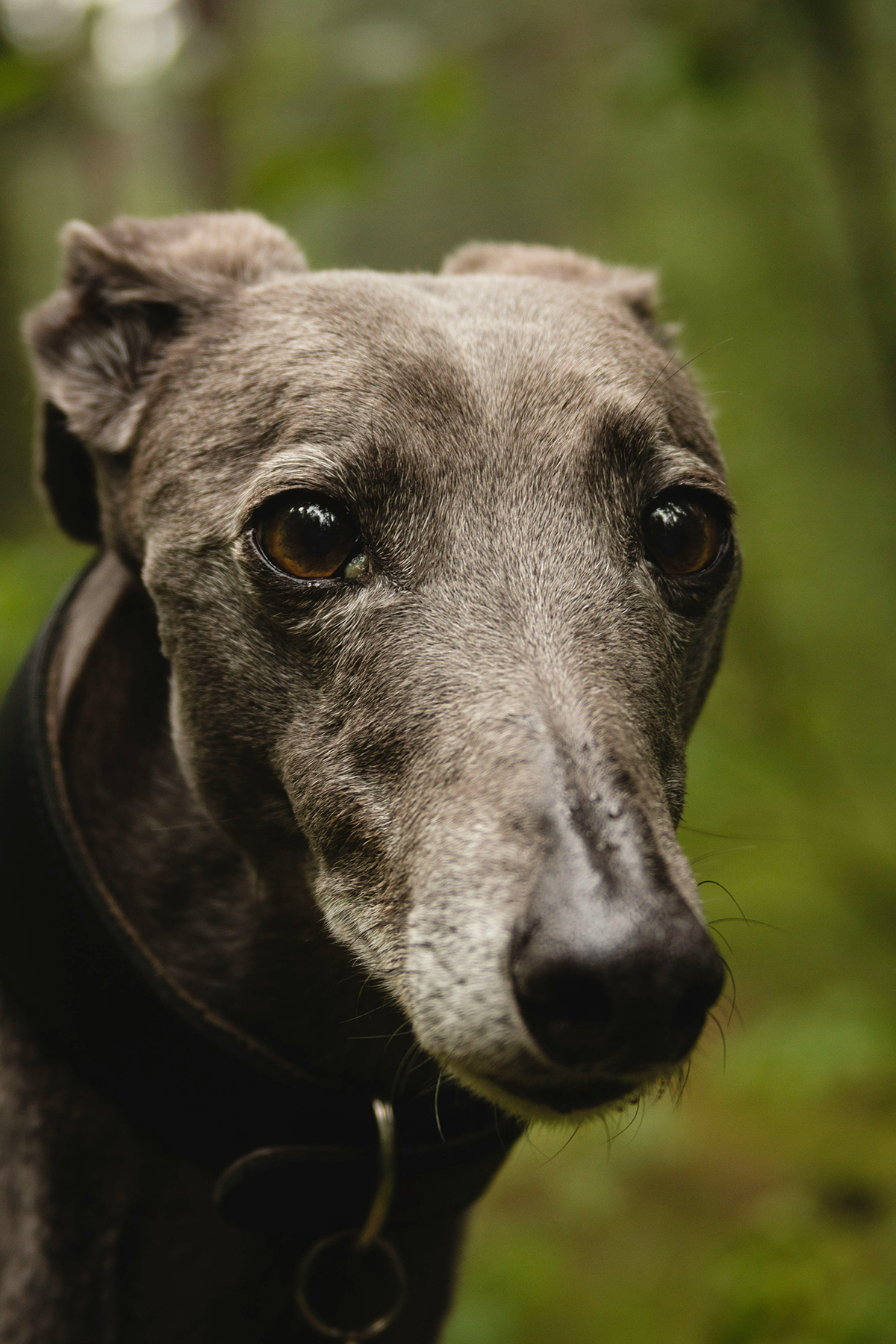
Like the Cavalier, the greyhound is laid-back and makes a wonderful friend. Surprisingly, they don’t need much exercise and are happy with two shorter walks a day.
According to The Greyhound Trust: ‘Greyhounds make great pets for all kinds of individuals and families. They are low-maintenance, gentle and laid-back dogs that don’t need lots of exercise. Greyhounds will gladly spend their time dozing quietly next to you.’
3. Miniature poodle

Miniature poodles are lively, sociable, and affectionate dogs that adapt well to apartment or city living. Dr Aimee Warner says: ‘They’re small enough for limited space but still up for daily strolls and plenty of sofa time.’
It’s worth noting, however, that they form very close bonds with their humans and don’t like to be left alone.
4. Havanese
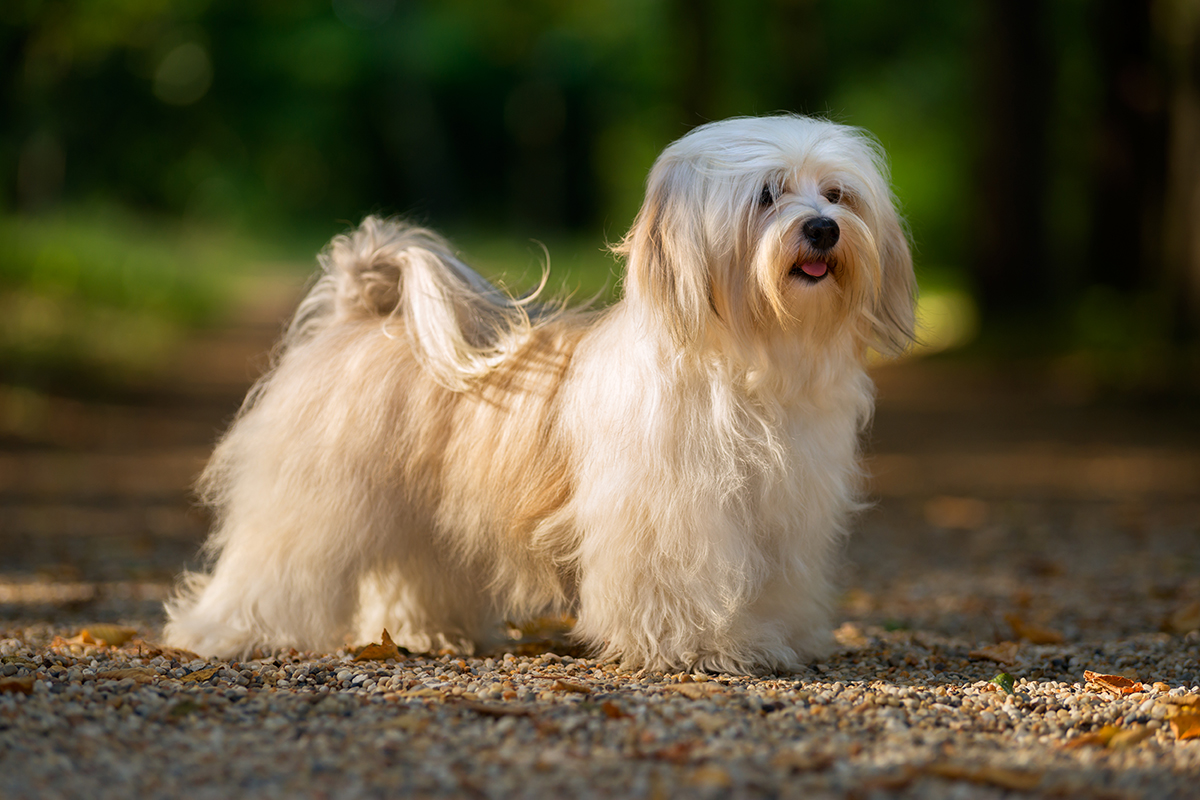
Havanese dogs are intelligent and friendly, making them ideal companions. They need only about an hour of walking each day and adapt well to city living.
5. French Bulldog
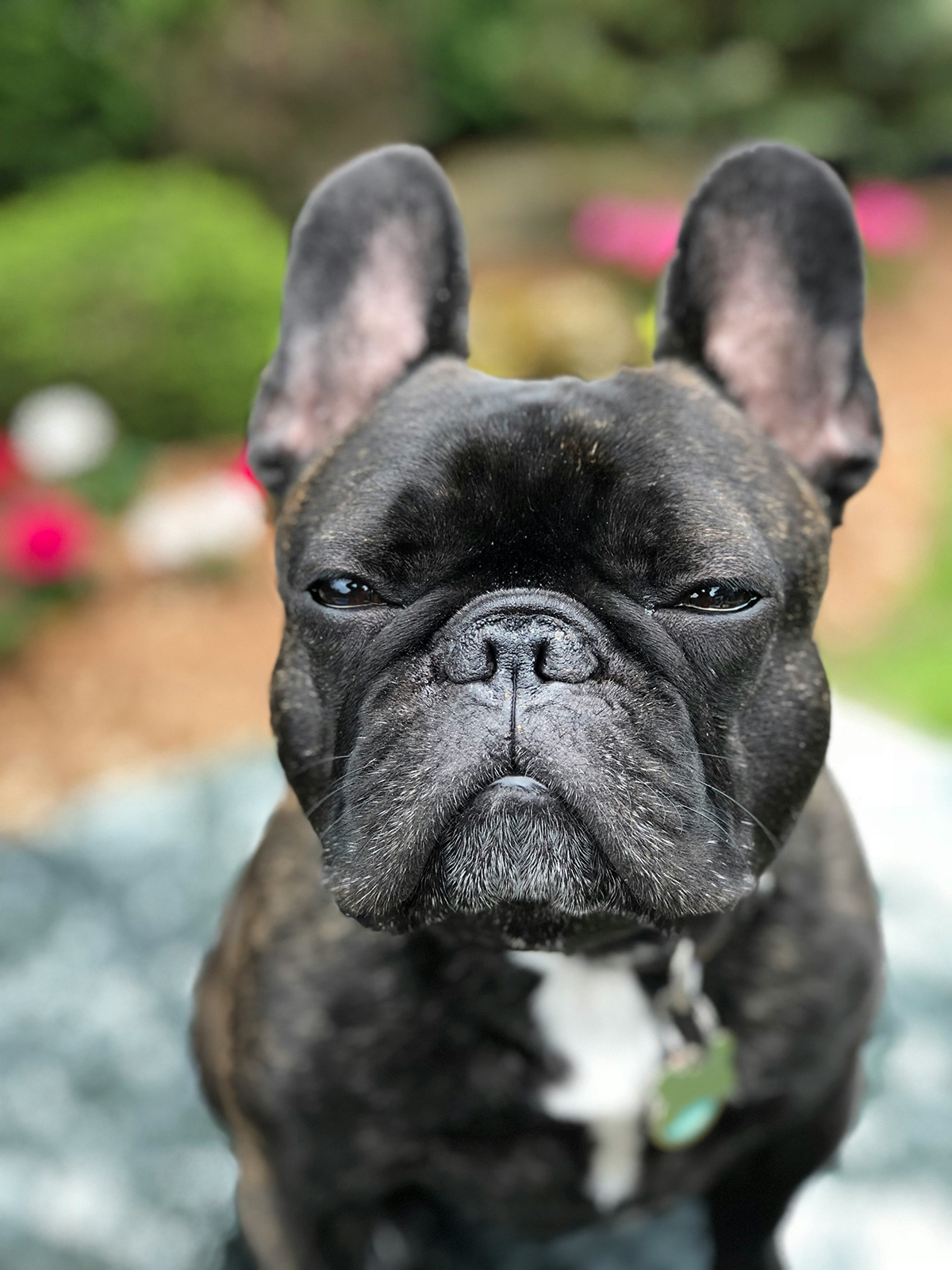
Frenchies are cute, small dogs that love being with their owners and are well-suited to indoor or city living. They need about an hour of walking a day, plus other enrichment activities, and they love puzzles.
Emotional support dogs for active lifestyles and country living
6. Labrador Retriever
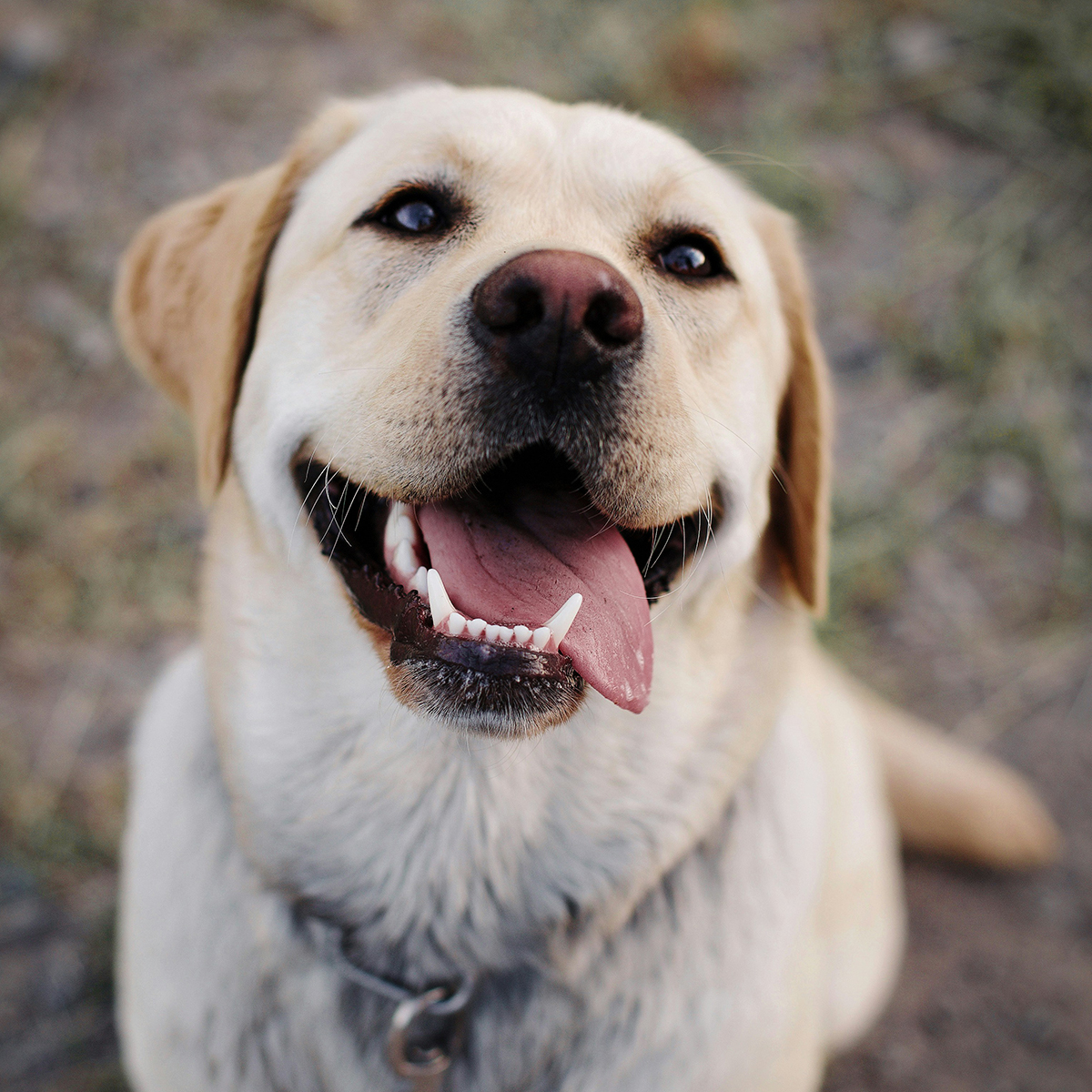
Labrador Retrievers are often used as therapy and assistance dogs. They’re easy to train and make wonderful family pets. Labradors enjoy close relationships with people and thrive on lots of affection.
However, it’s worth noting that they require longer walks and are happy to join you on adventurous hikes.
7. Golden Retriever
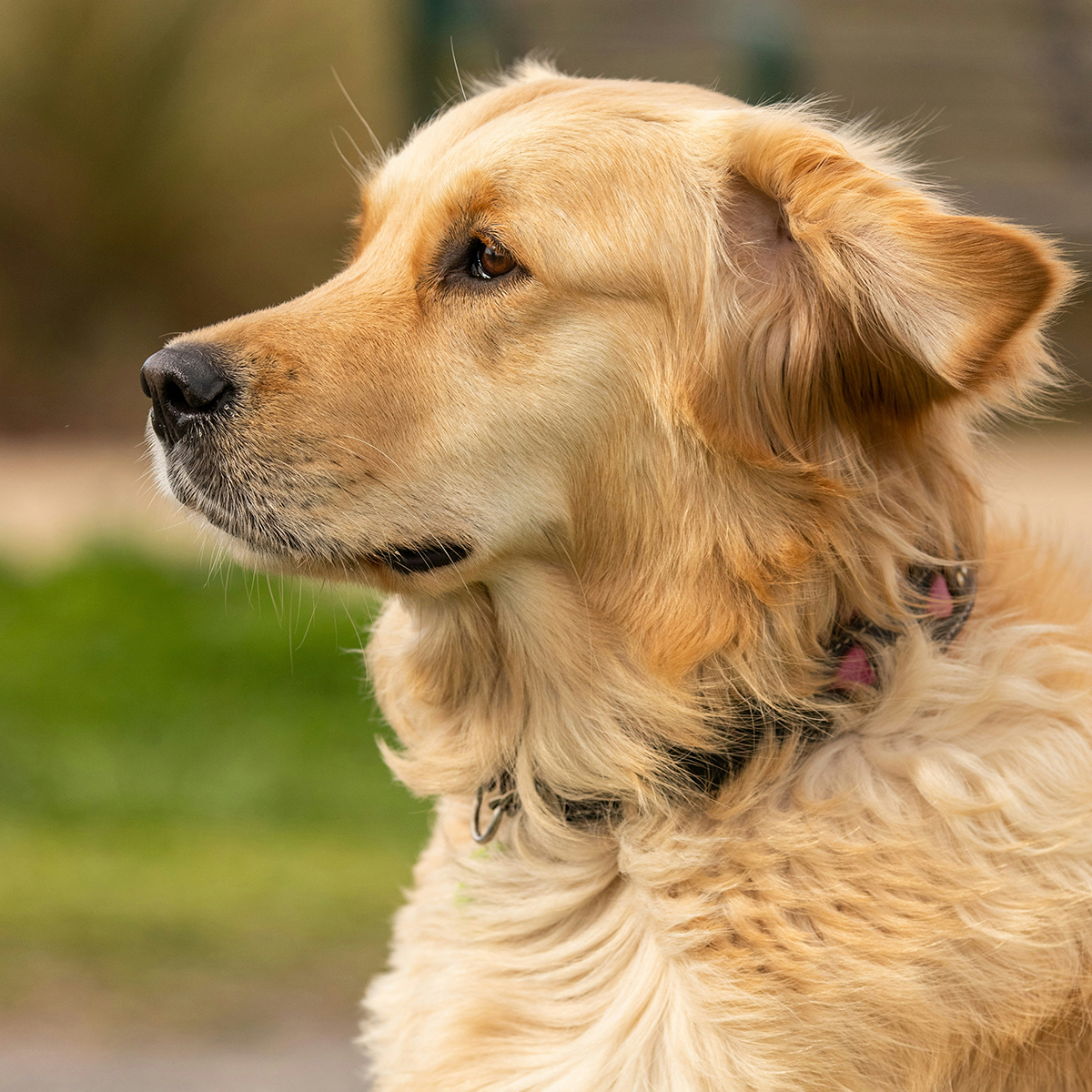
Golden Retrievers make a wonderful addition to your family, and are loving, friendly and eager to please. According to PDSA, they make a great first dog if you want a larger breed, and they are easily trained.
They do, however, require a lot of exercise, so they are best suited to an active owner or family.
8. Bernese Mountain Dog
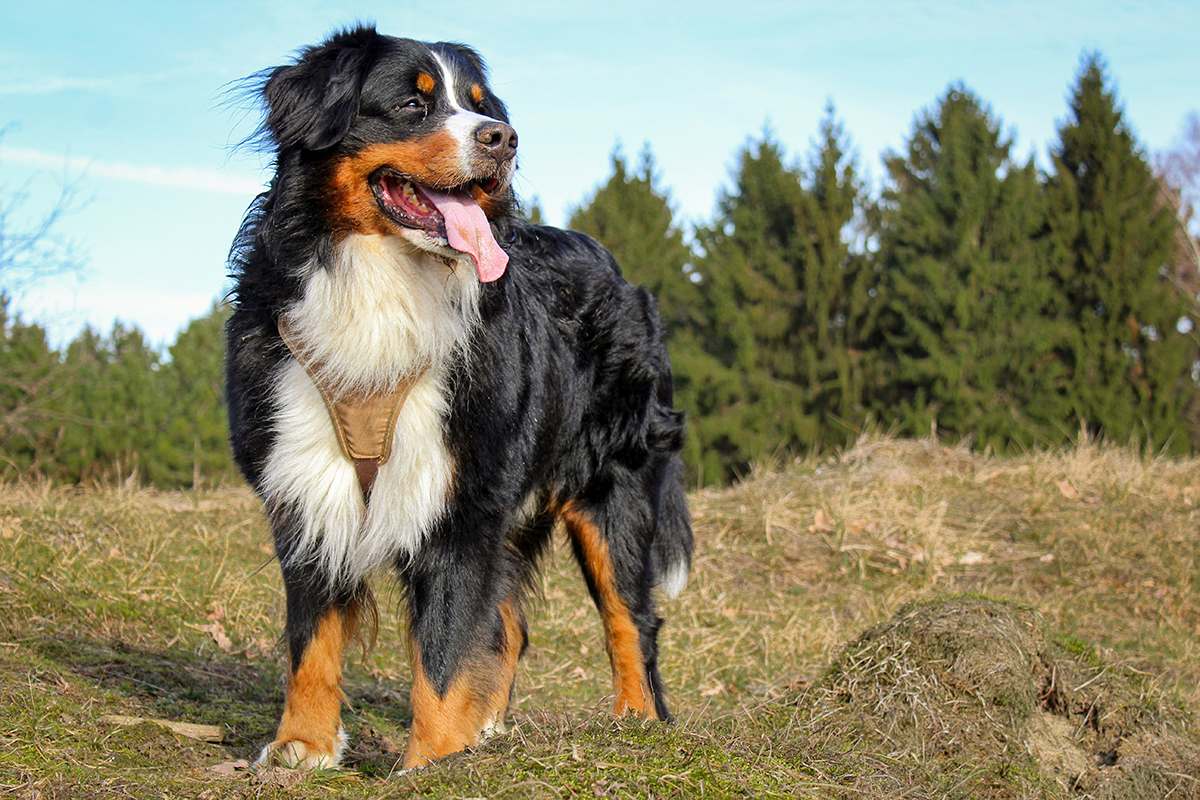
Calm, gentle, and incredibly loyal, Bernese Mountain Dogs are perfect for those with plenty of space. It should be noted that they are large, so you will need plenty of space and be willing to offer them lots of exercise.
9. Cocker Spaniel
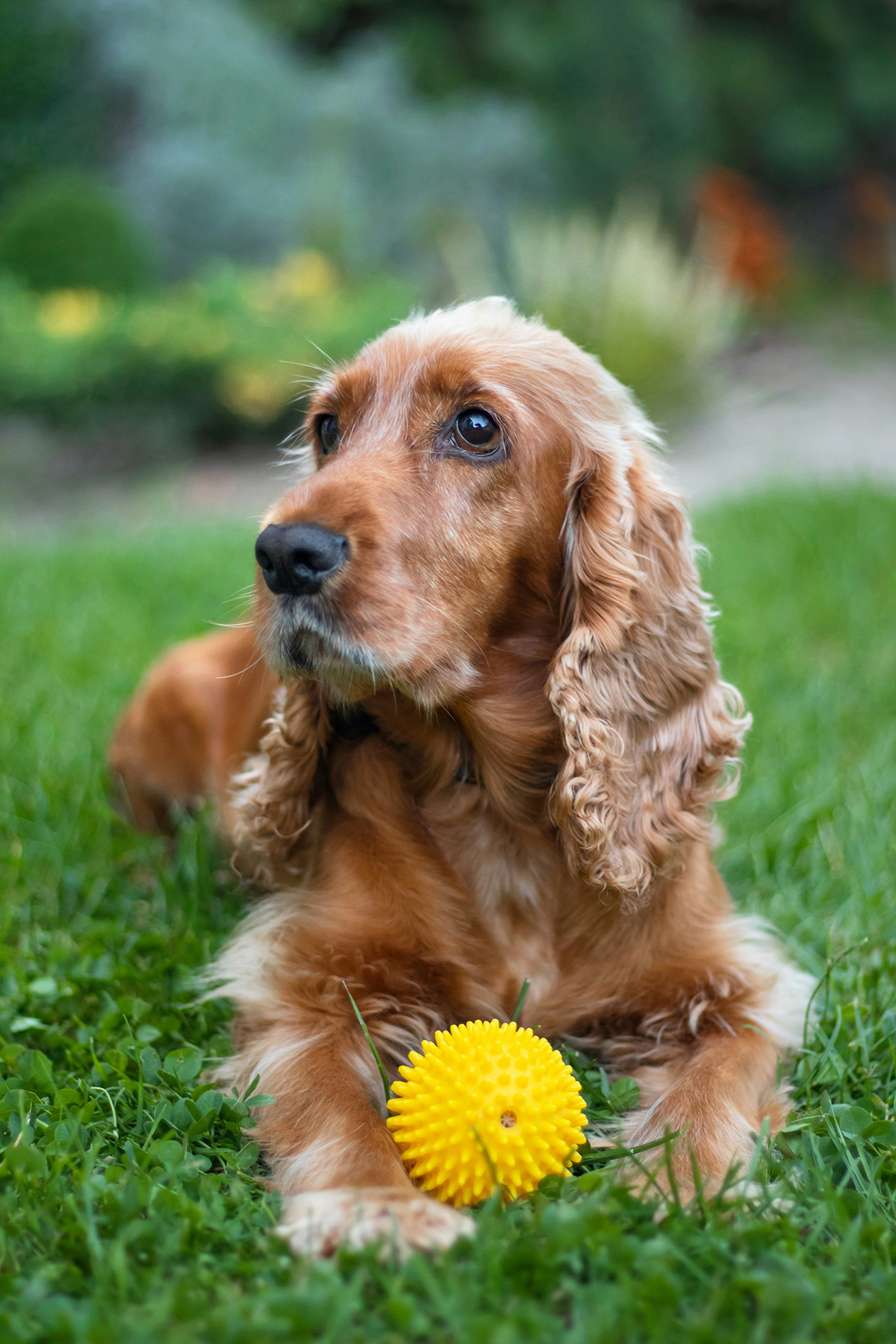
Cocker Spaniels are playful and happy and will thrive in an active household. They will be sure to get you out of the house.
10. German Shepherd
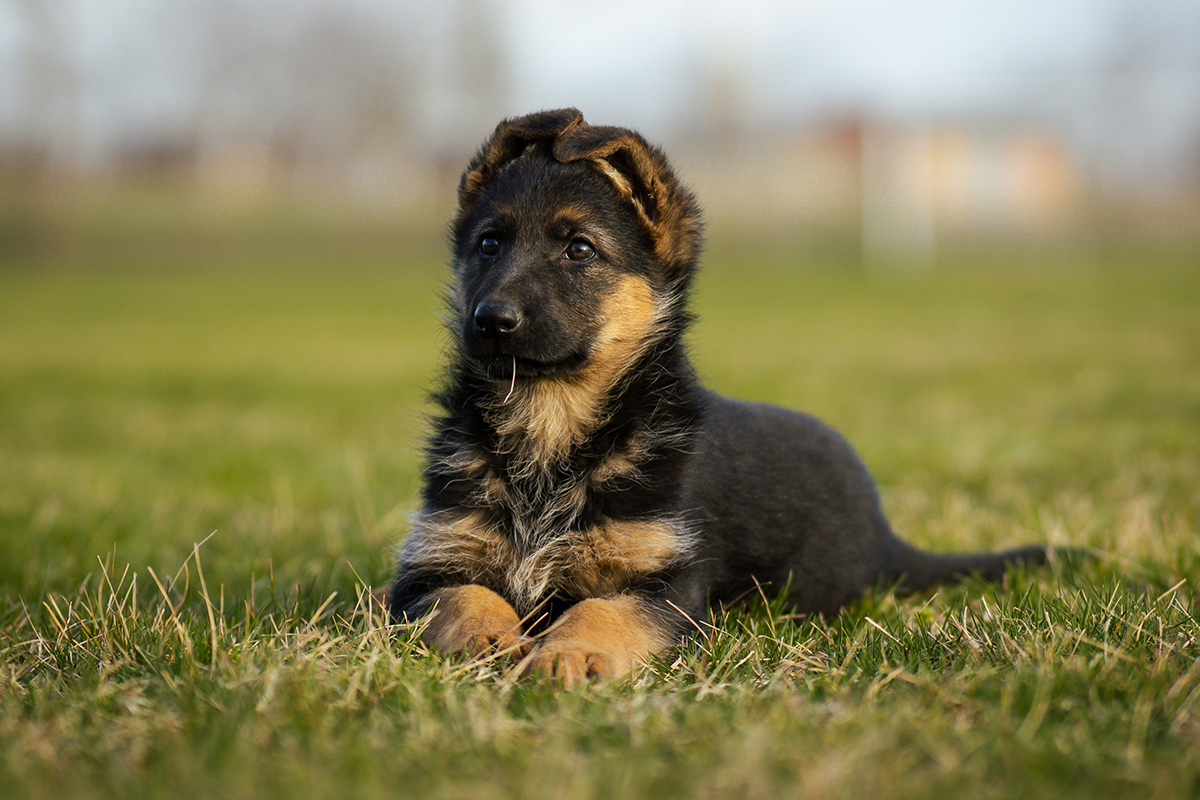
Loyal, intelligent, and protective, German Shepherds often form strong bonds with one particular person, making them a wonderful companion. They do require a fair amount of exercise, along with training and mental enrichment.
As Purina explains: ‘A well-bred, well-reared German Shepherd should be bold, confident, swift and intelligent, and always calm and steady enough to be able to listen to their owner or handler, whatever the circumstances.’
While breed can give a general idea, personality matters most. A rescue dog or mixed breed can be just as emotionally supportive if there's a good bond. Look for calm, friendly, people-focused traits no matter the breed.
Not ready for a dog? Try these things instead
Whether you don’t have the space for a dog or it’s simply not the right time, there are plenty of other ways to enjoy canine companionship.
Borrow My Doggy
Borrow My Doggy is what it says on the tin; you can look after another person’s dog for a period of time. That might just be taking them for walks, or it could be looking after the pup while the owner is away.
The concept is simple: you sign up on the website and find local dog owners in your area. Don’t worry, it’s all safe, with checks in place before anyone can borrow a dog. Once you find a dog you think suits you, you can chat and meet the owners to discuss how it will work.
You can browse the app for free, but to message other members and arrange meet-ups, you’ll need to become a premium member.
It’s a great way to connect with people in your community and enjoy walking and caring for dogs, but without the full-time commitment.
Look after a friend's dog
If you’re on the fence about getting a dog, looking after a friend’s dog while they’re on holiday can give you a taste of what it’s really like, especially if the dog stays at your home.
This gives you more time to settle into a routine so that, rather than just walking the dog, you get to experience all aspects of caring for one.
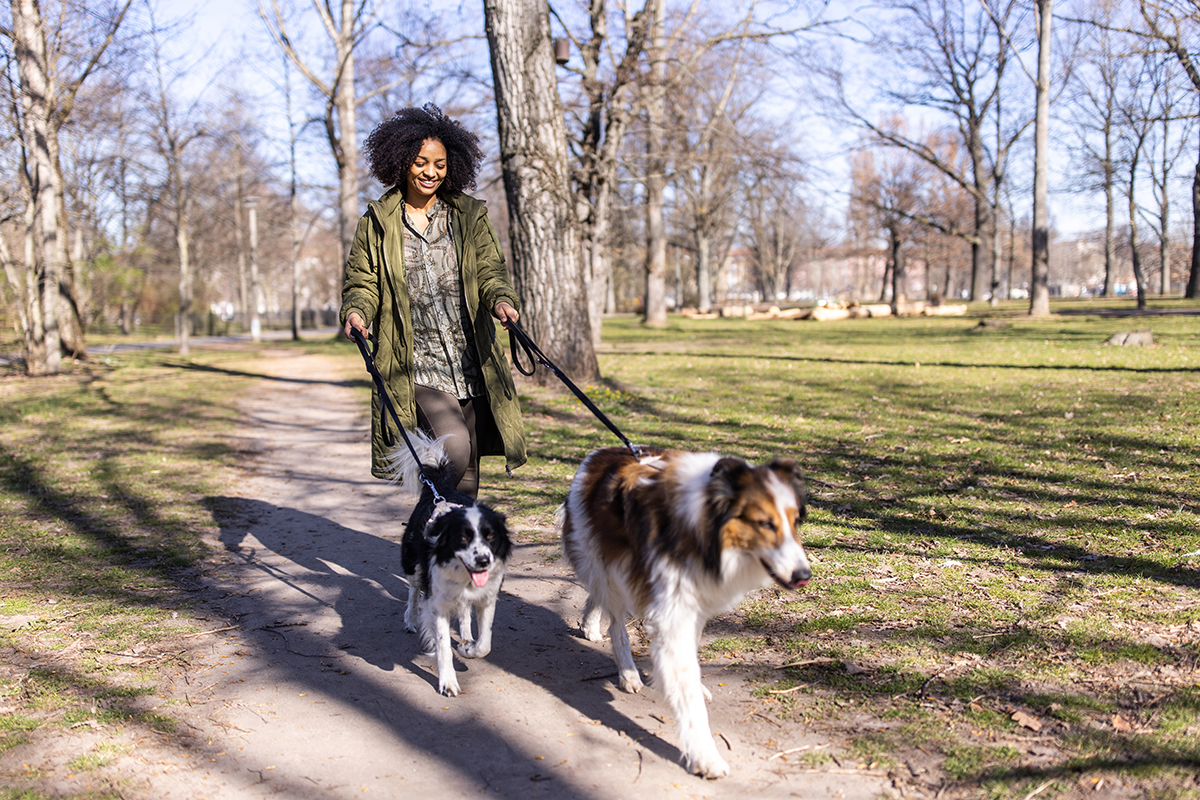
Try fostering
There are so many dogs in need of loving homes who struggle in kennels, which is why fostering is so important.
You’ll help socialise the pup and prepare them for their forever home. It’s a very rewarding experience, though it can be hard to let go. It’s best to remember that there will always be more dogs needing your help.
If you’re interested in fostering, you can visit The Dogs Trust for more information and find out how to apply.
Trusted Housesitters
Trusted Housesitters lets you look after people’s pets as well as their homes. How does it work? You create a profile, purchase a sitter plan, and then apply for house sits that suit you.
The more house sits you complete, the more your profile stands out, and the reviews you receive help you secure even more sitting opportunities.
Note: If you’re considering house or pet sitting abroad, it’s important to check visa and immigration requirements in advance, as rules vary by country and may require specific permission.