The surprising reason you keep buying books you never read
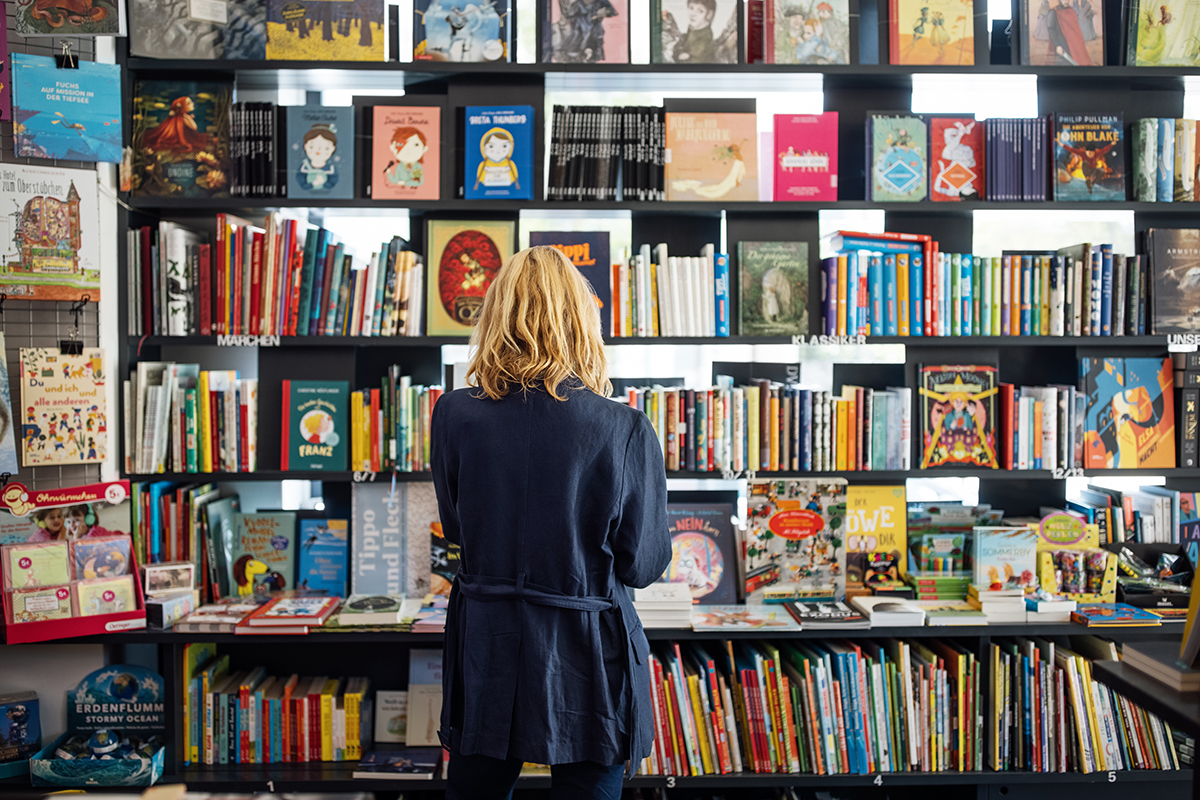
Staring at the shelves in your favourite bookshop, you know that at least one of those beautiful books is going to find its way home with you – only to sit, unread, on top of a growing pile of its friends.
It’s happened so many times that your living space is cluttered with stacks of unthumbed tomes, each one doomed to neglect yet too precious to give away. But rest assured that you aren’t alone.
You’re one of legions of book lovers whose objects of affection quietly accumulate by the comfy chair, on the nightstand or in bulging bookshelves, never to be used for their intended purpose.
In fact, the act of hoarding unread books is so common that the Japanese have a word for it: tsundoku.
- Literacy is declining - but these books will keep you ahead
- These songs will reduce your anxiety in minutes (there's a science to it!)

What is tsundoku?
Tsundoku is a combination of two different terms, tsunde-oku (to leave a pile of things for later) and dokusho (reading). It means the habit of buying reading materials and allowing them to pile up, usually without using them.
The word dates back to the 1800s and although its origins are believed to be satirical, it doesn’t have the negative connotations you might expect. In Japan, tsundoku is considered affectionate, even positive.
That’s because books are more than just the words on the page: they can be decorations, memories and a huge source of comfort. For many of us, simply having them in our homes brings joy.
A well-stocked book collection tells the story of the person who curated it, revealing who they were when they made each purchase. It’s an autobiography in a series of colourful spines. Besides, is there anything more evocative than the smell of a favourite novel?
It’s perhaps no surprise, then, that the word has come to be used for all sorts of happy collecting, whether it’s building a film library, amassing craft supplies or downloading videogames, where acquiring the object becomes a pastime itself. Everyone who’s ever started a hobby only to end up enjoying the buying and owning part, and the promise of learning a new skill, more than the actual activity is engaging in tsundoku.
How is it different from bibliomania?
Tsundoku and bibliomania are similar, in that they both result in a person having a large collection of books. But there’s one big difference: with tsundoku, there was always the intention to read them.
Bibliomaniacs value books as objects and collect them for their value or rarity – or simply for the vanity of having a large collection. Their interest often lies in owning obscure first editions, signed or illustrated copies, and complete sets of books, rather than in the knowledge they contain.
Tsundoku, on the other hand, involves a genuine desire to read, and the collection is an accidental consequence of that. While bibliomania can include compulsive and even self-destructive behaviours in the pursuit of more books, tsundoku is mostly harmless.

How do I know if I have tsundoku syndrome?
There are a few tell-tale signs that you have tsundoku syndrome, the most obvious being the piles of unread books in your home. How many of the books on your shelf are you yet to get around to – 5%, 25%, 50%? If the number surprises you, it’s probably a sign that your book buying and book reading are out of balance.
Perhaps your reading goals don’t match your free time, or you have a habit of acquiring books on a whim. Maybe you’re easily distracted by the next read, and always have a second book on the go while failing to finish the first. Or you’re a procrastinator and find it hard to pick up and start new books – although that doesn’t stop you from buying them.
You might also collect books for emotional reasons as well as practical ones. How many of us have a library card we rarely use because the thought of giving the books back doesn’t appeal? Being surrounded by books at the library or bookshop makes us feel happy and relaxed, and we want to recreate that feeling at home. Like Cicero said: “A room without books is like a body without a soul.”

How can I overcome tsundoku?
The more important question is, do you really want to? Professor Nassim Nicholas Taleb suggests in his book The Black Swan: The Impact of the Highly Improbable that by reminding us of all the things we don’t know, our unread books are serving an important purpose. He calls them the “antilibrary”: a motivating, humbling embodiment of the limits of our own knowledge.
But if your stack of unread books is causing you stress, it might be time to let some go. Pass them on to friends and family, charity shops or local book exchanges (just make sure you leave more than you take). Or if that’s too much to ask, try sorting your collection into read and unread, so you can rediscover the books you already have. Swap some of your screen time for reading time. Carry a paperback with you and browse a few pages whenever the chance arises.
And if you still don’t get through the pile, don’t despair. Tsundoku is aspirational. It represents positive intentions, a thirst for knowledge, a desire for personal growth – and those are all good things. So, the next time you visit the bookshop, bring that book home without the guilt.
Read more:
- Here are the best true crime podcasts you need to binge
- Surprisingly easy ways to save money
- Audio erotica is the hottest trend right now. Discover where Hollywood stars talk dirty for you