
You may be overlooking these urgent warning signs from your body, doctors share
Some medical issues, such as chest pains, shortness of breath, and severe allergic reactions, are signs of a medical emergency.
However, the body sometimes gives us very subtle clues that it’s in trouble. Everything from handwriting to snoring can be unexpected early warning signs of illness.
With most conditions, the earlier you seek medical help, the better the outcome, so we’ve spoken to experts to help you read your body’s distress signals.
- Global wellness leaders reveal how to create a budget retreat at home for the ultimate reset
- What your poo says about your health. Learn how to read the warning signs
You’re losing weight without trying
If you’re noticing that weight is falling off, and you’re not dieting or exercising more, it’s worth checking in with your GP.
According to Dr Nikki Kanani MBE, 'For women, weight loss can sometimes be linked to thyroid conditions, gut health issues like coeliac disease, diabetes, or even cancer. It can be easy to dismiss, but your body is giving you a message and it’s important to listen.'
You’re craving ice
Sometimes, a patient will come to see GP Dr Helen Howells and with a craving for ice, which may seem harmless, but as she explains, 'Some people with iron deficiency experience sudden ice cravings that intensify when iron levels deplete. In addition to experiencing a compulsion to eat ice, other signs of iron deficiency anaemia include fatigue, weakness and headaches. If you are experiencing these symptoms, make an appointment at your GP surgery for a blood test.'
You snore persistently
Snoring is not just something that bothers those around you; it can also be a sign of serious health issues.
As GP Dr Anatalia Moore says, snoring is a common symptom of sleep apnoea, a disorder in which breathing repeatedly stops and starts during sleep.
But snoring may also play a role in cardiovascular disease, as a 2013 study found that even among patients without sleep apnoea, snoring was linked with thickening of carotid arteries in the neck; such damage is a precursor to stroke and heart attack.
Snoring was more strongly associated with this wall damage than were smoking, high cholesterol, or being overweight.
If you’re worried about your snoring, Dr Moore advises you to make an appointment with your GP to discuss further tests for sleep apnoea.

Your handwriting has changed, or gotten smaller
When you think of Parkinson’s, you probably think of tremors, but a more telling early Parkinson’s warning sign is handwriting that changes or gets much smaller.
Dr Alison Green, a Research Fellow in Clinical Brain Sciences, says, 'Parkinson’s disease occurs when nerve cells in the brain become damaged or die off. They stop producing as much dopamine, a chemical that sends signals to move; this causes muscle stiffness in hands and fingers, which affects handwriting.'
Two other early red flags of Parkinson’s to watch out for: loss of smell and intense dreams in which you thrash, kick, and punch during sleep.
'If you notice any of these symptoms and they last more than a couple of weeks, see your GP to be referred to a neurologist. The earlier Parkinson’s is diagnosed, and the sooner you get control of symptoms, the better your quality of life will be,' says Green.
You’ve become worse at managing your finances
If you’ve found that things just aren’t adding up when you’re trying to calculate a tip or do some simple addition, this may be a cause for concern.
In a 2021 study, researchers found that older adults who go on to be diagnosed with dementia are more likely to miss payments on bills as early as six years before a diagnosis of dementia.
Researchers have found that even mild cognitive issues can affect the ability to manage bills and other financial matters.
If you suddenly find yourself unable to process tasks related to finance as easily as you once were, it might be worth speaking to your GP.
You’re sprouting dark chin hairs
This can be a sign of polycystic ovary syndrome, notes GP Dr Farah Ahmed. 'Usually you see just a few hairs, but they’re dark and coarse like a man’s beard,' she notes. Hormonal imbalance may also affect your menstrual cycle. If you’ve started sprouting hair on your face, it might be worth speaking to your GP.
Needing to wee more often
If you’ve noticed that you’re needing to go to the loo more often, or you’ve gotten thirstier, it might be time to make a GP appointment to check on your blood sugar levels.
'When you start developing type 2 diabetes, your body becomes less efficient at breaking down food into sugar to use as fuel for energy. Your body frantically tries to dump the glucose build up by flushing it out in your urine. You’re going to the bathroom more frequently—and producing much more when you go,' says Dr Kanani.

Night sweats that have nothing to do with the weather
Whether it’s hormonal reasons or warm weather, some of us can get a little bit sweaty at night, but if you are having night sweats outside of menopause or the summer months, this can be a sign of something more serious.
As Dr Ahmed says, 'Night sweats can signal underlying issues like infections, hormone imbalances, or even cancer. If they’re persistent or happen with other symptoms like weight loss or fatigue, it’s important to seek medical advice.'
You’re bleeding after menopause
Light spotting isn’t anything to be worried about—in fact, it’s often normal.
But according to Dr Ahmed, period-like bleeding after menopause warrants a trip to your doctor, who may be concerned about uterine (womb) cancer.
'While it’s often due to less serious causes like vaginal dryness or the effects of HRT, any bleeding after 12 months without periods needs prompt investigation.'
Your tongue has changed colour
'As GPs, we’re trained to listen not just to what patients say, but to what their bodies might be quietly signalling, and the mouth is often one of the first places we look,' says GP Dr Deepali Misra-Sharp.
A healthy tongue is usually pink, moist, and covered with small nodules called papillae. But when its colour changes, that can be a subtle prompt to look deeper. Dr Misra-Sharp says to pay attention to the following tongue changes:
White tongue: A white coating can be simply due to trapped bacteria and dead cells, especially in individuals with a dry mouth or poor oral hygiene. However, if it appears as thick, patchy white areas that don’t brush off easily, this may indicate oral thrush — a yeast infection.
Persistent white patches: Persistent white patches that don’t scrape off may indicate leucoplakia. This isn’t an infection but rather a reaction to chronic irritation, commonly linked to smoking or chewing tobacco.
Pale or smooth tongue: If the tongue looks unusually pale or smooth, this could be a subtle sign of anaemia, particularly iron deficiency. It can also be seen in vitamin B12 or folate deficiency, especially if the tongue is sore or swollen.
Bright red or 'beefy' tongue: This is a classic sign of vitamin B12 deficiency, especially when the tongue feels tender or there’s a burning sensation. In the UK, B12 deficiency is more common in those following strict vegan diets without supplementation, or people with absorption issues like pernicious anaemia or coeliac disease.
Blue or purple tongue: A much rarer finding, but it can occur in people with circulation issues or low oxygen levels — for example, those with congenital heart conditions or advanced respiratory disease. If it appears alongside breathlessness, chest discomfort, or swelling in the legs, it needs urgent assessment.
You have sour breath
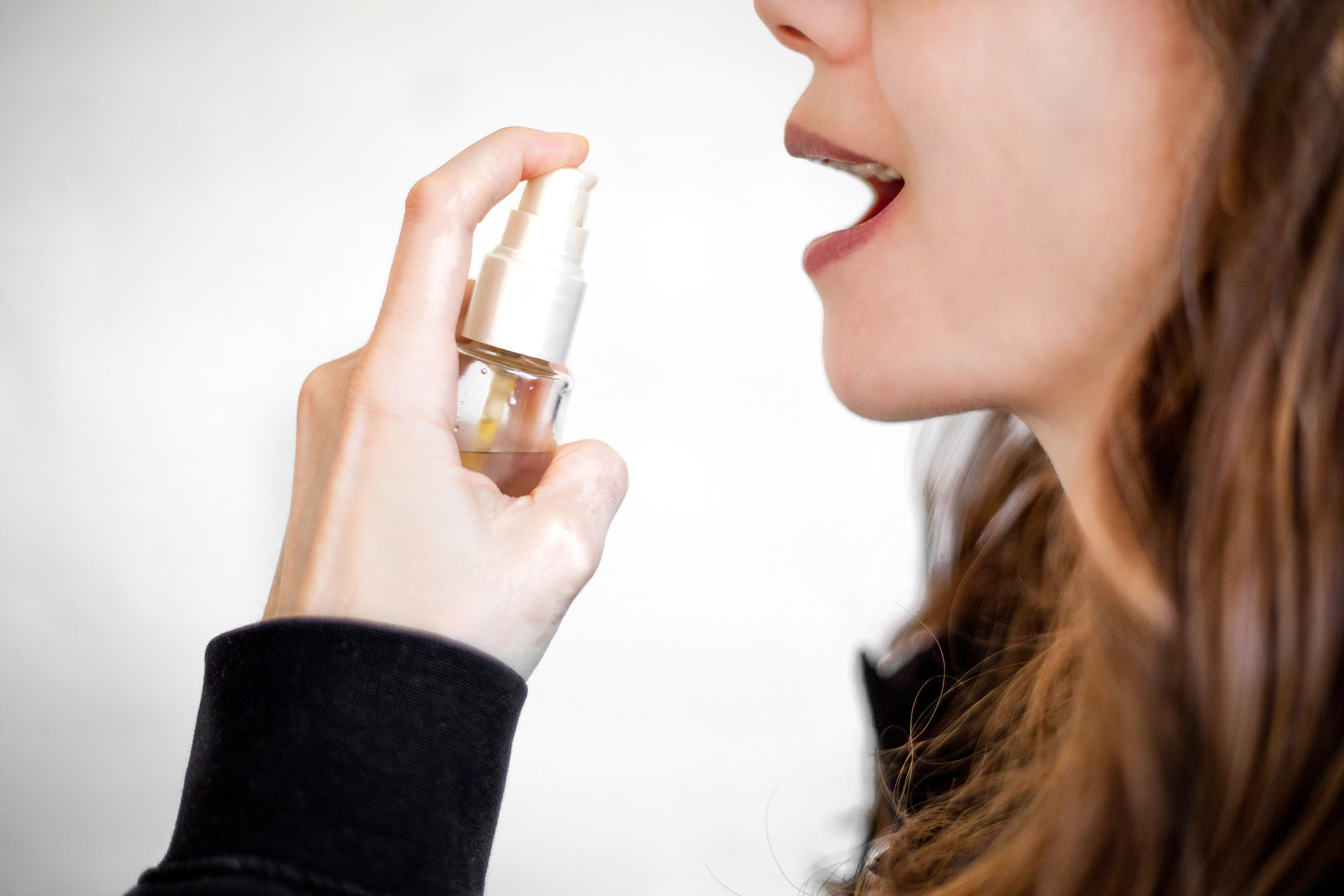
Bad breath is a common concern, and most of the time, it’s due to dental causes, such as plaque buildup, gum disease, or food debris trapped on the tongue.
However, as Dr Misra-Sharp says, if someone is meticulous with their oral hygiene and still struggles with persistent odour, it’s worth considering other possibilities, such as conditions like gastroesophageal reflux disease (GORD), which can lead to sour or unpleasant breath as acid and partially digested food rise up from the stomach.
Your eyebrows are thinning
Hair loss, including from your eyebrows, can be a sign that your system is working sluggishly due to an underactive thyroid (also known as hypothyroidism), says Dr Ahmed.
Watch out for other symptoms, such as feeling cold all the time and constipation.
You have a patch of scaly or rough skin that won’t go away
Most people look out for changing moles, but early skin cancer can also show up in subtler ways, as Dr Thuva Amuthan, founder of Dr Derme Skin Clinics explains, 'One key sign of skin cancer is a scaly or rough patch that doesn’t go away – especially on sun-exposed areas like the face, scalp, ears or hands.
'These may be actinic keratoses, which are precancerous and can progress to squamous cell carcinoma if left untreated. Another red flag is a sore or scab that doesn’t heal within four weeks, especially if it bleeds or crusts repeatedly. These non-healing lesions are often overlooked but can signal basal or squamous cell skin cancer.'
Your nails have changed shape or colour
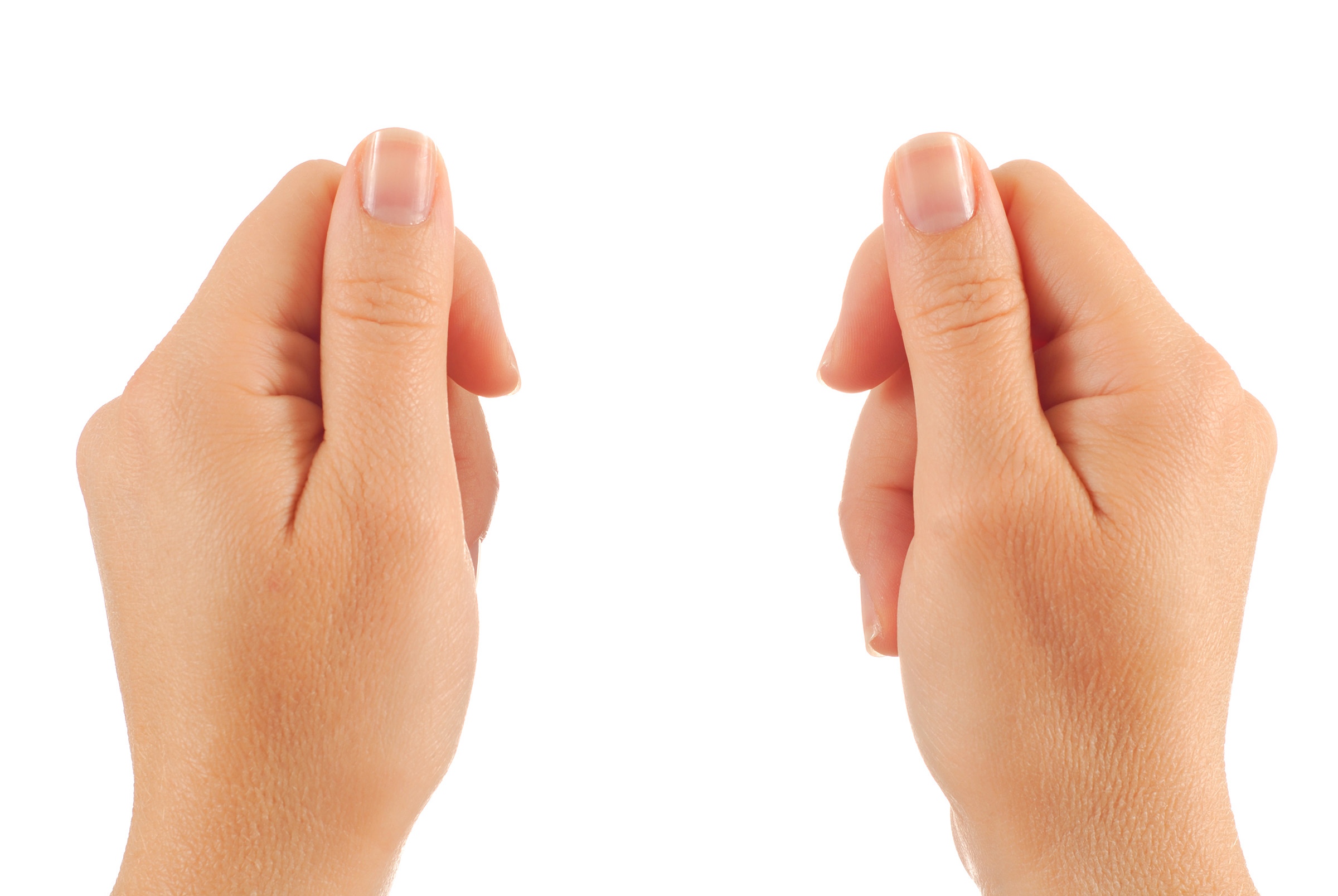
Dr Amuthan says changes in the nails can sometimes be your body’s early warning system.
- Dark streaks under the nail could be a sign of a melanoma called subungual melanoma. A GP should assess any persistent pigment change under a nail.
- Pitting or ridging may suggest inflammatory skin conditions like psoriasis or eczema.
- Clubbing, where nails curve downward and fingertips enlarge, can indicate long-standing lung, heart or gastrointestinal disease.
- Spoon-shaped nails (koilonychia) may point to iron-deficiency anaemia.
- Yellow thickened nails could be linked to fungal infection, but in some cases, they might suggest chronic lung disease.
You bruise easily
Easy bruising can be a common occurrence for many and often has benign causes, such as medications, age-related skin thinning, or simply bumping into things.
However, easy bruising can also be a silent sign of leukaemia. Low blood platelet counts can make you more susceptible to bruises, notes Cancer Research UK.
Of course, this doesn’t have to be your first worry, but if your GP suspects a problem, they will check your blood cell count before referring you for more invasive testing.


