
Health expert reveals the surprising drink you should avoid (and what you can swap it for)
Whether we’re grabbing a soft drink with a meal deal, having an alcoholic beverage in a bar or hydrating at home, we often don’t put as much thought into drink choices as we do with our food.
It can be an instinctive decision depending on the occasion or level of thirst, and you might avoid something that you think is ‘obviously’ bad for you, but not treating it as seriously as your meal choices, is an error.
Without careful consideration, drinks can be exposing our teeth, intestines and brains to high levels of sugar, caffeine, alcohol and additives, even in a beverage that we may have even thought was healthy.
That’s not to say we should be adding big police tape over our favourite drinks, never enjoying them again out of fear of what they’re doing to our bodies. Understanding how drinks can be enjoyed in moderation can leave us with more energy and encourage us to stay hydrated.
- Doctors reveal how to stay hydrated during a heatwave
- This caffeine alternative may cut your dementia risk
One model to learn from is the six-level pitcher, from The Beverage Guidance Panel. This categorises what we drink into levels, much like a food pyramid diagram, where we build on a base of hydrating liquids like water, and the volume we enjoy different beverages reduces to account for our nutritional needs.
Level one, the drink we should be consuming the highest volume of, is water. Water should be the foundation of what you’re drinking; it keeps you hydrated, it’s safe and likely one of the most affordable options to purchase if you can’t drink it from the tap. The levels continue with:
- Level One - Water
- Level Two – Tea and coffee
- Level Three – Milk and milk substitutes
- Level Four – Diet soft drinks
- Level Five – Soft drink with nutritional value
- Level Six – Added sugar soft drinks
According to the six-level pitcher framework, water is the beverage we should be consuming the highest volume of. That volume reduces throughout the scale, to account for drinking according to the recommended diet advice for your daily intake of sugar and carbohydrates. It means that you should be limiting how often you consume fizzy drinks with added sugar, swapping them for a glass of water instead.
When we’re using beverages to help boost our body’s performance and energy levels, electrolyte drinks can be a great place to start. ‘The body doesn’t store electrolytes in reserve, so regular replenishment matters, but that doesn’t mean extreme doses,’ explains Diana Bell-Irving, nutritionist at electrolyte drinks company nonni. ‘A low-salt electrolyte drink can be enjoyed daily, during long work sessions, on the morning commute or as an alcohol alternative.
‘In theory, a perfectly balanced diet supplies everything you need, but national data shows only around 17% of British adults meet recommended dietary guidelines, which is why many people benefit from gentle daily electrolyte support.’
Electrolytes can be a great boost to your energy levels, helping to keep you hydrated and boost cognitive function. Although we shouldn’t rely on them as a replacement for a healthy, balanced diet, they can work alongside our lifestyles to add an extra boost of key electrolytes like calcium and magnesium.
Diana adds, ‘Caffeine, alcohol, long screen hours, air-conditioned offices, stress, travel and even saunas all increase dehydration risk. Many people are chronically under-hydrated without realising it. A balanced electrolyte drink can help close that gap in a way plain water sometimes cannot.’
Your favourite drinks explained

Tea and coffee
Nothing can beat the perfect hot brew to start the day. On their own, tea and coffee aren’t too bad for your health, only reaching a modest level two on the six-level pitcher.
If you’re adding milk and sugar to your tea and coffee, though, this will change the nutritional impact that your favourite hot drink is having on your diet. That will change how much sugar you have per day, where those three cups of tea add an extra 30g of sugar to your daily intake if you add two teaspoons of sugar per cup.
Using a sweetener instead of sugar, or a low-fat milk rather than a full-fat milk, can be a great way to enjoy your favourite drink without worrying about the damage it may be doing to your teeth.
Milk
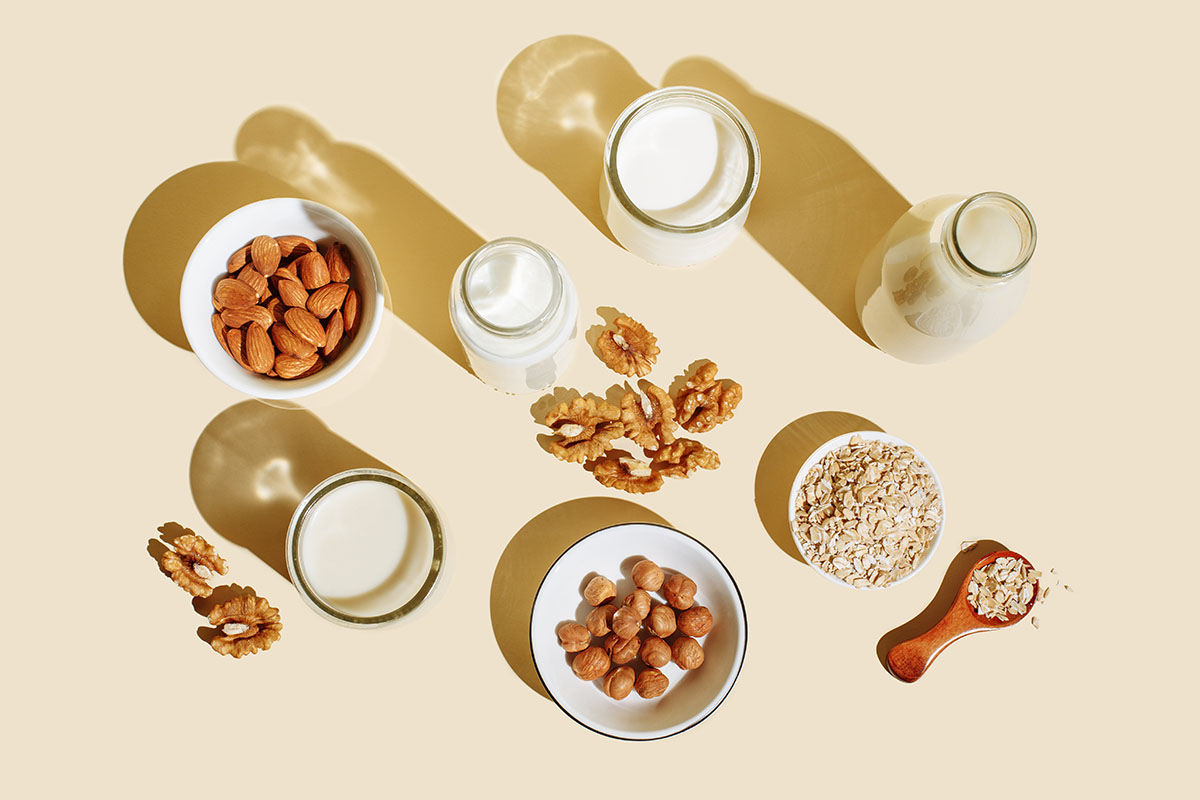
It’s good for bones, given to children to help them grow strong, and it’s the perfect partner to a great bowl of cereal. Milk is a product that provides a great source of calcium and vitamin D to support our bodies and provide them with the micronutrients we need for a balanced diet.
Full-fat milk should be consumed in limited amounts, with a skimmed or low-fat options being preferable if drinking frequently. This will reduce the amount of saturated fats that you’re consuming in each glass.
If drink non-dairy milks, opt for soy milk. These can be bought sweetened or unsweetened and are often fortified to provide a similar volume of calcium that you could expect from a dairy source.

Soft drinks
Soft drinks with added sugar aren’t doing any favours to your teeth. They should be enjoyed as a treat, rather than a way to start each day.
One can of a soft drink, like a cola or ginger beer, can contain 15g of sugar per drink. That may not seem like too much, but adults are recommended to consume no more than 30g of sugar per day, so a soft drink can easily tip you over the limit when combined with the sugars found in food and sweet treats.
Diet, or low or no sugar alternatives, are a great swap, but they’re still worth being cautious about. Sweeteners may be added to these drinks, which can still damage your health if consumed in high volumes. They do provide a similar sweet flavour, however, making them a great alternative to enjoy for people with diabetes who can’t risk a jump in their blood sugar that a standard full-fat drink may cause.
Alcohol
Per gram of pure alcohol in a drink, there are an average of 7 calories. The higher the alcohol content in a drink, the higher the calorie content will be, in addition to sugar content and saturated fats.
One of the easiest ways to limit your consumption of less healthy beverages is to include multiple alcohol-free days every week and alternate alcoholic drinks with water.
Much of the calorific content of a hard drink comes from the alcohol content itself, rather than the sugar or carbohydrates from beer or full-fat mixers. An alcohol-free version of a glass of wine, beer or spirit may be the best way to enjoy your favourite drink without compromising on flavour or nutritional content.
‘We’re seeing a major shift driven by the sober-curious movement and declining sugary soda consumption,’ shares Diana. ‘Consumers want drinks that feel social but functional. Electrolytes are moving from gym bags to desks and co-working fridges, becoming everyday companions rather than niche sports product.’
Fruit juice
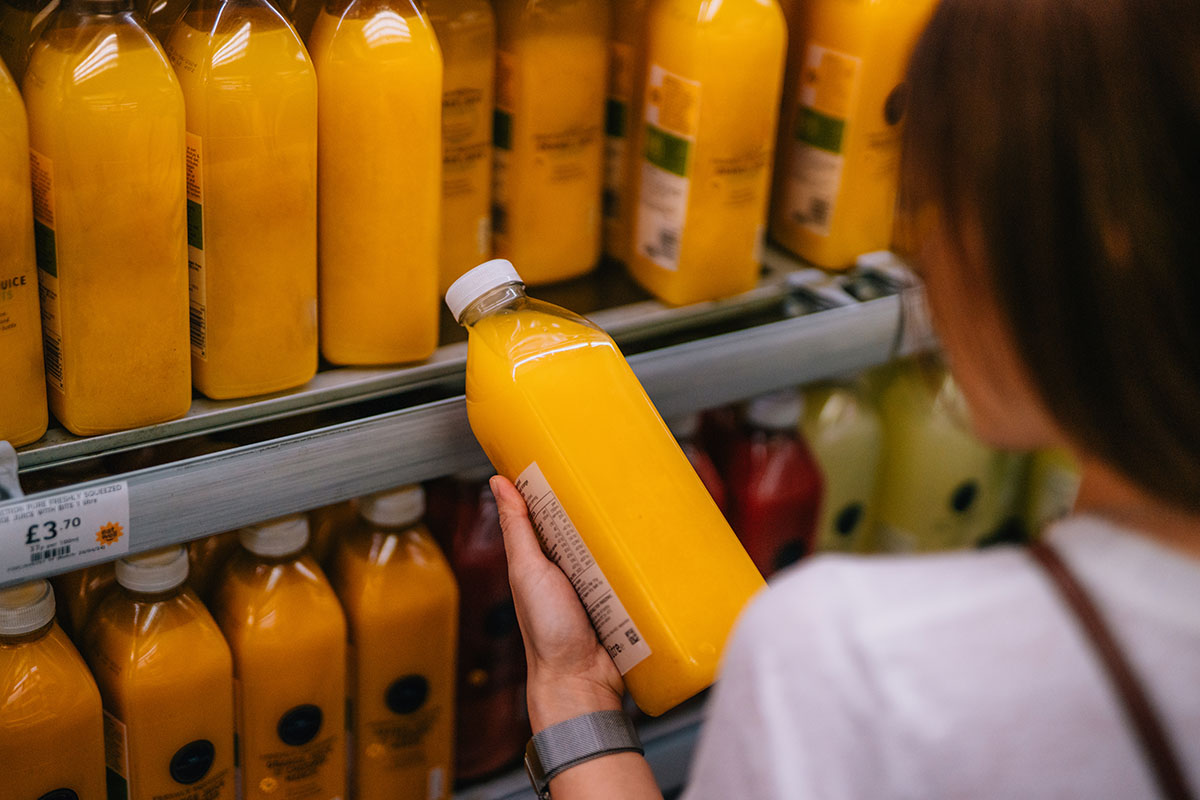
To concentrate or not concentrate, that is the question. Concentrated fruit juices have been filtered to remove all their water, turning fruits into a sugary syrup with most of their fibre and nutrients removed. This is why you feel less full when drinking fruit juice compared to eating the equivalent volume of fruit, as the fibre that would typically fill you up has been removed.
Some brands may add fortified vitamins when water is re-added to the syrup during the packaging process, but this isn’t the same as the natural products that the fruit once had, and they may add in extra sweeteners at the same time.
Juice drinks can also contain high volumes of sugar as they mix different fruits together and often add additional sugar, so low-sugar swaps should be your preferred purchase.
A 100% ‘pure’ fruit juice will not have any additional sugars added to it but be mindful that fruit contains a high volume of natural sugars already, so a small portion of roughly 150ml should be enjoyed at a time. This rule also applies to smoothies, although smoothies and juices can also be fortified with added micronutrients, making them good for you in small amounts!
Your go-to drinks order
Keeping an eye on labels and what exactly goes into our drinks is a lot easier when you’re browsing the aisles of the supermarket, compared to the busy and fast-paced ordering at a pub or bar.
When you’ve got a limited time to flag down a staff member and ask for a drink during a busy service, having a reliable go-to order that you know is lower in sugar and additives can be anxiety-reducing. Here are a few of our favourite drinks to rely on:
Gin and slimline tonic – Slimline tonic reduces the volume of sugar that a standard tonic mixer may provide, without losing out on the citrus flavour. As a mixer, they’re also enjoyed in a smaller portion size, helping you to consume a smaller volume of artificial sweeteners that a slimline or diet drink may still add.
Low-carbohydrate beers – A ‘light’ beer is a beer with reduced carbohydrates, cutting out the volume of calories that each pint brings. A lot of brands offer lighter alternatives, like Coors Light, Beck’s Premier Light and Amstel Light.
Hard seltzer – Yes, alcoholic sparkling water is a bit strange to get your head around when you try it for the first time. But give it a go - it may become your new favourite order, and will result in a less nasty hangover the next morning. They come in a variety of citrus, berry and tropical flavours, and are waiting to be ordered at the bar.
Read more:
