
Tired all the time? This unusual 'fish' could make all the difference
Gaining a medical diagnosis can sometimes be as painful as the condition you’re experiencing itself. It’s filled with long meetings and fruitless (but useful and essential) testing to make sure that you’re okay. The never-ending consultations on what treatment and lifestyle changes you need to make to return to your fit and fighting self can be extremely emotionally draining.
If you’re feeling persistently exhausted and fatigued and can't identify what's causing it, tracking your iron intake could be the health step you need to take.
Iron deficiencies, or as they’re medically defined as iron-deficiency anaemia, impact a large number of us without us even realising. The World Health Organisation is urging us to recognise anaemia as a major public health concern, with an estimated 30% of women aged 15 to 49 experiencing the condition. This figure jumps to 37% of pregnant women, and 40% of all children aged 6-59 months.
Anaemia is a condition that occurs when your body doesn’t produce enough red blood cells, with these cells helping to carry oxygen in our blood throughout our bodies through an element called haemoglobin.
When our bodies don’t absorb enough oxygen, as our haemoglobin concentration is too low, we feel dizzy and weak.
- This supplement will help you age better (and banish brain fog!)
- Do we still need Vitamin D in the summer? Doctor warns the biggest mistake you've been making
What are the impacts of an iron deficiency?
Common symptoms experienced from an iron deficiency include:
- Fatigue and dizziness
- Low energy levels
- Paleness
- Cold hands and body temperature
- Chest pain
- Being short of breath
If you’re pregnant, your body is producing enough blood to support you and your child. As your body is demanding you to produce more blood at a faster rate, you need a nutritional boost to ensure that you’re receiving enough vitamins and nutrients for the both of you.
This is why taking prenatal vitamins during pregnancy is so important, and failing to do can potentially increase your risk of developing an iron deficiency.
Who can get an iron deficiency?
Anybody can experience an iron deficiency anaemia, but the people most frequently impacted include:
- Pregnant women
- Children
- People who menstruate and have heavy periods
If you have an underlying medical condition, including Crohn’s disease or celiac disease, you will also be at a greater risk of experiencing anaemia. This is because your digestive system may struggle to absorb as much iron as it needs.
People on hormonal birth control may be less at risk of anaemia, as these medications are used to lighten menstrual flows. However, if you’re using a non-hormonal birth control that may increase the heaviness of your period, for example, a copper IUD, this can put you at greater risk.
How can a fish help?
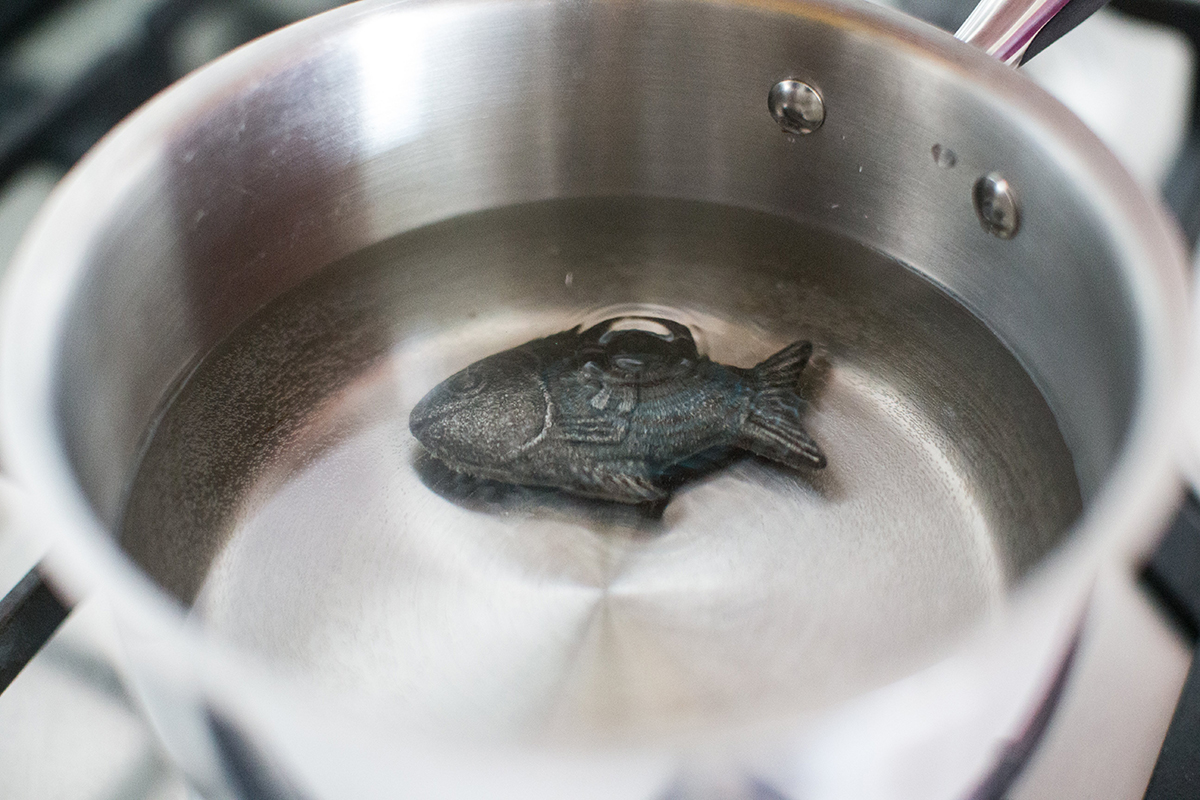
A little iron fish may be the answer you need to combat your risk of anaemia. The Lucky Iron Fish, or Lucky Iron Leaf if you prefer the shape, is a tool that boosts your iron intake without any added metallic flavour.
Shraddha Sekhon, marketing director at the social enterprise Lucky Iron Life, believes that tackling the roots of iron-deficiency anaemia can be the key to eliminating global health inequalities: ‘At Lucky Iron Life, we exist to make improving iron intake easier.
‘It is all too common to experience negative side effects, like nausea, metallic taste, and constipation from traditional iron supplements. While there is a time and a place for iron pills, Lucky Iron Life offers a long-term, clinically-proven and gentle source of iron that allows people to actually enjoy improving their iron levels.
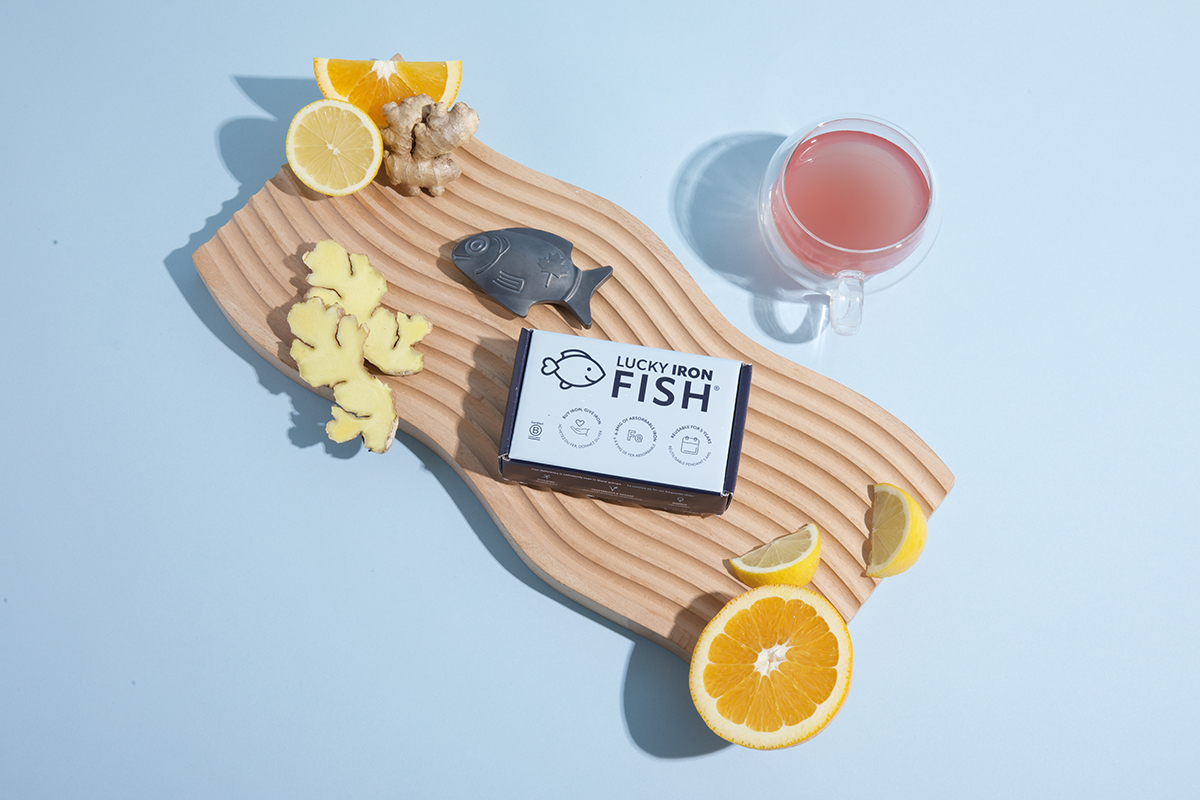
‘All Lucky Iron Life products are clinically-tested, carefully designed to be gentle on the gut, and are made with FDA-approved electrolytic iron that is approved for food fortification worldwide.’
It’s estimated that in 2019, 50 million years of healthy life were lost due to anaemia. When people are experiencing poor nutrition and infections, anaemia thrives and deteriorates our health, worsening our symptoms of exhaustion and fatigue.
The effects of anaemia can cause people to live with a disability and cost the global economy $70 billion every year. With every Iron Fish bought, a portion of the sales helps to tackle poor nutrition in deserving communities across the world.
By adding the fish to boiling water for 10 minutes, 6-8mg of iron is released, which is roughly 50% of your daily iron intake. You can add that water to broths, soups, sauces, or even freeze it to use as ice in a cocktail.
After each use, the fish is cleaned with soap and water and can last up to 5 years. With no side effects caused, and the fish being reusable, vegan and kosher, this sustainable swap might be the solution you're looking for.
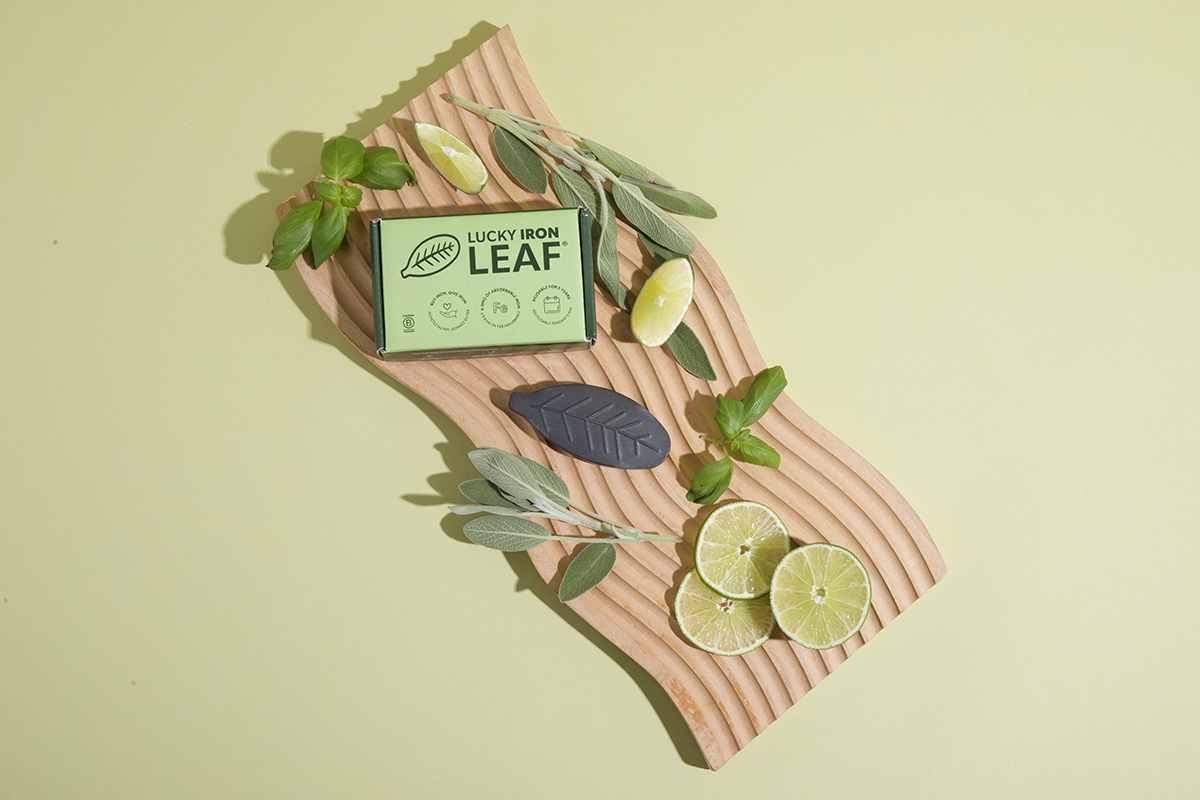
‘Improving iron levels doesn't have to come with metallic taste, constipation, nausea, or any side effects,’ shares Shraddha. ‘With Lucky Iron Life, you can actually enjoy tackling your iron deficiency through your daily diet.
‘If you are someone who cooks regularly, adding in the Lucky Iron Fish or Lucky Iron Leaf to your pot for 10 minutes is a simple and effective way to fortify the whole dish with 6-8mg of iron boost. If you prefer something even simpler, Lucky Iron Daily, our newest product, is a quick scoop-and-stir solution that supplements your favourite beverage with 10mg of iron. So now your smoothies, herbal teas, soups, curries, ice cubes, oats, or even your water can be your source of iron.’
Can a lifestyle change help?
Yes! Making healthy changes to your diet and fitness routine is a great way to protect your long-term health overall, and will leave you with more energy. Some of the best foods that contain high amounts of iron per portion include:
- Fortified breakfast cereals, including Weetabix, bran flakes and granola (18mg)
- Oysters (8mg)
- Canned white beans, including butter beans, cannellini beans and haricot beans (8mg)
- Dark chocolate (7mg)
- Beef (2mg)
If you’re a vegetarian or vegan, adding more foods that naturally contain iron to your diet can help you combat the risk of anaemia. This is important because the body absorbs iron better in meat products compared to plant-based foods. Foods fortified with iron, like tofu, lentils, beans and chickpeas, should be your priority.
While they may not have naturally high levels of iron, food and drinks that are high in vitamin C, such as orange juice, broccoli and strawberries, can help your body absorb more iron.
If you think you have an iron deficiency, it’s worth having a chat with your doctor to make sure that your symptoms aren’t linked to any other health conditions.
‘Women and children are statistically most vulnerable to iron deficiency,’ explains Shraddha. ‘Different lifestyles and life stages also put people at a higher risk for developing an iron deficiency, for example, going through pregnancy or being an athlete would result in the body needing a much higher amount of iron than an average adult.’
‘Symptoms of low iron include feeling lethargic, shortness of breath, pale skin, brittle hair and nails, and even getting sick easily. Many of these symptoms are commonly written off as just an overly busy lifestyle, resulting in it being one of the most underdiagnosed conditions. It is recommended to talk to a healthcare professional who can determine the best plan of action for you.’
Disclaimer: If you are worried about your health and nutrition, seek help from a medical professional. Increasing iron in your diet may not be suitable for everyone.
Read more:
