
Never eat these foods, share nutritionists (and the dangers of not avoiding them)
We’re often told what foods nutritionists recommend we eat, but what we really want to know is – what would they themselves never allow past their lips in a million years?
The responses might surprise you. Here, four nutrition experts share their dietary no-nos.
- A vital nutrient could be missing from your diet - how to correct it by tonight
- This surprising food in your fridge needs to be thrown away today
Karen Murray

Karen Murray, is a nutritional therapist, dietician and founder behind Grá Nutrition. Originally based in Dublin, Ireland and now in London, Karen has helped many clients through a vast array of symptoms and conditions with the healing power of food. Her top three nasties are as follows:
Low-fat or fat-free yoghurts
Yoghurt has so many great health benefits: it's rich in protein and supports gut health, thanks to its probiotics. However, many flavoured yoghurts found in supermarkets, especially those labelled ‘low-fat’ or ‘fat-free’ often compensate for the reduced fat by adding sweeteners, flavourings, and other additives, which negates the benefit of yoghurt.
Fat plays an important role in nutrient absorption and helps keep you feeling full and satisfied. Ditch the low-fat fruit yoghurts and instead go for a full-fat Greek yoghurt and add your own fresh or frozen berry toppings yourself.
Shop-bought smoothies
Many people think they are making the healthy choice by grabbing a shop-bought smoothie. Whilst these drinks often boast a multitude of fruits on the ingredient list, they can also be a sure-fire way to spike your blood sugars and keep your sugar cravings yoyoing all day. When fruit is blended or juiced, the natural sugars are released as ‘free sugars’ which spikes blood sugar levels rapidly. And what goes up must come down, leading to energy slumps and cravings soon after.
The best way to enjoy fruit is in its whole form. Our bodies digest whole fruits more slowly, thanks to the fibre that helps regulate sugar absorption. Grabbing a piece of whole fruit on the go and pairing it with some nuts or a protein source is always my preference over a shop-bought fruit juice or smoothie.
Anything with the word ‘skinny’ on it
Seeing the word ‘skinny’ on a food label just makes me sad. Diet culture and the pressure to make the ‘right choice’ is still deeply embedded in our society. But the truth is, the more we can avoid overly processed snacks and return to real, whole foods, the better it is not only for our physical health but also for our mindset too.
Many of these so-called diet snacks are packed with artificial sweeteners and additives to make up for the lack of fat and sugar. These ingredients can wreak havoc on digestion and often leave us feeling unsatisfied. If you're genuinely craving something sweet, these substitutes rarely hit the spot. As cliché as it may sound, as nutritionist, I aim to follow an 80:20, or sometimes even 70:30, approach: eating nourishing and whole foods most of the time, with the flexibility to have the treats I truly enjoy. So, if I’m in the mood for something sweet, I’d much rather enjoy some real chocolate than a sad little 90-calorie ‘skinny bar’ that only leaves me wanting more. Honestly? You may as well just eat the Dairy Milk.
Clemmie Pellew-Harvey

Nutritionist and author Clemmie Pellew-Harvey is a London-based specialist in child and family nutrition, helping parents raise happy, confident eaters. With over ten years of experience in health and wellness, she has worked with families, high-profile individuals, and private clients in luxury gyms. In addition to low-fat yoghurts, supermarket smoothies and diet foods, she also lists:
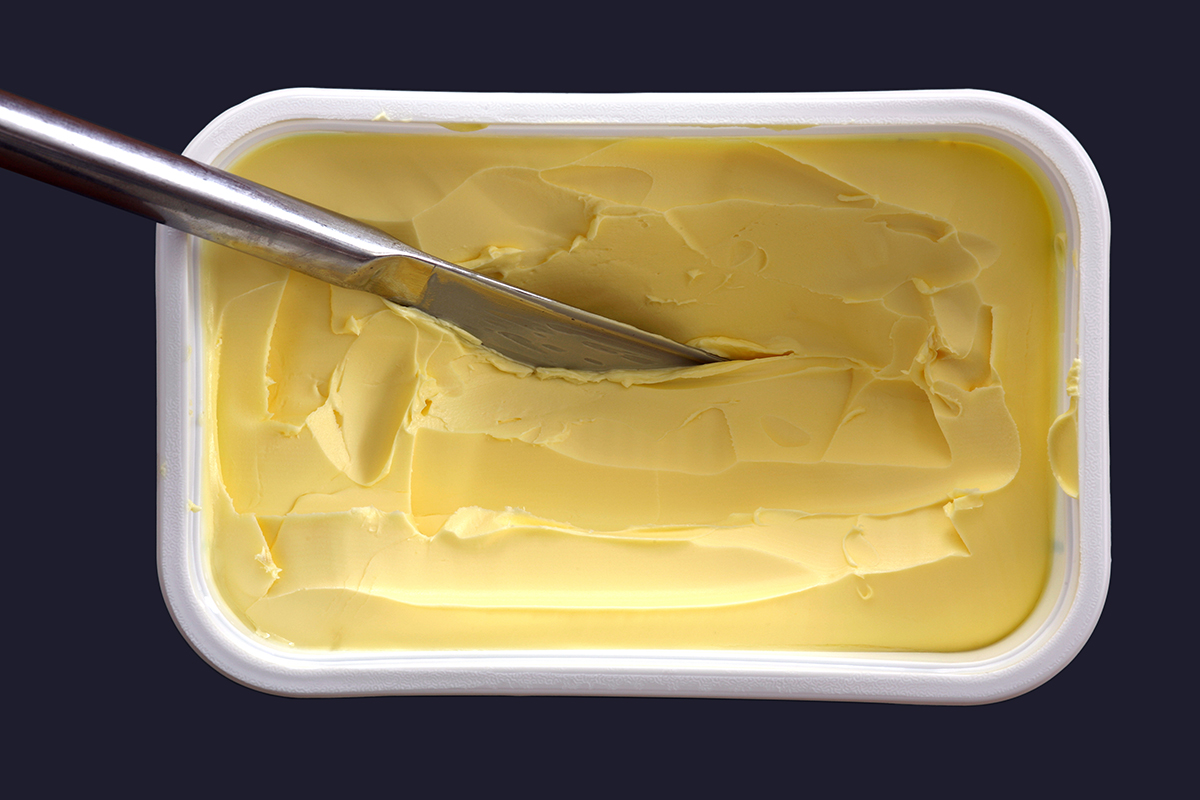
Margarine and vegetable spreads
Many contain trans fats and highly processed oils that can promote inflammation. The hydrogenation process creates compounds our bodies struggle to process. I stick to real butter from grass-fed cows or natural nut butters.
Fizzy drinks (including ‘diet’ versions)
Regular versions are sugar bombs that spike blood glucose, while diet versions contain artificial sweeteners that can affect gut bacteria and potentially increase sugar cravings. I opt for sparkling water with fresh lemon or herbal teas.
The key is reading labels and choosing foods as close to their natural state as possible. Food should nourish us, not work against our health goals!
Melissa Snover

Melissa Snover, is the founder and CEO of Nourished, a registered nutritionist and an award-winning entrepreneur. With Nourished, she has created the world’s first 3D-printed personalised gummy stacks, demonstrating her innovative approach to consumer-centric product development and her commitment to a better life through science. Nourished was awarded the King’s Award for Innovation in 2023. As well as fruit juices and smoothies, Melissa finds the following particularly hard to swallow:
Most granola bars and granola cereals
These are often marketed as healthy options but often contain more sugar and calories than candy and chocolate. I try to avoid highly processed foods that are rich in refined carbohydrates, industrial seed oils, preservatives and artificial additives. Increasing evidence suggests that such foods can disrupt gut health, promote inflammation and negatively impact metabolic wellbeing over time.
Low-quality supplements and relying solely on food for micronutrients
Although I prioritise a balanced diet, modern, fast-paced lifestyles can make it difficult to consistently meet all of the body’s nutritional needs through food alone. Irregular eating patterns, travel, stress and other factors can all contribute to gaps in key nutrients over time. This is where high-quality supplementation can play an important role.
However, it’s important to select products carefully. For example, many gummy vitamins on the market contain added sugars or artificial ingredients, which can undermine their intended health benefits. At Nourished, our personalised stacks and targeted product ranges are sugar-free and formulated with high-impact ingredients to support a wide range of goals and lifestyles, helping individuals maintain optimal health in the context of their everyday lives.
Dr Deborah Lee

Dr Deborah Lee at Dr Fox Online Pharmacy is a GP, Sexual and Reproductive Health and a Menopause specialist with a special interest in diet and nutrition. Her aim as a nutritionist is to live a long as long and healthy life as possible. ‘This means being healthy and staying healthy – and hopefully with a disability-free old age,’ she says. ‘'You are what you eat' – never was a truer word spoken. So, to achieve my aim, it's imperative I only have the right foods in my kitchen. Plus, that I do not purchase the wrong foods – which are often tantalising and tempting to be sure! – to lead me astray.’ Here are her no-gos:
Processed red meat
I am not a fan of processed red meat. This is any red meat that has been salted, cured or smoked, for example, bacon, salami, ham, sausages, pepperoni and hot dogs. Many long-term, prospective studies have confirmed that regularly eating red processed meat increases the risk of medical conditions such as heart disease, type-2 diabetes and some types of cancer, notably bowel cancer, as well as increasing all-cause mortality.
In this 2021 study, eating an extra 50g of red meat per day increased the risk of heart disease by 18%. This did not apply to people eating chicken and turkey.
The reason is because of the high saturated fat and high salt content of red meat. Saturated fat in the diet raises cholesterol which causes atheroma – the formation of fatty plaques in the arteries. Atherosclerosis is the main underlying cause of cardiovascular disease – heart attacks, strokes and peripheral arterial disease. Eating too much salt results in high blood pressure.
In addition, red meat also contains chemicals called nitrosamines, which are produced during cooking and are carcinogenic.

Any food containing trans fats
This is a sad fact – foods containing trans fats are a big No, No. What are trans fats? Trans fats are produced by heating vegetable oils to a high temperature and adding hydrogen molecules. This makes a liquid oil into a solid at room temperature. Foods that are high in trans fats include not just margarine, but shortening, cakes, doughnuts, pastries, cookies, ice cream, bread and fast food.
What does it do to you? Eating trans fats raises LDL (bad) cholesterol and lowers HDL (good) cholesterol. The more you reach for these unhealthy foods, the worse your heart disease risk is going to be. Try and eat as little trans fats and saturated fats as possible. Eat healthy unsaturated fats instead – such as olive, sunflower, rapeseed or avocado oil instead.
Breakfast cereals with added sugar
The majority of breakfast cereals contain way too much sugar. This was confirmed in a 2023 survey from Action on Sugar. Some cereals contained the equivalent of 4 teaspoons of sugar per serving – that's more than one-third of the total daily sugar intake recommended for a 4-6-year-old in just one bowl! Nestle, Lidl and Aldi had the highest sugar content on average. Many cereals were also high in salt. Clever marketing means these cereals all have colourful boxes designed to appeal to children.
Around 15% of UK children aged 2-15 and 64% of UK adults are overweight or obese. 1 in 4 UK children currently have dental caries. Obesity in children is associated with an increased risk of heart disease, type-2 diabetes and cancer in adult life. We need to address the obesity crisis for both children and adults and regard this as a public health emergency.
Preventing children from eating unhealthy and unnecessary amounts of sugar has to be part of the solution. Swap sugary cereals for whole grains such as porridge, which is filling, highly nutritious and full of health-giving dietary fibre. Do not sweeten porridge with sugar. Add chopped fruit, vanilla extract, nuts and seeds instead of extra sugar, and if you still need to sweeten it, use honey.
Artificial sweeteners (AS)
AS are substances which taste sweet but have far fewer calories than ordinary sugar. Although AS are often used by people obese or overweight when trying to lose weight, their success has not been substantiated in many medical studies. One of the reasons may be that AS causes changes to the gut microbiome. Gut bacteria play a vital role in glucose metabolism, including insulin sensitivity, hunger and systemic inflammation. AS have been shown to alter levels of HbA1C (glycosylated haemoglobin). They can also affect gastrointestinal motility and transport. Moreover, some studies have linked the use of aspartame to migraine and headaches. Recent research has shown an increased risk of heart attack and stroke in AS users.
If you need to sweeten food, use Stevia, a natural sweetener which is made from the leaves of Stevia rebaudiana, a South American plant. Alternatively, use maple syrup or honey.
White shop-bought bread
White supermarket bread is one of the worst dietary choices you can make. It's high in salt and sugar and made from white refined grains. One slice of average supermarket white bread contains 1.4 g of sugar. Eating a few slices, especially covered in butter and jam will cause a considerable insulin spike and lead to carbohydrate cravings.
In comparison, one slice of sourdough bread contains no sugar at all! Sourdough is made from whole wheat – unrefined – grains so is high in protein and fibre, not to mention the fact sourdough is considered a prebiotic and causes positive changes to your gut microbiome. Always choose whole grain or sourdough instead and if you can, make your own.
Canned tuna
We should avoid canned tuna because of concerns over mercury toxicity. Mercury can cause neurological symptoms such as poor coordination and difficulty walking. In pregnancy, mercury can retard brain development of the fetus.
All fish contain mercury, but it is particularly prevalent in tuna. This is because the big fish eat smaller fish so those at the top of the food chain contain the highest amounts of mercury. All major brands of tuna will contain some mercury. The mercury level will vary from tin to tin.
The Food Standards Agency says that tinned tuna is safe to eat. However, the NHS recommends a maximum of 4 tins of tuna per week in pregnancy, or 2 x 140 g fresh tuna steaks.
The other big reason not to eat tinned tuna is because when tuna fishing, many companies accidentally catch dolphins which are killed or injured. Unfortunately, the dolphin-friendly labels on the tuna cans are not trustworthy and shoppers are regularly being defrauded.
Energy drinks
For so many reasons, I would urge anyone reading this not to buy energy drinks and not to give them to their children. Starting to drink these energy drinks in childhood is setting them off on a slippery slope. Energy drinks are linked to obesity, dental caries, depression and anxiety along with an increased risk of smoking, vaping, alcohol and drugs.
The key ingredient of an energy drink is caffeine - a known psychoactive stimulant. The NHS and the Royal College of Paediatricians have clearly stated that energy drinks should not be sold to children aged 16 and under, and should not be given to children aged 12 and under. One 16 oz energy drink may contain up to 240 mg of caffeine – far more than a can of Cola or a cup of coffee which contains 35 mg and 100 mg of caffeine respectively.
Energy drinks often contain ingredients such as guarana (which also contains caffeine), sugars, taurine, ginseng, B vitamins, glucuronolactone, Yohimbe, carnitine, and bitter orange. One energy drink may contain 14 - 17 teaspoons of sugar! Adults and children aged 7 and above should not have more than 6g (one and a half teaspoons) of sugar per day, so this is nearly 3 times the daily sugar allowance in just one drink!
In ‘The Dark Side of Energy Drinks’ a 2023 paper in the journal Nutrients, the authors cited cases of acute pancreatitis, hepatitis, kidney failure and kidney injury from energy drinks. They suggested one of the reasons for this might be the high dose of vitamin B3 (niacin) in energy drinks which is hepatotoxic.
Buttery popcorn
Now I’m going to dish the dirt on popcorn! In recent years, there have been growing concerns about the compound diacetyl (DA), proper name butane-2,3-dione, and a possible association with Alzheimer’s Disease. DA is used to give popcorn its buttery taste and is also found in natural products, for example, in sour cream and buttermilk. It’s also found in potato chips, Crackers, Corn chips, Butter, butter spray oils, and anything labelled as having ‘ a buttery taste’.
DA is not only ingested in foods, but it is volatile, meaning it produces an aroma – this is the well-known buttery popcorn smell when you microwave, or ping open a bag of popcorn.
A study in 2012 in Chemical Research and Toxicology, reported that DA is toxic to brain neurons and has the potential to cause long-term neurological damage. Scientists demonstrated that DA was able to cross the blood-brain barrier. They then observed DA accelerated the clumping of B amyloid proteins - a characteristic pathological finding of Alzheimer's disease. DA also inhibited the enzyme glyoxalase 1, a key enzyme involved in detoxification and clearance of beta-amyloid from the brain.
DA has been linked in the past to the lung condition bronchiolitis obliterans – also known as 'popcorn lung' because it was first identified in workers in a popcorn factory.
Foraged mushrooms
Following the recent cases of fatal food poisoning in Australia from eating Death Cap mushrooms, I personally, would never eat foraged mushrooms. You might be surprised to hear that Death Cap mushrooms grow in the UK, under Oak and Pine trees and are common in the New Forest. The mushroom can be hard to recognise especially in the early stages of growth when it resembles a button mushroom.
The Death Cap mushroom contains the poison, amanitin. Just eating half a cap full is enough to kill you. Around 100 people die every year around the world, from eating Death Cap mushrooms, many of them in China. It’s likely these figures are an underestimate.
Amanitin inhibits the enzyme RNA polymerase, a vital enzyme needed for cell growth and replication. Amanitin is highly toxic to the liver and kidney causing liver and kidney failure. Symptoms start within a few hours of eating the mushrooms. Initially, these are gastrointestinal symptoms with nausea, vomiting, diarrhoea and abdominal pain, which then progresses to seizures, coma and death. There is no effective antidote. Supportive treatment is given. The only effective solution is a liver transplant.
I would stick to shop-bought mushrooms which are grown in a controlled environment and subject to quality checks to ensure they are safe.
Live lizards!
On the back of the recent report recommending eating live lizards to improve erectile dysfunction (ED), I would absolutely never recommend this!
Firstly, I can hardly think of anything more revolting than eating a raw lizard. It’s important to realise that an iguana should be well-cooked, and eating raw iguanas is not recommended as they carry bacteria that cause gastroenteritis, such as Salmonella, E.coli, Campylobacter and Staph. Aureus.
A study in the International Journal of Food Biology reported that eating reptiles such as lizards increased the risk of trichinosis (flatworms), pentastomiasis (a parasitic disease) and sparganosis (another worm disease). Reptiles are often contaminated with heavy metals.
For the best advice for ED, a man should eat a balanced, nutritious diet, such as the Mediterranean Diet. This means eating large quantities of lean protein (chicken, fish and shellfish, lean red meat, tofu and eggs), along with unsaturated fats (olive oil), whole grains (brown bread, rice and pasta) and copious amounts of fruit and veg which contain health-giving antioxidants. In a recent 2023 study, significant improvements in testosterone levels and sperm fragmentation were seen in men who followed a low-carb Mediterranean Diet for 3 months.
ED drugs such as sildenafil (Viagra) and the other related options, have transformed the lives of many men suffering from ED. Overall, around 70% of men treated with these drugs report success. There are four types – sildenafil (Viagra), tadalafil (Cialis), vardenafil (Levitra or Staxyn) and avanafil (Stendra) – each of which has slightly different rules for how to take it, how long it lasts, what to expect etc ...
Read more:

