
Foods with the ‘Ozempic effect’ that trigger weight loss naturally
It’s impossible to avoid the weight loss drug conversation right now. Semaglutide and tirzepatide injections are the current go-to diet solution, with brand names like Ozempic, Wegovy, Mounjaro and Zepbound making headlines for their striking results amongst celebrities, social media influencers and the rich and powerful – and now, us mere mortals, too.
While Ozempic and Wegovy mimic a hormone called glucagon-like peptide-1 (GLP-1) with their active ingredient semaglutide targeting areas of the brain that regulate appetite, Mounjaro and Zepbound are tirzepatide-based and additionally interact with GIP receptors, which are a type of hunger hormone receptor, to manage blood sugar. That’s why many of these drugs were initially developed for those living with diabetes (Ozempic and Mounjaro are approved to treat type 2 diabetes, while Wegovy and Zepbound were developed for chronic weight management).
- Health expert reveals the surprising drink you should avoid (and what you can swap it for)
- You could be vitamin deficient and not know it, warns doctor. This is how you find out
GP and senior Clinical Advisor at The Independent Pharmacy, Dr Donald Grant says, ’GLP-1 agonists are essential in managing blood sugar levels, particularly for those with type 2 diabetes and individuals working to treat obesity. They mimic the hormone released naturally in the stomach when you eat. This stimulation supports the body’s production of insulin and reduces the glucose output from the liver. Crucially, they also help regulate appetite, which can prevent overeating and support healthy weight management.’
Superintendent pharmacist at pharmica.co.uk Ana Carolina Goncalves specialises in weight loss treatment. She says, ‘In some countries, Ozempic is approved to be prescribed off-label for weight management for individuals that meet certain BMI and health requirements. However, Ozempic is not yet licensed as a weight loss treatment in the UK – although it contains the same active ingredient (semaglutide) as Wegovy, which is a licensed and approved weight loss treatment in the UK.’
These drugs not only decrease appetite, but they slow down your system, so you feel less hungry and therefore eat less. Because of that they can cause some rather undesirable gastrointestinal side effects. There are other side effects too, such as pancreatitis, blurred vision and even thyroid cancers, which may give you second thoughts about trying them. Not to mention that some of these drugs are in short supply or hard to get hold of on prescription if they aren’t licensed for weight-loss use in your particular country. So maybe it’s worth looking to diet instead to see if there’s anything we can be substituting in our meals for that Ozempic effect.
Nutritionist Alison Bladh says, ‘While no food can match the pharmacological potency of GLP-1 receptor agonists such as Ozempic, research shows that certain foods and nutrients can stimulate the body's own GLP-1 production or engage similar biological pathways. These foods can help reduce appetite, slow digestion, improve blood sugar regulation and support weight control when used consistently as part of a balanced diet.’

Emily Lenoir, Registered Associate Nutritionist (AfN) & Behaviour Change Coach, at Voy, the UK's leading medicated weight loss programme adds, ‘While certain foods can support your appetite hormones in helpful ways, they don’t come close to replicating the effects of medications like Ozempic. GLP-1 naturally increases after we eat, but only for a short time before it’s quickly broken down. By contrast, Ozempic is formulated to keep GLP-1 receptors switched on for much longer, meaning it has a far more powerful and long-lasting effect on hunger and fullness. So, while food absolutely plays a role in how we feel after eating, it’s not a like-for-like substitute. And even GLP-1 medications themselves work best alongside balanced eating, movement and self-care – they’re a support, not a magic fix.
‘That said, there’s plenty we can do with food and lifestyle to work with, not against, our body’s natural appetite signals. Prioritising protein in meals (think: eggs, fish, legumes, yoghurt) helps us feel fuller for longer by boosting satiety hormones like GLP-1 and PYY. Including some healthy fats and fibre, such as avocado, oats, beans or veg, slows digestion and keeps blood sugar stable, which can really help reduce that mid-afternoon energy dip or mindless snacking later on. These foods don’t ‘switch off’ hunger in the way a medication might – but they can help us tune back into what comfortable fullness feels like.’
Here's what the experts recommend:
1. High fibre grains and beta-glucans
Barley, oats, whole wheat, mushrooms
‘One of the positive effects that semaglutide has on the body is that it slows gastric emptying, which is the rate at which the digestive system processes food and absorbs important nutrients, making the body feel fuller,’ says Goncalves. ‘It is possible to replicate this by eating foods like oats and barley, for example by having porridge for breakfast, as it will increase the viscosity of food in the stomach and prolong the digestive process, slowing gastric emptying as a result.’
‘A gradual breakdown of food helps release glucose steadily, supporting more stable blood sugar levels and triggering GLP-1 production,’ says Dr Grant. ‘In addition, the interaction between high-fibre grains and gut bacteria produces short-chain fatty acids (SCFAs), which further stimulate GLP-1 release and contribute to better blood sugar management.’
Bladh adds, ‘Foods high in beta-glucans such as oats, barley and mushrooms are particularly effective. These fibres form a gel in the gut, helping to stabilise blood glucose levels and prolong satiety after meals.’

2. Protein-rich foods
Eggs, Greek yoghurt, lentils, meats, fish
Hannah Trueman, Dietetic Medicine Specialist and Lead Nutritionist at My Body Fabulous says, ‘Protein-rich foods help increase satiety hormones and reduce hunger, mimicking the appetite-regulating effect of GLP-1.’
Dr Grant adds, ‘Eggs are an excellent source of protein and monounsaturated fats, both of which play a significant role in stimulating GLP-1 release, particularly from egg whites. The high protein content also promotes satiety, helping to regulate appetite and support weight management. Incorporating eggs into meals can contribute to a feeling of fullness, making them a valuable part of a balanced diet.’
‘Protein plays a key role in stimulating satiety hormones including GLP-1, peptide YY (PYY)
and cholecystokinin (CCK),’ says Blahd. ‘Whey protein is particularly potent, but high-protein whole foods like eggs, Greek yoghurt, cottage cheese, poultry, tempeh, tofu and legumes also help reduce appetite and support stable blood sugar.’
3. Fermented food and prebiotic fibres
Kimchi, kefir, miso, tempeh, sauerkraut, onions, oats, garlic, leeks, asparagus, bananas (especially slightly green), peaches, chia seeds
‘A well-nourished gut microbiome supports GLP-1 production and appetite regulation,’ says Blahd. ‘Fermented foods can enhance gut health, while prebiotic-rich foods like garlic, leeks, onions and asparagus help feed beneficial bacteria that influence hormone release. In addition, when soaked, chia seeds swell and create a gel-like consistency in the stomach, promoting physical fullness. Their soluble fibre also supports gut fermentation and GLP-1 release.’
4. Healthy fats, especially those that contain oleic acid
Avocados, nuts, olive oil
Healthy fats slow gastric emptying and help keep you fuller for longer. ‘Monounsaturated fats like those found in olive oil, avocados, almonds and macadamia nuts have been shown to promote GLP-1 secretion,’ says Blahd. ‘Including these fats, especially those rich in oleic acid, in meals helps slow digestion, promote fullness and regulate blood sugar, all of which contribute to reduced appetite and improved metabolic health.’

Dr Grant breaks it down further: ‘Avocados are rich in monounsaturated fats, which help stimulate GLP-1 release. They also contain high levels of fibre, aiding in the slow digestion of food and the regulation of blood sugar levels. Including avocado in your meals can also trigger the release of appetite-regulating hormones like peptide YY, promoting a feeling of fullness and supporting healthy eating habits for weight loss.
‘Nuts such as pistachios, almonds, and peanuts are packed with protein, healthy fats, and fibre, all of which can help boost GLP-1 levels. The fats in nuts also improve insulin sensitivity, further supporting GLP-1 production and better blood sugar control. Including a variety of nuts in your diet can be an easy and delicious way to support your overall health.
‘Olive oil, a key component of the Mediterranean diet, is rich in unsaturated fats that stimulate GLP-1 release. Research suggests that incorporating olive oil into your daily diet can help improve glucose metabolism and enhance insulin production, contributing to better blood sugar regulation. Olive oil’s health benefits are a key reason why the Mediterranean diet is regarded as one of the healthiest dietary patterns worldwide.’
5. Vinegar and acidic foods
Apple cider vinegar, pickles, lemon juice on salads or in water
‘Vinegar before meals may blunt post-meal glucose spikes and reduce appetite,’ says Trueman. Blahd adds, ‘Apple cider vinegar contains acetic acid, which can delay gastric emptying and may modestly elevate GLP-1 levels, helping reduce appetite when taken with meals.’
6. Dark, leafy greens and bitter foods
Rocket, chicory, Brussels sprouts, broccoli
‘Vegetables, particularly leafy greens like Brussels sprouts and broccoli, are powerful sources of nutrients that can impact GLP-1 levels and glucose regulation within just an hour of eating,’ says Dr Grant. ‘These nutrient-packed vegetables, rich in vitamins and minerals, are essential for maintaining balanced blood sugar levels and supporting overall health. Regularly adding a generous portion of vegetables to meals can provide significant benefits for long-term health.’
‘Targeting foods that contain antioxidants, such as leafy greens, berries and apples, can also be beneficial for weight management,’ says Goncalves. ‘Antioxidants help the body regulate its insulin levels, reducing the spike in blood sugar that comes with eating a large amount of food in one sitting. As a result, the body is able to store fat better and more efficiently, reducing the likelihood of weight gain.’
‘Interestingly, bitter foods (like rocket or bitter melon) seem to activate gut receptors linked to appetite regulation,’ says Lenoir. ‘While these effects are subtle, they’re part of the bigger picture of how small, consistent choices add up to improved satiety, better energy, and greater confidence around food.’

7. Polyphenol-rich foods
Berries, green tea, dark chocolate, red cabbage, turmeric, garlic
‘There’s exciting research into plant-based compounds like flavonoids (found in berries, citrus, cocoa and green tea, which may gently support GLP-1 activity),’ says Lenoir.
‘Green tea is naturally rich in catechins and a small amount of caffeine, which together may help modestly suppress appetite and stimulate fat oxidation,’ adds Blahd.
8. Resistant starch
Green bananas, cooked and cooled potatoes, lentils, black beans, pearl barley
‘Resistant starch resists digestion and ferments in the large intestine, producing short-chain fatty acids that stimulate GLP-1 release,’ says Blahd. ‘These foods also help improve insulin sensitivity and curb hunger throughout the day.’
‘Ultimately, a balanced, fibre-rich, protein-focused diet with plenty of healthy fats, alongside stabilising blood sugar, is key to supporting the body’s natural appetite-regulating pathways,’ says Trueman. ‘That said, while dietary strategies can be powerful, their effects are typically more gradual and less pronounced than pharmaceutical interventions. Lifestyle factors like stress and poor sleep also play a major role, as they can disrupt blood sugar control and hormone signalling, potentially complicating weight loss.’
Blahd says, ‘While these foods are not substitutes for GLP-1 medications, they offer a natural, sustainable way to engage similar appetite-regulating mechanisms in the body. Including a variety of high-fibre, protein-rich, healthy fat-containing and gut-supportive foods can support long-term metabolic health and help manage hunger in a way that complements medical or lifestyle interventions.’
Lenoir says, ‘There’s no one ‘superfood’ or shortcut, but building regular habits like eating balanced meals, staying active, managing stress and getting enough sleep really does move the needle over time. If you're aiming for long-term appetite control and weight loss, it's not about chasing the Ozempic effect, it's about finding what helps you feel your best, consistently.’

Chew, chew!
Dr Steven ‘Dr D’ Davidowitz is a leading cosmetic dentist in New York and the founder of Luxury Dentistry NYC. He says eating more mindfully can gave huge benefits for weight-loss
While medications like Ozempic work on hormonal pathways to regulate appetite, there are interesting overlaps between appetite control and oral health that don’t get much attention. What and how we eat affects not just satiety but also the mouth’s environment – which in turn can influence eating.
One example is chewing. Taking time to chew food thoroughly activates satiety signals in the brain. It slows eating, extends mealtimes, and gives hormones like GLP-1 and peptide YY more time to rise – these are the same hormones Ozempic works on pharmacologically. From a dental standpoint, chewing properly also reduces wear on teeth and supports healthy jaw function. Foods that naturally take longer to chew – like roasted chickpeas, raw fennel, or edamame – can help people feel full sooner while supporting enamel through increased saliva flow.
Another layer is oral texture and temperature. Cold, firm foods like kohlrabi slices or lightly blanched green beans require more effort to break down, which increases oral satisfaction and may reduce the urge to keep eating. Smooth, hyper-processed textures (think crackers or white bread) go down too quickly, spike blood sugar, and increase the likelihood of follow-up snacking – not great for appetite or for teeth.
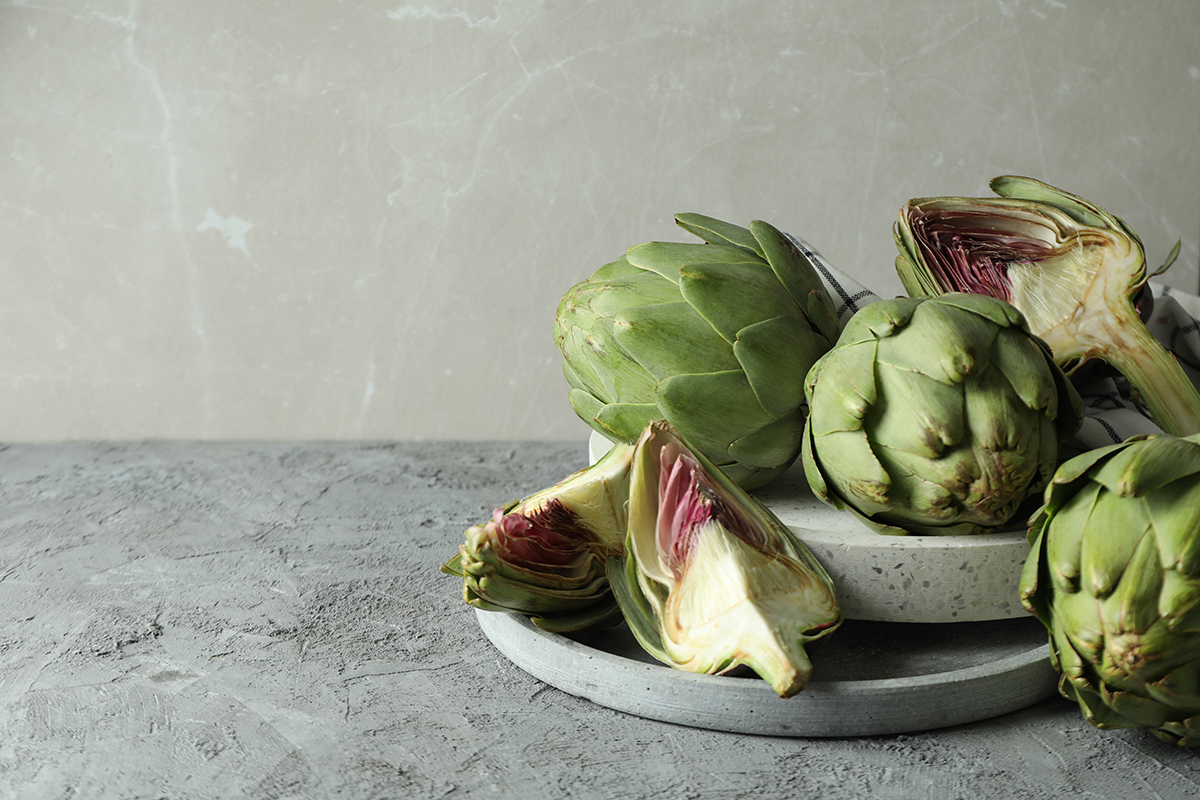
From a microbiome perspective, fibrous foods like artichokes, leeks, or Jerusalem artichokes feed beneficial gut and oral bacteria. That balance can influence satiety and reduce cravings. There’s also some early evidence that oral bacteria may play a role in how we perceive hunger and sweetness, though more research is still needed.
Cinnamon and vinegar-based foods (like pickled vegetables or even a drizzle of apple cider vinegar before a meal) have been shown to blunt post-meal glucose spikes. While these don’t suppress appetite in a direct sense, they support a more stable energy curve – and less reactive eating tends to mean less frequent snacking. From a dental point of view, these options are also low in sugar and acid, especially when rinsed with water after eating.
The main takeaway is that foods that require chewing, support the oral microbiome, and regulate blood sugar tend to echo some of the same downstream effects as Ozempic. While they don’t replace medication, they align well with healthier oral environments and a steadier pattern of intake. And that’s a win for both teeth and appetite.
Read more:


