10 surprising superfoods that will give your health a natural boost (and you've probably never heard of them)
Make every meal a health boost with the secret ingredients that those in-the-know are adding to their diets.
These unusual superfoods are packed with health-promoting properties that make them superior to other foods on your plate.
They may be overflowing with vitamins and minerals, or full of antioxidants, healthy fats and fibre. Some are associated with specific health benefits, such as boosting the immune system or supporting heart health, while others contribute to general wellbeing.
So, if you don’t know your camu camu from your cordyceps, read on for the 10 superfoods that you need to try today.
- Struggling to sleep? These everyday foods and drinks are the answer
- This caffeine alternative may cut your dementia risk
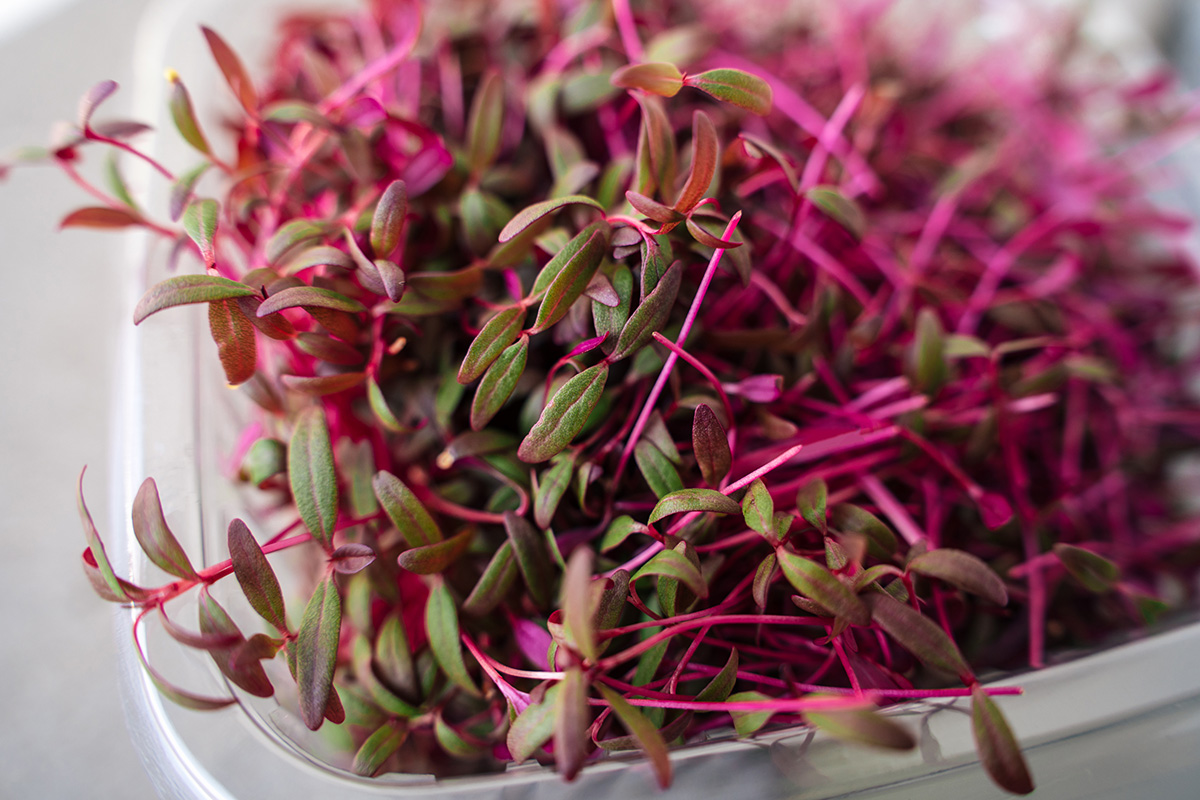
1. Amaranth
What is it? A plant that can be eaten as a leafy vegetable but is best known for its seeds.
Why is it good for you? Not only is amaranth a complete protein source (meaning it contains the nine essential amino acids), but it’s also high in fibre, minerals and antioxidants. Studies suggest it may help to ease inflammation and lower cholesterol.
How to eat it Boil it in water, just like grains such as quinoa, or pop it like popcorn. It’s ideal as the base for a buddha bowl or salad. The leaves can be used as a substitute for kale or other greens.
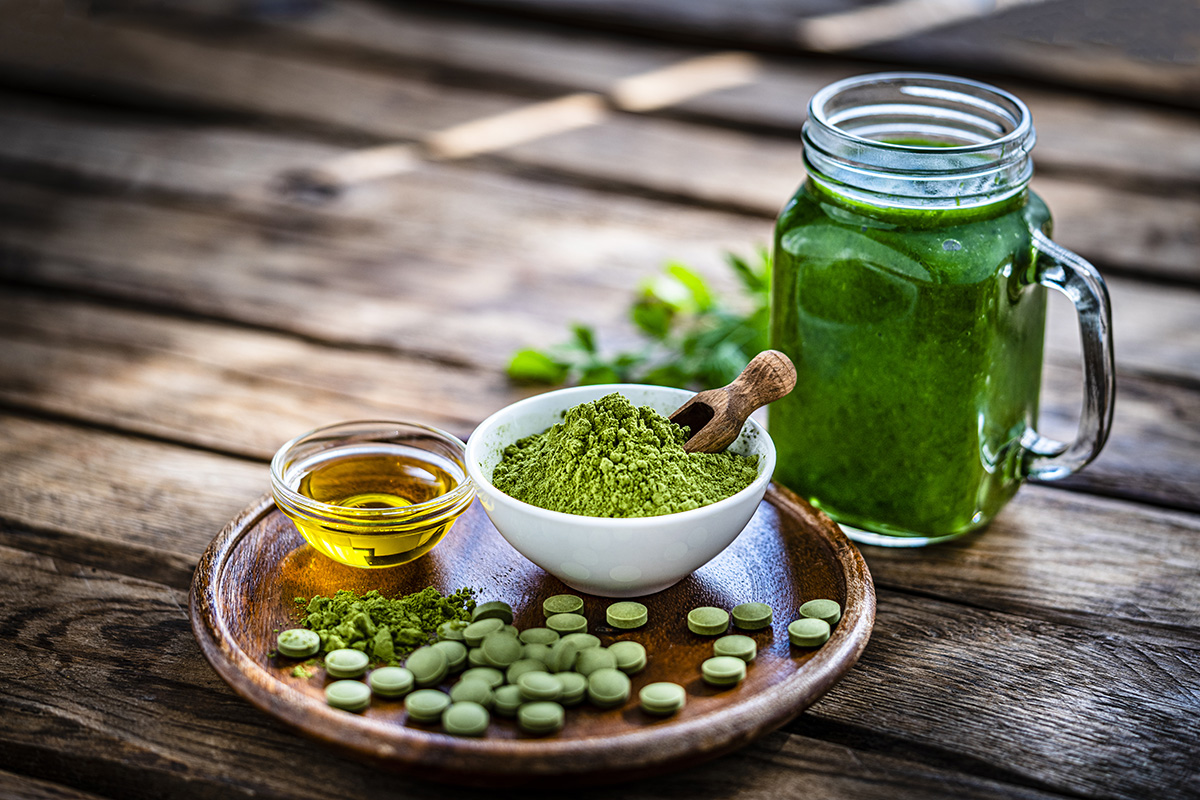
2. Moringa
What is it? A tree that’s grown for its seeds, fruit pods, roots and leaves.
Why is it good for you? Called the “miracle tree” or “nature’s multivitamin”, moringa has long been used in traditional medicine to prevent malnutrition. It’s rich in vitamins, minerals and protein, and has strong antioxidant properties.
How to eat it Moringa leaves are typically sold in powdered form, and can be added to smoothies and shakes or sprinkled on savoury dishes (it tastes a bit like spinach). You can also use moringa seed oil as a cooking oil.
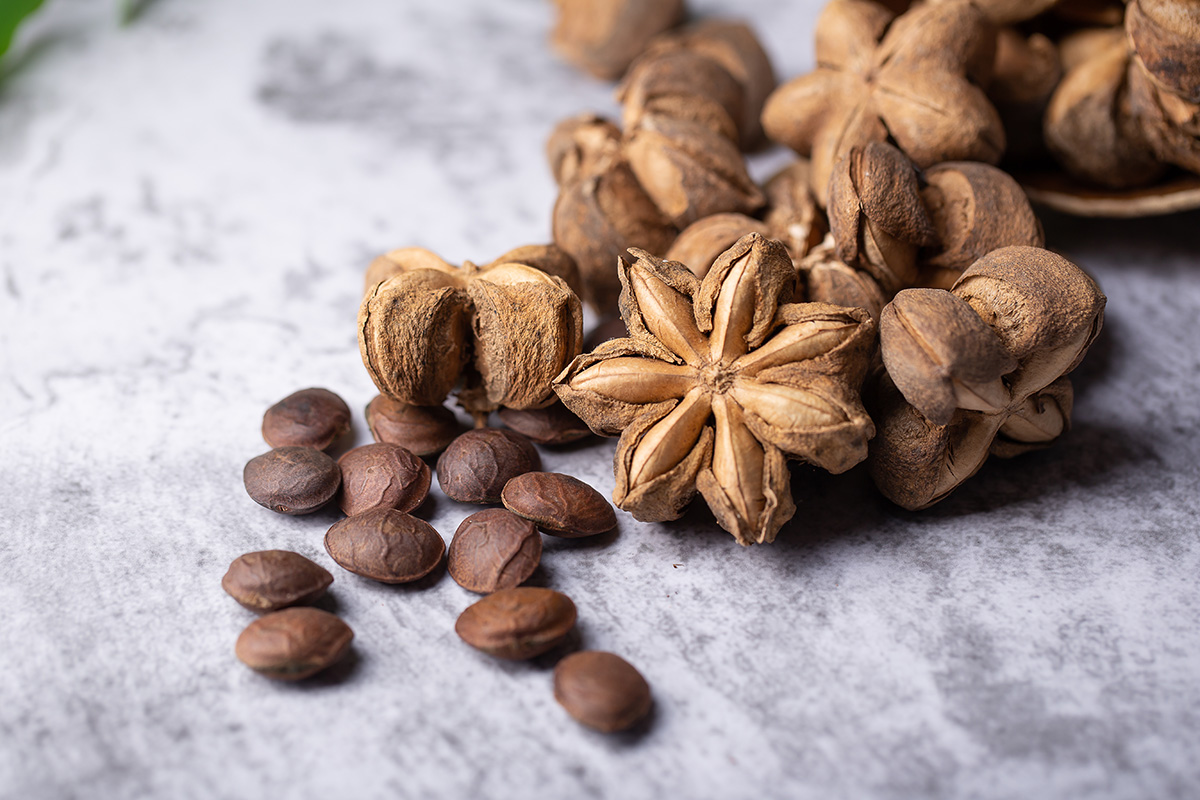
3. Sacha Inchi
What is it? The “Inca peanut”, a Peruvian plant with distinctive star-shaped seed pods.
Why is it good for you? The seeds are very high in omega fatty acids, which support heart health and brain function, and can help reduce the risk of inflammation-related diseases.
How to eat it Sacha Inchi seeds need roasting to make them safe to eat. Once cooked they make a great snack or a crunchy topping for sweet and savoury meals.
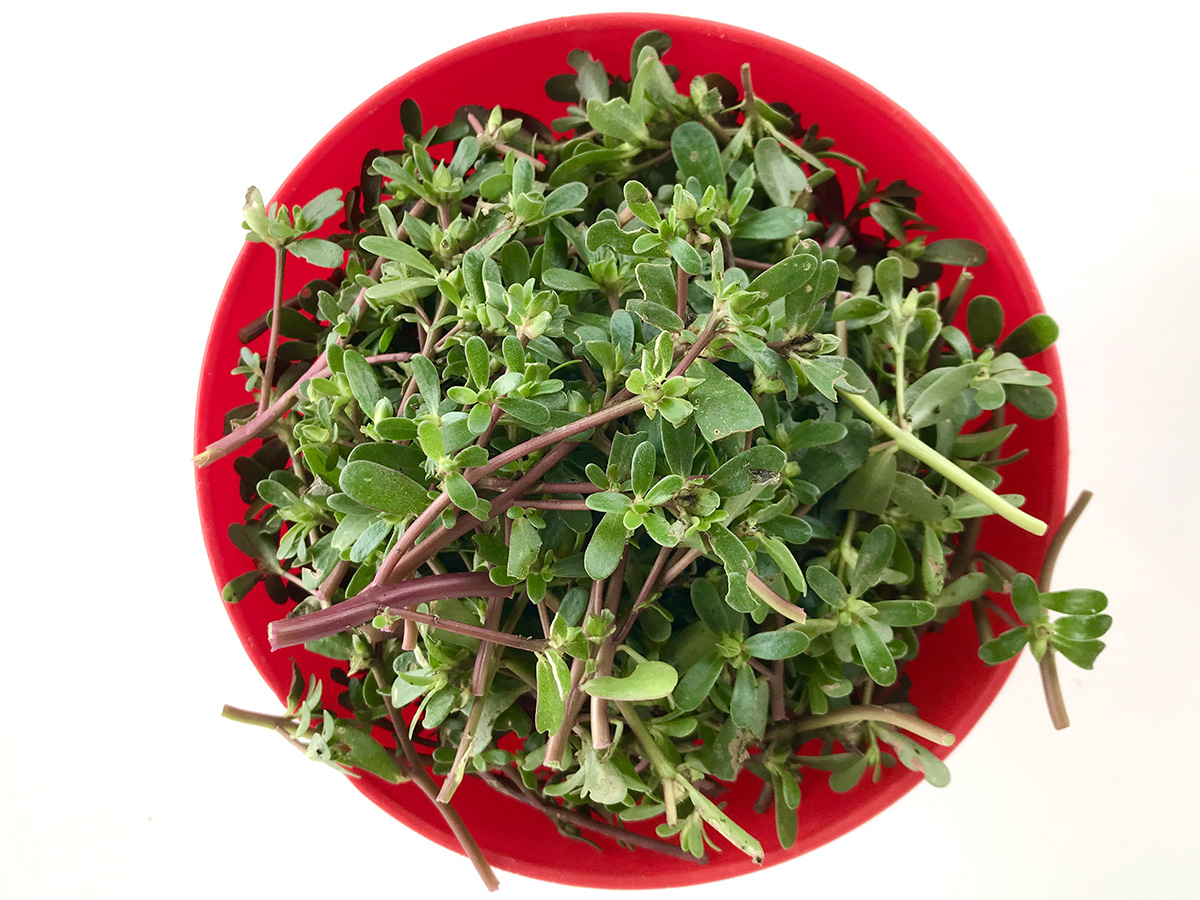
4. Purslane
What is it? An edible garden weed.
Why is it good for you? Purslane is packed with Vitamins A and C, antioxidants, and minerals including iron. It’s also an extremely rich source of omega-3 fatty acids – including small amounts of EPA, which is rarely found in plants.
How to eat it This plant may grow wild, but be sure you know what you’re picking before you eat it! Look for it at farmer’s markets and specialist delis if you’re unsure. Purslane can be consumed raw or cooked, and it’s particularly nice in salads.
5. Teff
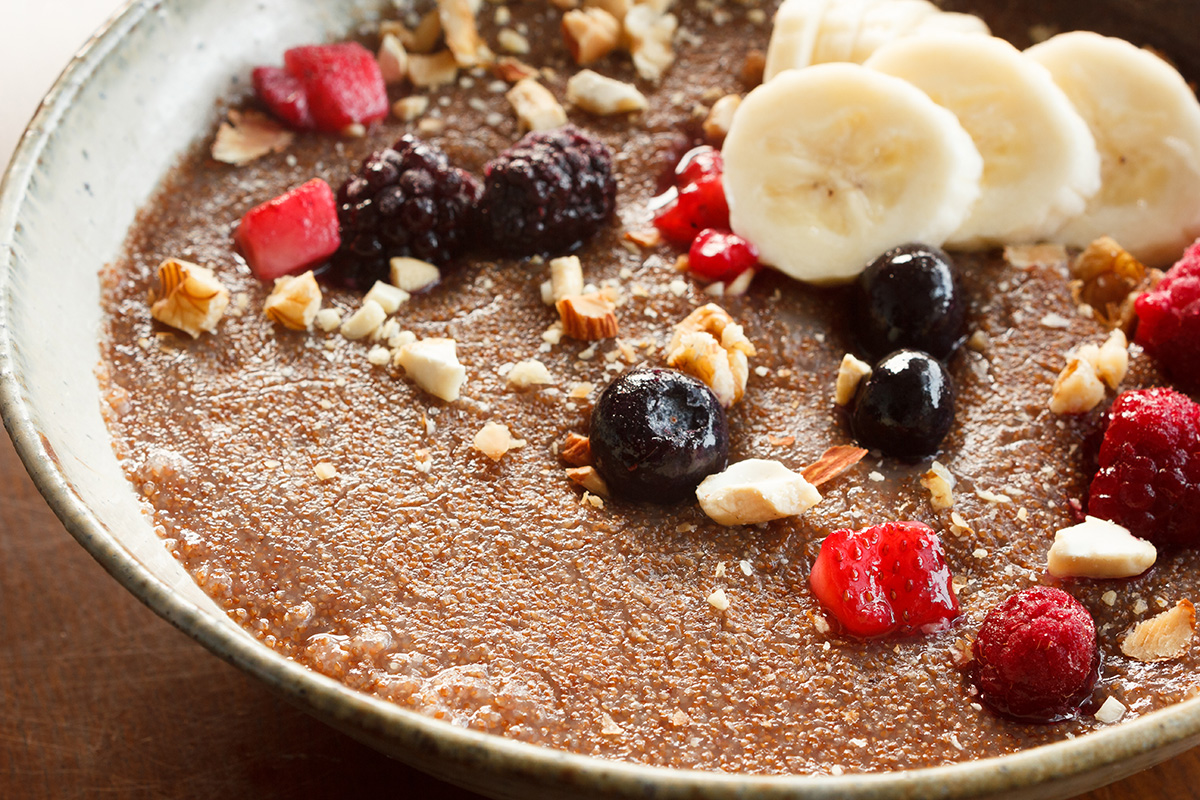
What is it? A grass seed usually sold as a grain or flour.
Why is it good for you? This mineral-rich, high-fibre grain is popular amongst endurance athletes for its excellent nutritional profile and slow release of energy.
How to eat it Teff is a staple food in Ethiopia and Eritrea, where it’s used as a flour to make the flatbread injera. Use it in gluten-free baking (it’s delicious with chocolate) or to cook a nutritious porridge.
6. Camu Camu
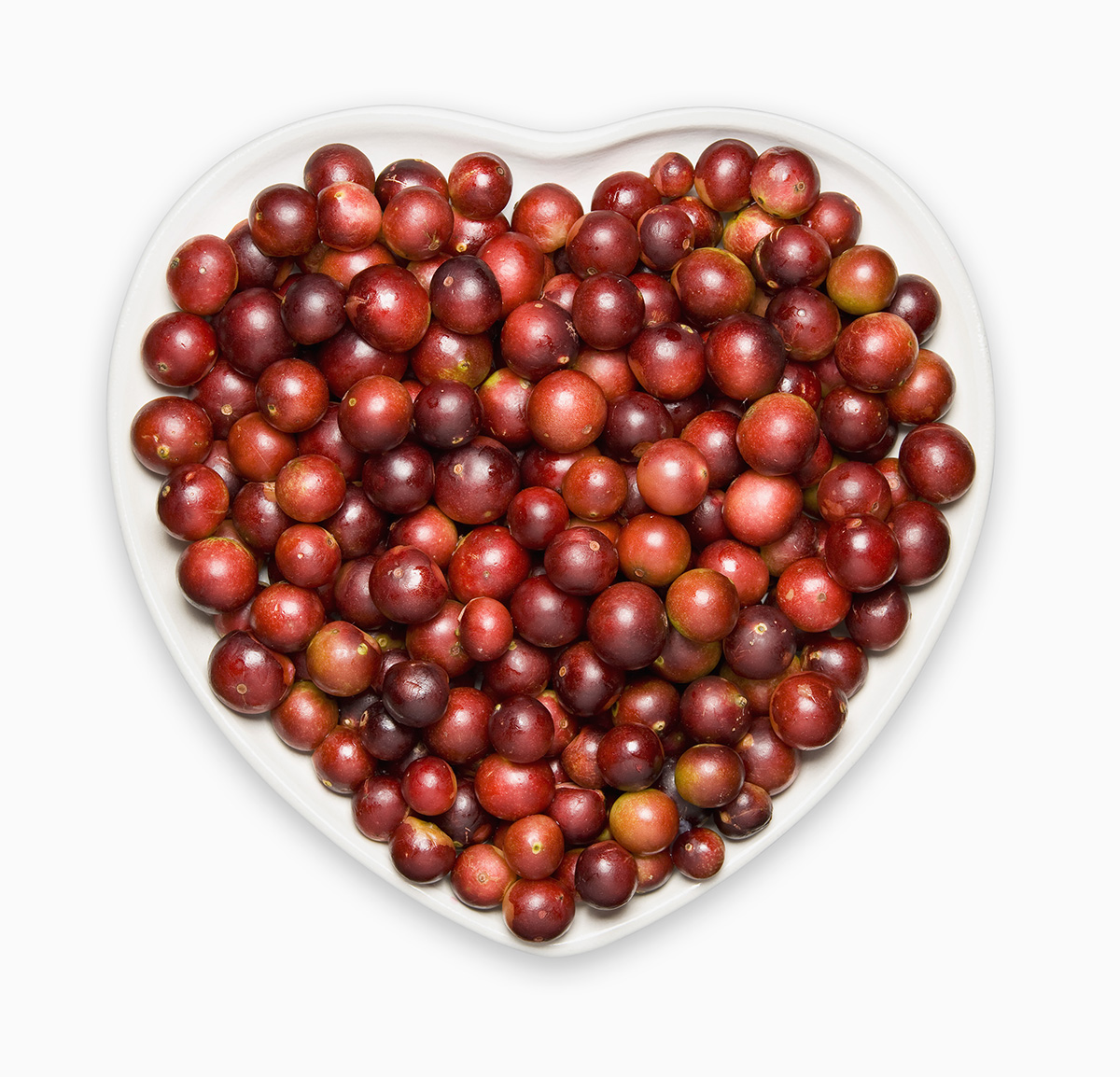
What is it? A berry that grows in the Amazon rainforest.
Why is it good for you? These berries have some of the highest natural levels of Vitamin C – many times more than oranges. They’re also packed with powerful antioxidants called polyphenols.
How to eat it Camu camu berries are very sour, so they’re usually sold as powders, capsules or blended juices rather than fresh. The powder is best mixed into smoothies, yoghurts and other breakfast foods – a little goes a long way.
7. Dulse
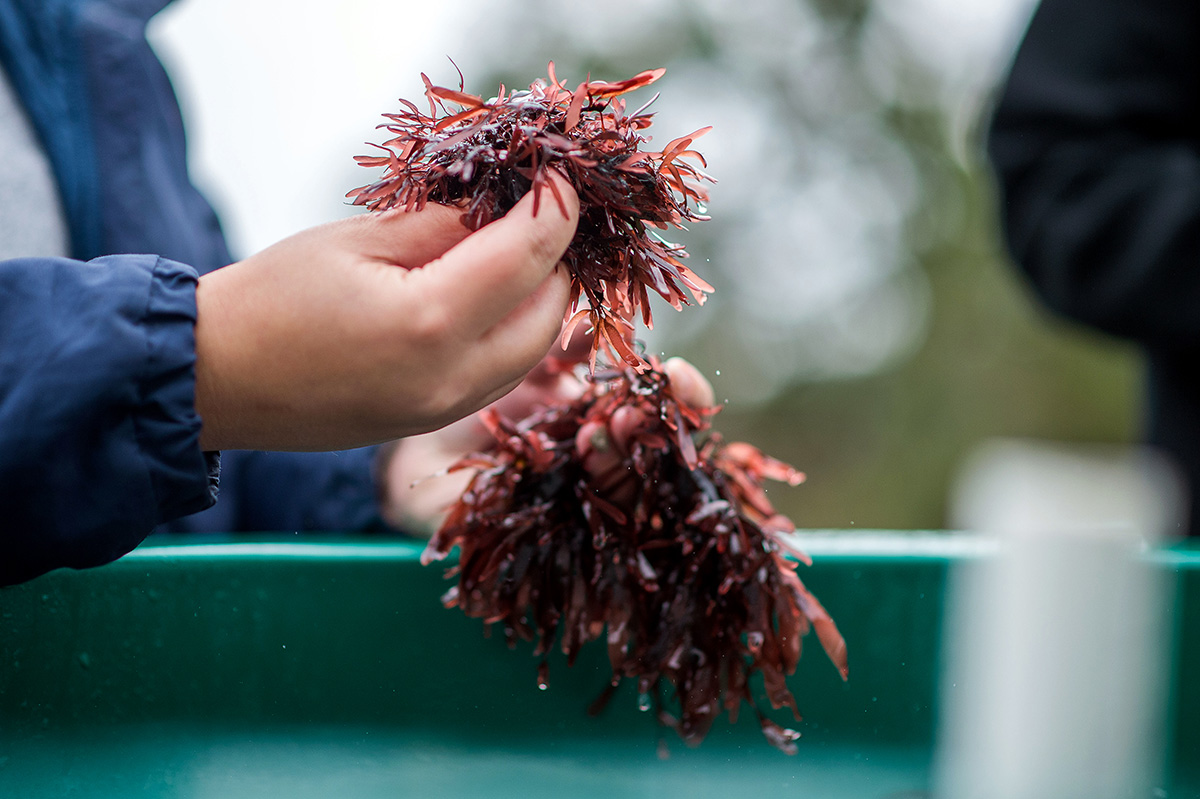
What is it? A red seaweed, common in Europe and North America.
Why is it good for you? Dulse is a rich source of B vitamins and iodine, which makes it a nutritious addition to a plant-based diet. It can help support healthy thyroid function.
How to eat it However you’d eat bacon! Dulse has lots of the qualities of smoky bacon, so use its salty flavour to enhance sauces, soups and salads – or eat the dried flakes straight from the packet.
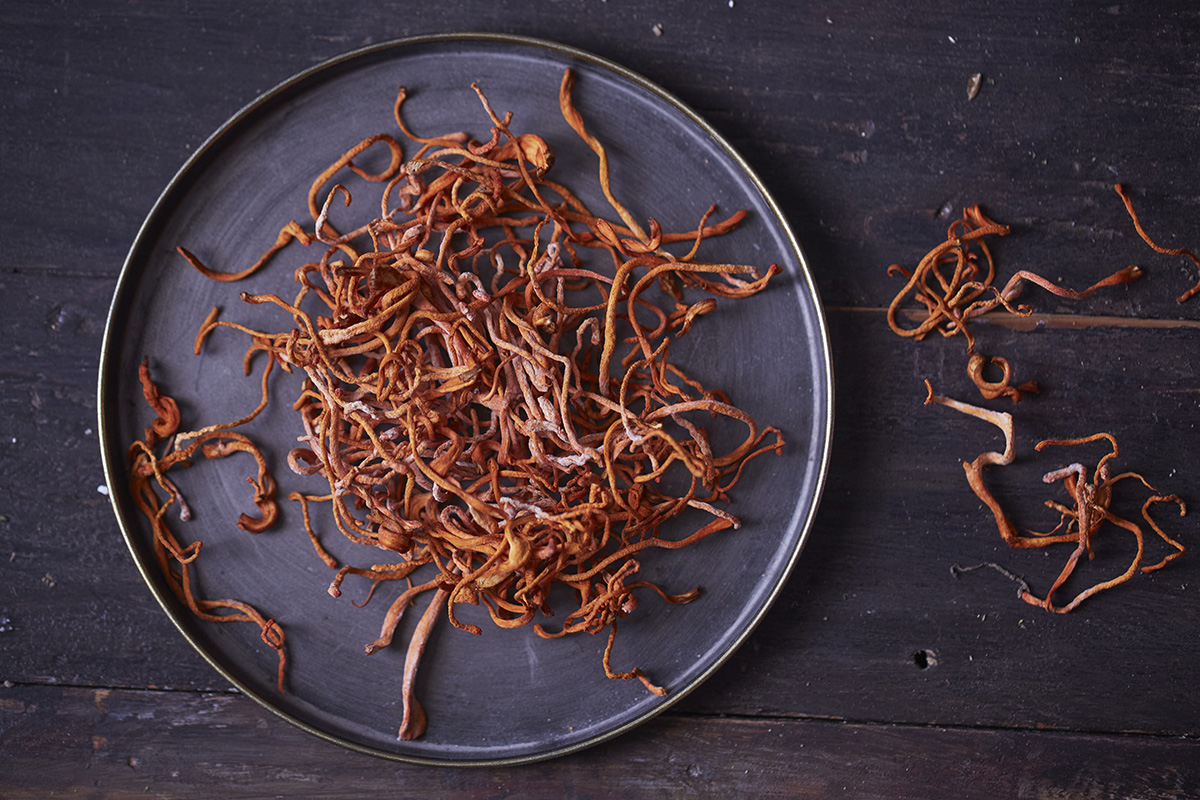
8. Cordyceps
What is it? An edible fungus that grows out of infected insects. Yes, really – though the cordyceps found in shops are usually vegan-friendly and cultivated on rice instead.
Why is it good for you? Cordyceps have been used in Chinese medicine for centuries. They’re said to offer numerous health benefits, including antioxidant and anti-inflammatory effects, as well as stress and fatigue reduction.
How to eat it Dried cordyceps can be rehydrated then simmered or sautéed, like other mushrooms. Try them with ramen or on top of pizza. You can also use them to make mushroom tea.
9. Mangosteen
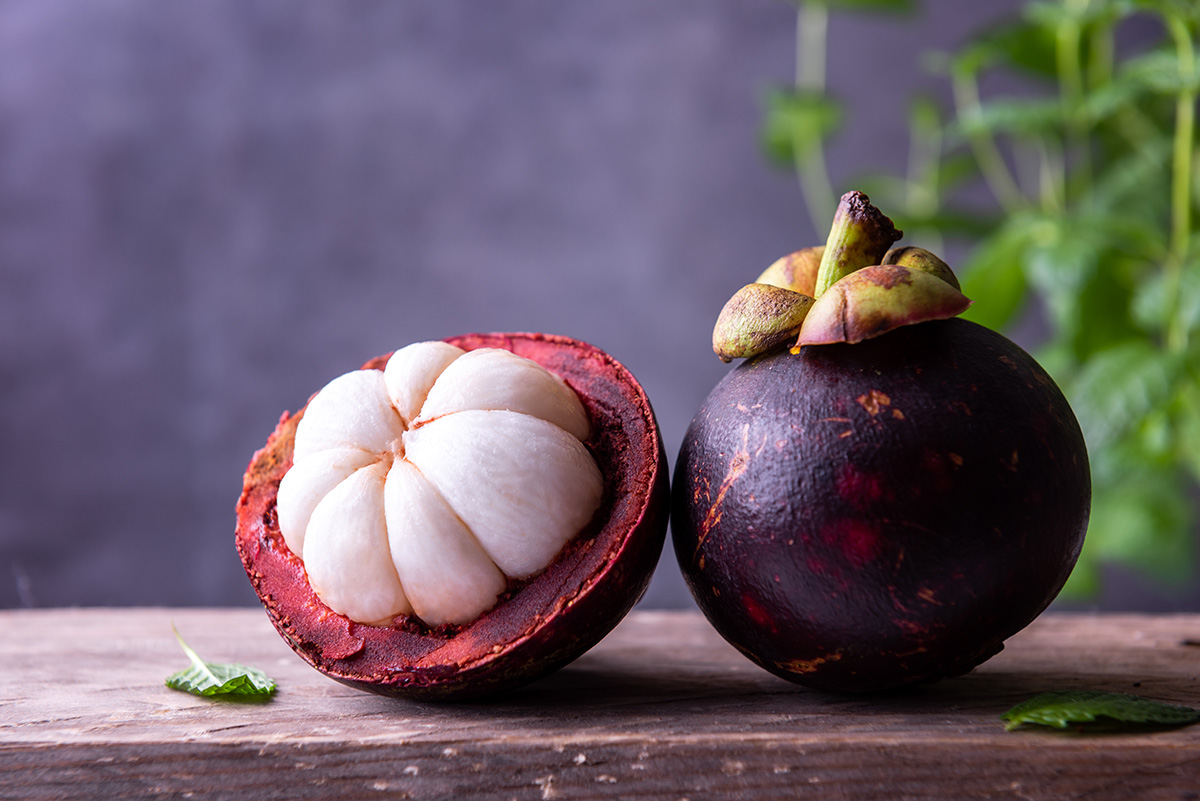
What is it? The sweet, juicy fruit from the tree of the same name.
Why is it good for you? Mangosteens are packed with potent antioxidants called xanthones, whose anti-inflammatory properties could help protect against a wide range of health problems.
How to eat it Remove the inedible outer rind to reach the inner white flesh of the fruit – it’s delicious eaten raw or added to smoothies. If you can’t find fresh fruits (the harvest season is short), look for canned or frozen versions at Asian supermarkets.
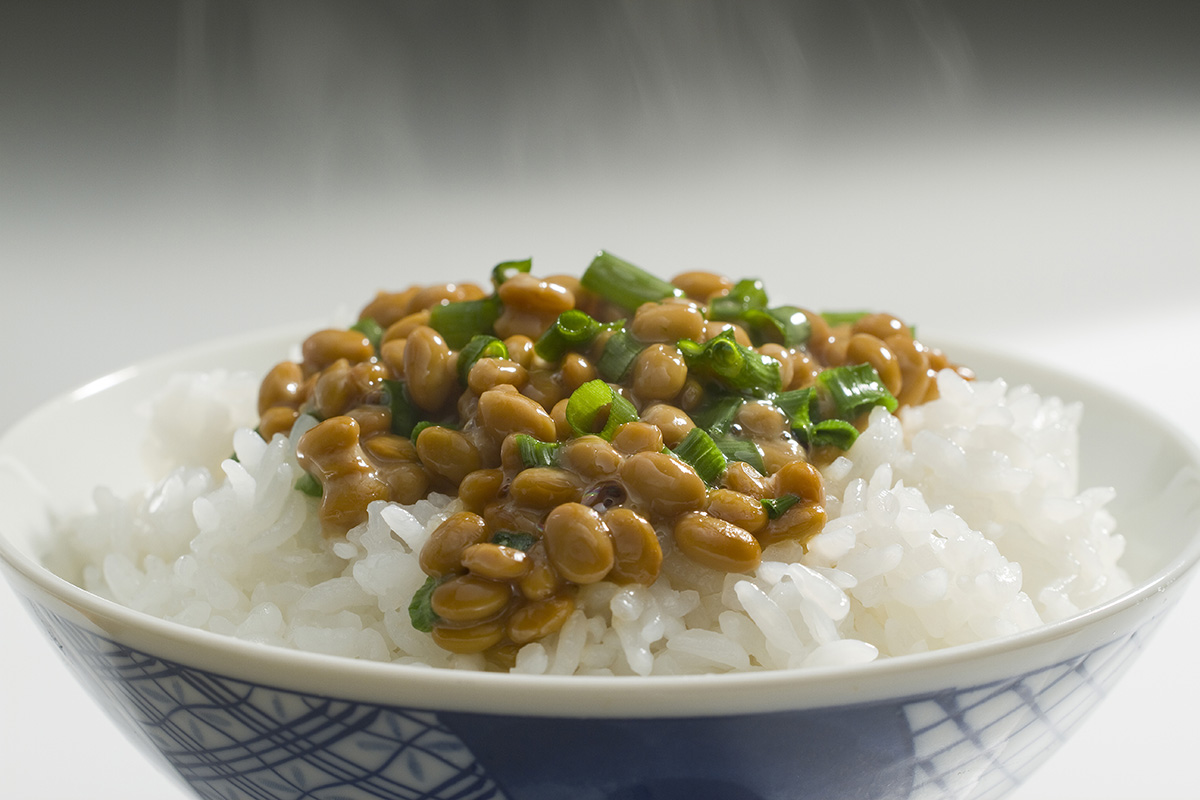
10. Natto
What is it? A traditional Japanese dish of fermented soybeans.
Why is it good for you? Regular consumption of the enzyme nattokinase, found in fermented soybeans, has been linked with reduced rates of heart attack and stroke. Natto is also high in Vitamin K2, which is important for bone strength. How to eat it Given natto’s reputation for being slimy and smelly, you might want to add plenty of soy sauce or mustard to disguise the flavour! The beans are traditionally topped with a raw egg and spring onions, and eaten with rice for breakfast.