Eat these foods to naturally boost your mood
What you eat has an impact on your mental wellbeing – and we’re not just talking about the short-term mood-boost that comes from scoffing a slice of cake. Some foods can have a long-lasting, positive effect on your energy levels, cognitive function and even emotional resilience.
That’s because of the links between the brain in your head and the ‘second brain’ in your gut. The complex communication that goes on between these two, known as the gut-brain axis, is the focus of cutting-edge scientific research. There’s much still to find out about how the digestive system and central nervous system interact, but what we do know is that a diet rich in foods that support your gut health and brain function can lead to increased feelings of contentment.
So, swap that slice of cake for one of these flavoursome good-mood foods. Here are our favourites…
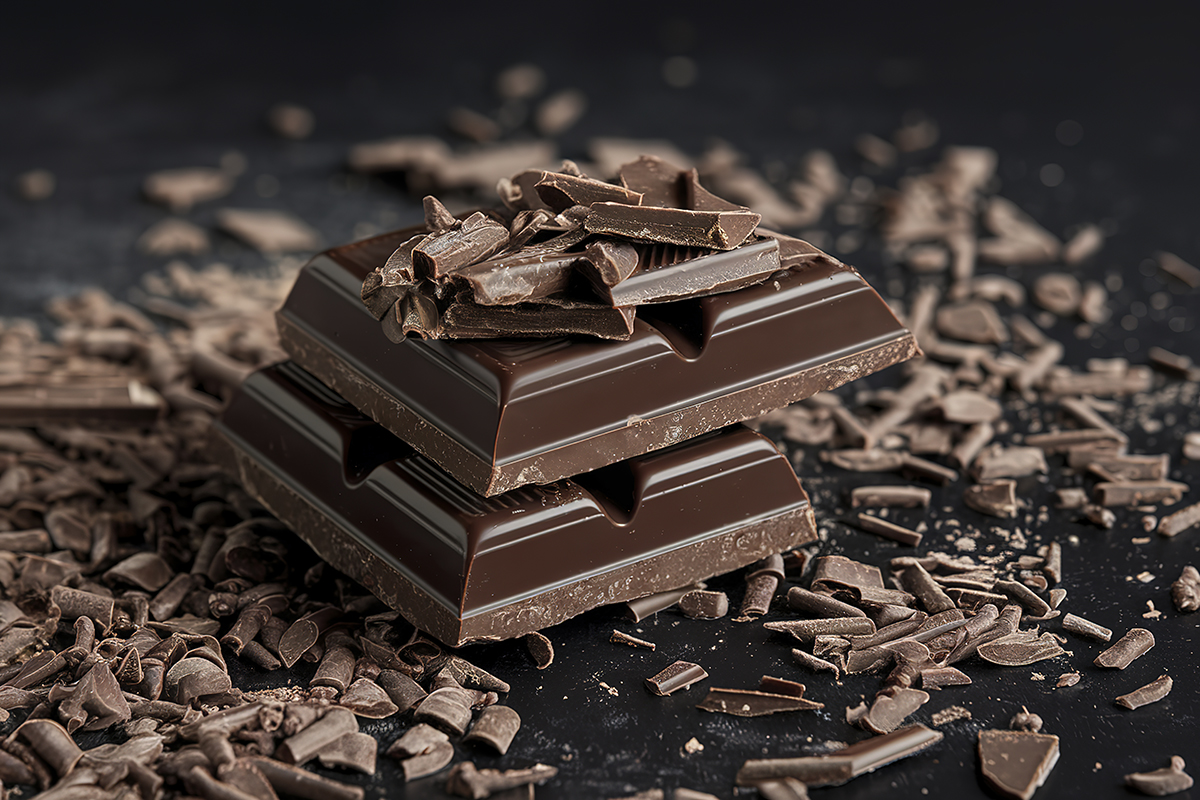
1. Dark chocolate
Feel-good factor: Flavonoids
Chocolate not only tastes good, but when eaten in moderation it can do us good too. Choose dark varieties that contain more than 70% cocoa, as they’re higher in flavonoids. These mood-boosting compounds can help reduce stress by lowering your levels of cortisol, support the gut-brain axis by feeding your good bacteria, and enhance blood flow in the brain.
Other sources: Citrus fruits, beans, tofu
2. Bananas
Feel-good factor: Tryptophan
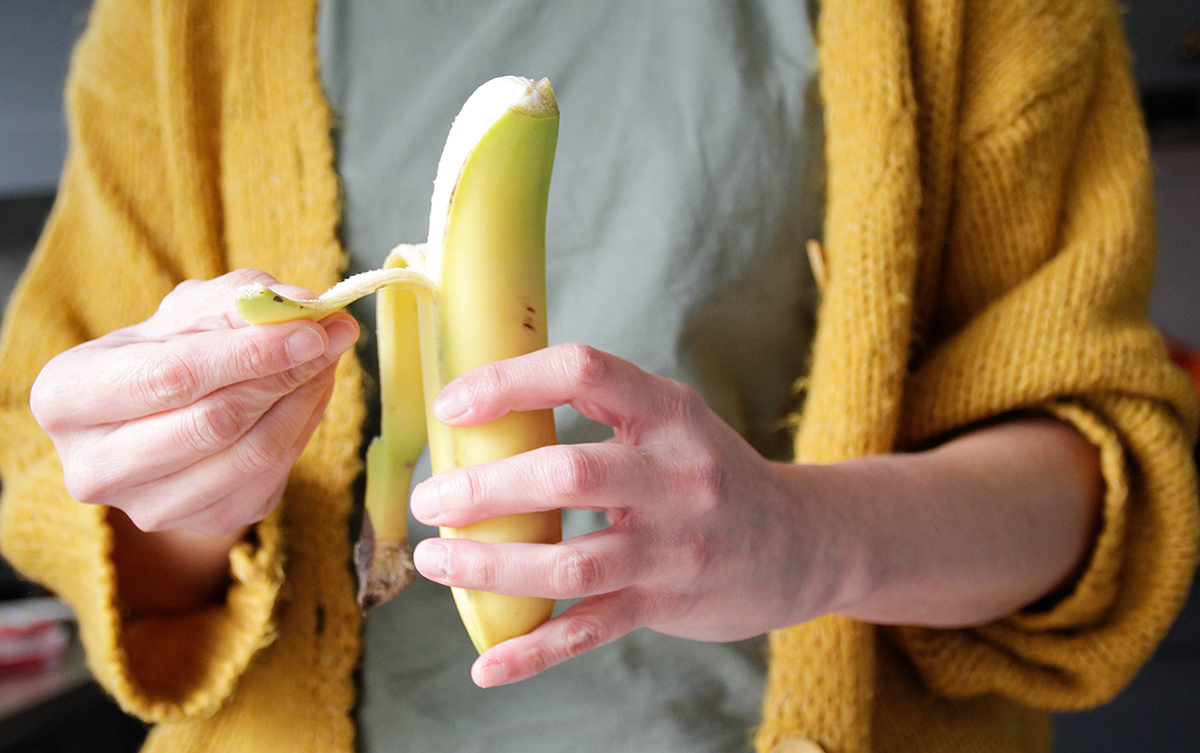
Eating tryptophan-rich foods such as bananas could have a positive impact on your mental health. Tryptophan is an amino acid that the body uses to make serotonin, which is important in regulating your mood. Low levels of serotonin have been associated with increased feelings of anxiety and depression. Set yourself up for the day with a banana-based breakfast packed with healthy fats and proteins.
Other sources: Chicken, eggs, pineapple
3. Garlic
Feel-good factor: Allicin
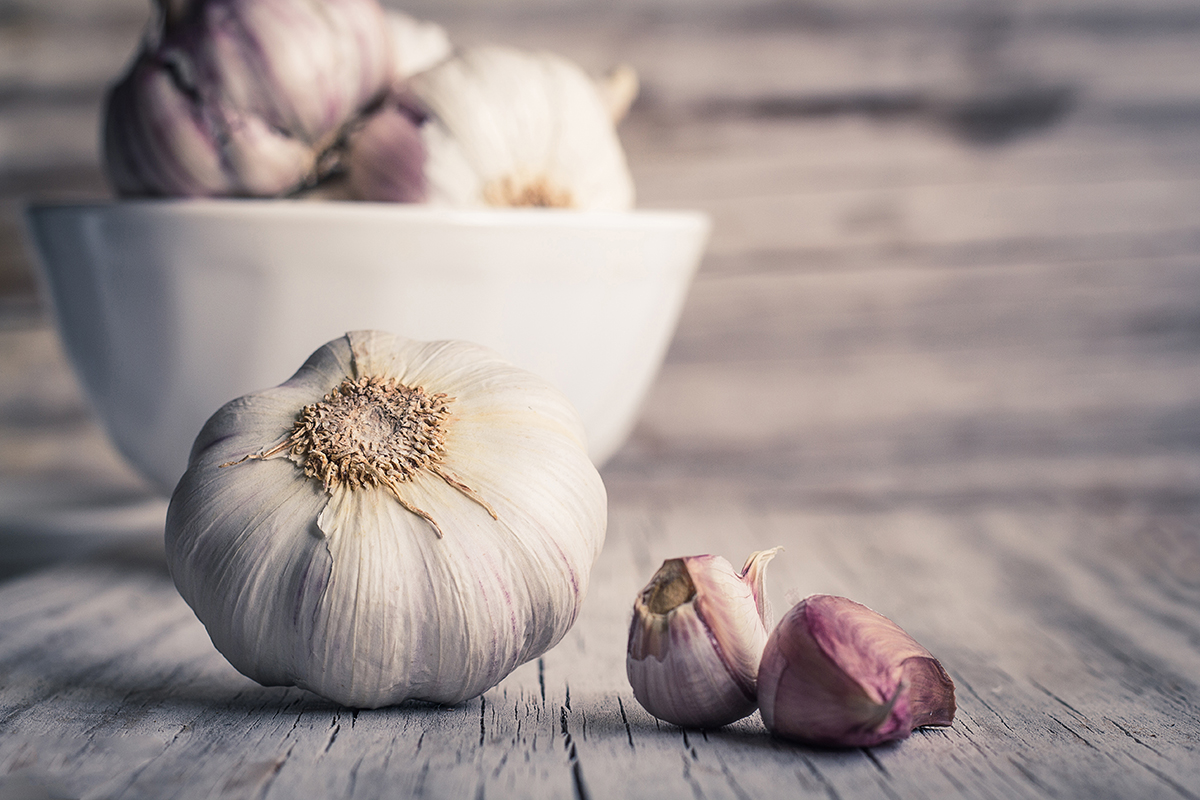
Studies in mice have suggested that allicin, the key ingredient in garlic, can act like an antidepressant by preventing the breakdown of neurotransmitters such as serotonin, the ‘happy hormone’. It also has neuroprotective properties, meaning it’s good for the brain’s long-term health. But allicin levels are highest in raw garlic, so an unfortunate compromise may be bad breath…
Other sources: Onions, chives, leeks
4. Kimchi
Feel-good factor: Probiotics
Could a healthy gut equal a healthy mind? Some scientists now believe it might. Regularly consuming fermented foods containing beneficial probiotic bacteria helps to make your gut microbiome more diverse, which appears to have a positive impact on the brain. Try a small daily side-dish of kimchi to give your gut flora a feast.
Other sources: Kefir, sauerkraut, pickles

5. Blueberries
Feel-good factor: Anthocyanins
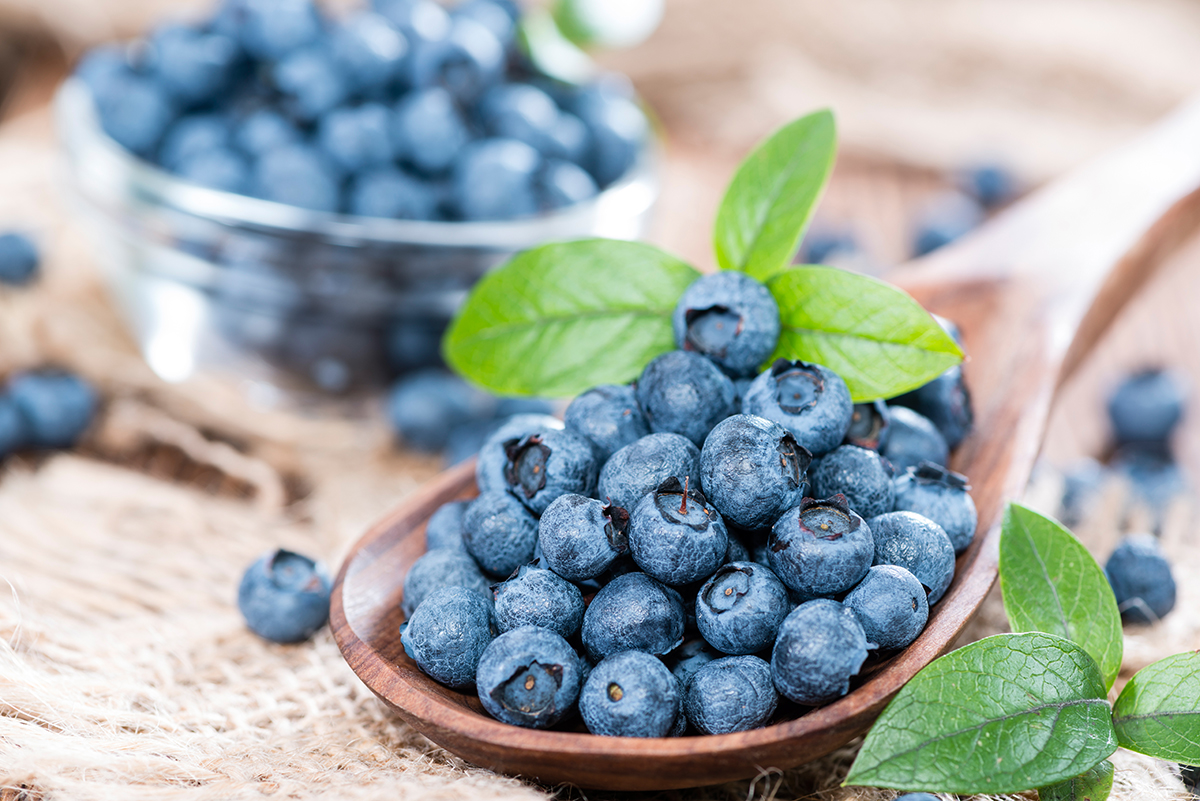
Like dark chocolate, blueberries are a great source of flavonoids, and they’re particularly high in a type called anthocyanins – the stuff that makes them blue. These powerful antioxidants are thought to improve mood and alertness by reducing oxidative stress and lowering inflammation. Make a handful of blueberries one of your five-a-day, and look for wild or organic varieties to maximise the antioxidant content.
Other sources: Blackberries, red cabbage, red wine
6. Nuts
Feel-good factor: B vitamins
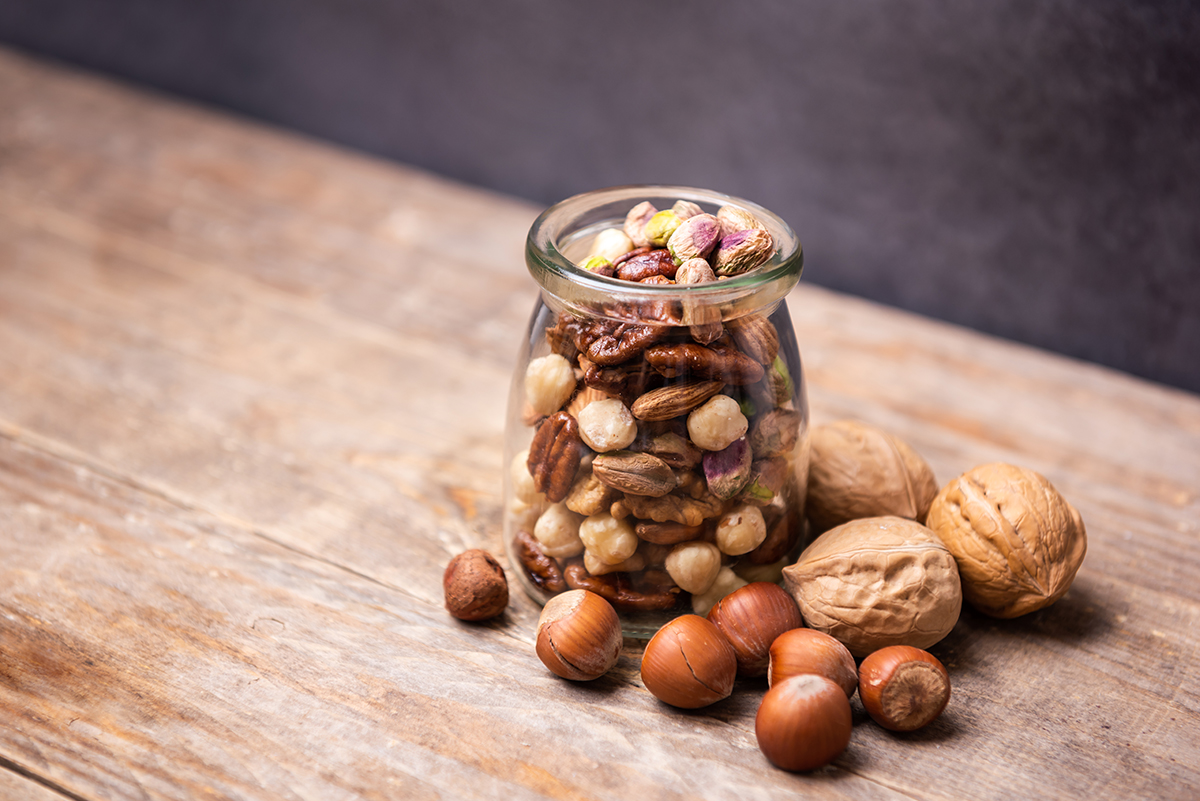
Nuts are packed with the B vitamins your body needs to stabilise your emotions. B6, B9 and B12 are used to synthesise mood-regulating neurotransmitters such as serotonin and dopamine, while Bs 1-5 are important for cognitive function and managing stress. Getting enough of these vitamins from your food is crucial, so choose walnuts, almonds and Brazil nuts as a healthy snack.
Other sources: Red meat, eggs, avocado
7. Oily fish
Feel-good factor: Omega-3 fatty acids
Aim to eat two portions of oily fish such as salmon, mackerel or herring each week – your brain will thank you. The omega-3 fatty acids found in these fish are important in building and maintaining brain cells, and may also help to improve the symptoms of depression. One study even found that people who regularly ate oily fish had bigger brains than those who didn’t!
Other sources: Flaxseeds, walnuts, chia seeds

8. Kale
Feel-good factor: Folate (B9)
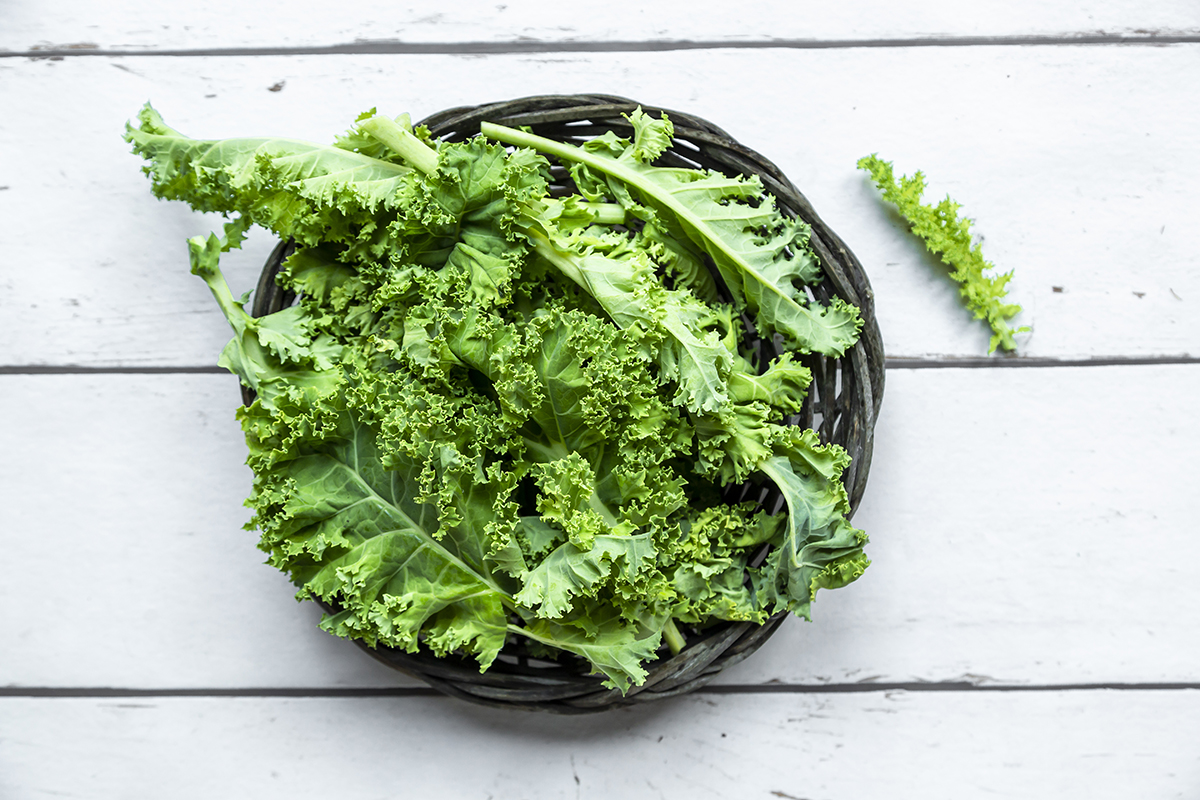
B vitamins are so important we’ve included them twice. Kale is especially rich in vitamin B9, also known as folate, which is used in the production of mood regulators such as serotonin. People who aren’t getting enough B9 are at increased risk of low mood and fatigue, so we need to get plenty in our diets. Steam kale gently to preserve its nutrients and get the maximum benefits.
Other sources: Spinach, lentils, fortified cereals
9. Oats
Feel-good factor: Fibre
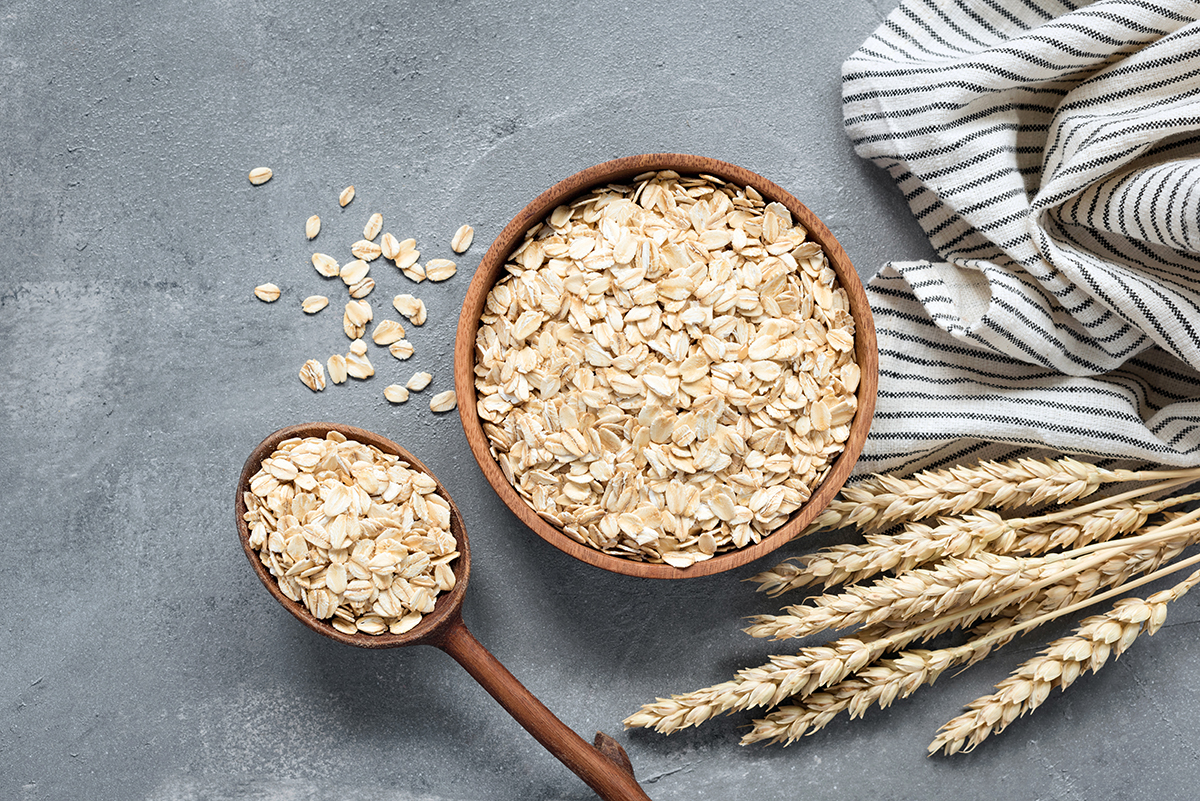
Keeping your blood sugar stable can help keep your mood stable too, so choose foods that break down slowly in the digestive system over ones that provide a quick spike in energy. High-fibre whole grains such as oats are perfect for this, as their soluble fibre offers a steady release of energy and provides a hearty meal for both you and your good gut bacteria.
Other sources: Brown rice, beans, dried fruits
10. Coffee
Feel-good factor: Caffeine
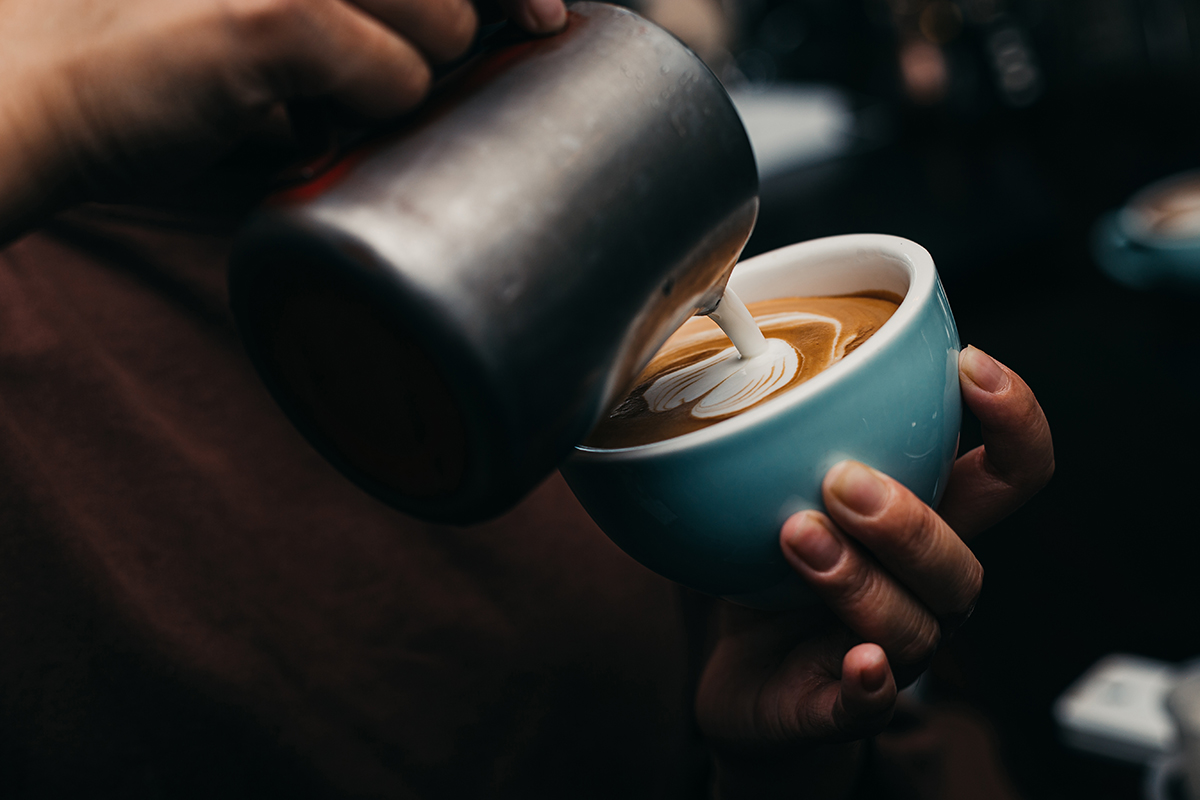
While it’s true that you shouldn’t have too much caffeine, a little can be a good thing. Drinking a cup of coffee when you wake up has been linked with higher levels of positive emotions including happiness and enthusiasm – and longer-term it can also reduce your risk of depression. That’s because caffeine blocks the sleepy chemical adenosine, making you feel more alert and allowing other hormones such as mood-boosting dopamine to become more active. Sounds like a good excuse for a daily cup of Joe!
Other sources: Tea, chocolate, caffeinated fizzy drinks
Read more: