
This article contains affiliate links and we may earn a small commission through them at no extra cost to you.
The frying pan might seem like of one of the simplest tools in the kitchen, but it has a history that's home to accidental discoveries and forgotten lessons that have influence today. What's most surprising is that many of the problems modern cooks worry about - durability, convenience, performance - aren't new at all.
Here are five forgotten frying-pan secrets that still have something to teach us about better cooking.
Read more:
1. Frying pans are far older than people realise
Archaeologists have discovered objects known as "frying pans" dating back to the Early Bronze Age, between roughly 2700 and 2200 BCE. Found across the Cycladic islands in the Aegean, they have shallow circular bodies and handles that look surprisingly familiar.
All of this shows that nobody has ever really found a better way to brown food. After thousands of years, great cooking still relies on direct, controlled heat.
2. Cookware wasn't seen as disposable
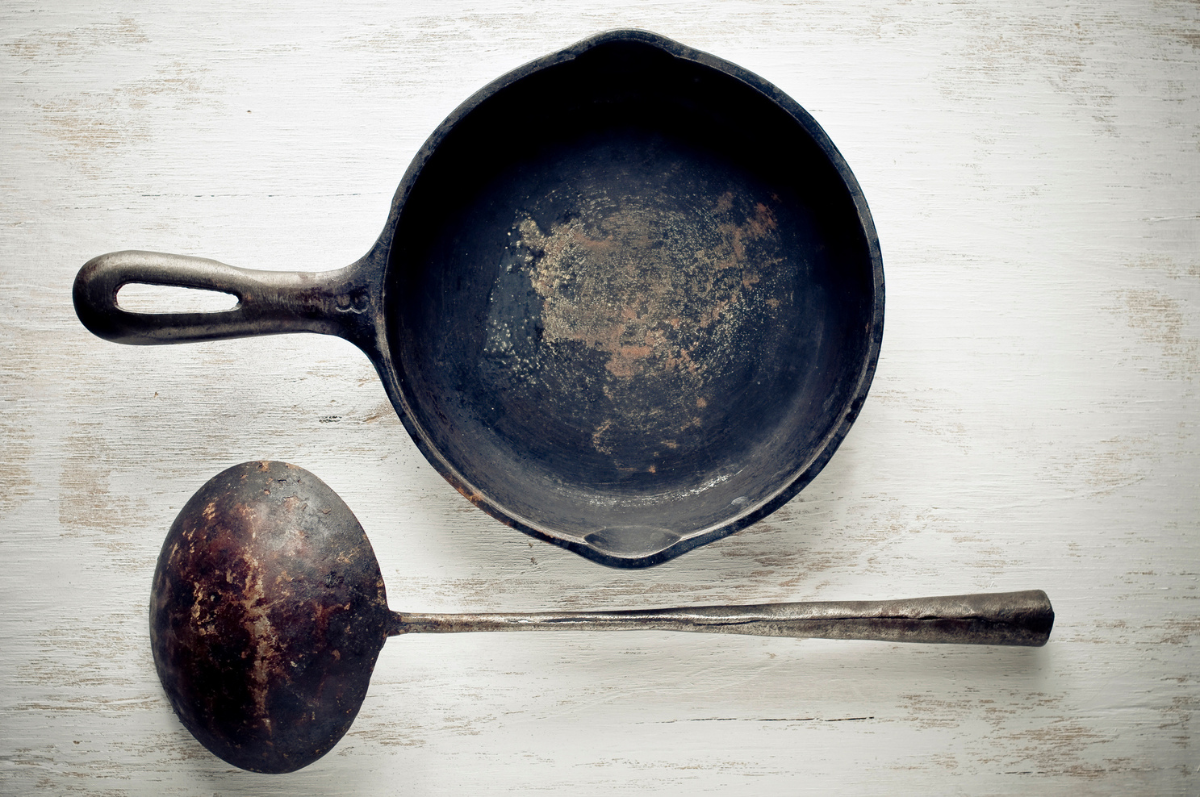
For much of history, cookware wasn't seen as something you'd regularly swap out - it was something you'd keep for decades.
Cast-iron cookware was valued because it could withstand serious daily punishment, with some families treating cookware as less of a consumable product and more like a household asset. Expectations in the past were that a cast-iron pan would last several lifetimes, as opposed to several months.
So next time you're buying a pan, it might be worth asking yourself: is this a convenience buy or something that will actually save me money and last?
3. The biggest cookware breakthrough happened by accident
One of the most influential inventions in frying pan history wasn't designed for cooking at all, it was about making cooking feel a bit easier.
PTFE - the material behind non-stick coatings - was accidentally discovered by Roy Plunkett in 1938 while he was researching the refrigerator. It wasn't until later that Marc Gregoire, a French engineer, found a way to bond the slippery substance to aluminium and it began to transform kitchens.
While non-stick can solve some problems, it's also not always the best solution for most dishes.
4. Restaurant food often tastes different because of the pan
Restaurant food doesn't only brown because of skilled chefs, it's also thanks to the pans they're using.
Professional kitchens favour stainless steel and, increasingly, carbon steels because they can handle high temperatures and transfer heat efficiently. Carbon steel is growing in popularity in the US (and around the world), as it excels at searing, browning and is far easily to handle than other weighty materials.
So that perfectly seared steak or rich caramelisation on vegetables isn't just the result of skill, but cookware that's designed to handle heat better than others.
5. The newest trend is buying fewer pans
One of the biggest shifts in cookware today is a return to old priorities.
Growing interest in PTFE-free cookware, as well as greater awareness of aluminium and copper's pitfalls mean more are turning to stainless clad and ceramic-coated non-stick pans.
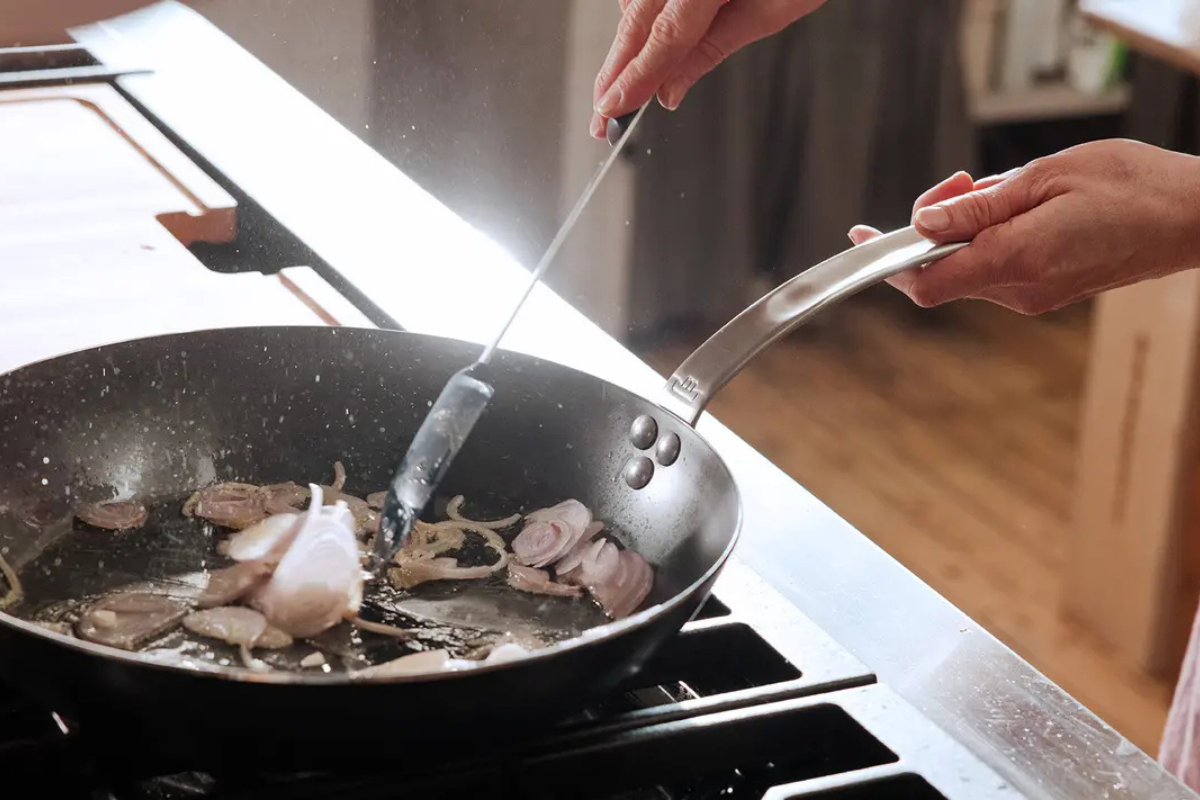
The newest thinking is, surprisingly, a return to basics. Choosing one versatile, high-performing pan often improves cooking far more than owning a huge set.
What this means for you
Cookware that has endured over centuries hasn't necessarily been the latest or greatest. The most valuable is the most reliable, and given how trends are going, more people are cottoning on to this.
That's why brands such as Made In Cookware has found an audience among home cooks and chefs. Rather than chasing gimmicks, the brand focuses on professional-grade materials, durability and PFAS-free options designed for long-term use.
