
How to protect yourself from getting scammed when online shopping, says fraud expert
According to Cifas, 2025 saw a record number of reported fraud cases, revealing the increasing threat of scams. It could be by responding to a text we thought was from a friend, answering a phone call pretending to be a network service provider, or sending money to a scammer posing as a relative – scams are becoming more convincing every day.
It’s a lot easier to dismiss scamming and fraud as a problem targeting less tech-savvy consumers, but the reality is that as our devices become smarter, so do the strategies that manipulate us out of our money. If you want to outsmart the criminals trying to steal your personal information, you must retire the mindset that you’re exempt from being a target.
As Gareth Shaw, deputy editor at Money Saving Expert, shares: ‘Sadly, scams don’t discriminate – they’re rife and increasingly sophisticated. Whether it’s a text, email, social post, or a phone call that catches you off guard, it can happen to any of us.’
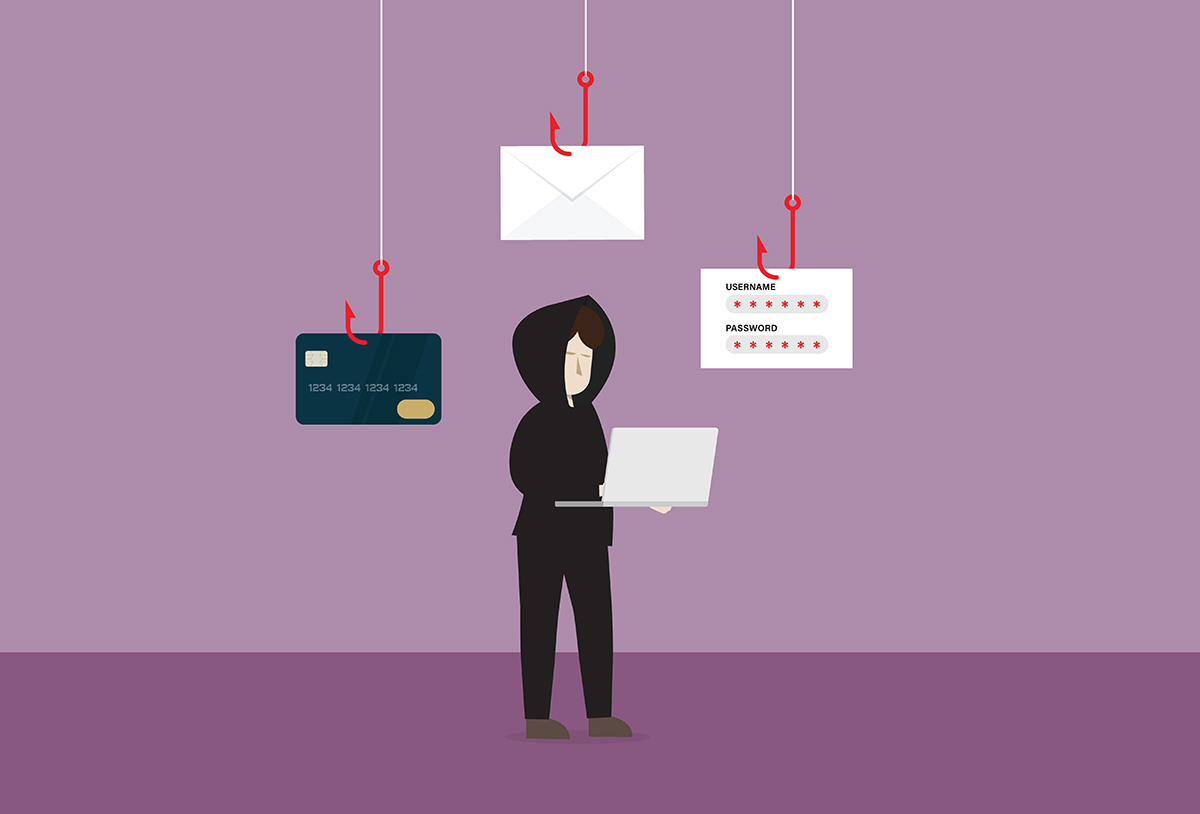
What is fraud?
Crime doesn’t look like a cartoon character wearing black and white stripes, breaking into your house in the middle of the night to steal everything. Criminals have gotten quicker, faster, and stronger in their capabilities through the internet, with Web 3.0 skyrocketing the potential for AI services and digital chatbots.
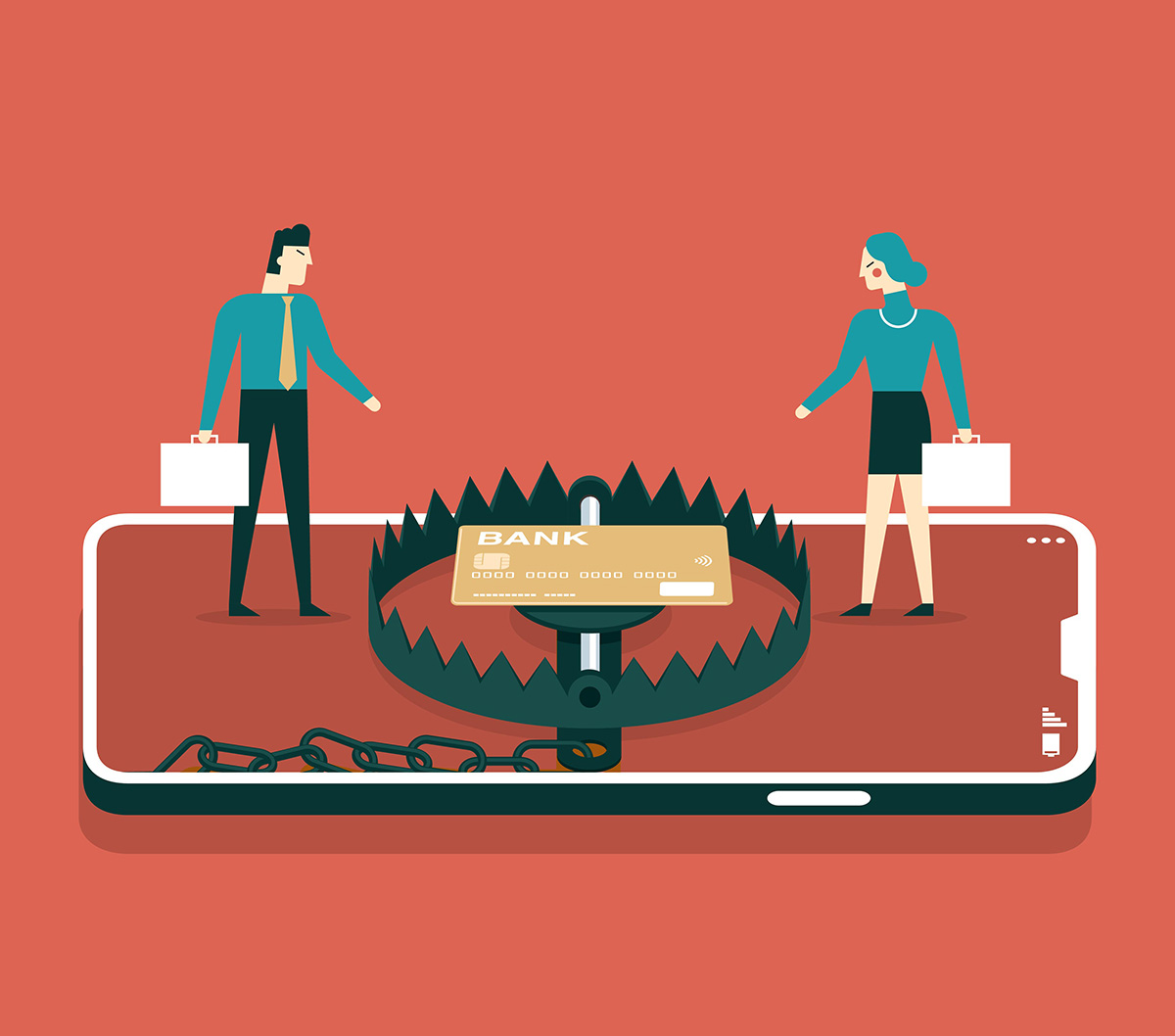
In the UK, people lost over £11.4 billion to scams in 2024 alone. There’s not one single type of fraud to look out for, but some of the key strategies that criminals may use include:
- Malware – Any malicious software that tries to gain access to your personal information will be called malware. It can include deceptive web pages pretending to be your bank account, or a false link that once clicked can access your personal data.
- Postal Fraud – Letters requesting you to send money to an unknown or fake person or company are a simple way for scammers to trick you out of cash.
- Doorstep Fraud – Strangers knocking on your door and presenting you with a lucrative offer of work or services in exchange for an upfront fee, but they never return to complete the work.
- Phone Fraud – When someone calls you pretending to be an official company, rushing you to make a quick decision, and pass over personal information, it’s incredibly likely that they are a scammer. From banks to parking fines and delivery services, scammers will always use anonymous numbers to disguise their identities.
Identity fraud has become a particular concern; criminals may attempt to steal your identity to apply for credit that you later have to pay for. Understanding how to take preventative measures in protecting your digital footprint can be a great first step, explains Gareth: ‘Identity fraud is when someone uses your personal details to open accounts or apply for credit in your name.
‘Protect yourself by shredding sensitive post and avoid sharing personal info on social media. Keep an eye on your bank statements and check your credit file regularly so you can spot anything that isn’t yours.’
It’s integral to tackle fraudulent activity, not just for our financial security. The aftershocks of scammers causing damage can majorly impact our physical and mental health. One third of people aged over 65 shared that experiencing being scammed took a toll on their mental health, with an additional 12% sharing that they could notice the impacts on their physical health too.
What are the warning signs of fraudulent activity?
‘Pressure is the biggest red flag,’ explains Gareth. ‘’Act now or lose out’, as well as requests for PINs or passwords and messages claiming to be from your bank. Watch out for poor spelling, odd sender details, and common scams such as fake delivery texts, bogus ‘government’ calls, and guaranteed return ‘investment’ opportunities.
‘Practical warning signs include goods that never arrive, an ‘investment’ you can’t withdraw from, a seller who disappears, or unfamiliar accounts and transactions popping up on your credit file.’
How can I protect myself?
In the lead up to Christmas, when shopping and frivolous spending reach a high among consumers, criminals will be taking an extra effort to deceive you amidst your festive celebrations. It may take the form of offering too-good-to-be-true sales to access your banking information, paying for an item that never arrives in the post, or even doorstop criminals posing as a delivery driver.
As you increase the frequency of your spending, scammers will try to capitalise on this and make you slip up with who you trust, leaving long-lasting, life-threatening impacts. Here are Gathered’s best tips on how to protect yourself:
1. Download antivirus software
Antivirus software is the tech equivalent of flossing; you might dismiss it as an unnecessary step but putting the extra work into looking after yourself will create positive, long-term benefits. Antivirus software can alert you to suspicious activity that arrives in your inbox that you may not recognise as dangerous.
‘Never share PINs or passwords or click links in suspicious texts or emails,’ adds Gareth.
2. Regularly update your passwords and security keys
Never share a password, digital security key, or personal passphrase with someone online or on the phone. These are personal and private for a reason – nobody should ever ask for them as they may be attempting to access your accounts without you realising. Setting up two-step verification on your devices and confirming access to your account through two different methods, can also strengthen your money and personal information from being hacked.
Updating your passwords routinely can reduce the risk of your password being used by criminals who have accessed your data through a data breach with a trusted company. And it goes without saying that if you’re using the same guessable password – like a name or location, without any capital letters, numbers, or special characters – for every account you own, your digital safety is lacking. Update your passwords, vary their formatting, and your digital safety will thank you for it.
3. Don’t trust every ad you see
If something is too good to be true, it most likely is. Clicking on an ad offering an extraordinary offer on something you’ve been browsing online could be a simple way for hackers to tailor malware to your viewing history through your cookie settings. Consider if the offer on screen is feasible and trusted before ever clicking through.
Even if the ad features a trusted official, like the money-saving expert Martin Lewis himself, it doesn’t mean that it’s genuine. Gareth says: ‘Be wary of celebrity-fronted online ads – Martin Lewis doesn’t do ads!’
4. Think – would your bank really call you out of the blue?
‘If someone calls saying they’re from your bank, hang up and dial 159 to reach your bank safely,’ recommends Gareth. 159 is the UK phone number to dial to safely and securely contact your bank, initiated by Stop Scams UK. The easy to remember number means that you can talk to a verified colleague from your bank to report suspicious communication and check that your account is secure.
A premium phone number is a phone number that charges you at a more expensive caller rate than a standard call. It means that the phone call that you answer may be tricking you out of your money before you’ve even started talking. Premium numbers will often begin with 084, 087, or 09 – they’re the ones that should be worth a miss if they appear on your home screen.
5. Report suspicious activity
By calling out behaviour that makes you worried or concerned, you might be protecting someone in the future from being scammed. Gareth adds: ‘Our golden rules are to check web addresses carefully, use strong, unique passwords, and report anything suspicious. If it sounds too good to be true, it probably is.’
Suspicious activity could include signing up for a contract that doesn’t have any terms and conditions, a fake company having lots of negative reviews online, or poorly worded texts and emails filled with spelling mistakes. If a suspicious message arrives in your email inbox, you can forward it to an official reporting service at the email address report@phishing.gov.uk to resolve. If you receive a suspicious text in the UK, you can report it at 7726 – which cleverly spells ‘SPAM’ on a phone keypad.
6. Shred personal documents
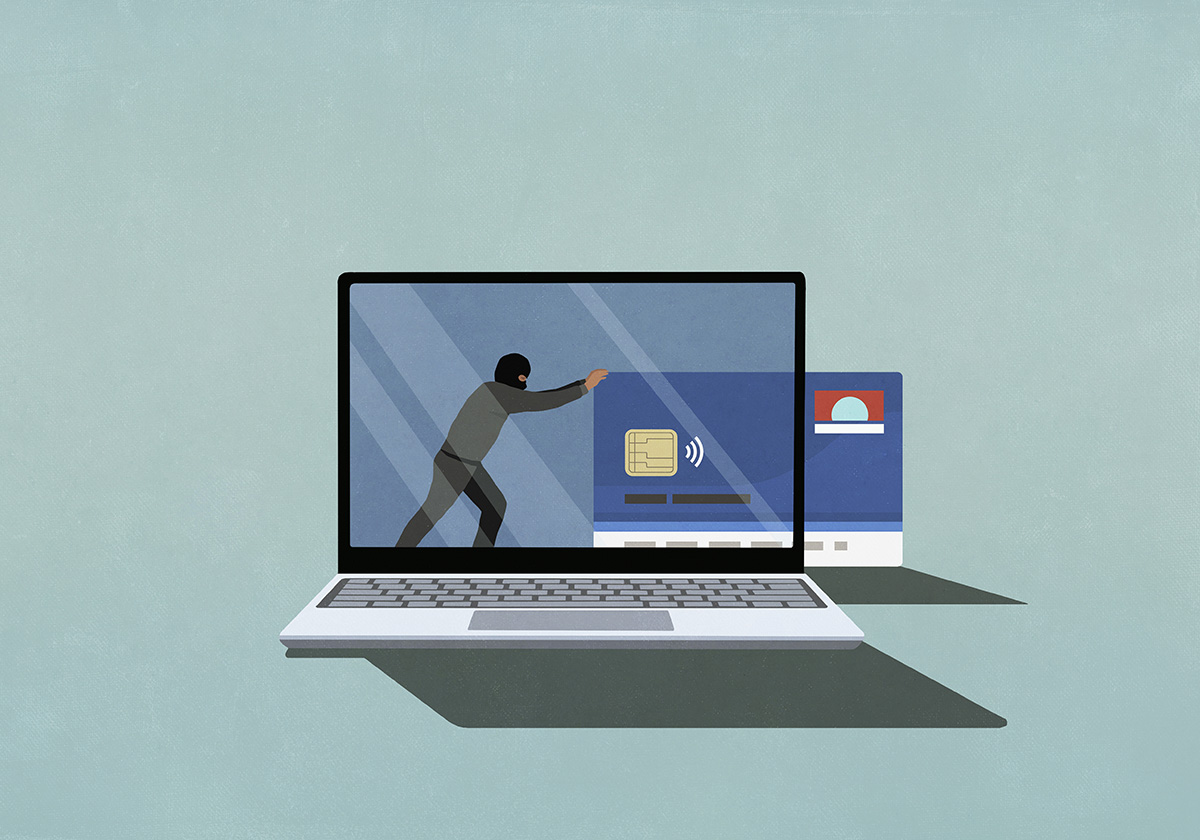
When criminals are gaining more sophisticated methods to conduct identity fraud, it’s important not to slip up in simple data protection. Carefully disposing of your invoices, bills, and personal information by shredding or burning can prevent someone from accessing your rubbish and gaining confidential insight into your affairs. You wouldn’t share your address online, so why would you leave it for people to read as well?
What to do if you’ve been scammed
There’s no shame in admitting that you’ve been a victim of a scam; they’re sophisticated, targeted attacks that thrive on not being recognised by everyday consumers.
‘Stop contact straight away. Call your bank – or dial 159 – to try to halt payments. Then report it to Action Fraud (or Advice Direct Scotland/Police Scotland),’ Gareth advises for UK consumers. ‘Since October 2024, banks must refund most bank-transfer (APP) scam victims, though an excess may apply, and claims can be rejected if you were really careless. For card payments, Section 75 or chargeback could help, and if you’re not getting anywhere, take it to the free Financial Ombudsman.’
If you think you’ve been scammed in Canada, Australia, or the United States, then you can report the activity to FAIR Canada, USA.gov, or Scamwatch.
Read more:
