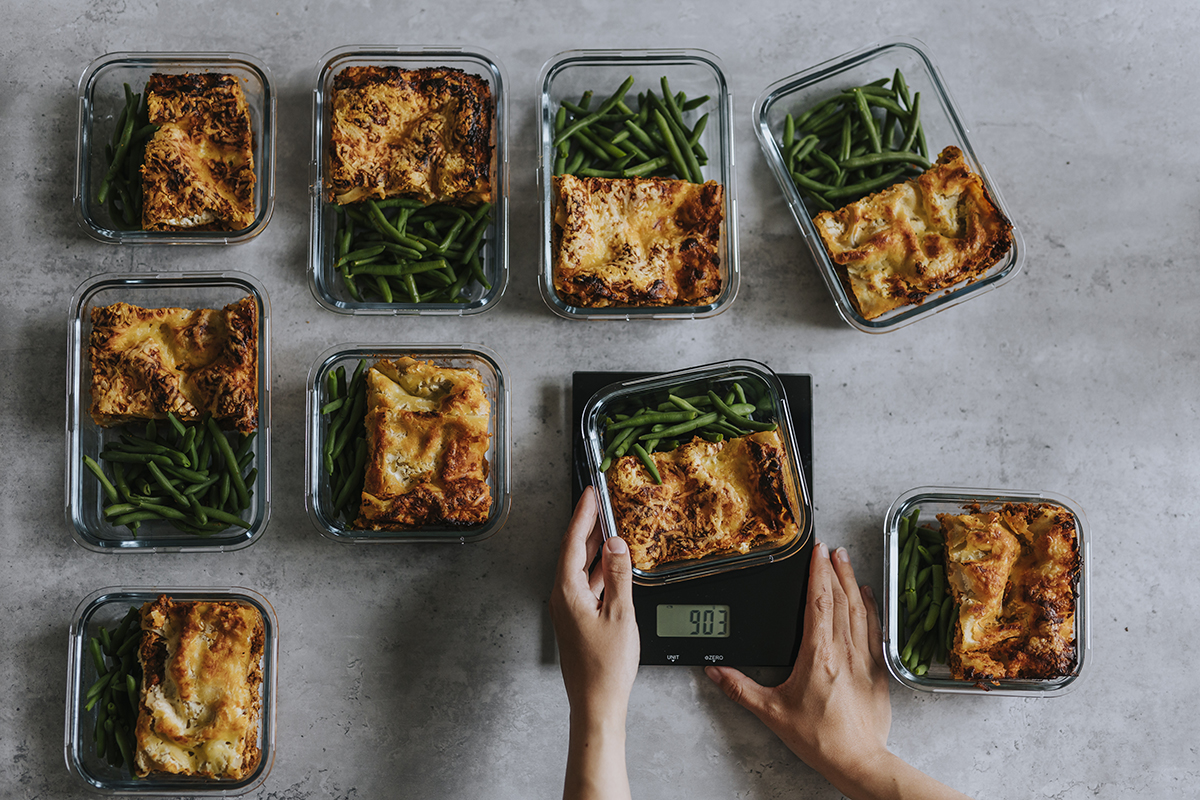
How to master batch cooking to save time and money
Struggling to find time for healthy meals during your busy week? Batch cooking is a game-changer, letting you prepare multiple meals in one go — freeing up your evenings and saving money.
With a little planning, you can cook once and eat all week without feeling trapped in the kitchen. This method not only reduces stress but also helps you eat better, waste less food, and stick to a budget.
- Six reasons why ice cream is surprisingly good for you
- This caffeine alternative may cut your dementia risk
Why batch cooking works
Batch cooking means dedicating a block of time to prepare several meals at once. This approach is gaining popularity because it simplifies mealtimes, particularly for busy families or professionals juggling multiple commitments. Here’s why it’s so effective:
- Saves time: Instead of cooking every night, you spend one or two sessions preparing meals for the entire week. This frees up time on hectic days.
- Saves money: Planning ahead reduces impulse takeout orders and food waste. Buying ingredients in bulk often costs less too.
- Reduces stress: No more last-minute “what’s for dinner?” panics. Meals are ready to heat and eat.
- Promotes healthy eating: When you cook in advance, you control the ingredients and portion sizes, making it easier to eat nutritiously.
- Minimises food waste: Thoughtful planning means you use everything you buy before it spoils, cutting down on wasted food and money.
Batch cooking is a lifestyle change that helps create healthier, more efficient kitchen habits and it’s easier to do than you might think.
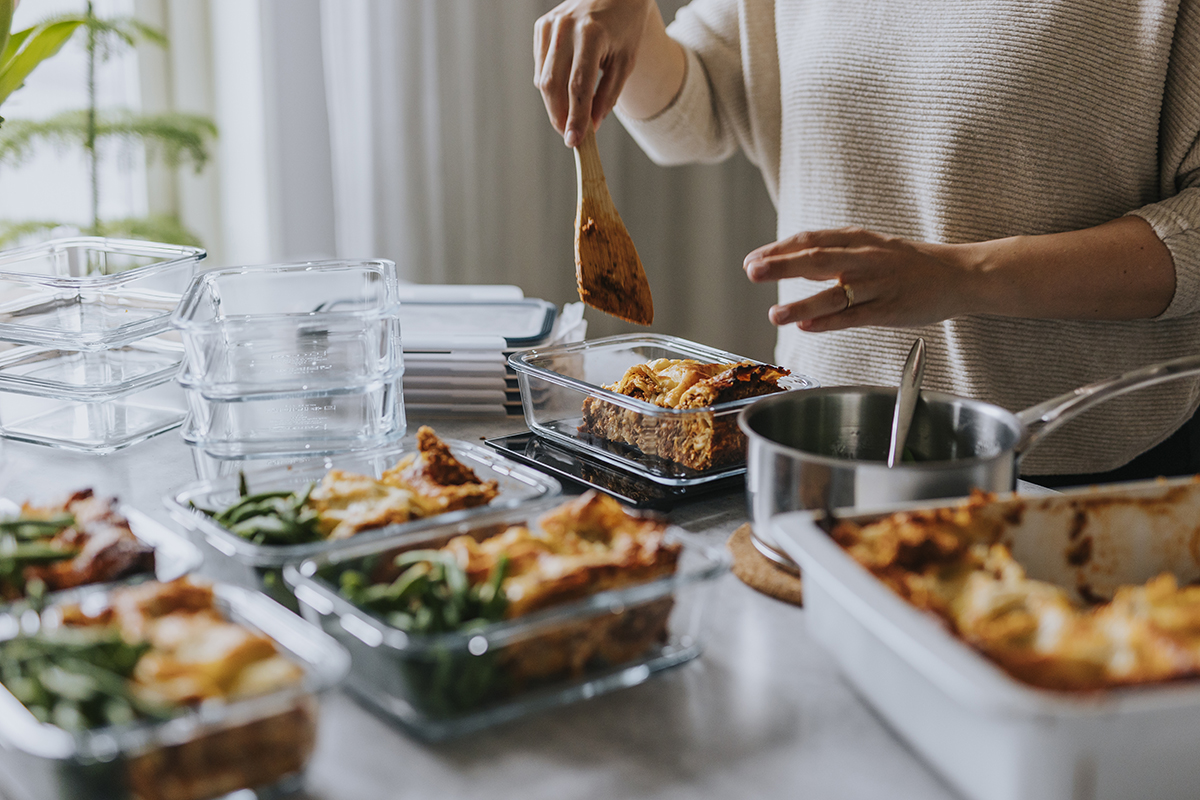
Here's how to make it work
Plan like a pro
Successful batch cooking always begins with a solid plan. Without it, you risk cooking too much, too little, or making meals that don’t keep well.
- Pick recipes that freeze well: Meals like stews, curries, casseroles, roasted vegetables, and grains freeze beautifully. Avoid delicate dishes like pasta salads or creamy sauces that separate when frozen.
- Create a menu before shopping: Decide what meals you want for the week, then write a grocery list. This prevents overbuying and ensures you have all ingredients on hand.
- Use what you already have: Check your pantry and freezer first to build meals around existing staples, saving money and reducing waste.
- Consider dietary needs: If you’re cooking for family members with allergies or preferences, plan meals that can be easily modified or cooked separately.
Pro tip: Organise your shopping list by supermarket sections (produce, dairy, meat, etc.) to speed up your trips and avoid forgetting essentials.
Invest in storage
The right containers are your batch cooking best friend. Investing in quality storage solutions keeps your meals fresh and your fridge or freezer tidy.
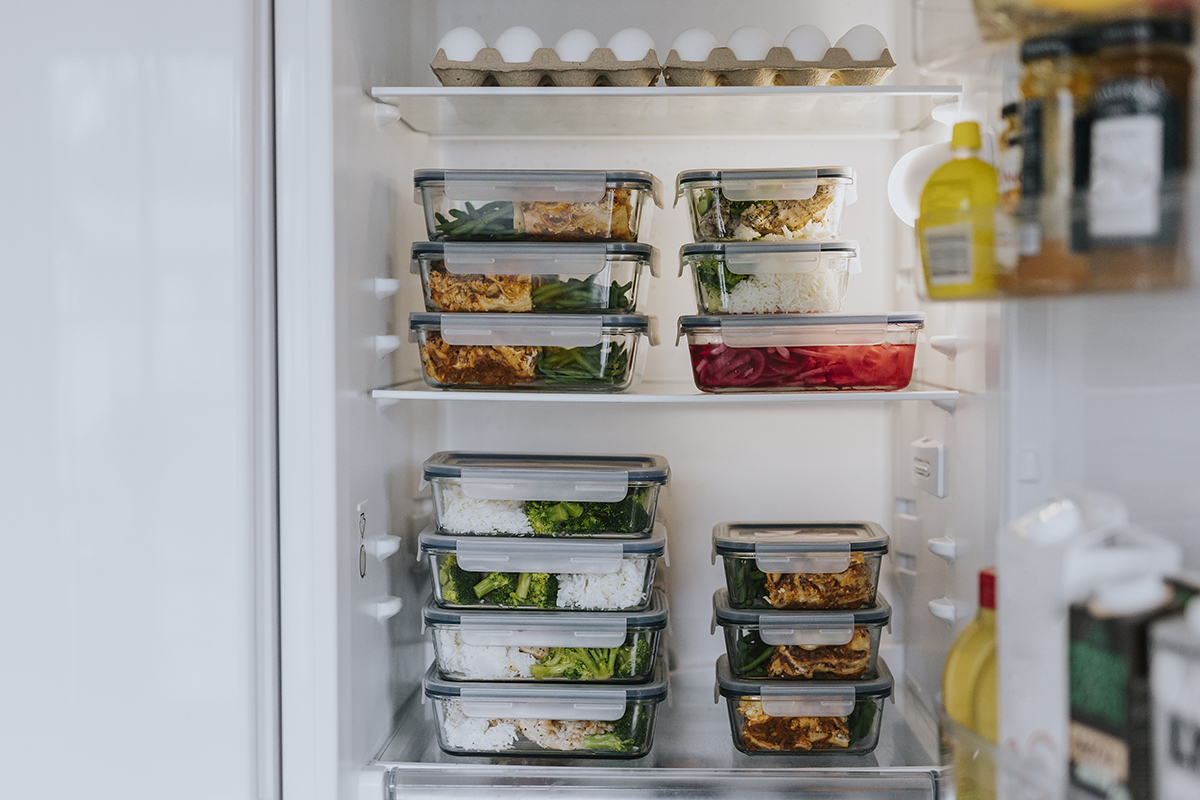
- Choose clear, stackable containers: These save space and let you instantly see what’s inside without opening lids. Glass containers are durable and microwave-safe but heavier; BPA-free plastic is lightweight and affordable.
- Label everything: Write the date and meal name on each container to avoid confusion and track freshness.
- Portion smart: Store meals in single or family-sized portions depending on your needs. This makes reheating faster and easier, especially for lunches or solo dinners.
Pro tip: Using uniform containers maximises stacking efficiency and helps you organise your fridge and freezer.
Cook smart, not hard
Batch cooking is all about working efficiently, not working harder.
- Batch ingredients together: Roast all vegetables at once, cook grains in large pots, or simmer proteins like chicken or beans simultaneously. This cuts down on active cooking time.
- Use kitchen gadgets: Slow cookers, instant pots, and air fryers can speed up cooking and allow for multitasking. For example, start a slow cooker meal in the morning and have dinner ready by evening.
- Double up recipes: Cook twice the amount of a meal you love. Eat half fresh and freeze the rest for later weeks.
Pro tip: Keep “go-to” pantry staples like canned beans, rice, frozen vegetables, and sauces ready for quick throw-together meals when you’re short on time.
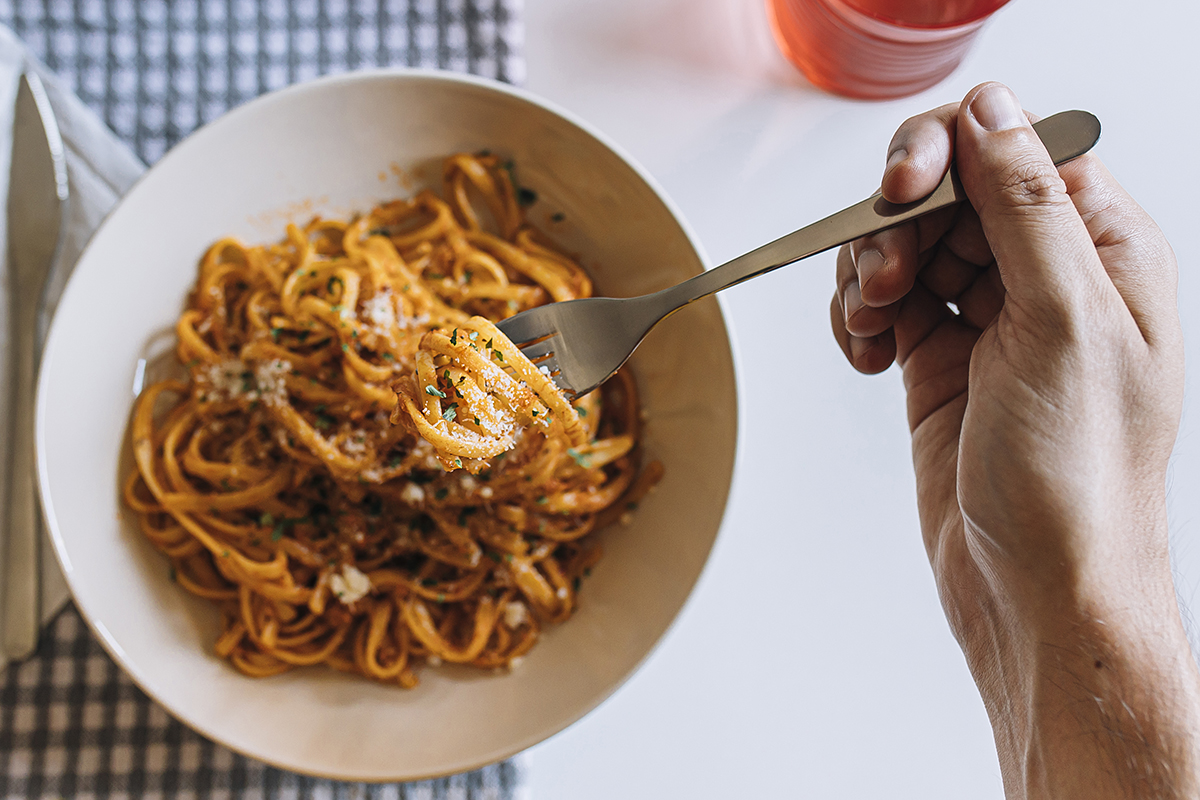
Mix and match
Repetition is the enemy of meal boredom. Mixing components allows you to enjoy variety without extra cooking.
- Cook bases separately: Prepare large batches of rice, roasted veggies, and proteins, then combine them differently for new meals.
- Change the flavour: Use different sauces like soy stir-fry, curry paste, or homemade vinaigrettes to switch up tastes.
- Experiment with herbs and spices: Fresh herbs, dried spices, or a squeeze of lemon can transform a dish’s profile.
Pro tip: Freeze sauces separately in small containers to keep meals fresh and customise flavours at mealtime.
Keep it fresh
Batch cooking doesn’t mean eating boring leftovers. How you freeze, store, and reheat your meals matters.
- Freeze wisely: Most meals keep well for 3-4 months. Avoid refreezing previously frozen items to maintain quality.
- Reheat gently: Microwave or oven reheating can dry food out. Try adding a splash of water or broth and covering dishes to retain moisture.
- Add fresh garnishes: Toss in chopped herbs, a squeeze of citrus, or a handful of fresh greens to brighten reheated meals.
Pro tip: Eat older meals first to avoid waste and keep your freezer organised with “first in, first out” labelling.
Clean as you go
A cluttered kitchen kills batch cooking motivation. Keeping tidy while you cook saves time later.
- Wash utensils and bowls as you use them: This prevents pile-ups and frees counter space.
- Line trays with parchment or foil: It makes roasting vegetables or baking easier to clean.
- Keep work areas organised: Wipe down surfaces regularly and store ingredients neatly.
Pro tip: A clean, organised kitchen makes batch cooking feel like a breeze rather than a chore.
Make it routine
Consistency is the key to making batch cooking sustainable.
- Pick a weekly prep day: Sunday afternoons work for many but find a time that suits your schedule.
- Start small: If new to batch cooking, begin with two or three meals and gradually add more as you get comfortable.
- Review and adjust: Keep notes on what meals worked, which were favourites, and how much you cooked to refine your plan.
- Involve the family: Kids and partners can help with prepping and cooking, speeding up the process and teaching valuable skills.
Batch cooking can be a life-changing habit. It saves time, money, and stress, while encouraging healthier eating and reducing waste. Give it a try this week — with a little practice, you’ll wonder how you ever managed without it. Your future self (and your fridge) will thank you.