
Doctors reveal how to stay hydrated during a heatwave
When temperatures climb above 30 degrees, it’s easy to fantasize about ice-cold Coke cans or fruity smoothies – but these refreshing yet sugary drinks could actually dehydrate you. During a heatwave, we need significantly more fluids, with doctors recommending at least three litres a day to replenish what we lose through sweat.
Being hydrated is key to good health. But despite a viral WaterTok trend on social media, where people share ‘recipes’ for flavouring their water, nutritionists reveal many of us still don’t drink the amount of fluid we need in a day, or even realise we are dehydrated. And too little hydration could be the cause of all kinds of niggly health issues you never realised, from constipation to headaches, lack of concentration to dry skin.
Luckily, it’s simple to remedy. Here’s how and why you should stay hydrated…
Why do we need water?
Basically, water is essential to life. Because our bodies are made up of around 60 per cent water, it’s needed for everything from sweating for temperature-regulation to joint lubrication and even breathing. Which means it’s vital to replace fluid loss throughout the day, by drinking.
‘Water is essential for virtually every physiological function,’ explains Thalia Pellegrini, registered nutritional therapist. ‘It maintains cells, helps move nutrients around, controls body temperature, keeps joints moving smoothly and supports digestion and getting rid of waste.’
Wondering why you are feeling tired all the time? Could be the lack of that extra glass of water. Even the slightest drop in hydration levels will have an impact, Thalia says. ‘Even being a little dehydrated can leave you feeling tired or low on energy.’
Why not drinking enough is bad for you
If you take in less fluid than you lose, you’ll start to become dehydrated, which can have immediate effects, quite rapidly escalating into severe problems. It’s worse in babies, children and the elderly, according to the NHS guidelines.
You can become dehydrated more quickly if you are sick, have diarrhoea, suffer heatstroke, have drunk too much alcohol, exercised, have a high temperature, diabetes or take other diuretics. Dehydration can manifest as headaches, dizziness and feeling weak. Let it go on too long and it can cause confusion, drowsiness, fainting and palpitations.
It can also affect your skin, causing dryness, flaky skin, lines and breakouts and hair can become brittle and damaged.
How to tell if you’re dehydrated
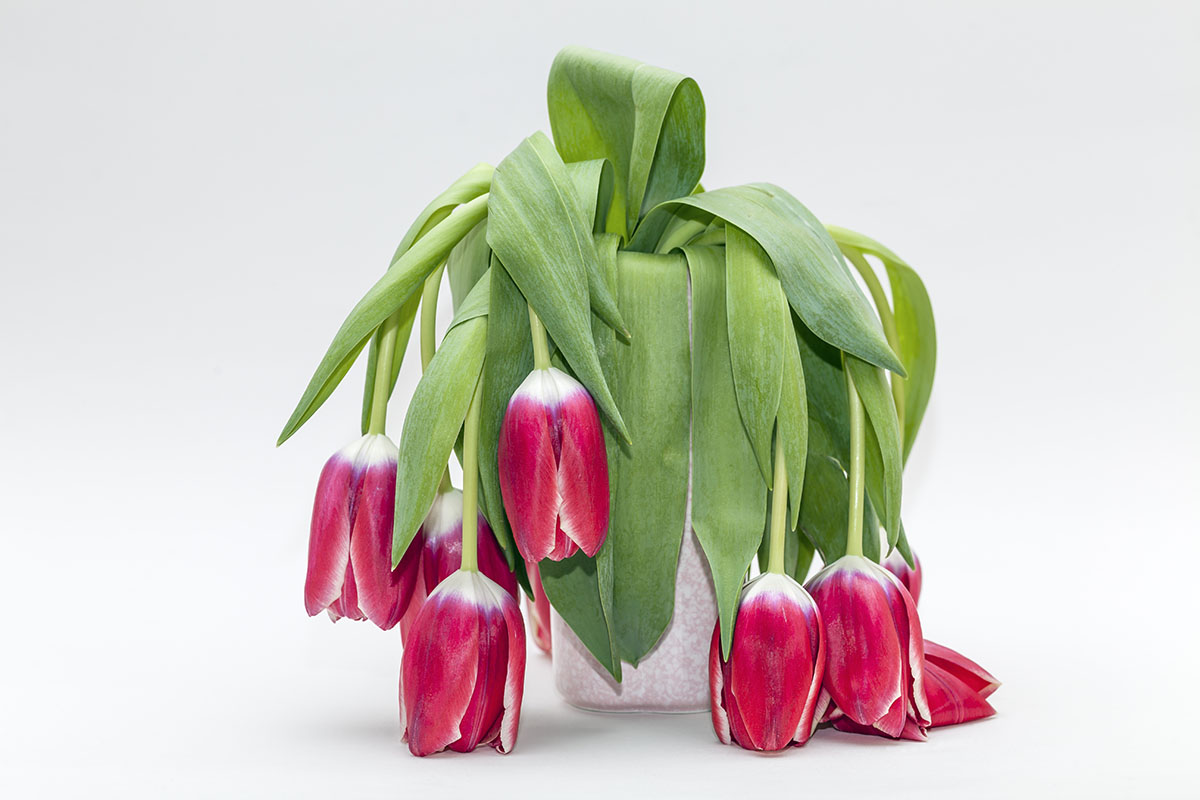
The good news is, it’s easy to tell you’re dehydrated. The first sign is going to the toilet less than usual and noticing your pee is a dark yellow colour, instead of light yellow. Another giveaway is a dry mouth and feeling thirsty. You can also get a headache, sunken eyes, dizziness and a slow, or racing, pulse. Drinking too little fluid can also make you constipated and have hard stools.
‘Thirst is a good indicator that you need to drink,’ says Thalia. ‘The colour of your wee can also show that you’re dehydrated, if you see it’s very dark.’ The key is to take notice of symptoms like headaches. ‘Tiredness, headaches or dizziness may also be symptoms of dehydration,’ she says.
How much water should we really drink?
The standard guideline is six to eight glasses a day. So is that true? Not always, says Thalia, although it’s a good general rule. ‘It actually depends on your age, weight, level of activity and even where you live. If you live in a hotter climate and you’re very active, your need for hydration will be greater than if you live in a cooler climate and are sedentary. But the eight glasses rule is a reasonable guide for most people,’ she says.
Instead, Thalia says, always listen to your body and make sure you feel hydrated enough for you.
Does it have to be water?
Good news for those who don’t like chugging gallons of water is that any fluid counts towards your eight-glass rule, although some drinks might bring their own problems. If you drink too many sugary drinks, for example, you are going to be doing damage to your teeth and waistline and too many caffeinated drinks can have a diuretic effect and undo the good you are trying to do.
Also, be cautious of the social media trend, WaterTok, where influencers on TikTok share their flavoured-water recipes, using syrups and sweeteners, which might not be the healthiest options. Nutritionists advise combining water intake with non-alcoholic, non-caffeinated drinks, such as herbal teas, naturally-flavoured water, or very diluted squash.
‘Plain water is ideal, but all non-alcoholic fluids contribute to hydration, including milk and tea and coffee,’ says Thalia. While tea and coffee are fine in moderation, if you are dehydrated, she says, they wouldn’t be first choice. ‘Tea and coffee are mildly diuretic so if you’re dehydrated, I’d opt for non-caffeinated drinks.’
Does food keep you hydrated?
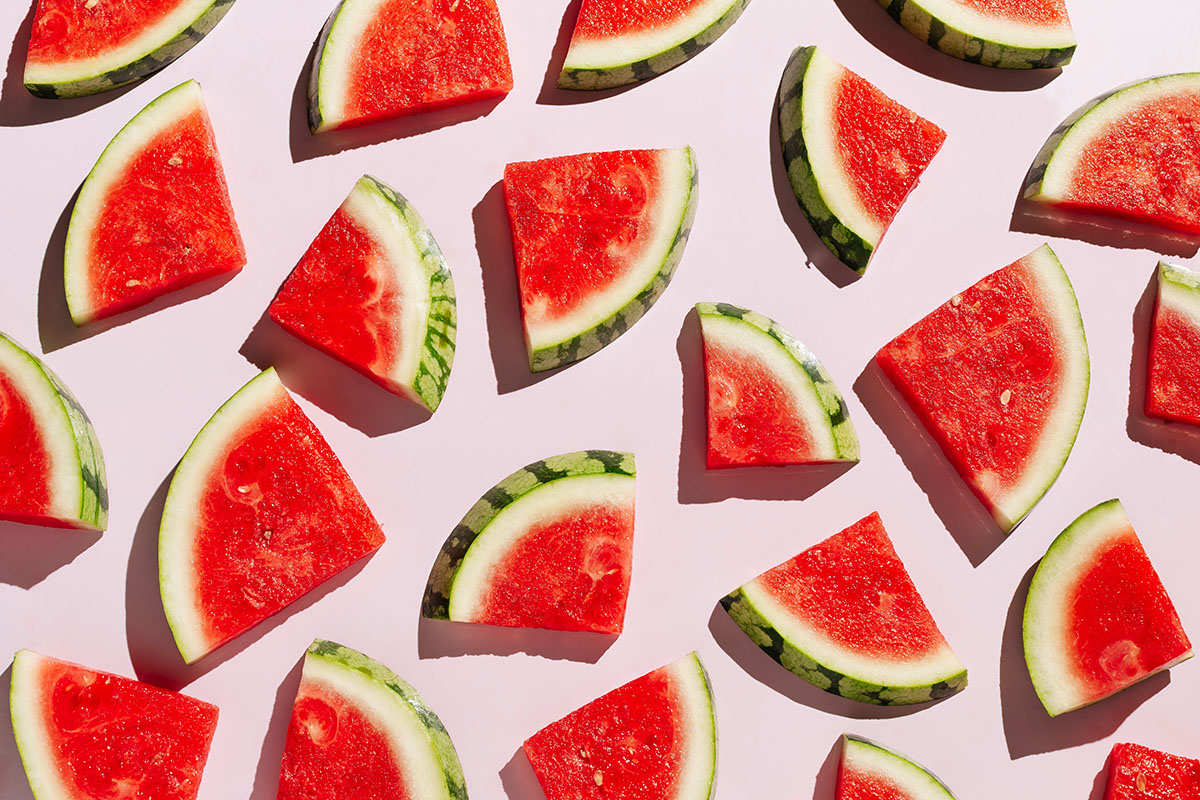
Yes! You can up your fluid intake with food, too. As well as obvious choices such as broth or soup – long been used for their restorative power when someone is ill – many fruits and vegetables are high in water, which counts towards your fluid intake.
Think cucumbers, celery, lettuce, spinach, watermelon, strawberries, tomatoes, melon, broccoli, oranges and apples. High-water foods are not only hydrating, they’re packed with nutritional value too.
Should you take electrolytes?
Electrolytes – minerals essential to bodily function – help regulate fluid in the body and if depleted, cause problems. It’s a delicate balance and sometimes levels go too low due to extreme exercise, vomiting or diarrhoea. That’s when a supplement, such as an electrolyte drink, powder or gel, will help restore energy. Hydration energy gels are also often used by endurance athletes.
According to experts, our bodies maintain our electrolyte levels most of the time, so there’s no need to supplement them daily. ‘Most people don’t need to add electrolyte products to their day-to-day life,’ says Thalia. ‘However, electrolyte drinks can be useful in hot climates or if you’re very active. Hydration gels and powders can also be helpful for athletes or post-illness.’
Can you drink too much?
While most of us worry we don’t drink enough water, you can drink too much. There’s no need to worry – if you overdo it by a glass or two, all that will happen is you need to go to the toilet more, but if you drink so much water you overload your kidneys, then that leads to a condition called hyponatremia, or ‘water poisoning’.
This causes a low sodium levels in the blood and can lead to headache and nausea, confusion and fatigue and in extreme cases, seizures, coma and even death. But don’t worry – it’s a rare condition and you’d have to drink multiple litres of water in a short time to over-hydrate.
According to the Cleveland Clinic, an average person pees out about one to two litres of fluid a day and over-hydration would occur if you drank double that over a couple of hours.
Do you need a special bottle?
The water bottle industry is a multi-billion-dollar business, but the jury is out as to whether a high-tech, or designer bottle, is actually better than a standard one, or, even, dare we suggest, a glass. ‘Smart bottles’, promise to track your water intake, sometimes via an app and oversized designer bottles, like Stanley Cups, are meant to encourage you to drink more.
Although research from Oxford University has shown drinking through a straw does make you imbibe more, nutritionists say, in the end, a glass of water will do the same trick as expensive bottles or gadgets.
‘Large water bottles are certainly helpful if you’re on the move all day, but if you’re sitting at a desk, then just having a big jug of fruit-flavoured water will do the same thing and it’s much cheaper,’ says Thalia.
6 hacks to drink more
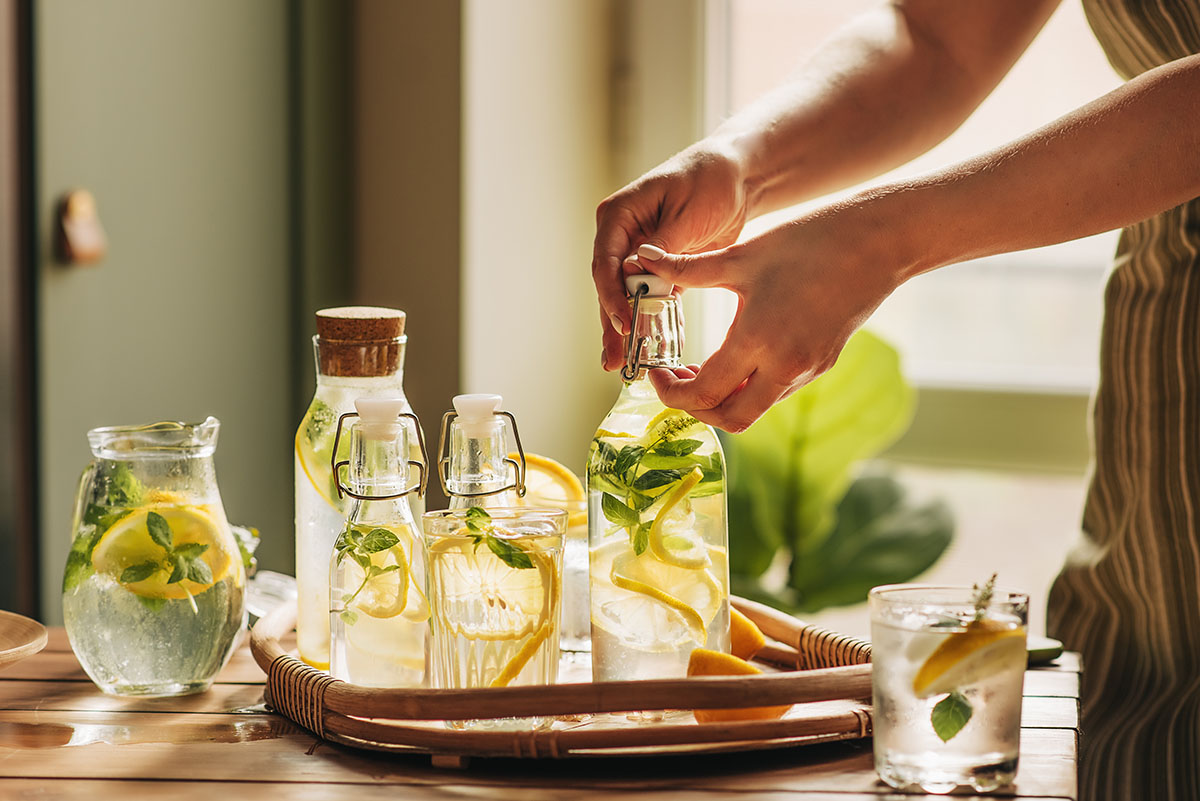
1. Infuse your water with cucumber, lemon or mint
2. Hydrate through foods like celery and cucumber, which are 95-96 per cent water
3. Pair water with routine: put a glass of water by your bed and drink it in the morning
4. Invest in a nice water bottle or jug and sip from it all day
5. Set timers, or use hydration and water-tracker apps
6. Drink out of a curved-sided glass. According to research from Cambridge University, people drink more out of sloping-sided glasses than straight ones
Dos and don’ts of hydration
Do: Try for 6-8 glasses of fluid a day
Don’t: Have too many drinks which are high in sugar
Do: Try WaterTok, but use natural ingredients to flavour your water
Don’t: Forget to drink more if you’ve been exercising, or it’s hot
Do: Limit your daily caffeine intake to around 400mg, or 4-5 cups of coffee
Don’t: Drink more than 150ml of smoothies or fruit juices per day
Read more:
