
This overlooked tongue symptom could reveal a serious health issue
Most of us brush our teeth twice a day without giving our tongue a second thought. But according to health experts, that small muscle sitting in the middle of your mouth can reveal surprising clues about your overall health.
Changes in colour, texture, swelling or sores can sometimes signal everything from vitamin deficiencies to infections and in rare cases, something more serious. While many tongue changes are harmless and temporary, others shouldn’t be ignored.
Doctors say your tongue can act as an early warning system. “The mouth is often the first place we see signs of systemic illness,” many clinicians note, particularly when it comes to immune disorders, nutritional deficiencies and infections.
So, what exactly should you be looking out for?
- Think you’re looking after your teeth? Celebrity dentist says you’re missing this vital step
- Slept 8 hours but still tired? Expert explains the worrying reason why
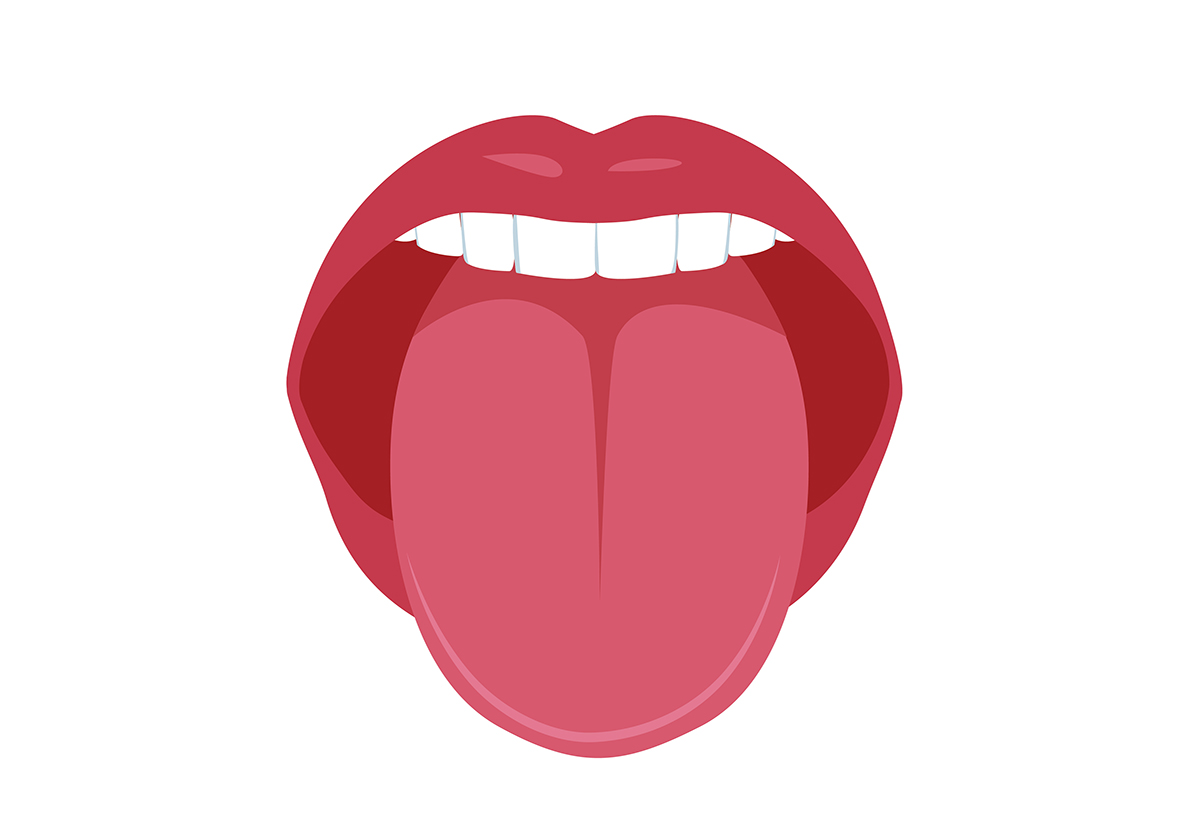
A bright red tongue could signal a deficiency
If your tongue looks unusually red, almost like a strawberry, it could be linked to a vitamin deficiency.
Low levels of vitamin B12, folate or iron can lead to a smooth, red tongue that may also feel sore or tender. In medical terms, this is sometimes referred to as glossitis.
A B12 deficiency in particular can also cause fatigue, tingling in the hands and feet, and memory problems. Iron deficiency may come with pale skin and weakness.
While a red tongue alone doesn’t confirm a diagnosis, it’s worth speaking to a GP if the colour change persists, especially if accompanied by other symptoms. Blood tests can quickly check vitamin levels.
White patches that won’t go away
White patches on the tongue are common and often harmless. They may simply be caused by dehydration, irritation or poor oral hygiene.
However, persistent white patches that cannot be scraped off should be checked by a doctor or dentist. In some cases, they could indicate oral thrush, a fungal infection caused by an overgrowth of yeast, particularly in people with weakened immune systems.
In rarer cases, stubborn white patches may be leukoplakia, a condition sometimes linked to tobacco use and long-term irritation. Although leukoplakia is usually benign, it can occasionally develop into oral cancer.
If a white patch lasts more than two weeks, gets thicker, or starts to change in appearance, it’s important to get it examined.

A black or hairy-looking tongue
It might sound alarming, but a black or hairy tongue is usually harmless, though it can look dramatic.
This condition happens when tiny bumps on the tongue’s surface (papillae) grow longer than usual and trap bacteria, food or dead skin cells. The result? A dark, furry appearance.
Common causes include smoking, certain antibiotics, excessive coffee or tea consumption, and poor oral hygiene.
Although it’s rarely dangerous, it can sometimes cause bad breath or an altered taste. Brushing the tongue gently and improving oral hygiene usually resolves it.
Painful ulcers that linger
Mouth ulcers are common and usually heal within a week or two. They can be triggered by stress, minor injury (like biting your tongue), hormonal changes or certain foods.
However, ulcers that persist longer than three weeks, bleed easily, or grow larger over time should not be ignored.
Persistent sores can sometimes be an early sign of oral cancer. According to the NHS, symptoms of mouth cancer can include non-healing ulcers, unexplained lumps, or red and white patches in the mouth.
Tobacco and heavy alcohol use as major risk factors for oral cancers globally. Early detection dramatically improves outcomes, so any ulcer that doesn’t heal warrants medical advice.

A swollen tongue
A tongue that suddenly swells can be a medical emergency.
Rapid swelling may signal an allergic reaction, particularly if accompanied by difficulty breathing, wheezing, or swelling of the lips and throat. This condition, known as angioedema, can become life-threatening and requires urgent treatment.
Less dramatically, chronic swelling may be linked to hypothyroidism, infection, or nutritional deficiencies.
If swelling is severe or interferes with breathing, call emergency services immediately.
A pale tongue
A very pale tongue may indicate anaemia, a condition where your body doesn’t have enough healthy red blood cells to carry oxygen effectively.
Iron deficiency is one of the most common causes of anaemia, particularly in women of childbearing age. Symptoms can include fatigue, shortness of breath, dizziness and brittle nails.
A pale tongue on its own isn’t proof of anaemia, but if combined with other symptoms, it’s worth discussing with a doctor.
Cracks and deep grooves
Many people naturally have fissures or grooves on their tongue, known as fissured tongue. In most cases, this is harmless and simply a variation of normal anatomy.
However, deep cracks can sometimes trap food and bacteria, leading to irritation or bad breath.
In rare cases, fissured tongue has been associated with conditions such as psoriasis or certain genetic syndromes, though this is uncommon.
If cracks are painful or inflamed, a dentist or GP can advise on treatment.
A map-like pattern
If your tongue appears to have red patches with white borders that seem to move around, you may have geographic tongue.
This harmless condition creates smooth, map-like patterns on the tongue’s surface. The patches can change location over days or weeks.
Though usually painless, some people report sensitivity to spicy or acidic foods.
Geographic tongue isn’t dangerous, but if you’re unsure about what you’re seeing, it’s always wise to have it checked.

A constantly dry tongue could be more than dehydration
We’ve all woken up with a dry mouth after a bad night’s sleep. But if your tongue regularly feels dry, sticky or uncomfortable, even when you’re drinking enough fluids, it could signal something more.
Dry mouth, known medically as xerostomia, happens when your body doesn’t produce enough saliva. Saliva isn’t just there to help you swallow, it protects your teeth, controls bacteria and helps prevent infection. Without enough of it, the tongue can feel sore, cracked or unusually smooth.
Persistent dryness may be linked to:
- Diabetes
- Side effects from common medications such as antidepressants or antihistamines
- Autoimmune conditions including Sjögren's syndrome
- Hormonal changes
- Nerve damage
In some cases, dry mouth can also increase the risk of oral thrush, bad breath and tooth decay because bacteria thrive when saliva levels drop.
If your tongue feels dry most days, especially alongside fatigue, joint pain or swollen glands, it’s worth speaking to your GP.
A trembling or twitching tongue
A slight quiver in your tongue might sound unusual but it can happen.
If you stick your tongue out and notice fine shaking or trembling, it’s often harmless. Anxiety, stress and even excess caffeine can trigger temporary muscle tremors. The tongue, like any muscle, responds to nervous system signals and heightened stress can make those signals more noticeable.
However, persistent or worsening tremors shouldn’t be ignored.
In rare cases, tongue twitching may be linked to:
- Overactive thyroid
- Vitamin deficiencies
- Neurological conditions affecting muscle control
- Side effects of certain medications
Most of the time, mild trembling is nothing serious particularly if it comes and goes. But if it’s accompanied by speech difficulties, muscle weakness, or coordination problems, medical advice is essential.
The key difference? Temporary shaking after a stressful day is common. Ongoing, unexplained tremor deserves a check-up.

Losing your sense of taste
A sudden change in taste, whether food seems metallic, bland or completely flavourless can be unsettling.
Loss of taste (ageusia) or altered taste (dysgeusia) can sometimes occur after viral infections. Many people became more aware of this symptom during the COVID-19 pandemic, when changes in taste and smell were widely reported.
But viruses aren’t the only cause.
Changes in taste can also be linked to:
- Zinc deficiency
- Nerve damage
- Certain medications
- Smoking
- Oral infections
- Acid reflux
Sometimes the tongue may look perfectly normal while taste perception changes which can delay people seeking advice.
If taste doesn’t return within a few weeks, or is accompanied by numbness, burning sensations or unexplained weight loss, it should be investigated.
Taste plays a crucial role in nutrition and appetite. Prolonged disruption can affect overall health, particularly in older adults.
Persistent bad breath
Chronic bad breath (halitosis) can sometimes be linked to the tongue.
Bacteria trapped in the grooves of the tongue release sulphur compounds that create unpleasant odours. While this is often related to oral hygiene, it can also signal gum disease or infection.
Occasionally, persistent bad breath may be linked to underlying medical issues such as diabetes, sinus infections or digestive problems.
Regular tongue cleaning with a scraper or soft toothbrush can help reduce bacterial buildup.
A burning sensation
A burning or tingling feeling on the tongue without visible changes can be frustrating and uncomfortable.
This may be linked to hormonal changes (particularly during menopause), stress, anxiety, dry mouth or nutritional deficiencies.
A condition known as burning mouth syndrome can cause chronic discomfort. While not life-threatening, it can significantly impact quality of life. If symptoms persist, a GP may investigate underlying causes.
Unusual lumps or thickened areas
Any unexplained lump, thickened patch, or change in texture on the tongue should be evaluated.
While many lumps are benign, such as traumatic fibromas caused by repeated biting, others could be more serious.
The Oral Health Foundation advises seeking professional advice if you notice a persistent lump, difficulty swallowing, numbness, or changes in speech. Early diagnosis is key when it comes to oral cancers and other serious conditions.

A yellow coating
A yellow tongue is often caused by a buildup of bacteria, especially if oral hygiene has slipped.
It may also be linked to smoking or dry mouth.
In some cases, a yellowish coating can be associated with digestive issues or acid reflux, though this is less common.
Improved brushing, flossing and tongue cleaning typically resolve it.
Bluish or purple colouring
A blue or purple tint to the tongue can indicate poor oxygen circulation in the blood.
This may occur in heart or lung conditions where oxygen levels are reduced.
If a bluish tongue appears suddenly or is accompanied by breathlessness, chest pain or dizziness, seek urgent medical care.
When should you see a doctor?
Most tongue changes are harmless and temporary. But you should seek medical advice if you notice:
- Changes lasting more than two to three weeks
- Persistent pain or swelling
- Difficulty swallowing or speaking
- A lump or thickened patch
- Unexplained bleeding
- Sudden severe swelling
Your dentist is often the first line of defence. Many oral health issues are detected during routine dental check-ups before symptoms become severe.
Most tongue changes are harmless and easily treated. But if something looks unusual, painful or persistent, don’t ignore it. Get a check with a healthcare professional.
Read more:
