
Now is the best time to try for a baby. Boost your chances of conceiving quicker
Have you ever wondered why so many friends and family members have birthdays in September? You’re not imagining it; September is the most popular birth month across the UK! It’s thought that the high number of September birthdays is associated with an increase in alcohol intake, time off, and partying at Christmas, which have all been linked with an increased number of sex sessions.
Scientists have proposed their own hypotheses to explain the high conception rates in December, but these remain largely speculative. One theory suggests that sperm are less potent during the summer. Others think shorter daylight hours during the winter could affect our hormone functions.
If you’d like to have a baby next year, there are steps you can take now to prepare your body, optimise your fertility, and increase your chances of getting pregnant (or getting your partner pregnant).
Start taking supplements ASAP
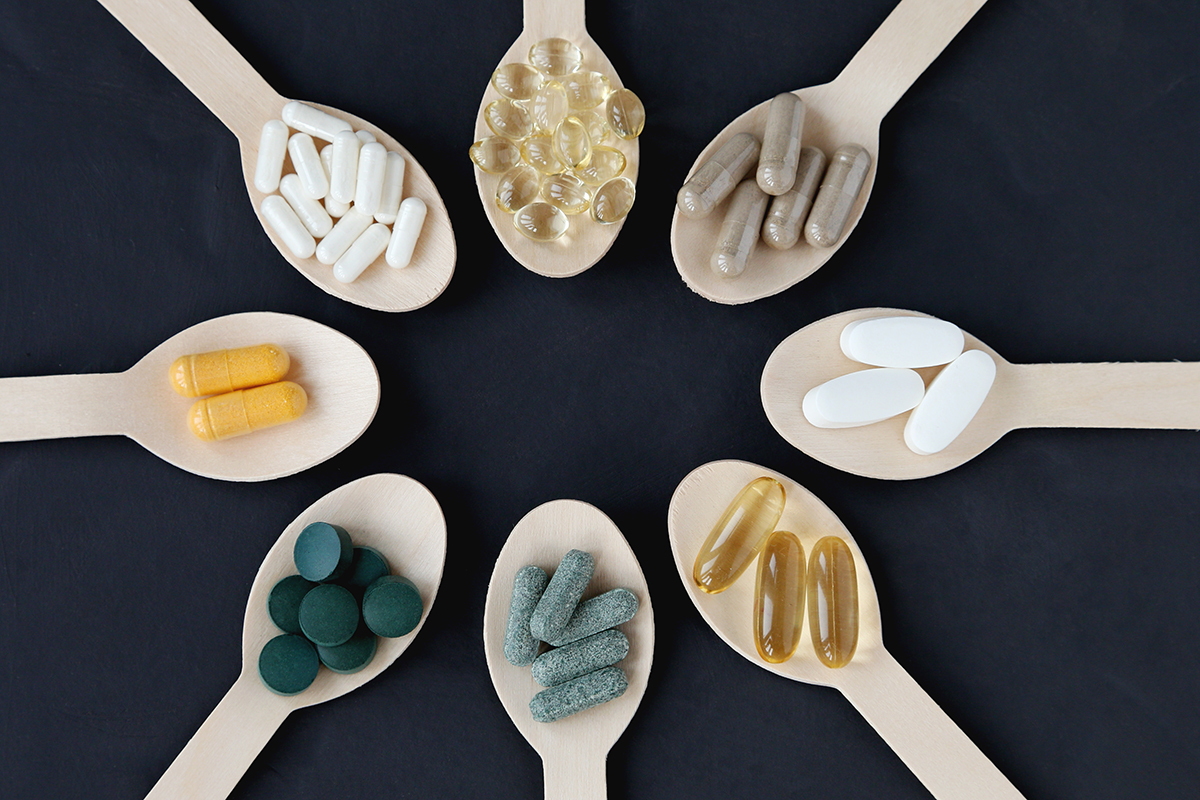
Umar Razzaq, a pharmacist with over 20 years’ experience and co-founder of Pharmacy Online, says when it comes to fertility, you should start taking supplements around three months before conception. ‘However, several supplements and ‘fertility boosters’ are marketed with big claims, but the evidence behind them is often limited or inconsistent.’
Razzaq recommends the following supplements:
For women:
- Folic acid (400 mcg daily): This doesn’t boost fertility, but it is essential for all women trying to conceive as it protects early foetal development and reduces the risk of neural tube defects.
- Vitamin D (10 mcg daily): Particularly important during autumn and winter months, supports general health during early pregnancy.
For men:
- CoQ10: Analysis of studies has shown that supplementation with CoQ10 has a beneficial effect on seminal quality, especially regarding sperm motility.
- Zinc: This is an essential element for testosterone synthesis and sperm production, according to research.
- Omega-3 fatty acids: Improve sperm morphology and motility.
Get to know your cycle
One of the simplest, most effective (and obvious) things you can do is know your cycle well and when you will ovulate. So, when exactly does ovulation take place?
Gynaecologist Dr Gail Clifford says, ‘You’ll generally ovulate about 14 days before your period arrives, meaning that in a 28-day menstrual cycle, ovulation will take place somewhere around the 14th day. However, only 16% of women actually have a 28-day cycle, meaning that you could ovulate either earlier or later than the 14th day, depending on the length of your cycle.’
In reality, there may be around six days of the month that could be classed as a ‘fertile window’ in which you may be able to conceive. Clifford explains, ‘Sperm can live in the female genital tract for up to five days, so if you have sex in the five days leading up to ovulation, these sperm have the potential to wait inside your reproductive system and fertilise it. That means those five days before ovulation form the first part of your fertile window.’
The second part refers to ovulation itself, the moment when one of your ovaries releases an egg. The egg is available to be fertilised for between 12 and 24 hours, meaning your fertile window spans around six days in total.
Remember that you don’t have to have sex constantly during your fertile window (unless you want to!). ‘It doesn’t really matter how often you have sex. As much as a couple wants to do it is fine if it’s around the fertile window,’ Clifford explains.

Exercise – but don’t overdo it
Urologist Dr Justin Houman says moderate, consistent exercise boosts fertility by improving insulin sensitivity and lowering stress. Even squeezing in a daily brisk walk is enough to get your heart rate up and contribute to good health.
Just be careful not to overdo it; some studies have suggested that extreme exercise may disrupt ovulation, and it’s not a good idea for men either. ‘Too much high-intensity training, particularly endurance sports like long-distance cycling or triathlons, can suppress testosterone, increase oxidative stress, and impair sperm production,’ says Houman
Boost your antioxidant intake
Egg and sperm cells are surprisingly delicate. According to fertility coach Erica Hoke, ‘They’re vulnerable to oxidative stress—a kind of cellular ‘rust’ caused by free radicals. Inside the body, antioxidants are the natural counterbalance, slowing that cellular wear-and-tear.’
For women, this matters in the months leading up to ovulation, as eggs are maturing during that time. It takes three months for eggs to reach maturity. For men, antioxidants have been linked with better sperm count and motility.
Hoke says, ‘There isn’t one magic food that flips a fertility switch. However, consistently incorporating antioxidant-rich foods into your meals creates a foundation of vitamins and micronutrients that support better reproductive health. Think of it as lowering the background noise so your body can focus on what it’s meant to do. To boost your antioxidant intake, add these to your diet:
- Blueberries - frozen work just as well as fresh
- Spinach and kale
- Nuts and seeds, especially almonds and sunflower seeds, for vitamin E
- Green tea—not fancy matcha, just a simple brew can do the trick. Research shows that green tea delivers polyphenols that not only help combat oxidative stress but also regulate hormones.
Hoke says, ‘I often suggest clients aim for a colour check at each meal. If your plate looks beige, you’re missing out. Add something green, red, or purple, and you’ve just upgraded your antioxidant intake without overthinking it.’

A healthy diet helps sperm production, too
Dr Ravina Bhanot, a GP specialised in women's health, contraception, and menopause, says, ‘Sperm responds quickly to nutrition changes – within about three months. Simple swaps like cutting back on processed meats, refined sugar, and alcohol while adding in zinc-rich foods (pumpkin seeds, shellfish), antioxidants (berries, green tea), and omega-3s (salmon, walnuts, chia seeds) can improve sperm motility and quality significantly.’
Pesticides may also play a role in fertility. Studies showed that men consuming fruit and vegetables with a high level of residual pesticide had a 49% lower total sperm count and a 32% lower percentage of normal-shaped sperm as compared to men who had less intake. Ensure that you wash your fruit and vegetables thoroughly, or opt for organic options instead.
Cut back on alcohol
While an occasional glass of wine isn’t going to affect your fertility, you might consider avoiding alcohol if you’re trying to conceive. As Bhanot says, no amount of alcohol is considered safe to drink while pregnant, and since you won’t know the exact moment you conceive, doctors suggest skipping it altogether. ‘Your partner may want to limit their drinking as well. Research has found that heavy alcohol consumption can affect a man’s sperm count and quality.’

Improve your gut health
Angela Ferguson, a nutritional therapist and founder of Freya Clinic, notes that the connection between gut health and reproductive function is scientifically proven. Therefore, couples should consider using specific probiotics and prebiotic foods to regulate hormone metabolism and inflammation.
Ferguson says, ‘Your gut isn’t just about digestion – it’s a key player in hormone balance. The microbiome helps metabolise oestrogen, and when the gut is inflamed or imbalanced, women can experience oestrogen dominance or low progesterone. Both can make conception more difficult. Supporting gut health through fibre-rich foods, probiotics, and reducing processed foods can help create a hormonal environment that’s much more conducive to pregnancy.’
Reduce outside stress
As Bhanot says, ‘Stress is one of the biggest hidden blocks to fertility. Chronic stress dysregulates hormones like cortisol and disrupts ovulation. Simple daily practices like breathwork, grounding, or guided nervous system resets can improve reproductive health by restoring the body’s sense of safety.’
Hard as it may be, find calming activities that keep you grounded and bring you joy. This could include gentle yoga, meditation or journaling.

Sleep
Clifford says that improving sleep hygiene will support your overall health and help regulate hormones such as melatonin and cortisol, which are critical to reproductive health. You can help improve your hormonal balance and sleep hygiene in various ways.
For optimal sleep hygiene:
- Determine how many hours of sleep you need, and set a specific time for bedtime and waking up each day. Ideally, adults need between 7 to 9 hours of sleep each night, but everyone is different.
- Set a calming bedtime routine. Ideas vary from person to person, ranging from warm baths and reading to meditative practices and listening to calming music.
- Generally, it’s important to avoid stimulants or super energetic activities within a few hours of bedtime.
- Use blackout curtains, which are helpful in seasons when daylight may extend beyond your bedtime, and for blocking artificial lighting from lamp posts, car lights, security lights, and more.
Be careful with lubricants
While most lubricants no longer contain spermicides, many still contain ingredients such as petroleum, propylene glycol, glycerin, parabens, silicone, and Nonoxynol-9 (sometimes abbreviated as N-9). All of these ingredients can affect sperm motility — the ability of sperm to move properly through a woman’s reproductive tract.
‘These ingredients decrease the ability of the sperm to make it through the product and into the cervix to meet the egg,’ Bhanot says. ‘They also can decrease the viability of the sperm, so even the sperm that actually can move through the product are not as viable when they actually meet the egg.’
Don’t forget to have fun!
When you start trying to conceive, it’s easy to become so hyper-focused on the end goal that you forget to enjoy yourselves.
As Clifford says, ‘Trying to get pregnant can sometimes make doing the deed feel like a chore, so try not to overthink it. Instead, keep things spontaneous, pleasurable and fun. Moreover, make sure to stay connected outside of the bedroom by sharing your feelings and listening to your partner. Getting pregnant can be a rollercoaster ride, but it’s important to keep the experience positive—and that starts with honesty, intimacy and open communication.’

Read more:

