
We’ve all been saturated with stories of amazing weight loss and dropped dress sizes thanks to weight-loss injections.
But what about those of us who don’t want to pay hundreds a month for injections but simply want to lose weight? Can it still be done?
Dieting is still the key to quick sustainable weight loss, says the man who lost 11 stone in just 10 months.
Martin Bryan is a weight loss consultant with The 1:1 Diet by Cambridge Weight Plan. He helps people find a plan that fits their lifestyle and supports them through their weight loss journey.
He says: ‘We meet weekly for weigh-ins and one-to-one support, and during the week I keep them motivated with messages, videos, and transformation photos. My role doesn’t stop when they hit their goal — I help them move into maintenance, which is about changing habits and building a healthy, balanced relationship with food for the long term.’
Martin is not just a consultant. He lost 11 stone in just 10 months with the same diet he now consults on. ‘I’ve now lost 13 stone in total,’ he says.
Martin had tried every diet going including cabbage soup diets, T5 pills, Weight Watchers, Slimming World and Scottish Slimmers.
‘I could lose weight on them but never keep it off long term. I think the difference with The 1:1 Diet is the personal support. Group settings can feel intimidating when you’re struggling or dealing with emotional eating but one-to-one means you can be completely honest and actually deal with what’s behind the habits.’
- Slept 8 hours but still tired? Expert explains the worrying reason why
- This is how to burn more fat when you exercise
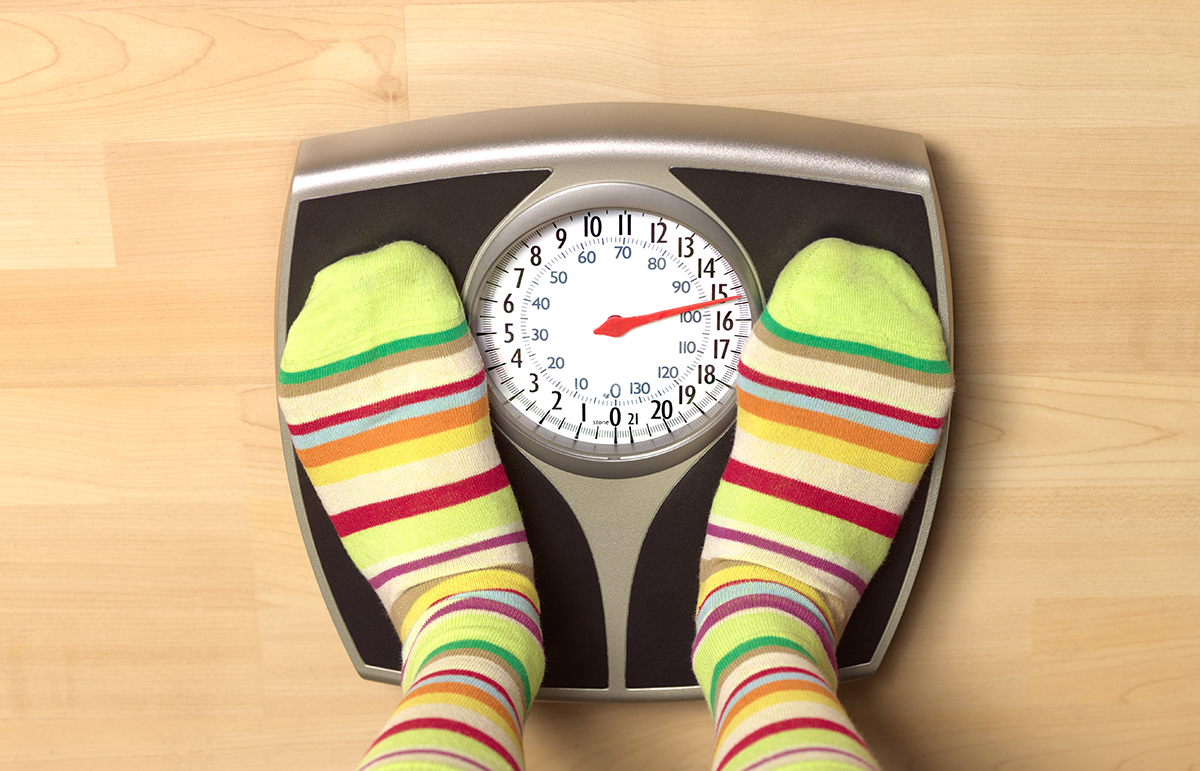
Sustainable ‘old school’
Having lost so much weight and so fast, Martin is an advocate of ‘old school’ dieting. Of the jabs that are now so popular, he says:
‘I understand the appeal because people often want quick results. But I worry about how easy it’s become to get these medications online without proper medical reviews. I’ve seen people accessing them through online pharmacies or even unofficial sources, and that’s risky, especially for anyone with underlying health issues that should be checked first.
‘There’s also very little ongoing support for people on the jabs. I believe that to overcome lifelong issues, you need the right support and accountability. Some people not all, end up eating too little or not getting enough protein and fibre. I do think there’s a place for these medications, but people need the right advice and support alongside them. The jab itself isn’t a diet, it’s a tool. The two should go hand in hand, but the diet side is what teaches you how to live healthily long term. When people stop taking the jab, they need those foundations to keep the weight off.’
Martin adds: ‘Conventional dieting focuses on learning how to eat well, getting the right vitamins, minerals, protein, and fibre, all the things your body needs. That’s what helps with long-term maintenance. For me, keeping my protein and fibre high has been key to staying full and maintaining my weight. I don’t think old-school dieting should ever be overlooked, because it’s still the safest and most sustainable way to achieve real, lasting change.’
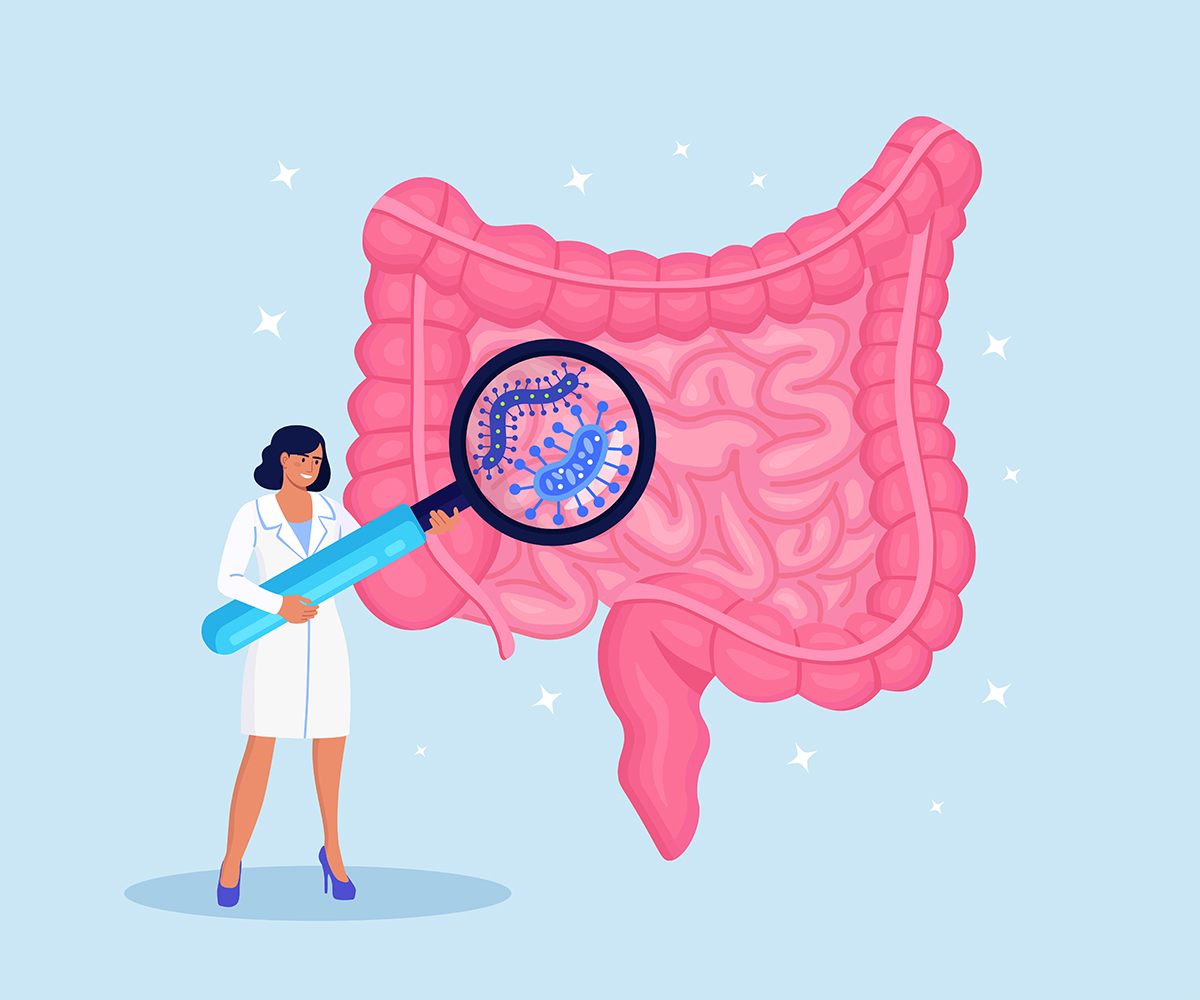
Look at your micro-biome
While ‘old school’ dieting still works, some experts believe it’s nothing until we understand our own micro-biome, the vast ecosystem of micro-organisms that live in our digestive tract.
Prof Anthony Hobson, an internationally renowned clinical GI Scientist and founder of The Functional Gut Clinic – the UK’s first microbiome clinic.
He says: ‘Trillions of microorganisms, including bacteria, fungi, viruses and archaea, that live in our digestive tract and interact with our immune, metabolic and neurological systems. In a balanced state, this microbial community helps us absorb nutrients, feel energised, and maintain good immunity and metabolism. But when disrupted (a state known as dysbiosis), it’s linked to poor nutrient absorption, inflammation, metabolic dysfunction, IBS-type symptoms, low immunity and increased disease risk. Studies have connected gut dysbiosis to conditions ranging from anxiety and depression to type 2 diabetes, liver disease, heart disease and even certain cancers.
‘Emerging research shows that the microbiome can influence how our bodies store fat, regulate appetite, and respond to dietary changes. People with a disrupted or less diverse microbiome may find it harder to lose weight, even with diet and exercise, because their gut bacteria are working against rather than with their metabolism.’

In fact, the professor says that the microbiome can actually help us ‘harvest’ calories from food we can’t normally digest.
‘Like fibre, for example,’ he says. ‘If this is excessive then we harvest extra calories that can contribute to weight gain. One example is methane-producing organisms (Archaea) that slow down transit and harvest extra calories which is great in food-scarce situations but not so good when food is plentiful. Patients with an excessive methane producing microbiome lose 5-10% less weight after bariatric surgery, for example. People with methane often report a bit more constipation, bloating and fatty greasy stools that float so that can be a good indicator.
‘There are subtle signs that your diet might not be supporting a healthy gut microbiome. Floating stools, especially greasy ones, can suggest poor fat absorption and microbial imbalance. Excessive burping or flatulence may point to an overgrowth of methane-producing microbes, which can slow digestion and trigger bloating. If you regularly experience these symptoms after eating, it could be a sign that your gut bacteria are struggling to process certain foods, and that your microbial balance may need support.
‘The Functional Gut Clinic’s new Microbiome Clinic offers a suite of six advanced, evidence-based tests to help decode digestive function and assess microbial health including Stool microbiome analysis, Breath testing, Gut permeability test, Gastric acid output test, Gut motility and transit studies and SIBO testing, a breath test to detect Small Intestine Bacterial Overgrowth, often linked to cramps, nausea and bloating.’

Be consistent and show up – even when you don’t want to!
Jade Millner is a women’s online fitness coach, PT and Founder of Empowerme HQ. She says, ‘The fastest way to lose fat isn’t a jab, a detox, or a miracle plan, it’s showing up when you don’t want to, following your plan and not your mood, and staying consistent even when motivation disappears. If you want results that actually last, for your health, your family, and your future, it’s about doing the work, not chasing shortcuts. The most tried-and-tested method? A minimum of three strength-based workouts a week.
‘Strength training doesn’t just change how your body looks; it changes how it functions. It boosts metabolism, protects bone density, and builds lean muscle, your long-term fat-burning engine.
‘Pair that with real food. Prioritise protein, eat plenty of fibre, and build meals around whole, nutrient-dense foods, not the latest trend on social media. Every woman’s needs are unique, so your nutrition should be personalised to you, not your favourite influencer.’
Jade adds that we must not overlook stress: ‘Your stress hormones play a huge role in how your body stores fat. Chronically high cortisol can completely stall fat loss, no matter how well you eat or train. Managing stress, getting good sleep, and creating daily structure are just as essential as your workouts. In short, you don’t need a fat jab. You need structure. You need consistency. You need to train, eat, and live with intent.’
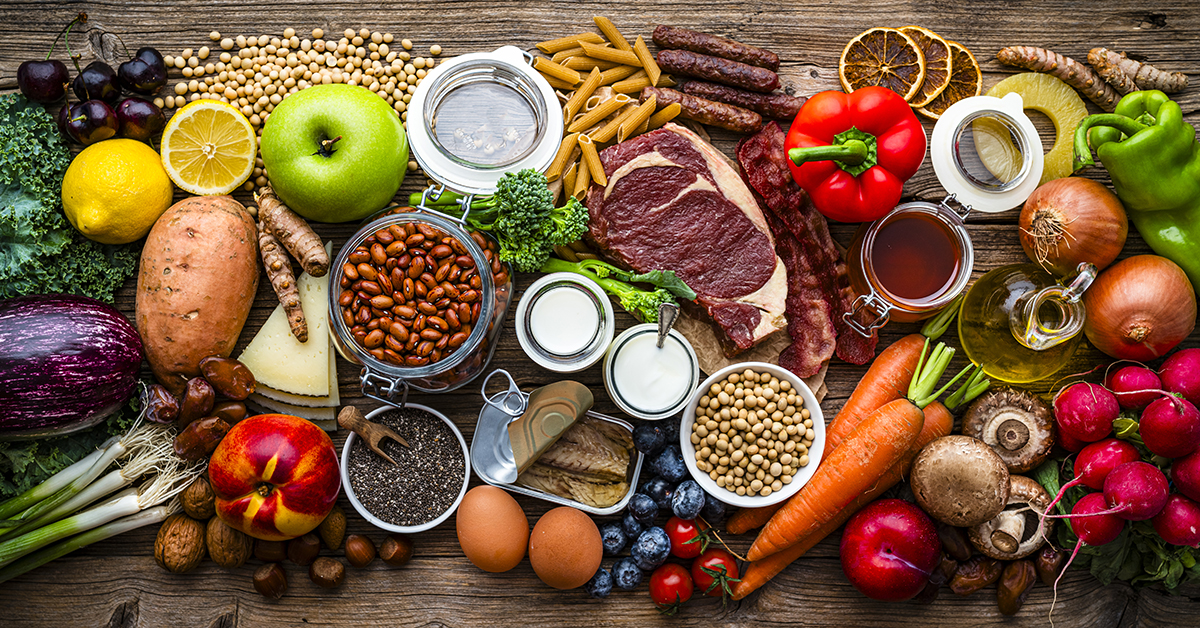
Don’t forget protein and look at portion size
Gemma Westford is a registered nutritional therapist at wildapplenutrition.co.uk. When it comes to the weight loss jabs including Mounjaro and Wegovy, she says: ‘Medication can suppress appetite, but nutrition retrains it. While drugs like Mounjaro lower food intake, and there are of course some very good medical reasons to go on the jab, lasting results come from nourishing the body.
‘Three balanced meals a day - never skipping breakfast, and including protein, fibre and colourful vegetables - support blood sugar balance, hormone health and sustainable weight loss, without the risks of nutrient deficiencies, weight rebound or side effects (some very serious) often seen with weight loss drugs.’
Instead of the ‘quick fix’ of jabs, Gemma recommends looking at portion size and protein intake. ‘Weight loss works best with around 1.2–1.4 g of protein per kg bodyweight – so a 75 kg woman needs roughly 90–105g per day. Protein preserves muscle and bone strength while supporting steady energy and appetite control.
‘Aim for three balanced meals, each with at least 25g protein, fibre, and colourful veg – and avoid constant snacking to keep insulin and cravings in check. Crash diets or heavy calorie restriction may give quick results, but the body adapts by lowering metabolism and storing fat more readily, making long-term weight loss harder.’
Citing a good day’s example, Gemma says: ‘A practical way to hit this is three balanced meals a day, each with at least 25–30g protein, including fibre and colourful vegetables to support blood sugar and hormone balance.’
Gemma suggests an example set of meals could be:
- Breakfast: Scrambled eggs with smoked salmon, sautéed spinach and cherry tomatoes, plus wholegrain toast (around 26 g protein)
- Lunch: Roast chicken breast with quinoa, mixed colourful veg, and chickpeas (around 40g protein)
- Dinner: Grilled salmon with sweet potato, steamed broccoli and kale (around 30g protein)
‘Eating three nourishing, solid meals without snacking helps control insulin and hunger, supporting sustainable fat loss and avoiding energy dips or cravings,’ says Gemma.
The fastest healthy way to lose weight while preserving muscle is to focus on:
- Adequate protein at every meal
- Fibre and colourful vegetables for satiety and blood sugar balance
- Moderate portion control if needed, but without skipping meals
- Resistance or strength-focused movement to maintain lean muscle
‘This approach is evidence-based, supports metabolic and hormonal health, and avoids the rebound or nutrient deficiencies often seen with crash diets or appetite-suppressing drugs.’

Consider hypnotherapy
Ever been on a diet, lost weight, and then felt your mind play tricks on you? Luring you to the biscuit tin, telling you one won’t hurt… That’s where the mind comes into play in dieting.
Gillian Dalgliesh is an acclaimed clinical hypnotherapist and author of Weight Loss Without Willpower – Learn how to programme your subconscious mind for sustainable weight loss success.
She says: ‘Hypnotherapy can be a very effective tool in regard to successful and sustainable weight loss as it can clear old beliefs and patterns and update one’s mindset with new positive intentions, self-belief and optimism.
‘Hypnotherapy works by creating a relaxed, trance-like state that allows the subconscious mind to become more receptive to positive change. During this process, the therapist may use visualisation and suggestion techniques to help change unwanted habits, improve mindset, or resolve emotional issues. Despite being in a trance, the client stays fully aware and in control.
‘Our subconscious mind is the most powerful part of our mind and can either be a wonderful ally or a powerful foe. When it comes to weight loss, many of us have no idea that our subconscious mind may be sabotaging our healthy eating intentions. Our subconscious is our loyal, faithful, obedient, non-judgmental servant and it responds to what we tell it. So, if you’re regularly saying things to yourself like: “I feel fat”, “I shouldn’t have eaten such and such”, “I’ve wrecked my diet again”, “I can’t do this” etc, then you’re programming it to give you more of the same.
‘It’s a bit of a Catch-22: the more you say these things to yourself, the more your subconscious mind will deliver these outcomes for you. Also, repetitive negative weight loss experiences, such as yo-yo dieting, undermine our belief in our ability to successfully and sustainably lose weight and subconsciously creates an expectation of failure in regard to our weight loss efforts, we’re unconsciously setting ourselves up with a mindset for failure.’
Update your belief system
So, is it brain power? ‘Rather than ‘brain power’, I prefer to use the word 'mindset',’ says Gillian.
‘When it comes to weight loss, many of us have been unsuccessfully trying to lose weight for years using willpower, self-control and discipline and yet this hasn’t worked. So, it’s important to realise that and update your belief system.
‘Hypnotherapy can be a very fast, safe and effective way to ask one’s subconscious mind to clear the blocks, beliefs and trapped emotions that have been keeping the client stuck in this cycle, and update it with new positive beliefs, intentions and expectations. A very powerful aspect of this method is to start creating the mindset of success. When it comes to weight loss, the client is unlikely to have a mindset of successful expectation because that hasn’t been their experience. The new weight loss mindset of positive self-belief, self-esteem, self-worth, self-confidence, self-assurance, self-love and self-compassion, etc, is the attitude of mind that inspires much healthier choices when it comes to what you etc, when you eat, where you eat, why you eat, how you eat and how much you eat.
‘The positive, self-loving mindset is key to sustainable success. Studies have shown that around two thirds of people who lose weight using weight loss jabs have put the weight back on again when they stopped the jabs. In my opinion, it’s because the jabs are an external thing and don’t significantly alter the attitude of mind of the user. Therefore, in general, the person using the jabs still has all the beliefs and mindset that led them to need to use the jabs in the first place and when they stop using the jabs, it doesn’t take long for the same old habits and choices to reappear.’
While weight loss injections are suitable for some cases, it’s important not to discount other options that can also be just as much of a ‘quick fix.’
Read more:
