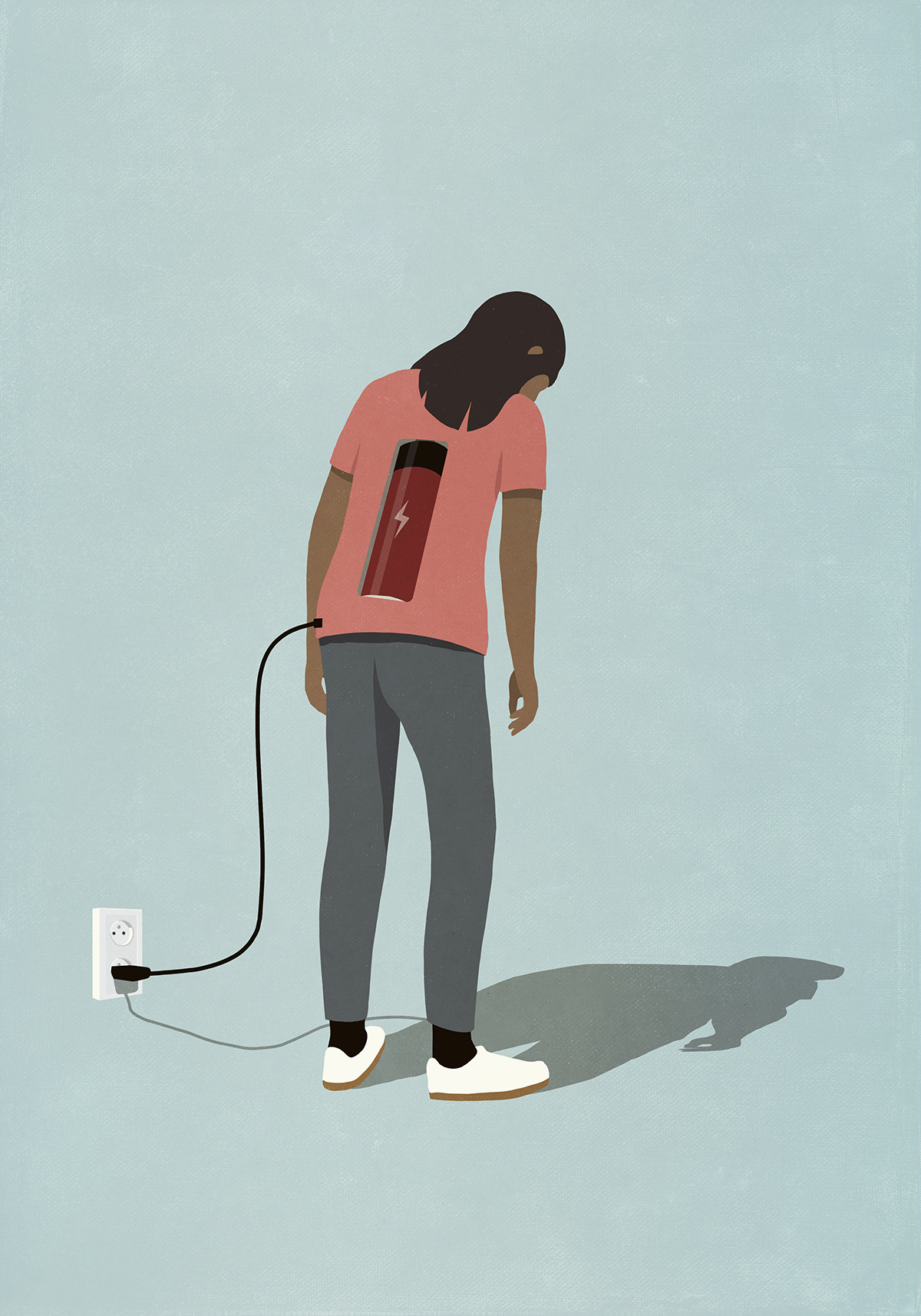
Although we’re all guilty of not getting enough sleep from time to time (or a lot of the time if you can’t resist a late-night doom scroll!), many of us still feel tired no matter how many hours we get.
The amount of sleep a person needs varies from person to person, with some people needing an extra couple of hours in bed and others feeling refreshed on as little as 6 hours. However, we generally consider around 8 hours to be the sweet spot for most people.
So why do so many of us still feel absolutely exhausted from the minute we wake up, even when we’re consistently getting a full 7-9 hours of shut eye every night?
This is referred to as ‘tired all the time’ and is so common that it even has an acronym – ‘TATT’. Just because a lot of us experience chronic tiredness doesn’t mean you should ignore it, though. Your body is trying to tell you something.
At the very least, constant tiredness suggests that you might be burning the candle at both ends, and that your body is crying out for some more downtime.
Perhaps you’re not prioritising rest because you’re working long hours, cramming in too many social commitments, or engaging in a lot of physical activity. Taking more time to relax and not filling every second of the day is crucial to preventing burnout.
But if you can’t blame your exhaustion on a jammed-packed schedule, it might suggest that you’re not achieving good quality sleep. In more serious cases, feeling tired all the time can be a symptom of an underlying medical issue, so figuring out what’s causing the fatigue is vital.
Below, doctors and health professionals reveal the various reasons why many people feel exhausted all the time. Plus, they share their advice on how to tackle the tiredness, so you don’t have to battle on in silence, and can enjoy a more energised life.
- This is when you should worry about a headache, says neurologist
- Why are young people dying from this preventable killer condition? Find out how to reduce your risk
Poor sleep quality
If you’re getting the recommended number of hours each night, but still feel mentally and physically exhausted in the morning, it might be because your sleep is of poor quality.
According to Dr Angela Rai, GP at The London General Practice, poor sleep can have a detrimental effect on your health, as healthy sleep has ‘clear medical, wellbeing and longevity benefits’.
She says: ‘Good quality sleep supports memory and learning, clears waste from the brain and promotes brain health, supports the immune system and helps recycle old cells and maintain our bodies and energy levels.’
Dr Clare Rooms, a GP and Clinical Lead for Insomnia at Boots Online Doctor, says that struggling to fall asleep and waking up a lot in the night significantly reduces the quality of your sleep.
Additionally, Clare identifies sleep apnoea and restless leg syndrome as two sleep disorders that can prevent you from being able to drift off and stay asleep, and as a result, not achieve that deep, restful sleep that’s so important:
‘Sleep apnoea is when your breathing briefly stops and starts during sleep, often without you realising, jolting you out of the deep sleep your body needs. While restless legs syndrome causes tingling or crawling sensations in the legs, making it hard to fall or stay asleep.’
To help improve the quality of your sleep, Clare suggests ‘keeping a regular bedtime, limiting screens before bed, and maintaining a cool, dark bedroom.’
For those who think they may have sleep apnoea or restless legs syndrome, she advises making an appointment with the GP, so they can make an assessment and recommend the appropriate treatment or support.
Clare also encourages people to visit the GP or local pharmacy for other sleep difficulties too, as they may be able to help you with your symptoms.

Vitamin and mineral deficiency
Another key reason why you might be experiencing ongoing fatigue is if your body is lacking vital vitamins and minerals.
Low iron in particular is a main cause of tiredness, and Cara Shaw, Nutritionist at BlueIron, highlights the crucial part it plays in helping your body function effectively: ‘Many people feel persistently tired even when they’re getting enough sleep and one often-overlooked reason is low iron levels. Iron plays a vital role in how your body produces energy, delivers oxygen, and supports brain function, so even a mild deficiency can leave you feeling drained.’
Dr Angela Rai identifies women who suffer with heavy periods as especially susceptible to developing iron-deficiency anaemia.
She recommends a blood test as the best way to confirm if you have the deficiency and says that it can typically be treated just with some iron tablets – although an infusion might be required for more serious cases.
Another group commonly affected is teenage girls who have begun menstruation and are not getting enough iron in their diet. She also notes that women can develop anaemia during pregnancy.
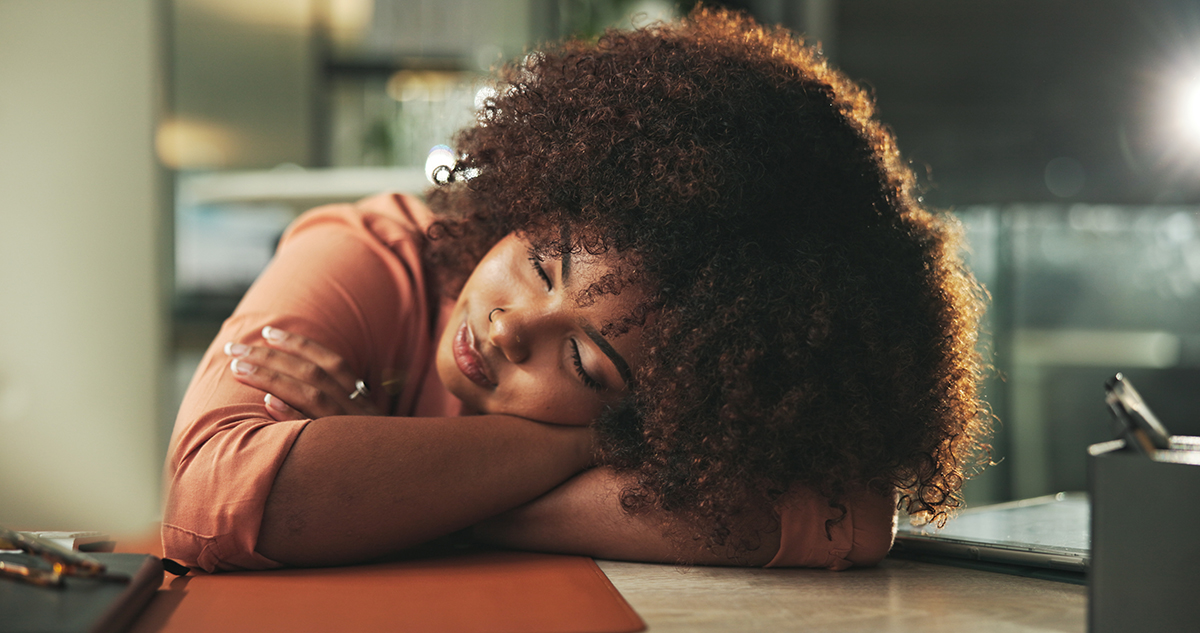
For men or post-menopausal women, Dr Angela Rai warns that there is a higher likelihood of anaemia being a symptom of more serious health conditions, such as intestinal bleeding caused by stomach ulcers, colitis, and even bowel cancer.
So, if you suspect you might be anaemic, it’s important you visit the GP to rule out these conditions as soon as possible.
Dr. Angela Rai emphasises the importance of eating a balanced, nutrient-rich diet, which includes healthy fats such as Omega 3, to feel your most energized self.
Low levels of vitamin B12, which naturally occurs in animal products, can also cause sluggishness and fatigue. As vegetarians and vegans are particularly at risk of becoming deficient, Dr. Angela Rai recommends that those following a plant-based diet consume nutritional yeast, which is a rich source of the vitamin.
Additionally, she also encourages people to eat foods that are high in folic acid, such as dark leafy greens, spinach, asparagus, beans, peas and lentils, as they help make healthy red blood cells and prevent anaemia.
Many people also experience increased tiredness and low mood due to a vitamin D deficiency: ‘Reduced exposure to natural light during the winter can disrupt the circadian rhythm and lower the levels of serotonin. This can lead to changes in mood and increased fatigue. Reduced sunlight increases the risk of vitamin D deficiency as vitamin D is absorbed through sunlight exposure,’ Dr. Angela Rai explains.
You can prevent vitamin D deficiency by taking supplements or eating foods naturally high in the vitamin, such as oily fish, red meat, eggs (specifically the yolks), and fortified cereals. Also, spend time outdoors to make the most of the sunlight – but ensure you practice sun safety during the summer months.

Dehydration
We’ve all been told countless times about the importance of drinking water, and how it’s the secret to everything from clearer skin to weight loss. But one thing that’s less spoken about, is how a lack of water can negatively affect your sleep.
‘The medical community frequently fails to recognize dehydration as a common condition which disrupts normal sleep patterns through excessive caffeine and alcohol use,’ says Dr. Naheed Ali, MD, PhD, health expert, physician, and Senior Contributor at Vera Clinic.
Dehydration can interfere with sleep, as water is vital to the regulation of a person’s body temperature. Plus, it can cause a number of uncomfortable symptoms that might keep you awake, such as headaches, muscle cramps, and a dry mouth. However, Heathline says that there is no proven, scientific link between dehydration and insomnia.
Not only does dehydration disrupt sleep, but it causes ‘blood sugar dips, a slower metabolism, and low energy,’ says Dr Clare Rooms, and even mild dehydration can ‘reduce circulation and trigger headaches, adding to feelings of tiredness.’
So, an easy way to prevent fatigue is by ensuring your water bottle remains topped up throughout the day to keep your mind feeling alert and encourage a comfortable night’s sleep where you don’t have to wake up for a glass of water!

Stress and anxiety
No matter how many hours you spend in bed, if you’re unable to get your brain to switch off at night due to stress or anxiety, you’re unlikely to feel rested in the morning.
Plus, according to Ana Carolina Goncalves, Superintendent Pharmacist at Pharmica, the mental load can lead to both physical and mental fatigue, often referred to as ‘emotional exhaustion’, which makes daily routines more challenging:
‘Emotional exhaustion can manifest as fatigue in the morning, especially when people wake up with stressors – like overthinking about tasks they have to get done in the day, for example. Chronic stress can lead to burnout, where regular tasks feel especially difficult or laborious.’
Dr Clare Rooms explains that continuous feelings of stress and anxiety can put the body in a heightened state of alertness, which can reduce sleep quality: ‘Stress hormones, such as cortisol, can interfere with your natural sleep cycle, leaving you feeling tired, irritable or unfocused during the day. Anxiety can also cause shallow, restless sleep that doesn’t feel restorative.’
She recommends engaging relaxation techniques, such as mindfulness, meditation, or deep breathing, to help quiet your mind before going to bed.
She also encourages you to practice good sleep hygiene by sticking to a consistent routine every day, telling your body that you’re preparing for sleep.
For those who want professional support, Dr Clare recommends cognitive behavioural therapy for insomnia (CBT-I), which helps people overcome thoughts and behaviours that interfere with sleep and can be extremely beneficial.
If you’re struggling with anxiety or another mental health condition, don’t suffer in silence – talk to your GP or a mental health professional immediately.
Underlying health conditions
In some cases, dehydration might be an indication of an underlying medical condition, including thyroid disorders and diabetes.
‘Thyroid issues occur when the gland produces too much or too little hormone, affecting metabolism, energy and mood. Diabetes affects how the body manages blood sugar, which can also cause fatigue even with adequate sleep,’ explains Dr Clare Rooms.
In addition to these conditions, Dr. Naheed Ali says that dehydration can be a symptom of heart disease.
He strongly advises anyone experiencing fatigue that has persisted for a few days or when accompanied by other symptoms such as weight changes and shortness of breath, not to brush it off and look into the cause: ‘the body uses fatigue as a warning sign to indicate that some internal process requires medical evaluation,’ Dr. Naheed Ali says.
If you’re experiencing ongoing tiredness, speak to your GP right away, so they can confirm the cause and recommend the best course of action or treatment for you.
In cases where constant tiredness might be a symptom of a medical condition, identifying it early will help you manage the condition and prevent further, more serious complications from developing.
But whatever the reason you’re feeling tired, you deserve to feel your best self and be full of energy every day. Take this article as your sign to investigate your health and start your journey to a healthier, happier life today.
Read more: