
Uncovering a new fear can be a terrifying but enlightening experience. You learn more about what you like (and don't like!), and discover where your boundaries are and how to protect them.
When that fear presents itself in our daily lives, learning how to manage that discomfort can be a key part of looking after our mental health.
- These songs will reduce your anxiety in minutes (there's a science to it!)
- Want to kickstart your confidence? These simple tricks will change your mood today
Trypophobia is the fear of small geometric patterns of holes. It affects between 10% and 18% of adults, ranging from mild discomfort to severe psychological distress.
In a survey of 195 people with the condition, 24% of people shared that it caused them mild anxiety – with 16% experiencing severe anxiety and panic attacks.
The survey revealed that 26% of the group experienced high levels of psychological distress, with another 25% sharing very high levels.
While the intensity of the experiences may vary from person to person, the phobia persists for a variety of reasons.
What does trypophobia imagery look like?
Warning: This phobia is a genuine fear that makes people feel uncomfortable and anxious. We do not recommend that you view these photos if you think you have this fear, so you can avoid any distress.
People who experience trypophobia find the following imagery uncomfortable:

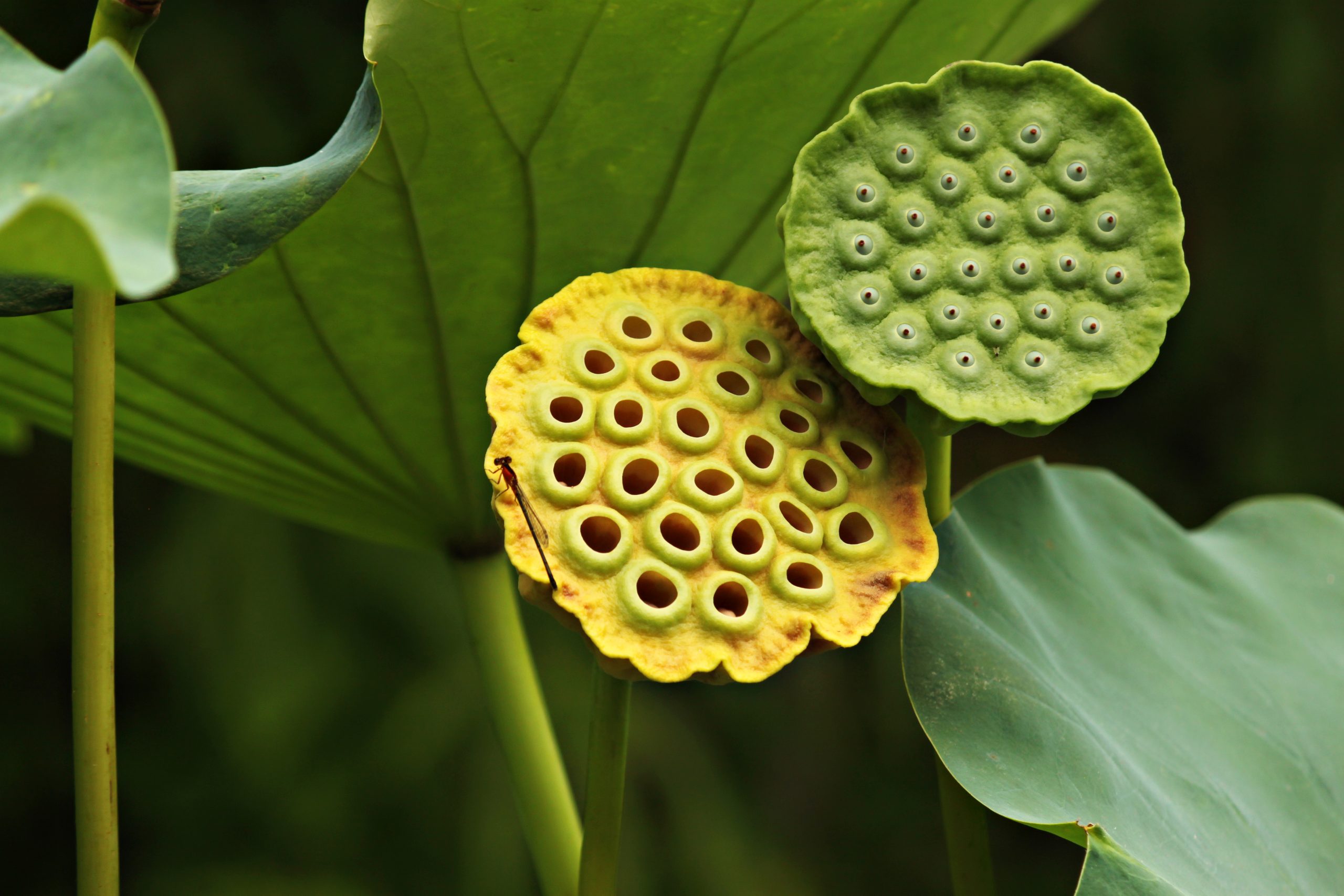


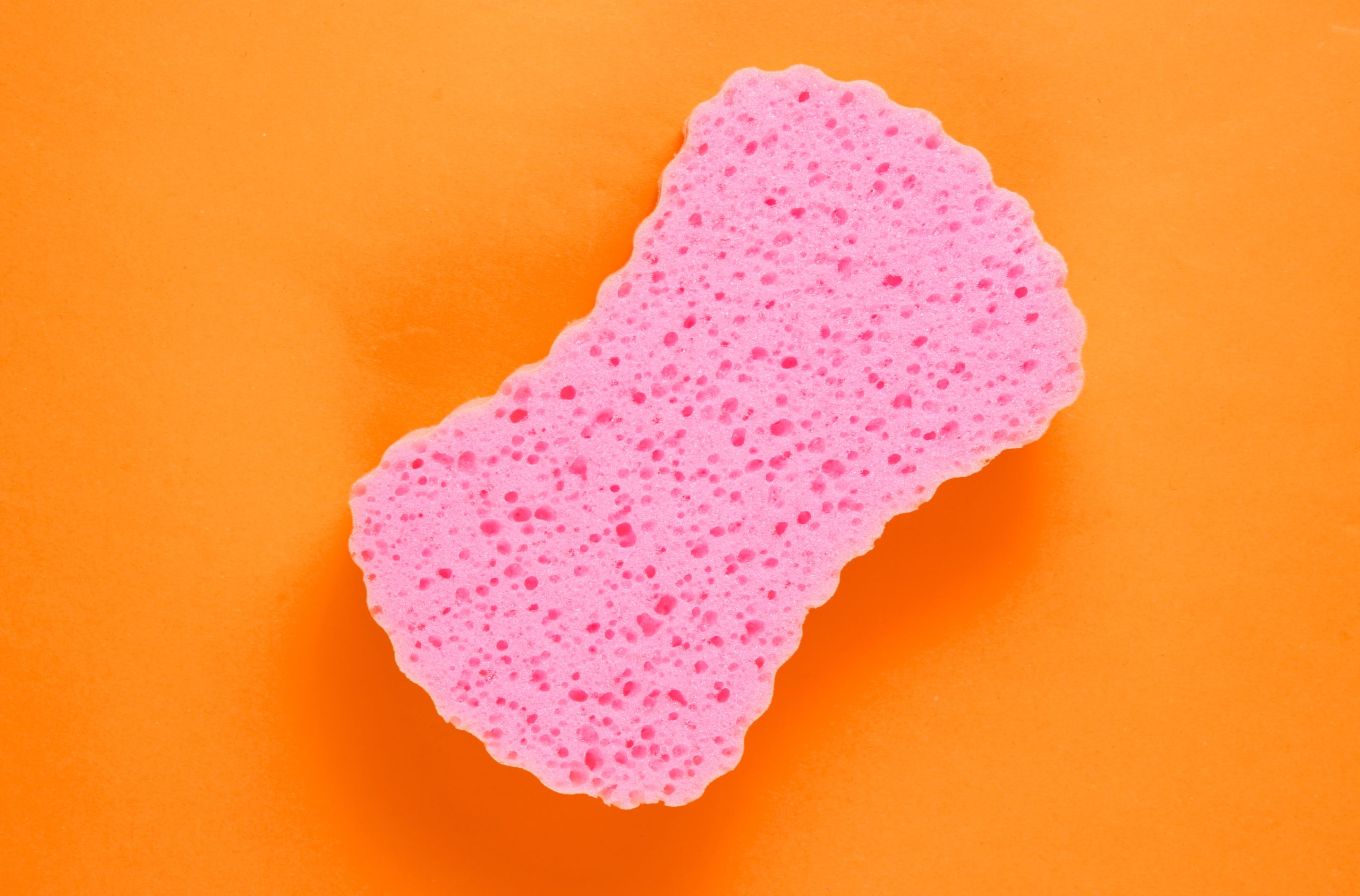
It may be patterns found in nature, manufacturing, or food products – but for people with trypophobia, looking at geometric circles can trigger feelings of squeamishness and anxiety.
What does it mean?
People who have trypophobia report a variety of symptoms, including feelings of discomfort, anxiety, nausea and nightmares.
There’s not one single cause of trypophobia. Sometimes fears stem from our childhoods, or a bad experience.
People with anxiety, or those who have anxiety disorders in their family, may be more likely to develop a phobia.
Is there a cure?
Unfortunately, there’s not one ‘cure’ for phobias, just like there’s not one ‘cause’ for them.
Discovering how to tackle your fears will be influenced by a variety of factors, and only you can discover what steps are best for helping you build your confidence.
As a starting point, why not try:
- Breathing exercises – Practicing breathing exercises when you feel anxious can help you feel grounded and calm by giving you something else to focus on and by slowing your heart rate.
- Cautiously using the internet – The internet can be helpful for gaining a better understanding of your phobias. However, sometimes researching can worsen your anxiety.
- Consider talking therapies – Talking therapies, like cognitive behavioural therapy, are used to help people face their anxieties with a trained mental health professional. Group sessions, one-on-one appointments with a therapist, and guided self-help support can all be extremely beneficial for people struggling.
Remember that even the smallest step in tackling your fears is a success. Being brave and managing your anxiety takes courage, and that effort should always be celebrated.
Read more:
