
This wellness trend is the secret to relieving stress
In a culture obsessed with bright, energising morning routines, a new and surprising trend has quietly entered the wellness world, dark showering.
What began as a niche TikTok ritual has quickly grown into a global practice embraced for its calming, sensory-soothing qualities and many say it’s the answer to better sleep.
The concept is exactly what it sounds like, showering in darkness or near-darkness, using only the faintest glow of a candle or night light.
Far from being a gimmick, dark showering taps into deep psychological and sensory principles. It creates a private cocoon where light, noise, and visual clutter disappear, helping the mind unwind in ways that bright, functional bathrooms rarely allow.
- Global wellness leaders reveal how to create a budget retreat at home for the ultimate reset
- The 7 daily habits proven to keep you younger for longer (no extreme diets required)

What is dark showering?
Dark showering simply means taking a shower with minimal or no artificial light. Some people turn off the main lights and rely on:
- A candle or two
- A dim lamp or salt lamp
- A hallway light spilling gently into the bathroom
- Waterproof LED candles
- Natural pre-sunrise or dusk light
The goal isn’t complete blackout (unless you want that!) but rather a soft, ambient environment that removes harsh brightness and overstimulation. Think of it as the shower version of mood lighting.
Like many wellness trends, dark showering has taken off because it speaks directly to the stresses and sensory overload of modern life.
We spend our days bathed in bright screens, artificial lighting, notifications, and visual noise. The bathroom, already one of the few private spaces in a home, becomes a sanctuary when the lights go down. It’s also budget friendly!
From weighted blankets to sound baths, people are increasingly seeking forms of comfort that soothe the nervous system.
Dark showering is a form of sensory reduction. Lower light means fewer demands on the brain.

The psychological benefits
Dark showering isn’t just atmospheric; it has real psychological effects rooted in how the brain perceives light.
Promotes relaxation
Low light reduces stimulation and helps lower cortisol levels, which is why spas and hotels often use dim lighting in relaxation areas. Showering in darkness mimics that environment.
Encourages mindfulness
Without bright lighting, phones or mirrors demanding attention, the mind naturally becomes quieter. The sound and feel of water become the focus, creating a meditative moment.
Calms anxious thoughts
Dark environments can feel womb-like, contained, safe, and comforting. Many people report fewer racing thoughts and a sense of emotional reset.
Improves sleep signals
For those who shower at night, reducing bright light helps protect melatonin production. This is especially helpful for people who struggle with winding down after a screen-heavy day.
The physical benefits
A soothing sensory experience
When the senses are less stimulated, the others heighten. It becomes a full-body sensory bath rather than a task. Many people find that:
- The sound of water becomes more rhythmic
- The scent of shampoo or soap becomes stronger
- Warm water feels more enveloping
Helpful for migraines or light sensitivity
For anyone sensitive to bright bathrooms or harsh overhead lights, dark showering can be more comfortable and less triggering.
More forgiving on appearance
Some people enjoy showering without confronting mirrors or harsh light, especially first thing in the morning or before bed. It removes self-consciousness and encourages presence rather than critique.
Morning vs Evening dark showers
Dark showers in the morning
Surprisingly, many morning shower-takers prefer darkness because it eases the transition from sleep to wakefulness. It’s less jarring than switching on bright lights, helping the day begin in a gentler way.
Dark showers in the evening
Evening dark-showers are more common and are often described as “a rinse for the mind.” They help mark the shift from day to night and are particularly effective for relaxation, grounding, and preparing for sleep.

How to try dark showering (safely)
1. Start with low light, not no light
Begin by dimming lights or using a candle or hallway glow. You can go darker as you become more comfortable.
2. Choose safe lighting
Real candles work beautifully, but battery-operated LED candles eliminate fire risk. Warm-toned lights or salt lamps also create a spa-like mood.
3. Declutter the space
Darkness makes clutter harder to navigate. Before you shower, keep surfaces clear and products easy to reach.
4. Adjust water temperature slowly
In low light, it’s harder to instantly gauge temperature, so ease into it rather than turning the tap straight up.
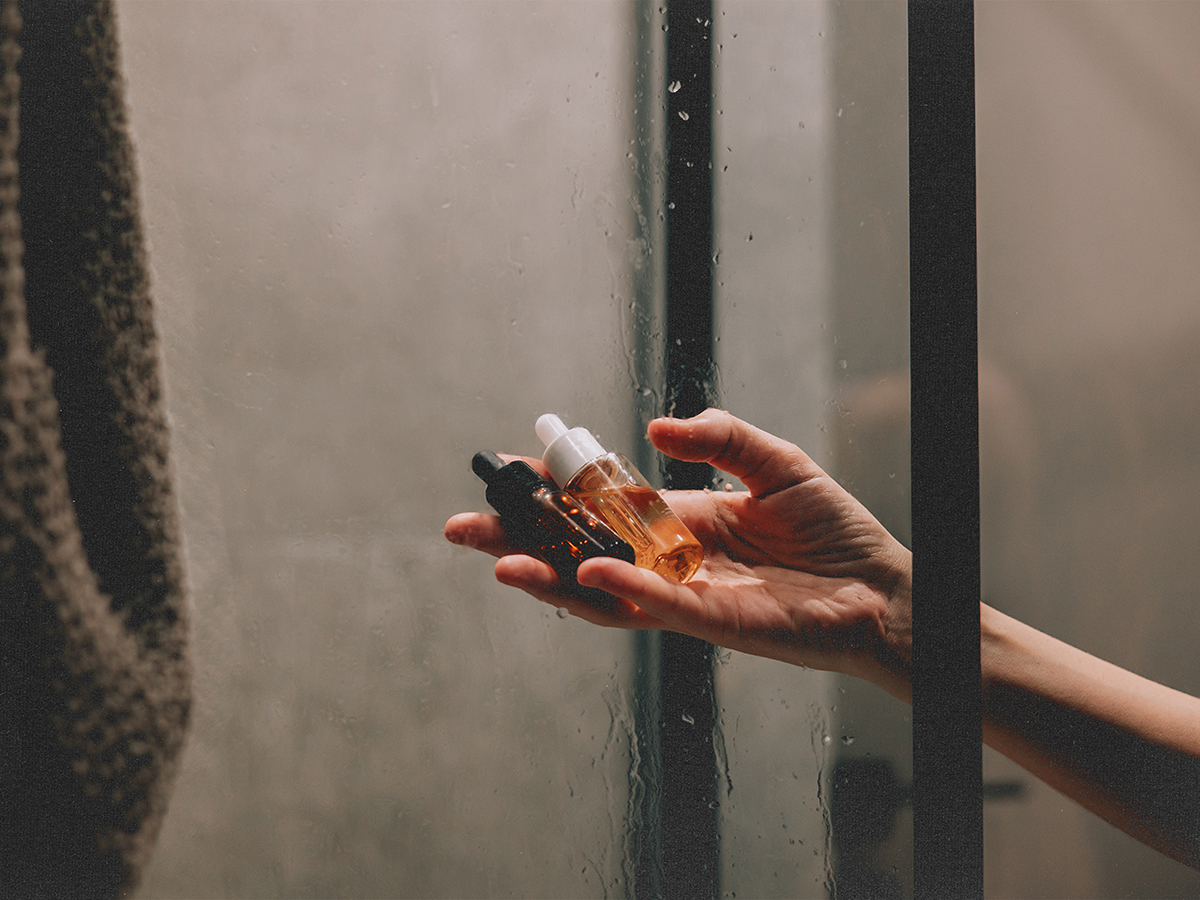
5. Use scents to elevate the experience
Aromatic shower oils or eucalyptus bundles paired with darkness heighten the sensory effect.
6. Don’t shut the curtains fully
If you're showering at night, letting a sliver of light spill in from the hallway provides orientation and avoids complete blackness. People with dizziness, balance issues or visual impairments should stick with low light rather than full darkness.
