
The surprising signs you may have seasonal affective disorder
If you feel physically and emotionally exhausted this time of year, you’re not alone. Suddenly, getting out of bed in the morning feels more difficult – and not just because of the colder temperatures. Seasonal Affective Disorder (SAD) could be the reason why you're not feeling your best.
Read on to find out more about this common condition – and whether SAD could be the reason you're dreading the long winter months ahead.
- Genius tricks to help you achieve great sleep
- Here’s why you never have any energy, according to an expert (and what to do about it)
What is SAD?
SAD is a recognised form of seasonal depression that impacts 3% of people, according to the Royal College of Psychiatrists.
SAD impacts people seasonally, with heightened symptoms at different points of the year. It may be why you find yourself oversleeping but having reduced energy in the winter, including craving carby foods and gaining weight. In summer, this may result in opposite impacts of insomnia and weight loss.
Simon Davies, walking therapist at Living Well UK explains: ‘SAD, or Seasonal Affective Disorder, is a diagnosis used by professionals when symptoms of depression – such as low mood, anxiety, loss of interest in your usual activities and difficulty sleeping (either too much or too little) – start in relation to the change of seasons.’
Why does the winter season impact our mental health so much?
There’s no definitive reason why we experience SAD, otherwise it would be a lot easier to find treatments or methods to reduce our symptoms. Much like many mental health issues, if you have a family history of depression or another mental illness, then you may be more likely to experience SAD yourself.
Simon adds: ‘There are several theories about why this happens, including social and genetic factors; however, there’s a lot of evidence to suggest that it’s due to the important role that daylight plays in our mental health.’
‘This is because many of the neurotransmitters that influence our mood, motivation and sleep cycles (circadian rhythms) are impacted by light being registered by our eyes, which send corresponding signals to the brain.’
Further risk factors can also include living further from the equator and receiving reduced sunlight during the winter months, with studies finding that where you live can heighten your chances of experiencing SAD. Less sunlight offsets our circadian rhythm, also known as our internal body clock, and offsets our typical routines. When this happens, your body can experience an increase in melatonin, the hormone that promotes sleep, which can make you feel more exhausted.
‘In people with SAD, lack of sunlight interferes with the brain’s chemical production, preventing the hypothalamus from working properly,’ says Dr Tim Mercer, NHS GP partner and GP trainer at Opera Beds, ‘The lack of light is thought to affect melatonin production, the hormone that makes you sleepy.’
‘People with SAD may produce higher than normal levels of melatonin, making it harder to get up in the morning as they feel fatigued. Serotonin, the hormone responsible for your mood, is also impacted by fewer hours of sunlight. This results in reduced production, leading to lower moods and greater levels of anxiety.’
‘Reduced sunlight can also contribute to our bodies having a smaller intake of vitamin D which provides us with serotonin, which gives us mood-boosting energy and improves our mental state. Without this hormone, feelings of depression can heighten.’
How do I know if I have SAD?
If you think you may be experiencing SAD, the symptoms might be affecting all parts of your health and well-being.
‘Anxiety manifests both psychologically and physically,’ Simon explains, ‘The most common symptoms to look out for are persistent worry, restlessness and difficulty concentrating, increased heart rate, sweating and trembling, as well as difficulties falling – and staying – asleep.’
The symptoms you might be feeling will be noticeably more intense than a regular low-energy day, as registered health psychologist Dr Ravi Gill explains: ‘It is important to distinguish between normal “winter blues” and SAD. While many people feel a dip in energy during darker months, SAD tends to be more intense and interferes significantly with daily functioning, relationships, or work.’
‘If you find that your mood and energy decline at the same time each year and improve with the change of season, it may be worth seeking a professional assessment. Early recognition and support – through light therapy, lifestyle adjustments, or psychotherapy – can help ease the impact of SAD.’
Why are more people experiencing SAD?
If you’ve found yourself struggling recently, it’s likely you’re not the only one. Since the COVID pandemic, mental health struggles have been impacting more and more people, as Dr Ravi explains: ‘Since the pandemic, mental health concerns in the UK workplace have surged – with greater absenteeism, longer episodes of sickness, and mounting psychological strain. While direct data on SAD in this context remains limited, the seasonal nature of SAD likely intensifies these challenges – especially during winter.’
Some of the key trends in our mental health have included younger people aged 16-34 reporting that they feel more mentally distressed after the pandemic, with work performance and attainment dropping in seasonal waves because of SAD.
Hybrid and remote working could be a strategy to help people at work, Dr Ravi says: ‘Though not directly tied to SAD, hybrid work arrangements have been shown to reduce absenteeism overall. Since SAD symptoms can improve with consistent access to daylight, flexible schedules and remote work could offer protective benefits.’
‘Young adults, who are both more susceptible to SAD and most impacted by pandemic-related mental health declines, are particularly at risk. The move toward more flexible, daylight-friendly work arrangements could offer a meaningful buffer.’
What can I do to combat SAD?
SAD isn’t preventable, but coping and managing with your symptoms can reduce the potential of them worsening and causing further harm.
1. Vitamins & Supplements
One step for alleviating your symptoms can be by tackling the serotonin increase at the roots. Taking vitamins and supplements to help bolster your intake of serotonin and reduce your body ‘s production of melatonin can be a perfect way to bring about balance in your physical wellbeing.
‘Sleep plays a critical role in emotional resilience – those with SAD often struggle with disrupted sleep, which can worsen symptoms,’ explains John Sutcliffe, managing director at Vitawell.
‘B vitamins play a vital role in supporting energy levels, maintaining a healthy nervous system, and reducing tiredness and fatigue. Magnesium helps maintain electrolyte balance and has been linked to deeper, more restorative sleep, so your body can properly recharge.’
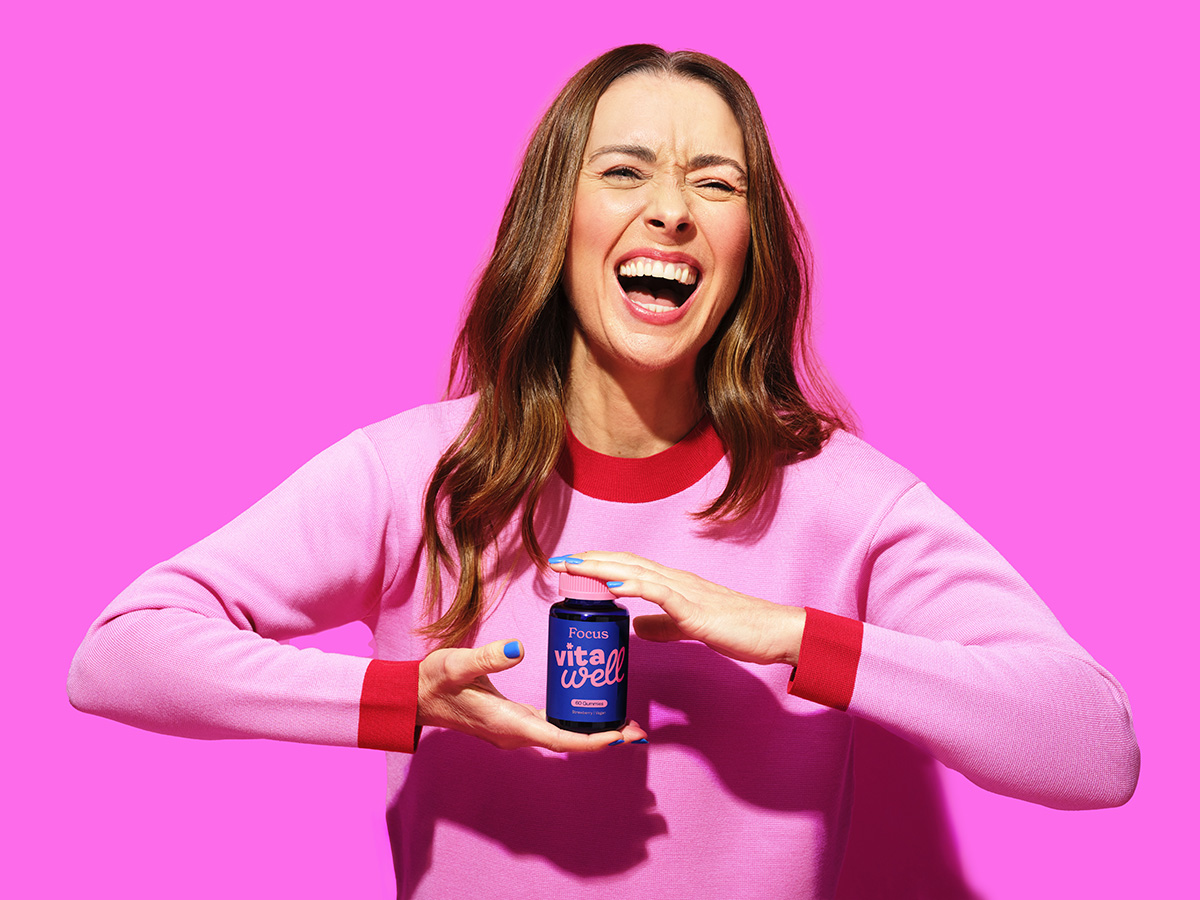
Gathered recommends the Vitawell energy gummies if you need an energy kickstart in the morning to get out of bed, or the focus gummies to help you lock into the tasks for the day ahead.
2. Increase your exposure to light
A variety of lifestyle measures can be used to mitigate the symptoms of SAD, helping to reduce the intensity of how it makes you feel. This can include getting as much sunlight as you can or substituting this with an artificial light to simulate the sensation of basking in natural light.
Vitamin D supplements hope to boost this effect, as John explains:‘Supplementing with Vitamin D is also especially important during autumn/winter, when sunlight exposure is limited, and supporting your energy levels is also vital to keep up with busy everyday life.’
There are a variety of light therapy products on the market that may help, says Dr Ravi: ‘A light therapy lamp (often 10,000 lux) can mimic natural daylight and has been shown to improve mood in many people with SAD. It’s best used in the morning, but consistency is key.’
3. Create a regular sleep routine
If your sleep is inconsistent or varying from night to night, you should invest in creating a new sleep routine that gets your body the right amount of rest and relaxation it needs. Without getting enough rest to recharge you, symptoms of irritability and low energy can hit even harder. If your circadian rhythm is being impacted, creating positive habits that help build new routines can boost your mental health.
‘Making sure you wake up and go to sleep at the same time each day, even on weekends and days off, is crucial to reinforcing the circadian rhythm,’ advises Dr Tim. ‘There are a few changes you can make here to help build up this routine. Set your alarm across the bedroom, forcing you to get out of bed in the morning to turn it off and get up for the day.’
If you’re struggling and looking for a product to help you drift off, supplements could also be a great way to support your brain in unwinding. John says: ‘Supplements are a great way to support a better night’s sleep, particularly those which include magnesium, B6, L-theanine, and calming natural extracts such as lemon balm and chamomile.’
4. Get regular exercise
Despite it being an overused phrase, the energy boost caused by exercise can give you the endorphin rush you need to get out of bed and start the day right. Although you might be dreading it, the first push to prioritising your physical health can also see a boost to your mental health.
‘Getting daily exercise can help you mentally and physically, including increasing serotonin levels in the brain as well as helping improve sleep quality,’ shared Dr Tim.
‘Exercising outside can be a great way to expose yourself to daylight. This can help improve your vitamin D levels, contributing to energy levels and combating symptoms of SAD. However, as it gets later in the day, you mustn’t overdo it when it comes to exercise, as this can overstimulate the mind, increase core body temperature and prevent you from sleeping properly.’
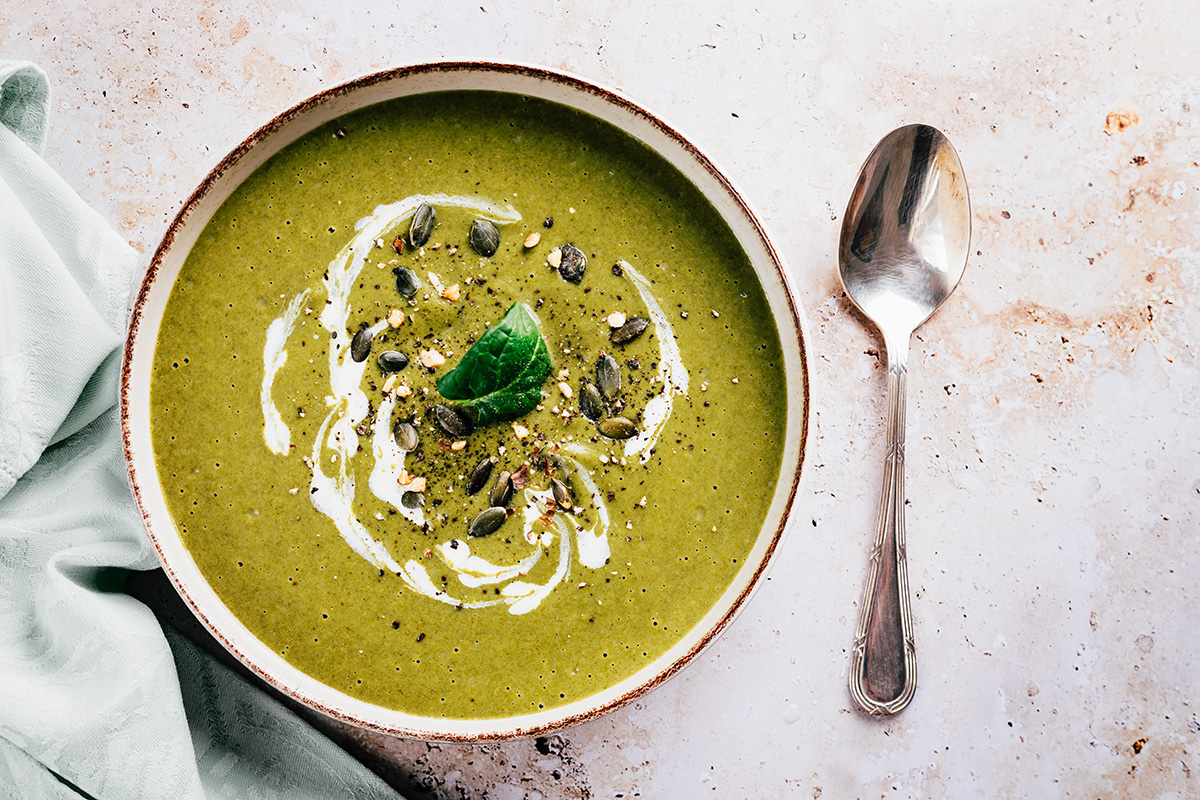
5. Eat a balanced diet
When you’re not feeding your body enough of the nutrients and food groups it requires to perform at its best, the symptoms of SAD can feel even more exhaustive.
‘A balanced diet is always the foundation of good health, but vitamins and supplements can help bridge nutritional gaps, especially during busy times or when you’re feeling low in energy.’
If you’re experiencing symptoms of depression, there are many healthcare and therapy services available for you to chat with. Dr Ravi advises: ‘If symptoms are persistent or disabling, talking therapies (like CBT) or medication may be appropriate. A GP or mental health professional can guide you through options.’
Despite SAD making you feel lonely and isolated, you’re never alone and help is always available. Mental health charities like Mind, YoungMinds and Campaign Against Living Miserably (CALM) are always happy to chat with you and provide you with tailored support with your needs.
Don’t fall for these myths about seasonal depression
Seeking help when you need it can be hard, but figuring out fact from fiction can be even harder when reading about how to look after your health. Here are some of the top myths about SAD that you may have fallen for, as debunked by Simon and Dr Ravi:
1. It’s just the winter blues
‘Feeling a bit sluggish in January is one thing, but SAD is a recognised form of depression. It can be intense, long-lasting, and affect every part of daily life,’ says Simon.
2. Seasonal depression only happens in winter
‘While winter-pattern SAD is most common, some individuals experience summer-pattern SAD, with symptoms such as irritability, poor sleep, and appetite loss. It’s the seasonal pattern – not the specific season – that defines the condition. indicates roughly one in 20 people – that is, 5% of the UK population,’ Dr Ravi says.
3. You can shake if off
Simon says: ‘SAD isn’t about mindset or willpower. It’s linked to changes in the body’s natural rhythms and brain chemistry, which means support and treatment can make a real difference.’
4. Light therapy alone will cure you
‘While light therapy helps many, it’s not one-size-fits-all. Some people respond better to talking therapies, medication, or lifestyle changes, and often it’s a mix that works best,’ adds Simon.
5. SAD is uncommon
Dr Ravi explains: ‘It’s more common than many think, especially in regions with long, dark winters. People often underreport it, dismissing their symptoms as normal seasonal fatigue.’
Read more:
