
Extreme phobias you've probably never heard of but might secretly have
Specific phobias are extreme, persistent fears that can latch on to almost anything. Unlike fearing plane crashes or stampeding cows, many phobias make no logical sense, yet they are often rooted in real trauma and can be just as debilitating.
There’s even phobophobia (fear of fear itself), and panophobia (fear of absolutely everything). When the sight of rain or the thought of sleep can send you into a panic attack, just getting through the day can be a challenge.
These irrational fears are not as rare as you’d imagine, 12.5% of Americans have experienced one, with women twice as likely to suffer as men. The average onset age is just 7, and one study even linked unusual phobias to past lives, with children who recalled previous lives suffering phobias related to how they died.
‘All it takes is a moment where someone is in a heightened emotional state, often as a child, and their brain links that feeling to whatever is in front of them,’ says phobia expert and author of Face Your Fears, Christopher Paul Jones.
They aren’t rooted in rationale; they are forged by emotions. Read on for the strangest phobias you’ve never heard of – but might even relate to.
- Your anxious thoughts could be a symptom of OCD
- Think you’re immune to rage bait? These are the tactics you're probably falling for
Spectrophobia
The fear of mirrors and one’s own reflection runs deeper than self-consciousness. It’s thought to stem from the ancient superstition that mirrors act as portals for spirits, evil or parallel worlds, which explains why even a quick glance can feel deeply unsettling.
‘For people with spectrophobia, looking into a mirror, or imagining what might appear, can trigger panic,’ says leading hypnotherapist Marissa Peer.
For those with schizophrenia, it goes even further: mirrors can trigger real hallucinations and face distortions. This isn’t just about avoiding the bathroom mirror; checking your wing mirrors or catching your reflection in a shop window can be enough to spark a full-blown panic attack.

Anemophobia
This one would keep you far away from Chicago. An intense fear of wind doesn’t just mean full-force gales; even a gentle breeze and draft can set it off. Just witnessing branches sway, or a can skitter down the road from a window, can trigger heart palpitations and distress.
‘I worked with someone who would start to feel anxious even at the slightest grey cloud in the sky,’ says Jones. ‘Growing up, his grandmother would tell him that when the sky went dark, it meant the apocalypse was coming. So over time, even a hint of cloud became enough to trigger that response.’
It taps into a primal fear of losing control to the natural world, and like other weather-based phobias, it can leave people confined to their homes.
Somniphobia
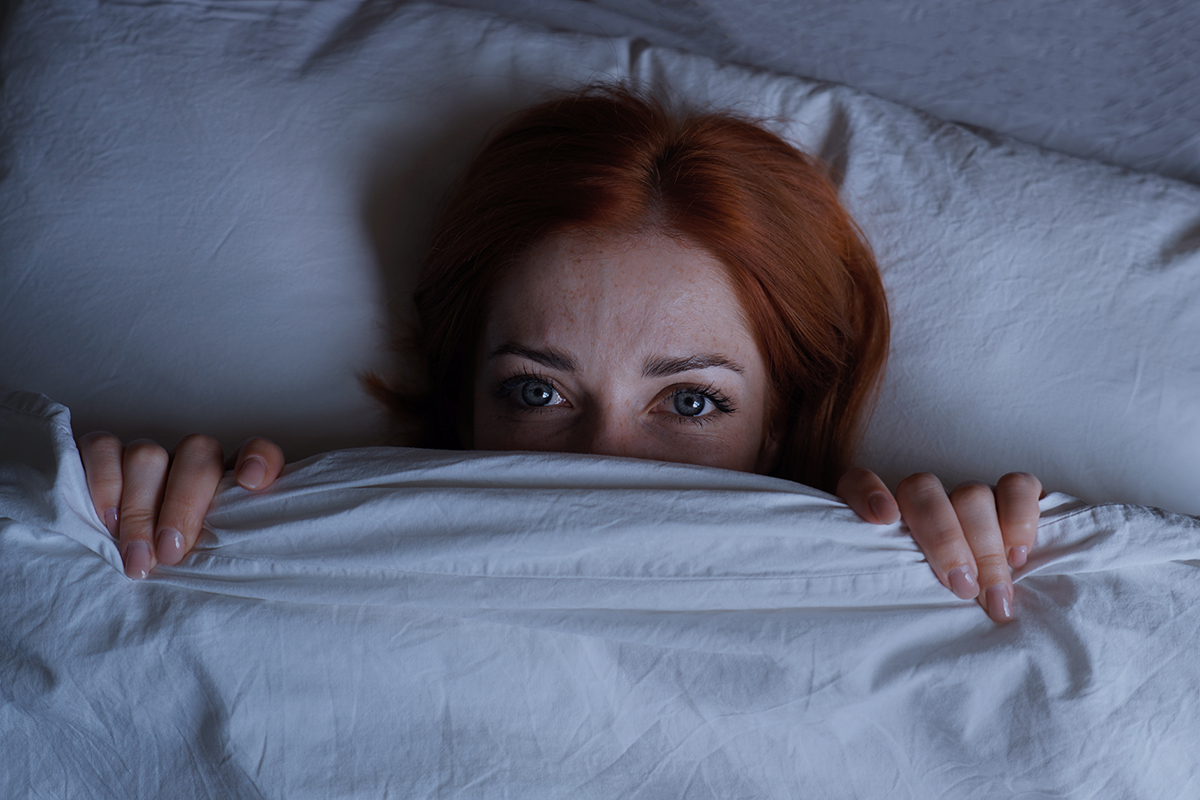
For someone with somniphobia, the idea of drifting into a deep slumber isn’t restful– it’s a nightmare. This extreme fear of falling asleep turns every bedtime into a horror movie, where duvet covers and pillows cause intense dread, driven by anxiety about losing consciousness or not waking up. It’s distinct from insomnia and is often linked to sleep paralysis, night terrors, and a fear of losing control.
‘This phobia is far more debilitating than it might first sound,’ says Dr. Daniel Glazer, Co-Founder of US Therapy Rooms. ‘It often correlates with trauma, panic disorder, health anxiety or underlying sleep disorders like insomnia or sleep apnoea. Avoidance only fuels the problem, leaving sufferers depleted by day and overly wired, jumpy, irritable, and on edge by night.’
Omphalophobia
Finding belly buttons gross isn’t exactly a niche concept – the weird remnant of an umbilical cord can be stinky, ugly, and unpleasant to touch. But omphalophobia takes this dislike to a whole new level: the sight of a navel can induce feelings of terror, causing panic attacks and fainting.
‘This often develops from early disgust reactions, fears about contamination, or unpleasant childhood medical experiences,’ explains Glazer. ‘The avoidance can become surprisingly restrictive, leading people to steer clear of beaches, swimming pools, or clothing that exposes the midriff.’
Hippopotomonstrosesquippedaliophobia
This 36-letter monstrosity is the sick and twisted name for the phobia of long words. Whoever named it has a cruel sense of humour.
Though the American Psychiatric Association doesn’t officially recognise this phobia, hippopotomonstrosesquippedaliophobia is present in society and is centred around the fear of being mocked for mispronouncing long words. Perhaps spurred on by a traumatic reading exercise in childhood, the social phobia is related to dyslexia and public shame.

Philophobia
Anyone who’s experienced a devastating heartbreak can relate to the fear of falling in love. But for most of us, the desire to meet “the one” eventually gets us back on the horse. However, someone with philophobia finds it incredibly difficult to put their heart on the line.
This intense and uncontrollable fear of love can cause severe relationship anxiety and sabotage meaningful partnerships. It’s commonly a protective response, linked to growing up with divorced parents, abandonment issues or a deep fear of rejection.
The constant expectation that a relationship will end can lead sufferers to push people away or look for problems that aren’t there, ending the honeymoon period real fast.
Ombrophobia
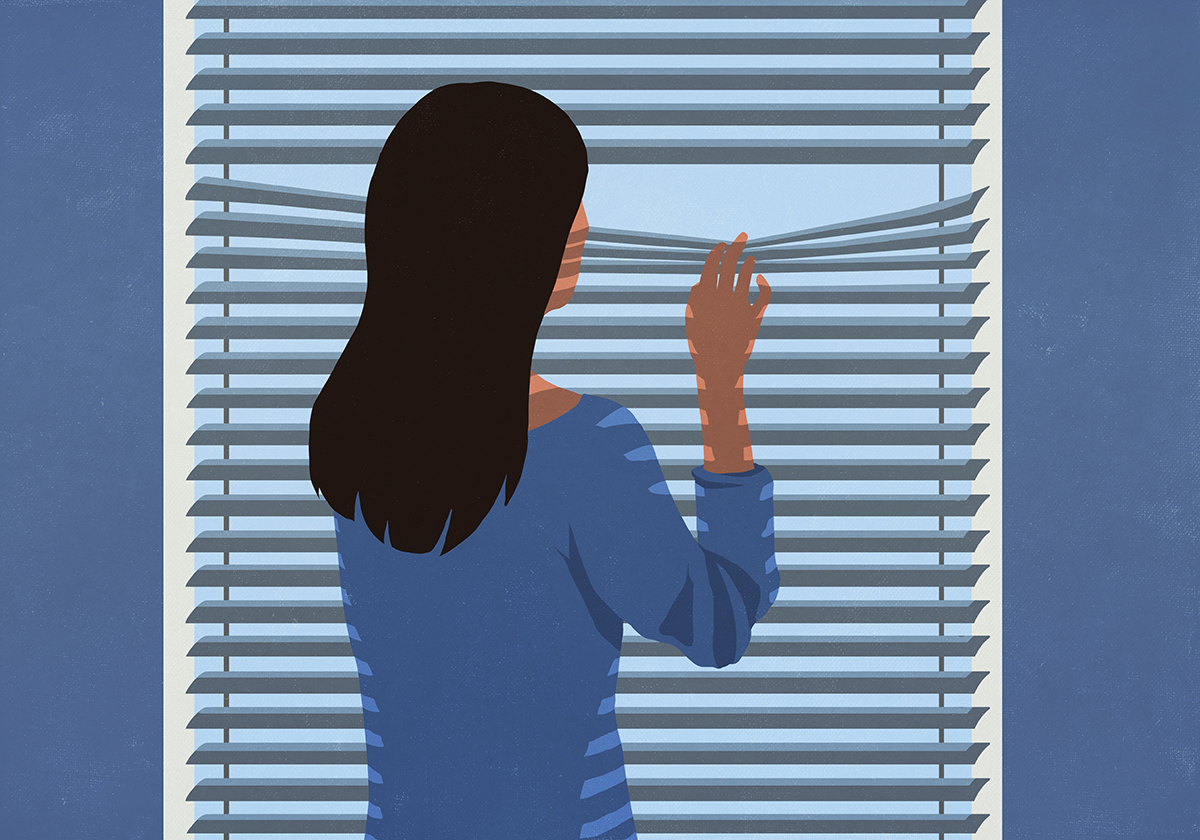
An overwhelming fear of rain can be especially troubling in the UK, where it rains around 160-170 days per year. Not even the most waterproof raincoat can shield someone from this fear – the sight, sound, feel and even the anticipation of rain can trigger a panic response.
This phobia can develop for several reasons, including traumatic associations with floods or severe storms, or fears of illness linked to cold and wet – the fate of a Brontë sister. For some, it’s the intense sensory experience of rain that can be particularly distressing.
Myrmecophobia
Though a human is roughly 700 times taller than an ant, this tiny insect can be the source of intense distress. Myrmecophobia, the fear of ants, makes everyday activities like picnics, hiking or gardening feel impossible.
For someone suffering with this phobia, their nervous system confuses sitting on the grass with being in a war zone. Persistent worry about infestations may even lead to a phantom sensation of crawling on the skin.
Deipnophobia
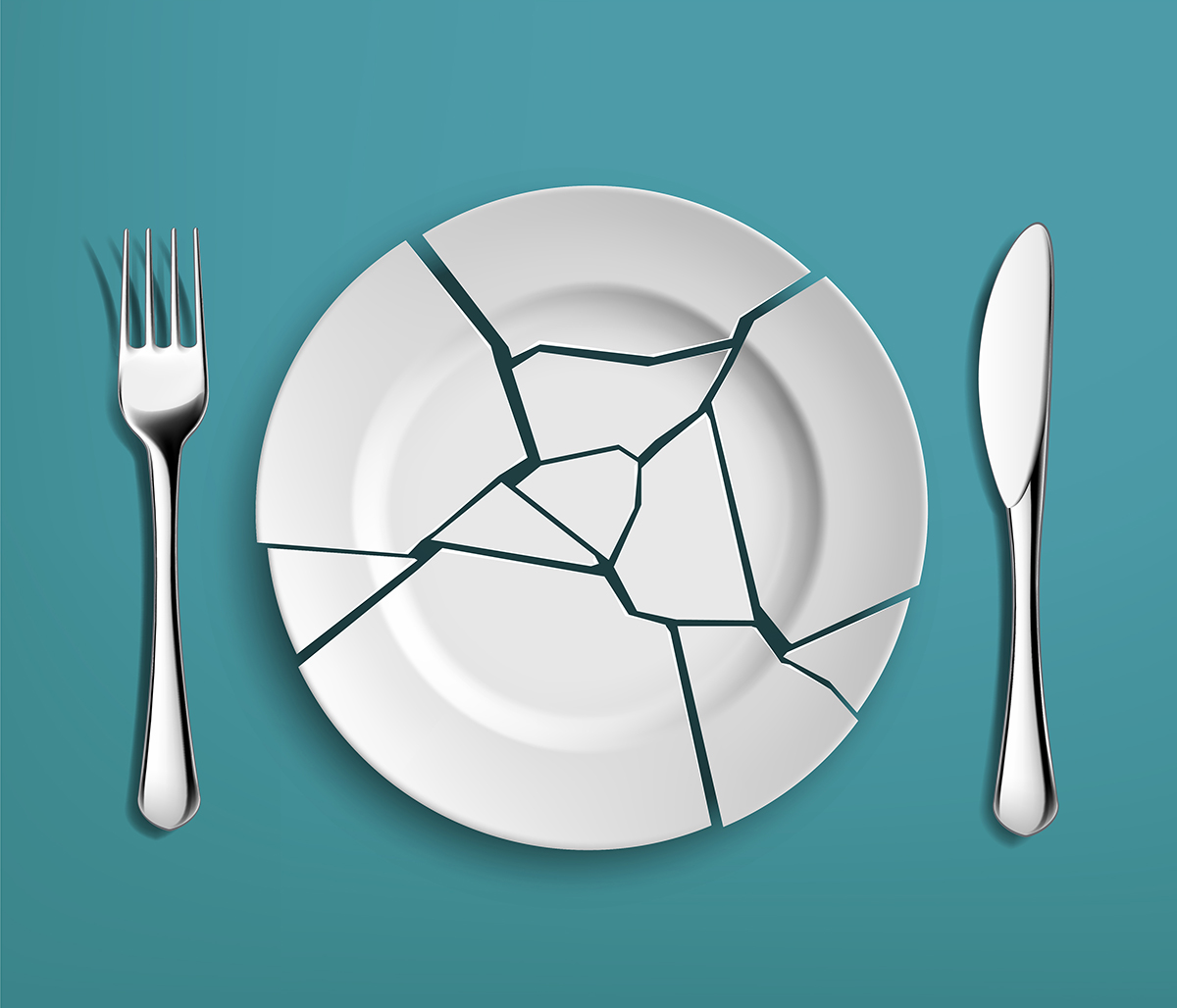
We’ve all squirmed at an episode of Come Dine With Me, but for those suffering with deipnophobia – the fear of dining – it’s not just the social faux pas that get under the skin. This anxiety around eating in social settings often comes from feeling trapped in a formal environment.
It’s mostly an anticipatory fear that can spike in the time between ordering and receiving food. As a result, many people with this phobia avoid restaurants or dinner parties altogether, preferring to eat at home where they feel more in control.
Although it affects eating habits, deipnophobia is considered a form of social anxiety rather than an eating disorder but can stem from past experiences of pressure around food.
Ithyphallophobia
For some, the sight of an erection can trigger intense fear, whether its subtle shaft seen through clothing or full-frontal nudity, it can bring on physical symptoms such as dizziness and hyperventilation – a major mood killer.
Ithyphallophobia can impact both women and men, and may have roots in traumatic experiences, early feelings of shame or strict cultural and religious beliefs around sex. This phobia can significantly impact romantic relationships, making sexual intimacy extremely hard.
Ablutophobia
This not a phobia you’d want your partner or desk buddy to have. Ablutophobia – an intense fear of bathing or washing – can have terrible implications in your social, professional and romantic life.
Refusing to wash also makes you more prone to illness, as bacteria and viruses spread more easily on unwashed skin. It is thought to stem from childhood aversions to the sensory experience of bathing like the unsettling sound of the drain, or an early fear of drowning in the tub.

Pogonophobia
Bad news for the Amish – there is a very real fear of beards. ‘Beards can become linked with danger after a frightening encounter in which a bearded person happened to be present,’ says Glazer.
‘The brain is wired to spot patterns and protect us quickly, so it can attach fear to a visible feature that was present at a highly emotional time. This fear response becomes generalized, so similar beards trigger the same anxiety reaction – for no other reason than the presence of the beard itself.’
Emetophobia
The fear of vomiting is a relatable one; not many people love the idea. However, emetophobia takes it to another level. It can get in the way of socialising and even parenting, and it’s more common than you’d think – affecting roughly 7% of women and 2% of men.
‘It’s a vicious cycle,’ says Peer. ‘Fear of vomiting leads to nausea, which leads to more fear.’ At its core, it is a fear of losing control – of your body, and your environment.
Chaetophobia
Chaetophobia is the fear of hair – whether on a human head, an animal’s fur or loose strands in the wild. We have a complicated relationship with hair, found in a sandwich or blocking the plughole, it’s repulsive, but flowing locks blowing in the wind is somehow sensual.
For someone with chaetophobia, hair is disturbing in every context – considered dirty and riddled with germs. This can bring on nausea, dizziness and even vomiting and diarrhoea. This phobia may be triggered by a traumatic haircut or lice infestation in childhood.

Alektorophobia
Giving new meaning to Hitchcock’s The Birds, this fear of chickens is usually triggered by a close encounter – being pecked or chased as a child, for instance. If you grew up in a rural area, you’re more likely to develop the phobia.
Those with alektorophobia can often still eat chicken; it’s the live, clucky, feathery birds that spark fear, so a cheeky Nando’s is still very much on the cards.
Megalophobia
Ever looked up at a giant skyscraper or statue and felt like you were standing at the edge of a cliff? Legs go watery, vision blurs and a sinking feeling of dread sets in. You could have a touch of megalophobia – a fear of large structures like statues, cliffs or even wide-open spaces. The sheer scale of these things creates an overwhelming sense of vulnerability and unease.
It is most associated with objects that are oversized versions of familiar things, like a towering sculpture of a human figure or an absurdly large rubber duck. A frightening childhood encounter with something unusually enormous is thought to be the trigger.
Nomophobia
This one is for the modern age – and one that most can relate to on some level: the fear of being without a phone.
‘Our phones act as a type of security blanket,’ says Glazer. ‘Providing social contact, distraction, information, calming us when the world or our feelings are unpredictable. And its absence can lead to real, severe and painful panic symptoms. While it is not a formally recognized, standalone diagnosis, the anxiety it describes is very real and typically understood within broader anxiety disorders. This behaviour is often fuelled by social anxiety, but even more so by the fear of being left all alone.’

Dealing with a specific phobia
Specific phobias are paradoxical – they give the illusion of safety and control while sparking feelings of danger and making life increasingly restrictive. But there are ways to unpick these learnt behaviours.
‘With the right support, phobias are highly treatable,’ explains Glazer. And many people experience significant, lasting relief.
The main forms of treatment are:
- Integrated Change System. This is Jones’ main treatment method. ‘It combines hypnotherapy, psychotherapy, cognitive therapy, and other applied psychology methods,’ he explains. ‘It’s not about exposing people to their fear or forcing them into situations that make them anxious, it’s about changing the response that’s creating the fear in the first place.’
- Exposure-based CBT is considered the gold standard.According to Glazer, this remains the gold-standard treatment. ‘It works by gradually reintroducing the feared stimulus in a controlled manner while correcting catastrophic thinking,’ explains Peer.
- EDMR (Eye Movement Desensitisation and Reprocessing) can be useful where a specific trauma is at the root of the phobia, helping to process the memory rather than just manage the response.
- Hypnotherapy takes a different route, treating the underlying trauma directly. It redirects our need for control from a specific phobia to our logical thought processes/ ‘The only things we can truly control are the thoughts we think, the beliefs we hold and the words coming out of our mouths,’ says Peer. ‘After treatment the phobia is no longer useful and the behaviour becomes obsolete.’
- Medication can help dampenbaseline anxiety, but experts are cautious about relying on it. ‘It never treats the root cause of the phobia,’ cautions Peer. So, behavioural retraining is key.
Read more:
