
What actually causes cellulite – and the expert-backed ways to reduce it
While cellulite is a completely natural, women still seek out ways to prevent it and reduce the appearance of it. At least 80% of post adolescent women will experience cellulite during their lives, and 10% of men.
It affects people of all ages, body shapes, and sizes, and while it is not a medical problem, and isn’t a sign of poor health, it can have a negative impact about how people feel about their bodies. The cellulite treatment industry is worth billions globally and it is predicted to grow even bigger.
Dr Sweta Rai, a Dermatologist reviewed on Doctify, a healthcare review platform explains what it is. ‘Cellulite was first termed by the French in the 1800s as the lumpy, dimpled, and irregular surface appearance of thighs, buttocks, and hips.
‘It was initially thought to be due to cellular inflammation. However, as time has gone on, we have understood that cellulite and its appearance is caused by a collection of fat cells pushing against connective tissue bands found in the subcutaneous tissue.’
- Get firmer, fuller breasts without going under the knife
- This is the best way to keep your hands wrinkle-free, according to the pros
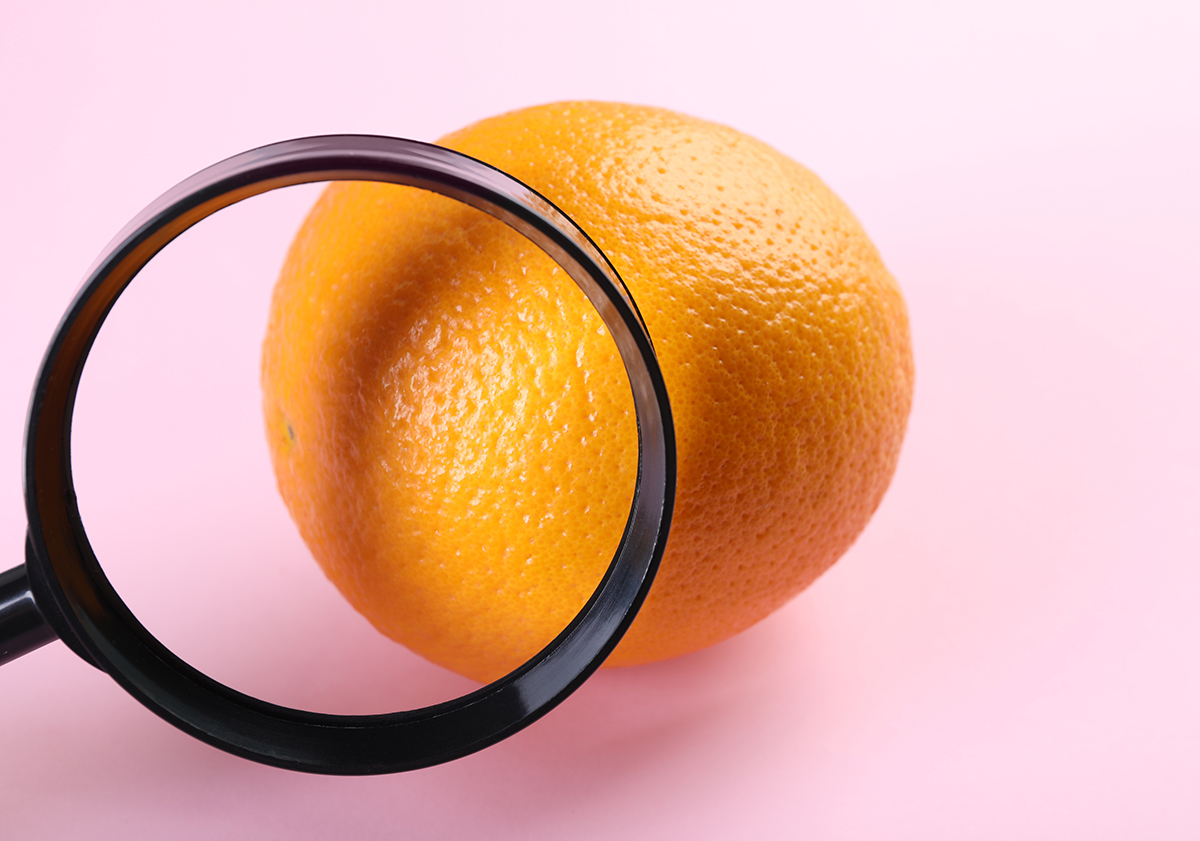
Orange peel
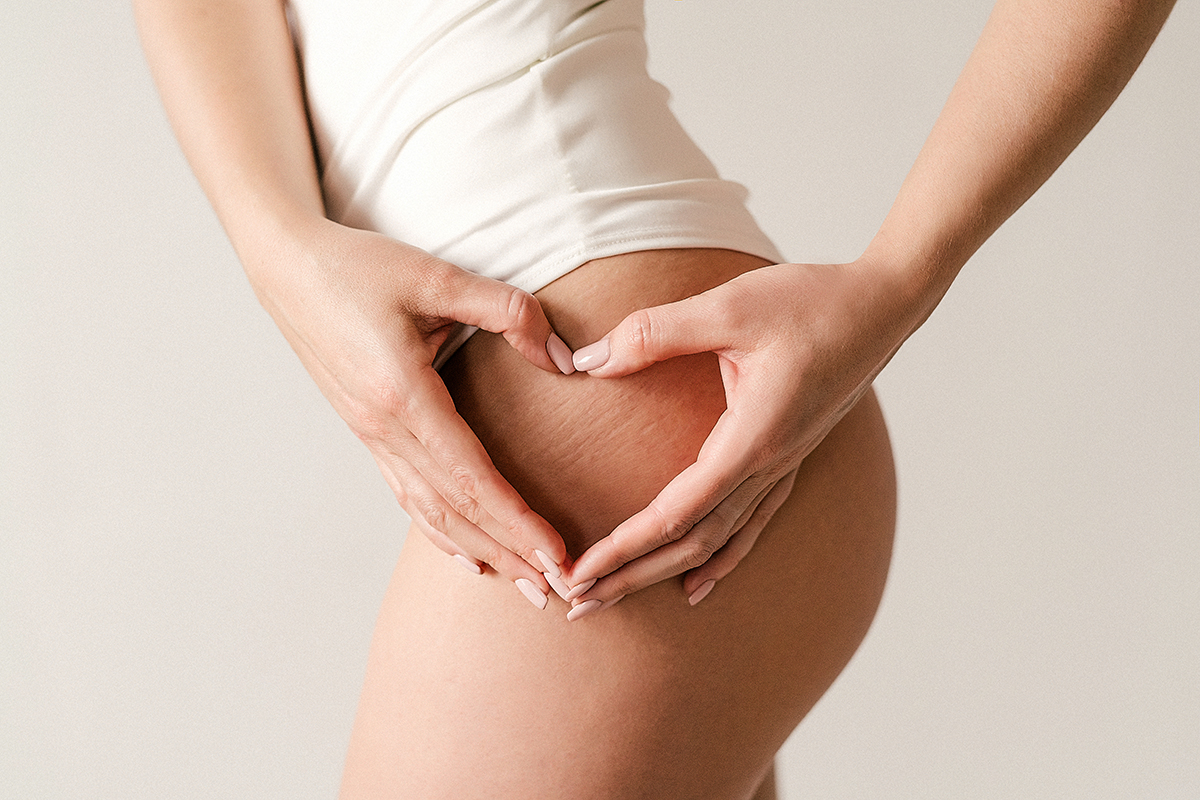
Often referred to as giving an ‘orange peel’ uneven texture to areas such as thighs, hips, buttocks, and abdomen, there is ultimately no cause.
Physically, it happens when fat cells push up against the skin while connective tissue pulls down, creating uneven surface tension, but what triggers it, is unknown.
‘Cellulite incidence has been associated with increased carbohydrate dietary intake, increased stress, poor lymphatic drainage, and increased oestrogen hormone levels,’ Dr Rai explains.
‘It has also been found to be less in East Asian ethnicities in comparison to the white Caucasian population. This is by no means exclusive, and no definitive cause of cellulite is known. All body shapes and sizes are subject to the presence of cellulite.
‘Treatments offered for cellulite today include a focus on diet and lifestyle and skin treatments which are aimed at breaking the connective tissue bands between the fat cells, leading to a smoother and even skin surface appearance on the treated areas. Creams and topical treatments offered are less effective as they are not directly dissolving these bands.’
Genetics, hormones, skin thickness and elasticity can all play a role, but can you ever truly get rid of cellulite?
‘Treatments with the highest efficacy include Subcision - manual needling used to break the fibrous bands between the fat cells, Cellfina™ and traditional liposuction including Vaser Liposuction (laser-assisted liposuction), where the fat cells are reduced and the connective tissue bands are physically broken,’ says Dr Rai.
‘These lead to the best results; however, they can be painful, and the cellulite can recur with time.’
While it is not possible to completely prevent cellulite, certain lifestyle changes can delay its onset, reduce its severity, and keep skin firmer and healthier over time. Read on to discover where you can start.
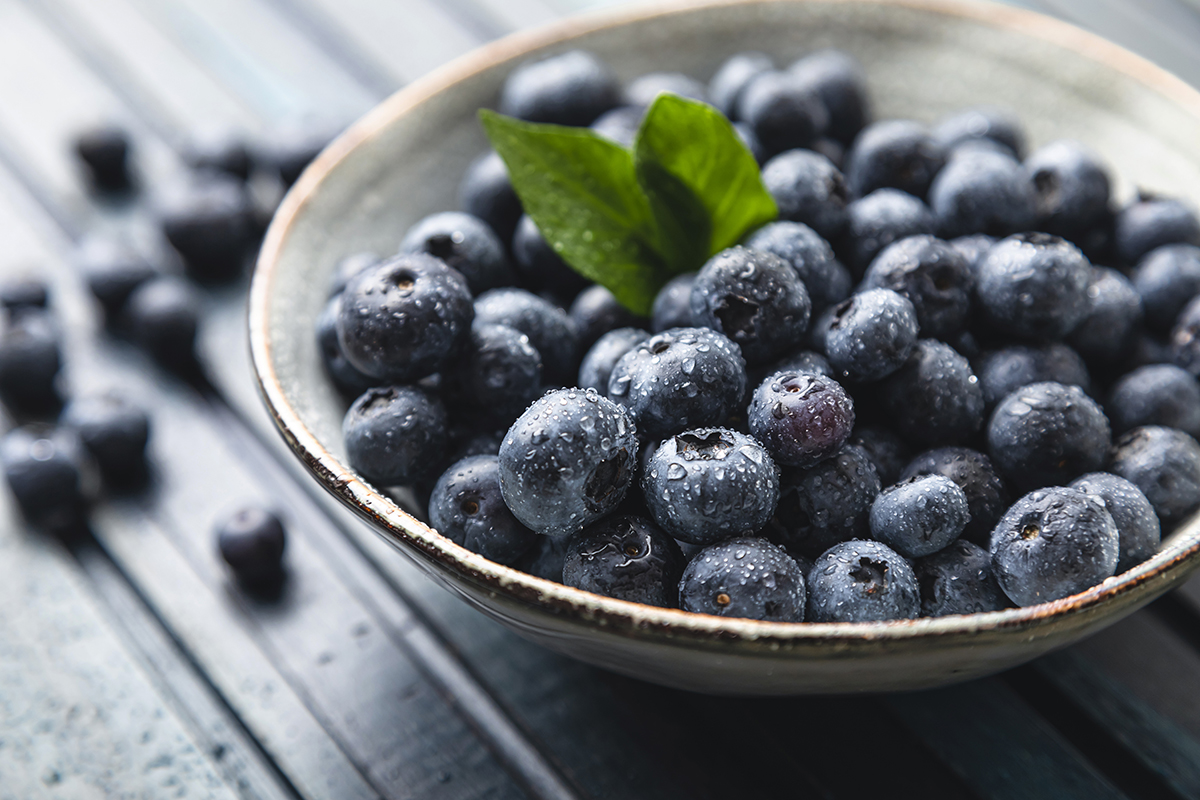
Maintain a balanced diet
You really want to be eating foods that are rich in antioxidants so that you can protect collagen and elastin. These can include:
- Berries, like blueberries, raspberries, strawberries
- Citrus fruits, such as oranges, lemons, grapefruit which are rich in vitamin C for collagen production
- Dark leafy greens, including spinach, kale, Swiss chard
- Tomatoes because the lycopene helps skin elasticity
Lean proteins are important too as they support muscle tone, skin and connective tissue repair. Try:
- Chicken, turkey, lean beef
- Eggs
- Greek yoghurt
- Lentils, chickpeas, beans
- Collagen-rich foods (bone broth, collagen powder supplements)
Healthy fats, such as avocados, olive oil, nuts (almonds, walnuts), fatty fish (salmon, mackerel, sardines), flaxseeds & chia seeds, keep cell membranes flexible.
And you can boost your circulation with green tea, and even chilli peppers, while reducing water retention with bananas that are rich in potassium.
Limit excess sugar, refined carbohydrates, and processed foods, as they can lead to fat storage and inflammation that make cellulite more visible.
Stay hydrated
Dehydration can make skin thinner, less elastic, and more prone to dimpling. Aim for 2–3 litres of water per day, adjusting based on activity level and climate.
Foods with high water content, like cucumbers, watermelon, oranges, celery and courgettes, can support skin plumpness and elasticity. These foods are mostly water, helping keep skin cells hydrated.
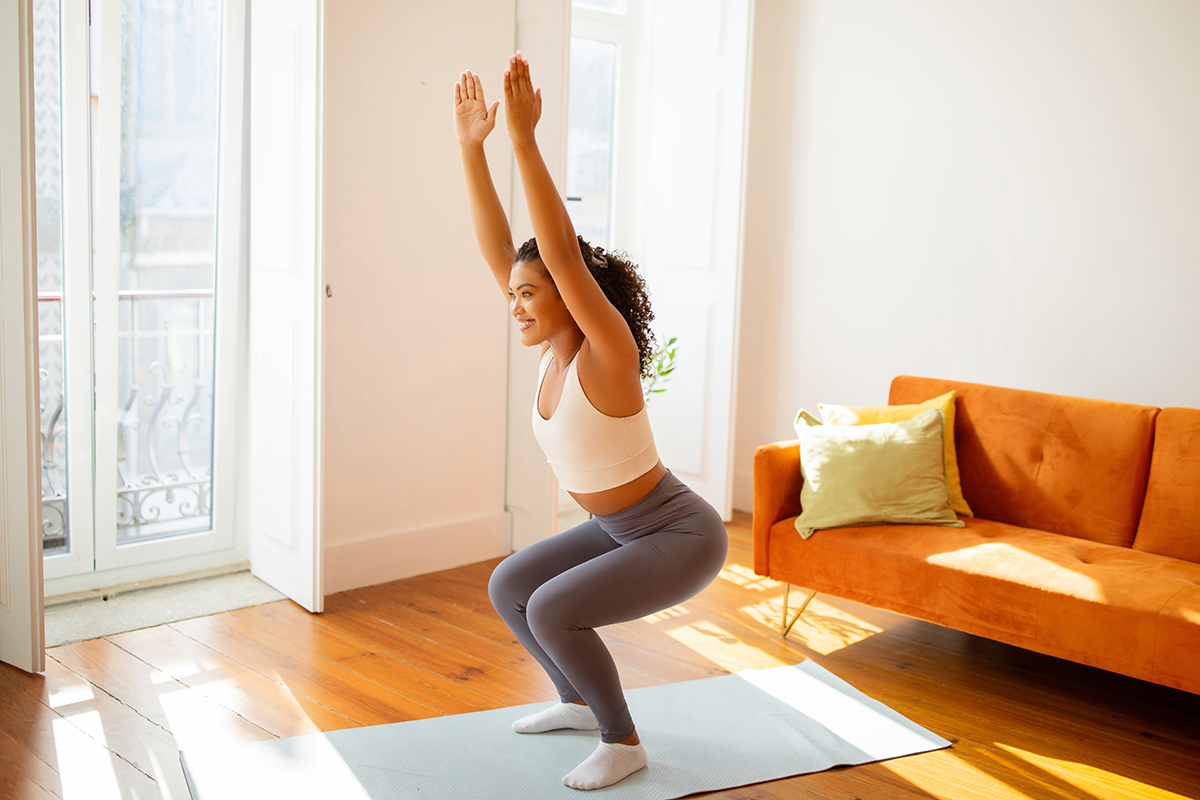
Smart exercise
While exercise won’t get rid of your cellulite, it can improve your muscle tone, circulation and fat distribution. Remember that cardio helps reduce fat, but without strength training, the skin may remain loose.
Strength training builds muscle underneath problem dimple-prone areas which can help with tightening skin and reducing dimples and create a firmer appearance. Focus on squats, lunges, hip thrusts, and leg presses for lower-body cellulite. Try this simple combination:
- Squats (3 sets of 12)
- Glute bridges (3 sets of 15)
- Step-ups (3 sets of 12 per leg)
- Deadlifts (3 sets of 10)
Add some cardiovascular exercise which improves circulation and helps manage body fat. Activities like brisk walking, cycling, swimming, and running are all great options.
Also include flexibility and mobility work into your routine. Yoga or stretching keeps fascia healthy and reduces stiffness around connective tissues.
Avoid bad habits
It goes without saying that bad habits are only going to cellulite worse. Smoking damages blood vessels, weakens collagen, and accelerates skin aging. While alcohol contributes to dehydration, poor circulation, and inflammation.
It’s also important to manage your stress levels. Chronic stress raises cortisol levels, which can increase fat storage and break down skin collagen. Practices like meditation, deep breathing, or even a daily walk can help regulate stress hormones.
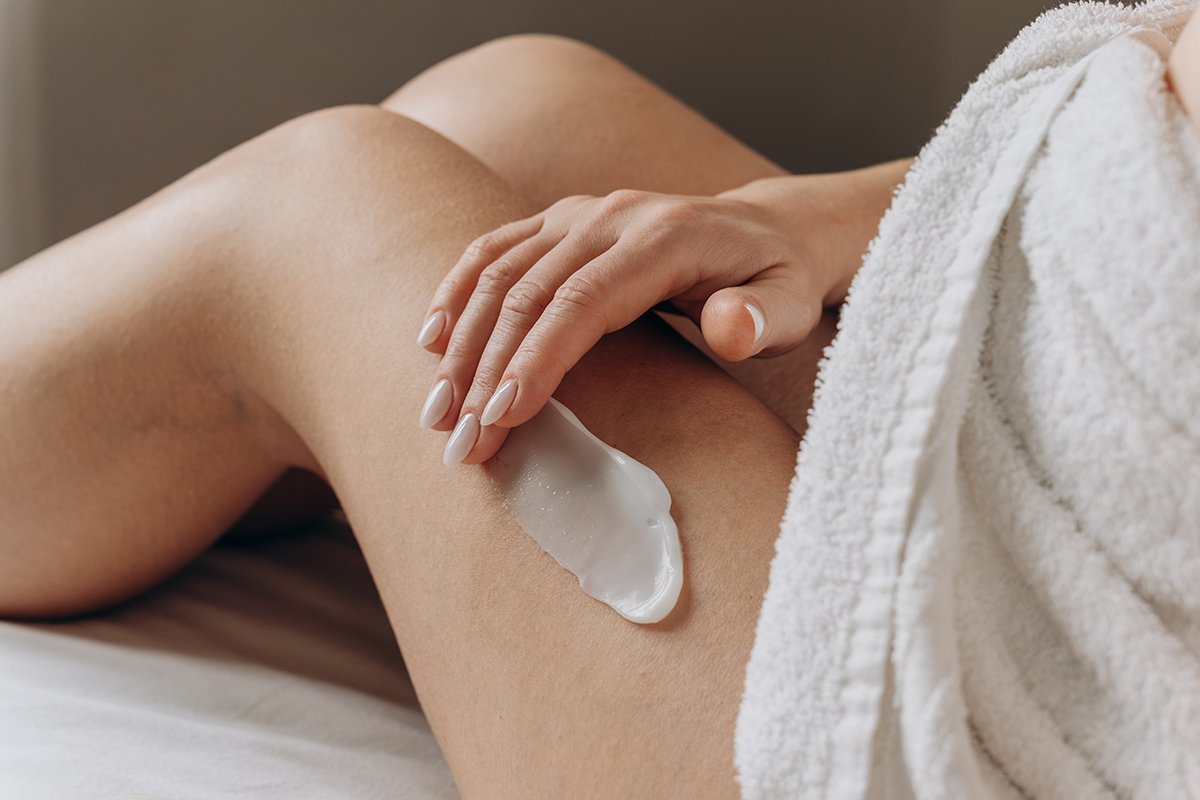
Reducing the appearance
If cellulite has already developed, it’s never going to completely go away but there are ways to make it less noticeable. These range from at-home self-care to professional treatments.
Skin care
While creams cannot eliminate cellulite, some can temporarily smooth skin. Caffeine creams get results because caffeine dehydrates fat cells, reducing puffiness and making skin look smoother. Make sure you’re also using hydrating lotions as well moisturised skin appears plumper and far more even.
One of the most iconic is the caffeine-rich skin-tightening Sol de Janeiro Brazilian Bum Bum Cream which you can massage into your skin. The Nivea Q10 Firming and Cellulite Gel is a popular budget alternative.
Retinoids, which are a class of Vitamin A derivatives, can stimulate the skin to produce collagen and speeds up new skin cell growth. This can result in the skin thickening over time and reducing the contrast of dimpling by creating a better texture.
Body brushing
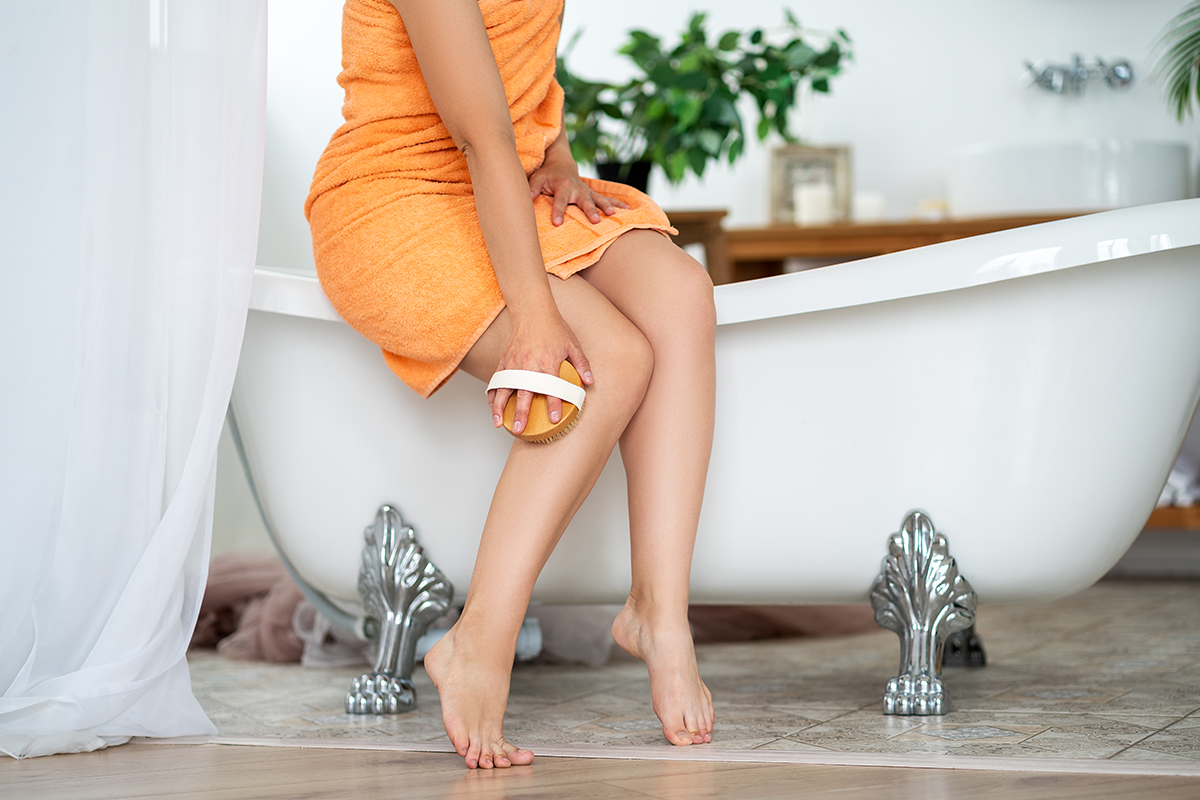
Body brushing, also known as dry brushing, uses a firm-bristled brush to massage the skin and has been used for centuries to exfoliate skin, stimulate blood flow and improve body tone.
A big benefit of body brushing is its ability to stimulate blood flow. By brushing the skin in upward strokes toward the heart, you encourage better circulation, which delivers oxygen and nutrients to skin cells more efficiently.
Enhanced circulation can help plump the skin, making cellulite less noticeable over time. Good circulation also supports the body’s natural detoxification processes, promoting overall skin health.
The lymphatic system plays a vital role in removing toxins, excess fluids, and waste products from the body. Poor lymphatic drainage can lead to fluid retention, puffiness, and heighten the appearance of cellulite.
Regular body brushing helps stimulate lymph flow, assisting the body in flushing out impurities. This will not only give you smoother-looking skin but also helps reduce bloating and water retention in problem areas.
Cellulite can often appear more prominent when skin is dull or uneven in texture. Body brushing acts as a natural exfoliant, sloughing away dead skin cells and encouraging the growth of new cells. New skin can absorb moisturisers, oils, or cellulite-specific creams more effectively.
While body brushing alone won’t ‘melt’ cellulite, the firm pressure and consistent stimulation of the tissue beneath the skin may help in redistributing fat deposits and breaking down fibrous bands that contribute to the dimpled appearance. The massage effect helps soften these tissues, which can make the skin look smoother.
The repeated movement of the brushing not only strengthens the skin’s surface but can also encourage the production of collagen and elastin.
These structural proteins are responsible for maintaining the skin’s firmness and elasticity. Stronger, more elastic skin is less prone to sagging and dimpling, which makes cellulite less visible.
Professional treatments
If you’re looking for faster or more dramatic results, you might want to consider a medical or spa treatments.
Laser and radiofrequency treatments stimulate collagen and elastin production. They can improve circulation and skin tightening but they do require multiple sessions and maintenance.
Acoustic Wave Therapy (AWT) is a non-invasive treatment that uses pressure waves to stimulate the body's natural healing and regenerative processes.
It can treat cellulite by breaking down fibrous bands, which improves elasticity, as well as and stimulating collagen production. It is often combined with massage and topical creams.
Subcision (Cellfina) is a minimally invasive procedure that uses a device the size of a needle to break up and loosen connective bands, known as fibrous bands, just under your skin.
Those bands are pulling your skin downwards. Afterwards you can experience swelling, but the results can last over a year.
You could consider injectables. Collagen-stimulating fillers or enzymes can smooth skin temporarily but will require repeat treatments.
Another option is Endermologie, a type of vacuum-assisted massage. It uses suction and rollers to improve circulation and smooth connective tissue.
Read more:
