
Get the ‘Ozempic effect’ without the jab
Photos: Getty
A few years ago, the body positivity movement hailed big as beautiful, but fast forward and the message seemed to have disappeared when weight loss jabs hit the headlines, making more noise than the dieting world had ever heard before.
No longer did people have to put all their hope in weight loss organisations or calorie counting, because Jack had arrived at the bottom of the beanstalk with some truly magical beans, in the shape of Ozempic, Wegovy and Mounjaro.
The dieting goal shifted overnight from dropping a few pounds to the dieting goal, as stories of hundreds of pounds of weight loss spattered the headlines on a daily basis, telling real life stories of life-changing amounts of body fat disappearing with little to no effort, thanks to the injections boosting the levels of our body’s hormone GLP-1.
According to statistics at least 1.5 million people in the UK use the weekly injections for weight loss, having met the criteria of having a body mass index of 40, or 35 plus a weight-related health condition.
But if you don’t qualify, or you’ve been scared away from injections by stories of side effects but still want to tap into the possibility of losing weight through by boosting your levels of the hormone, there is another way, and it’s not all about what you eat.
Doctor Geoff Foster explains: ‘If you want to naturally boost your GLP-1, the hormone that helps control your appetite, balance your blood sugar, and support weight management, there are several simple, everyday strategies that can make a big difference.’
- 10 superfoods you’ve probably never heard of (but should be eating)
- Your workout is missing this vital step

Exercise
One strategy is to make an effort to get the right amount and the right type of exercise each week, flipping the aim from burning as many calories as possible to boosting your hormone levels, and as long as it’s movement of some kind, it all counts.
Dr Foster says: ‘Exercise is a powerful tool, both aerobic activity and resistance training boost GLP-1 levels and improve insulin sensitivity. In general terms, aiming for at least 150 minutes of moderate exercise a week, for example, brisk walking, cycling, or swimming alongside two to three strength sessions can make a significant difference. Even short walks after meals are helpful.’
Emotional and disordered eating specialist Marcelle Rose, and author of the Binge Freedom Method, a four pillar plan to beat emotional eating, adds: ‘Regular movement not only increases GLP-1 levels but also enhances your body's sensitivity to these hormones. Avoid punishing exercise that could cause undue stress on your body.’
Diet
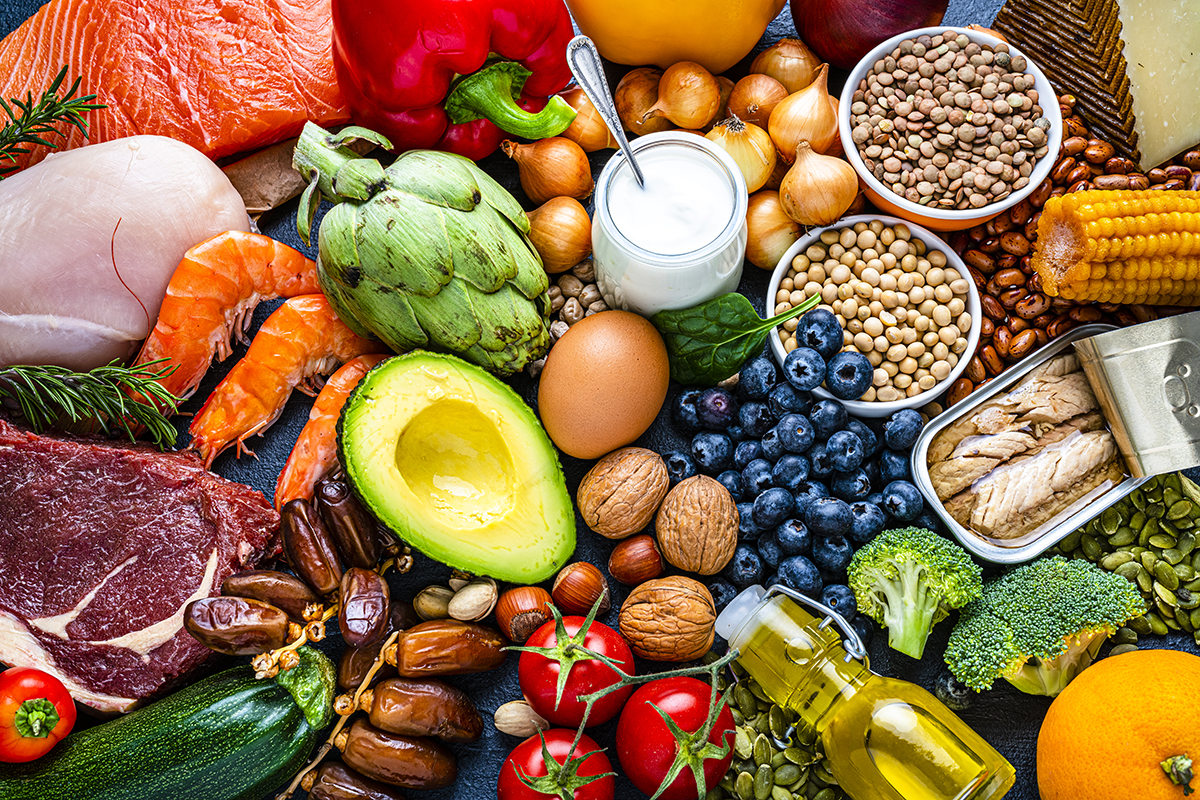
Dr Foster advises the most important part of your diet is to focus on your protein intake.
He says: ‘Meals rich in protein, like eggs, fish, lean meats, legumes, or Greek yogurt, can stimulate GLP-1 and help you feel fuller for longer. Pair that with plenty of fibre from foods such as oats, beans, lentils, vegetables, fruits, and seeds. Fibre not only slows digestion but also feeds the good bacteria in your gut, which in turn supports GLP-1 production. Healthy fats, like those found in avocado, olive oil, nuts, and fatty fish, also encourage GLP-1 release, especially when combined with fibre.
‘Finally, think about functional foods and spices. Cinnamon, ginger, and a touch of chili have all been shown to enhance GLP-1 activity, and staying hydrated while limiting highly processed foods supports your gut hormones overall.’

Support your gut health
As well as the main foods to eat to boost GLP-1, there are specific foods you should add to your diet solely to ensure your stomach happy as well as full, by making sure there is enough ‘healthy bacteria’.
Marcelle says: ‘A healthy gut lining and microbiome diversity enhances GLP-1 release. Include probiotic-rich fermented foods such as kefir, kimchi, yogurt, sauerkraut. Additionally, prebiotic foods are important, while garlic, onions, leeks, bananas, asparagus will be helpful too.
‘Limit gut irritants including excessive alcohol and the use of non-steroidal anti-inflammatory medications such as Ibuprofen.
‘Eat a variety of fibre rich foods, to promote short chain fatty acid (SCFAs) production. These are byproducts produced by gut bacteria fermenting fibre. They are incredibly beneficial for the health of the gut and can support GLP-1 secretion.
‘All in all, incorporating a wide variety of whole, nutrient-dense foods can help support your body’s natural satiety signals. Over time, this approach naturally crowds out the less helpful foods that may disrupt gut hormone balance, contribute to insulin resistance, and intensify cravings.’
Manage stress levels
Life is stressful, there’s no getting away from it, whether it’s caused by the daily struggles of getting the kids out of the door and getting to your job on time, being overworked and underappreciated or just generally the pressures of being a grown-up sapping you of energy on a regular basis.
There’s no avoiding it, but the key is to have strategies to cope with it, rather than just hoping it go away.
Marcelle explains: ‘The stress hormone Cortisol is released in response to perceived danger, triggering the classic 'fight or flight' response. It increases heart rate, blood pressure, and blood glucose levels, essentially preparing your body to act quickly. In short bursts, this response is adaptive and helpful. But in our modern lives, many of us experience ongoing, low-grade stress -emails, deadlines, family pressures, body image worries- and that means cortisol is elevated far more often than it should be.
‘Stress also increases sugar craving and emotional eating, and chronic stress disrupts hormone regulation, including GLP-1. Explore techniques such as mindfulness, yoga and breathing exercises.
‘Over time, these effects can make it harder to regulate your appetite and can lead to a pattern of reactive eating, especially in the afternoons or evenings when stress often accumulates.’
Sleep
Perhaps the biggest thing we need to wrap our heads around when it comes to mimicking the effects of Ozempic is explained by Rosey Davidson, sleep consultant at Just Chill Sleep Solutions:
‘We’re beginning to understand just how much sleep impacts our overall health - and appetite regulation is one of the most fascinating links. GLP-1 (glucagon-like peptide-1) is a hormone that helps regulate blood sugar, slows digestion, and promotes feelings of fullness. It’s the hormone that some well-known weight loss medications are based on - but what many people don’t realise is that our daily habits, including how we sleep, can also affect GLP-1 levels and function,’ she explains.
‘When sleep is poor or too short, it throws the whole system off balance. Research shows that sleep deprivation increases ghrelin, the hormone that makes us feel hungry, and decreases leptin, the hormone that signals satiety.
‘It disrupts GLP-1 activity, meaning we feel less satisfied after eating and are more prone to blood sugar swings.’

‘Sleep and metabolism are deeply interconnected through the body’s circadian rhythms. These internal clocks regulate everything from digestion to hormone release. When we’re sleep-deprived, it’s not just GLP-1 that suffers - our whole metabolic system takes a hit. Blood sugar regulation becomes less efficient, cortisol levels rise, and insulin sensitivity declines.
‘When you’re short on sleep, your body ramps up the hormones that drive hunger and dials down the ones that help you feel full. That’s a perfect storm for cravings. When we haven't had enough sleep, we can also suffer from low mood - which is when many will turn to snacking.
‘On the flip side, prioritising restorative sleep helps keep GLP-1 and other appetite hormones in balance. People who consistently get enough good-quality sleep tend to find it easier to manage cravings, make healthier food choices, and maintain stable energy levels throughout the day.
‘The good news is that supporting GLP-1 through sleep doesn’t require perfection - small, sustainable habits can make a significant difference.
‘Stick to a consistent sleep schedule. Going to bed and waking at similar times each day helps regulate circadian rhythms and hormone release.
‘Get morning daylight exposure. Natural light first thing in the morning helps set your body clock, improving sleep quality later on. Try to get outside as soon as you wake, even if it’s a quick cup of tea in your garden, or a walk around the block.
‘Be mindful with caffeine. Because caffeine lingers in the system for many hours, cutting it after midday can prevent it from interfering with restorative sleep.
‘Create a calm wind-down routine. Gentle activities like reading, stretching, or listening to music cue the body and mind to relax.
‘Reduce evening screen time. Blue light from devices suppresses melatonin, the hormone that signals sleep onset. We also need to consider the content that we are consuming - some content is more engaging and harder to put down, reducing our window of opportunity to sleep, and less sleep means more cravings the next day. Evening screen time is also often the time that people tend to overeat. When we eat mindlessly, we often consume more than we need, and favour high fat, high sugar, calorie dense food.
‘As I often remind people, sleep is a cornerstone of health. When you nourish it, so many other things - including your relationship with food, fall into place.’
Change of mindset
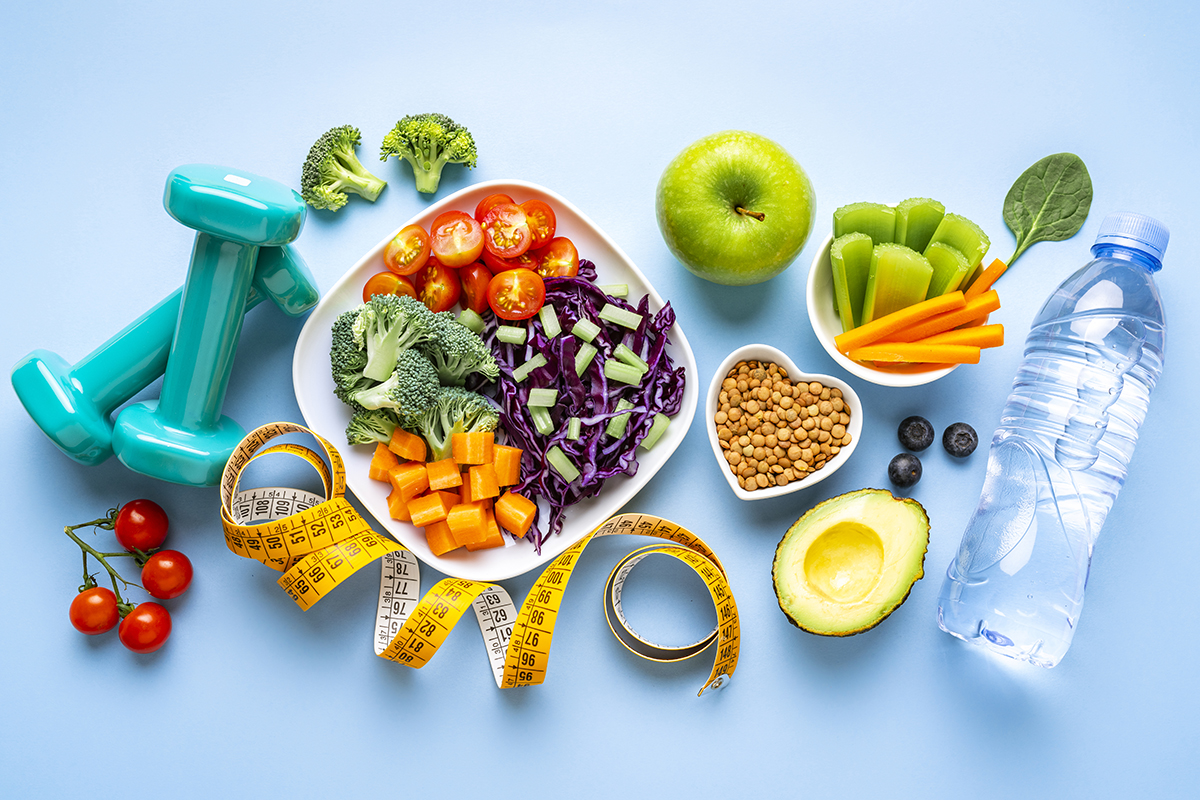
While the expertise here will boost chances of losing weight without the need for weekly weight loss jabs, the loss will not be as extreme.
Dr Foster ‘These aren’t quick fixes, they’re lifestyle habits that, when done consistently, can help your body naturally regulate appetite, blood sugar, and energy levels, all while improving your overall health.’
The use of jabs is a short-term fix, and when patients stop the medication, many put weight back on, as appetite returns.
Marcelle says: ‘When the medication is discontinued, it’s common for individuals to experience rebound weight gain, alongside a significant surge in hunger and cravings.
‘I completely understand why so many feel drawn to this weight loss medication, especially after years, sometimes decades, of trying to lose weight through diets that never really worked.
‘We live in a culture heavily influenced by weight stigma, where thinness is still seen as a standard for health, success, and worth. When you’ve spent so long feeling like nothing else has ‘worked,’ the promise of these jabs can feel incredibly seductive.
‘I’m not here to judge if you’ve chosen to take the medication. But it’s important to recognise that if you haven’t addressed your underlying relationship with food and eating behaviours, things can feel even harder once the medication stops. That’s why doing the inner work while on the medication can be so valuable. Without that foundation, many people find themselves back in the same cycle.’
Read more:
