
Eating more foods in this colour may help protect against type 2 diabetes
When you choose what to eat for dinner, it’s unlikely that the first thing you think about is the colour. How it will be presented on the plate, potentially. But colour? Likely not.
However, research highlights that a colourful and varied diet isn’t just aesthetically pleasing, it can create different nutritional and psychological responses in our bodies.
A colourful diet is what we should all be aiming for, touching on different sensory experiences and sending emotional messages to our brains.
Advertisers have already started plugging into these ideas in how they market food to us, with food colouring being added to some of our favourite foods to make them look more palatable and help us imagine different flavours.
In some research, it was found that green food colouring reduces our ability to detect sour flavours, whereas red food colouring reduces our detection of bitter flavours, and yellow food colouring reduces our detection of sweet and sour tasting notes.
If you’re looking at stepping up the nutritional value of your meals, without the food colouring doing the work for you, these are the colours to make your appetite shine.
- These everyday foods are causing your belly fat. Here's what to do about it
- These are the key warning signs your gut health needs attention (and fast!)
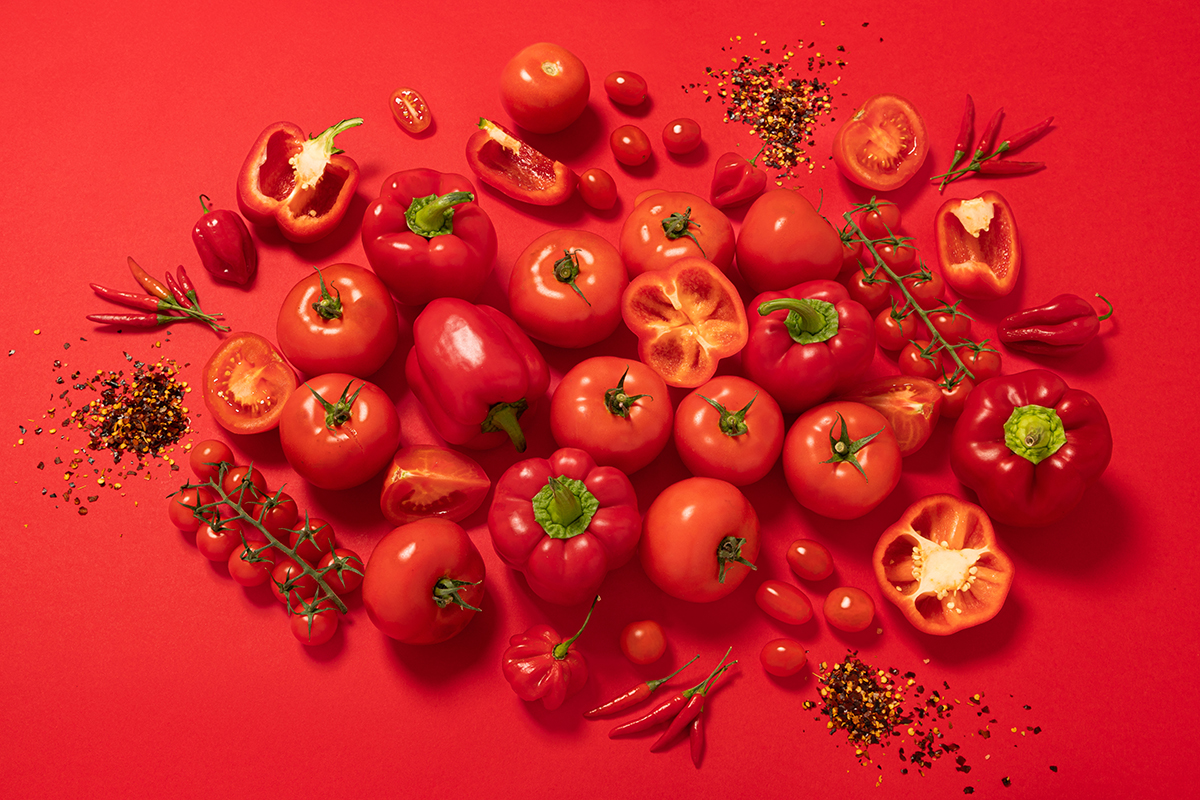
Red
The fiery red and pinkish colour of food can be a key indicator that lycopene is involved. Lycopene is an antioxidant that protects your body against compounds that cause stress and illnesses.
Eating red foods may protect your skin against the harsh UV rays of the sun to prevent sunburn or even boost cardiac health by reducing the risk factors of heart disease.
Psychologically, the assertive and dangerous tones of red have been used by food retailers to market their products to us.
It’s why so many famous food brands incorporate red into their logos, as our brains pay more attention to the colour red, making us more likely to purchase from that place.
Why not try:
- Red peppers
- Strawberries
- Radishes
- Red onions
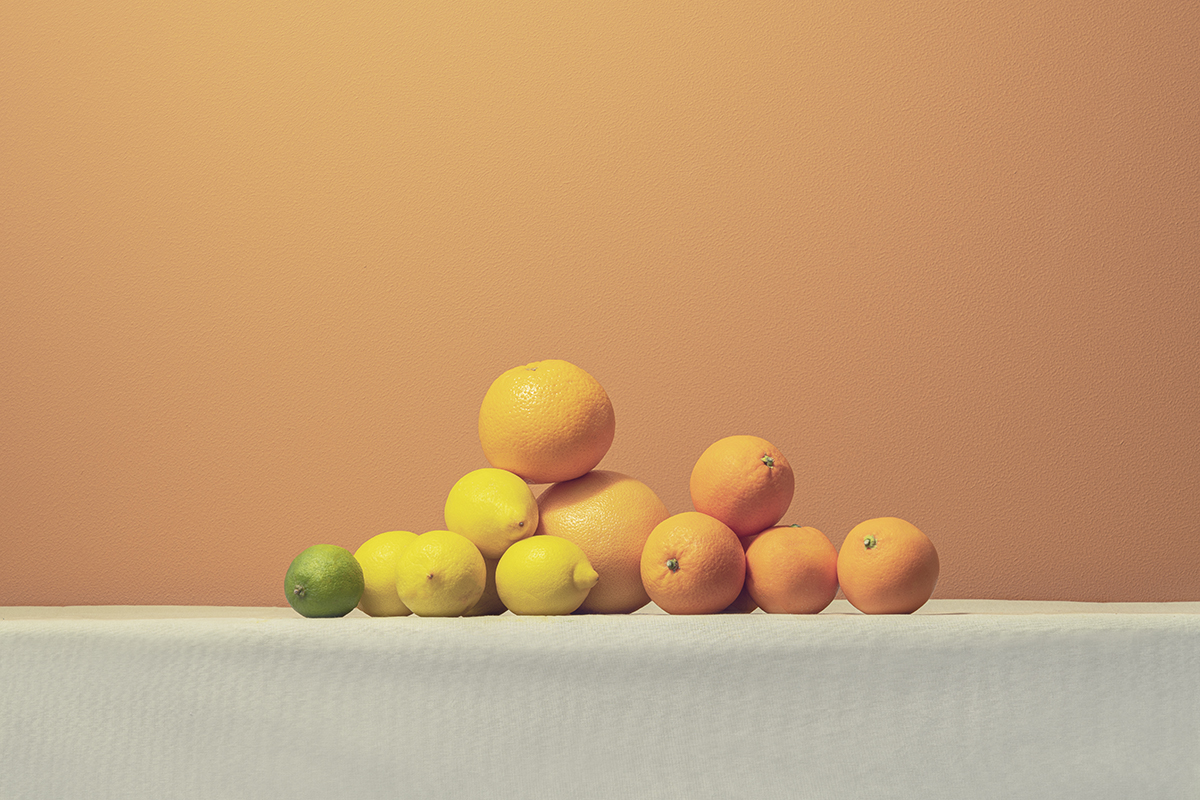
Orange & yellow
Carotenoids are the red, orange and yellow colour pigments found in our favourite vegetables, acting as antioxidants in our bodies.
There are two main types of carotenoids: xanthophylls (which contain oxygen and are yellow pigmented) or carotenes (which don’t contain oxygen and are orange pigmented).
Xanthophylls will protect us from overexposure to sunlight and support our eye health, whilst carotenes support plant growth.
A yellow tone in food will create a sense of joy and happiness, while orange colours will bring about a sense of excitement and energy to our subconscious.
Why not try:
- Oranges
- Peaches
- Winter squash
- Pineapple

Green
Isothiocyanates are chemicals formed by plants as a stress-response, produced by the likes of mustard greens and cabbage, known as cruciferous vegetables.
They help the body by causing antioxidant and anti-inflammatory behaviour, alongside contributing a portion of vitamin K and folic acid to your diet.
In some research, it was even found that feeding cruciferous vegetables like watercress to smokers reduced the carcinogenic effects that tobacco causes.
Our brains often associate green foods as a healthy alternative to fried, beige products, making us think of freshness and nature.
Why not try:
- Broccoli
- Artichokes
- Kale
- Avocados
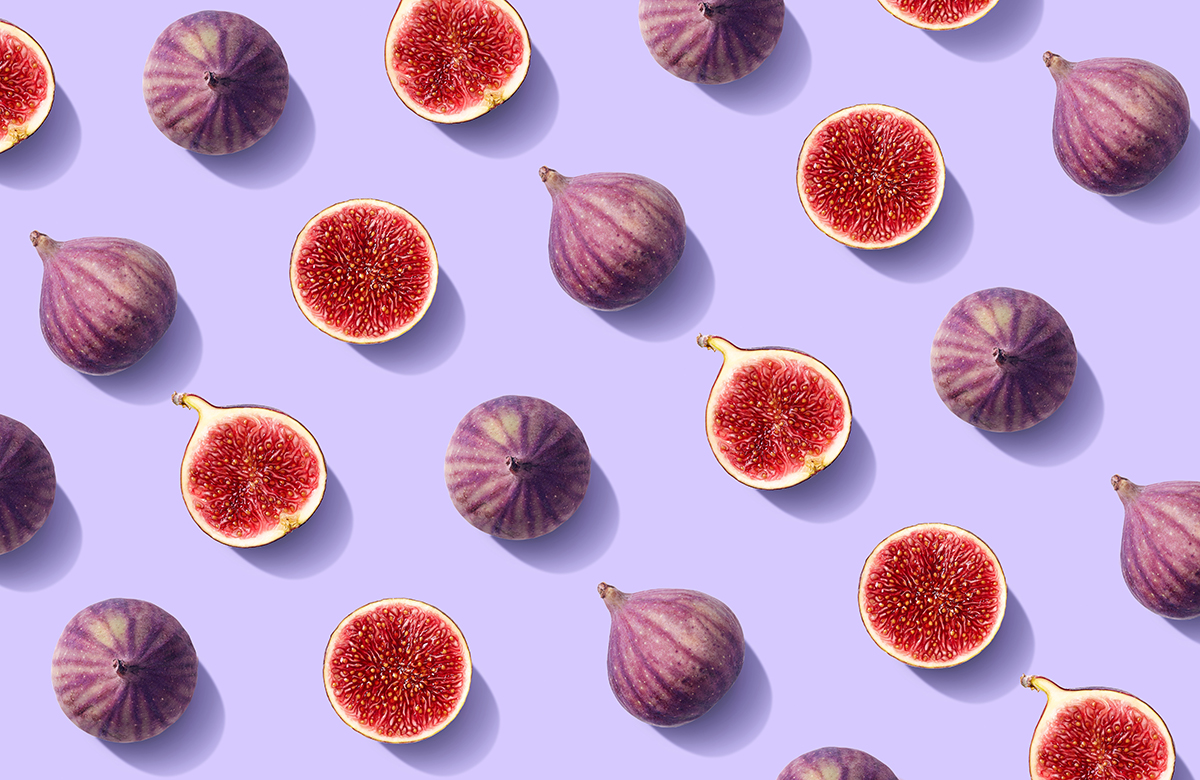
Blue & purple
Blue and purple-toned foods are packed with anthocyanins, which are the antioxidants found in the flavonoid family. They’re often used as dyes or to colour food because of their bright colours, but they’re also believed to reduce inflammation.
Some studies have indicated that anthocyanins support people in defending themselves against type 2 diabetes, with the antioxidant improving our glucose tolerance and improving our body’s potential to recognise and use insulin.
Purple colours are often associated with luxury and indulgence, with these subconscious messages reaching our food, too.
When you’re next eating at a restaurant, see if you can spot how purple colours have been used to make the venue appear more elegant and sophisticated.
Those colour cues will make us think that the food tastes more refined to match the atmosphere of luxury that you’re dining in.
When it comes to blue, you may even imagine a saltier flavour to your food. In a small study, food shared with participants in blue bowls was reported to taste saltier. That’s likely because our minds associate blue dining wear with the blue colour that salt and vinegar crisp packets are often branded in.
Why not try:
- Blueberries
- Plums
- Red cabbage
- Aubergine
- Figs
Read more:
