Transform your home into a bigger space with these tips
Creating the illusion of a larger room is one of the most satisfying transformations you can make at home. Whether you live in a compact apartment, have a bedroom that feels cramped or want a living room to feel airier, there are clever tricks that dramatically change how a space feels without knocking down walls. With the right use of colour, light, furniture and thoughtful design, even the smallest room can feel spacious, breathable and comfortable.
- The 'caveman' hack that keeps your home cooler in a heatwave
- These are the dirtiest places you've forgotten to clean in your home, says expert
1. Use light colours to expand the space
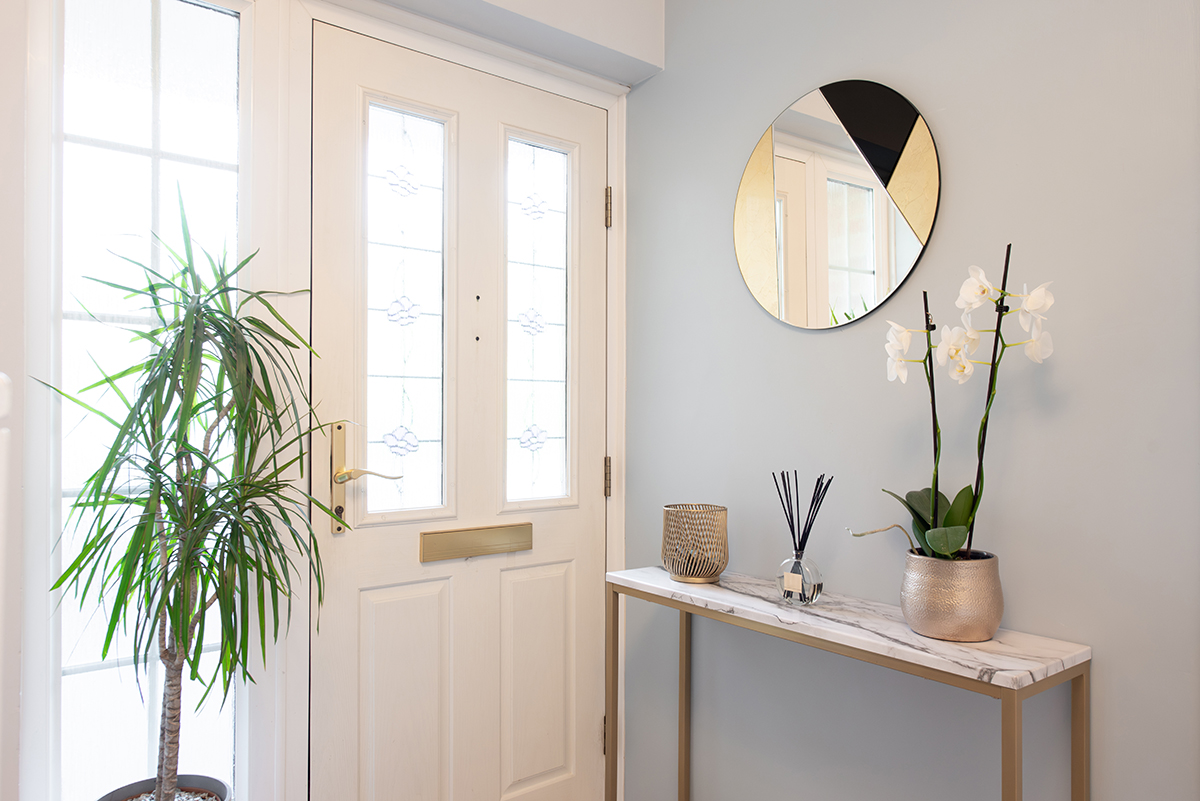
Light colours reflect more light and instantly open up a room, helping walls visually recede. Soft whites, pale greys, creams and light taupe create a calm, expansive backdrop, while cool tones like pale blue or soft green mimic sky and water, adding natural depth. A slightly lighter ceiling shade draws the eye upward for added height.
2. Let in natural light
Natural light is essential for making a room feel bigger. Swap heavy curtains for sheers, linen panels or retractable blinds to keep windows clear. Clean windows regularly, and place mirrors or reflective surfaces opposite them to bounce light deeper into the room and reduce shadows.
3. Add more reflection
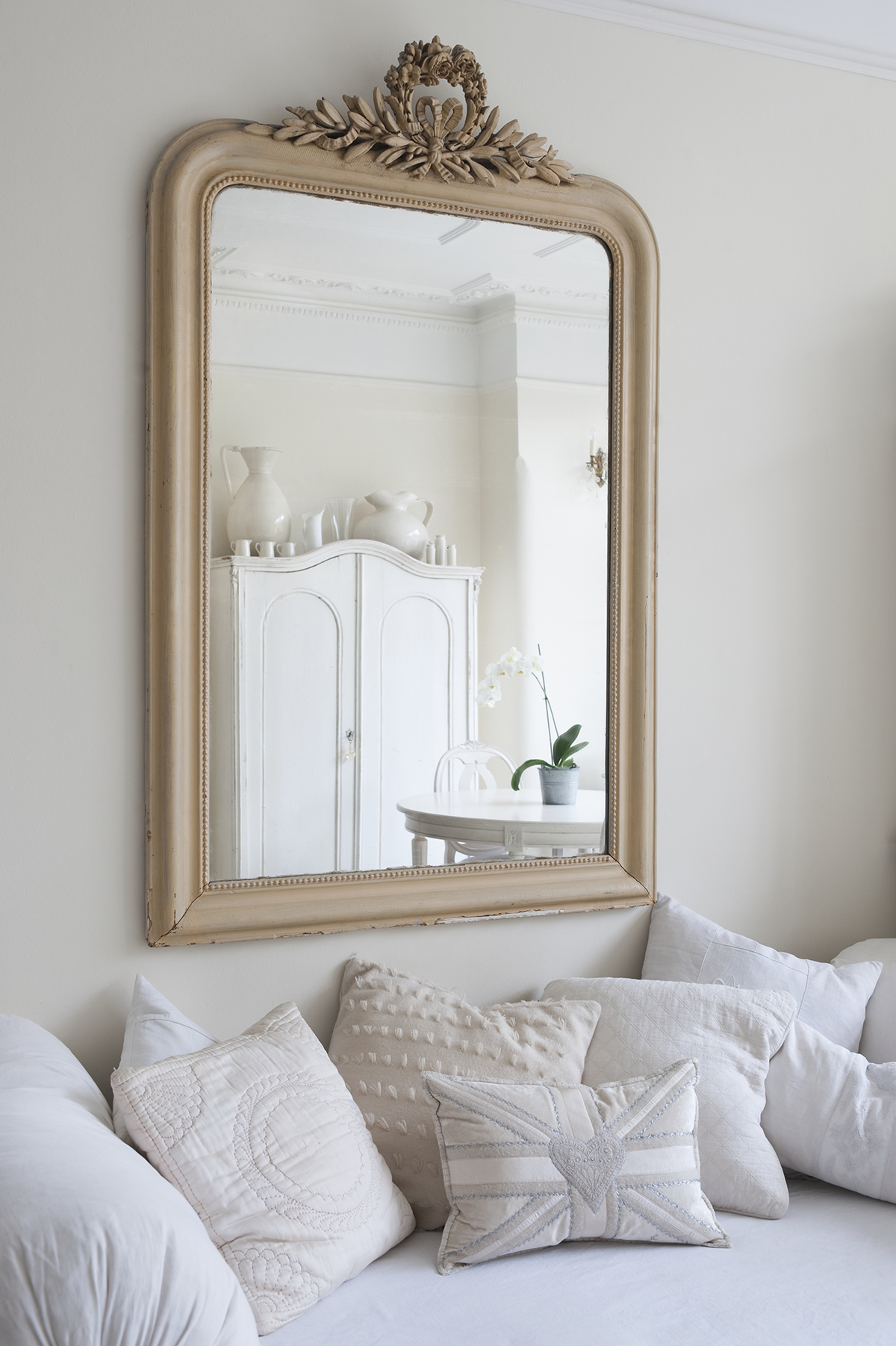
Mirrors are one of the most effective ways to enlarge a space. A floor-to-ceiling mirror, or an oversized horizontal one, can double the perceived depth of a room. Glossy finishes, metallic accents and glass furniture also lighten visual weight and help scatter light.
4. Declutter
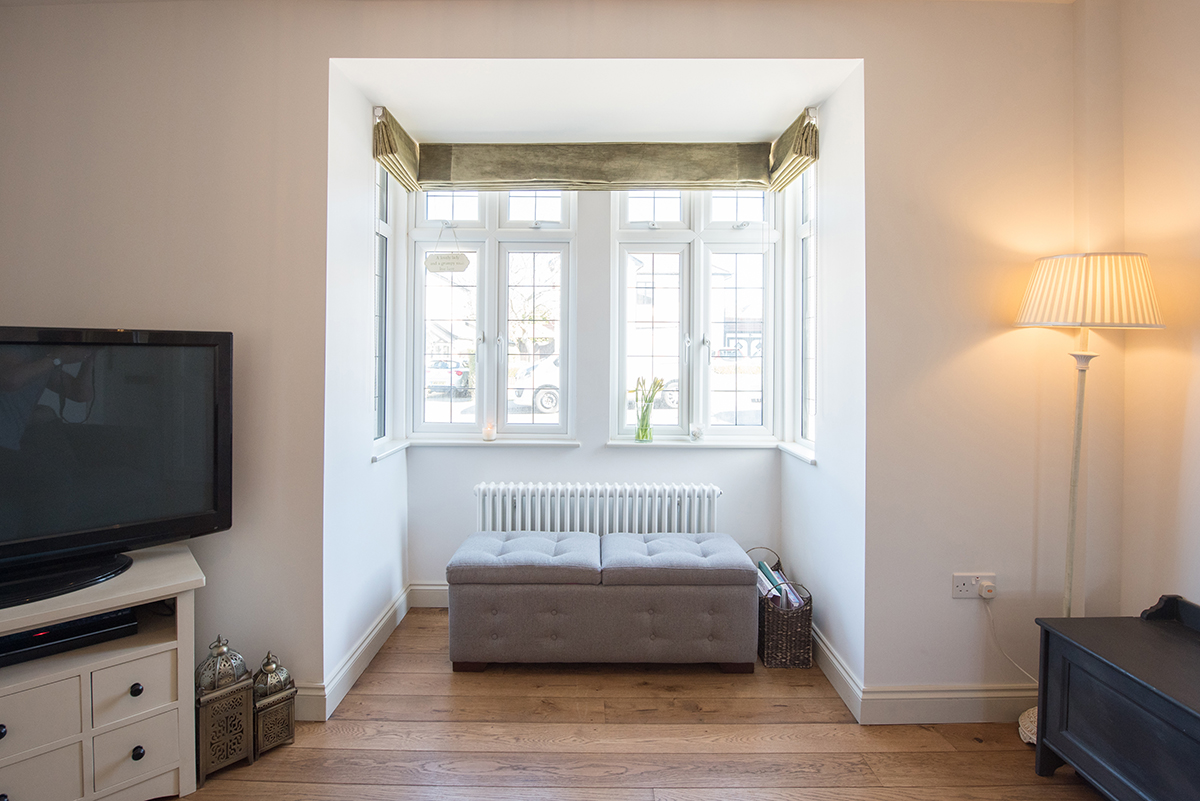
Even large rooms feel small when cluttered. Keep surfaces like dressers and counters clear and edit accessories so each area has breathing space. Smart storage, like ottomans, vertical shelving, under-bed boxes and benches with hidden compartments, keeps everyday items accessible but unseen. Wall-mounted desks and foldable tables save valuable floor space. Use matching baskets and cord organisers to conceal essentials and keep everything streamlined.
5. Choose furniture that’s the right scale
Oversized furniture overwhelms small rooms. Select pieces that match the room’s proportions and use fewer, larger items rather than many small ones. Opt for slim profiles, exposed legs or transparent materials like acrylic or glass to give everything a spacious feel. Avoid pushing furniture tightly against walls; pulling pieces slightly inward can improve flow and make the room feel less boxed in.

6. Incorporate vertical design elements
Drawing the eye upward adds height. Vertical stripes, tall bookcases and elongated artwork emphasise vertical space. Hanging curtain rods higher than the window frame also lengthens the wall.
7. Layout for movement
A room feels bigger when you can move easily through it. Keep pathways clear and avoid blocking natural walking routes. Leave corners open where possible and try floating furniture away from walls to create better circulation or balance.
8. Use rugs strategically
Rugs anchor a space, but too-small rugs visually chop up the floor. A larger rug unifies the room and makes it feel more expansive. In living rooms, place the front legs of sofas and chairs on the rug. In bedrooms, position the rug under the lower two-thirds of the bed to ground the space without needing a huge floor covering.
9. Keep patterns simple
Patterns add personality but can quickly overwhelm. Choose small to medium prints and limit the number you use. Monochromatic patterns, those within one colour palette, keep the space cohesive and airy.
10. Use multi-functional furniture
In small rooms, every piece should earn its place. Choose items that offer more than one use: sofa beds, coffee tables with lift-up storage, dining tables that double as desks or benches that store bedding. Fewer, more useful pieces instantly reduce clutter.
11. Maximise artificial lighting
Lighting can completely change the perception of space. Layer ambient lighting with task and accent lights. Think reading lamps, wall sconces, picture lights or LED strips. Avoid relying on a single central fixture, which creates harsh shadows that make a room feel smaller. Warm, diffused lighting feels inviting without closing the room in.
12. Choose the right artwork
Artwork guides the eye around the room. One large piece often expands a wall more than several small ones. Hang art at eye level to maintain visual flow and choose thin, minimal frames to keep the look light.
13. Manage the sightlines
Sightlines, which is what you notice first when entering a room, shape how big it feels. Keep doorways and entry paths open, place lower items near the entrance and position taller pieces at the far end of the room. This draws the eye deeper into the space and creates a sense of depth.
14. Embrace negative space
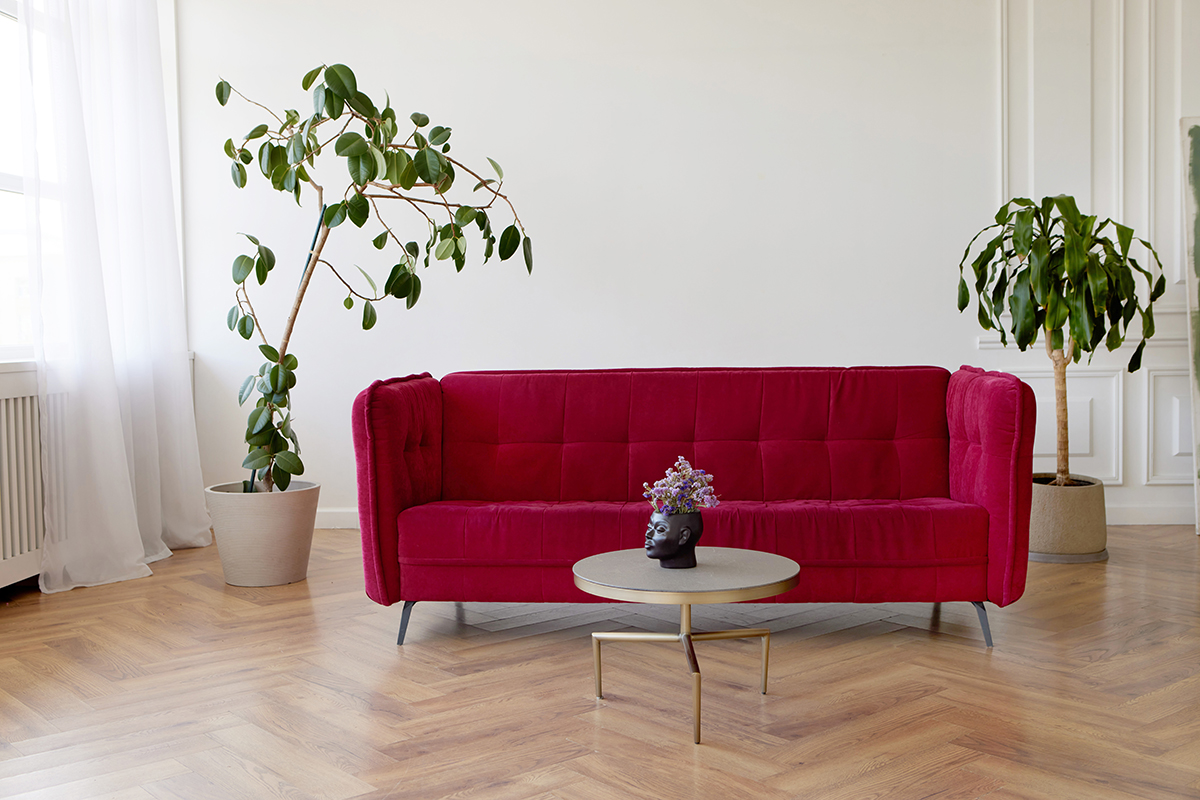
Empty areas of wall, floor and corners let the eye rest and reduce visual clutter. Avoid filling every gap; a little restraint makes a room feel calmer and larger.
15. Use curves to soften the space
Most rooms are dominated by straight lines. Adding curves—such as round coffee tables, arched lamps, curved chair backs or circular art—helps guide the eye smoothly around the room, improving flow and creating a softer, more open feel.
16. Bring in nature strategically
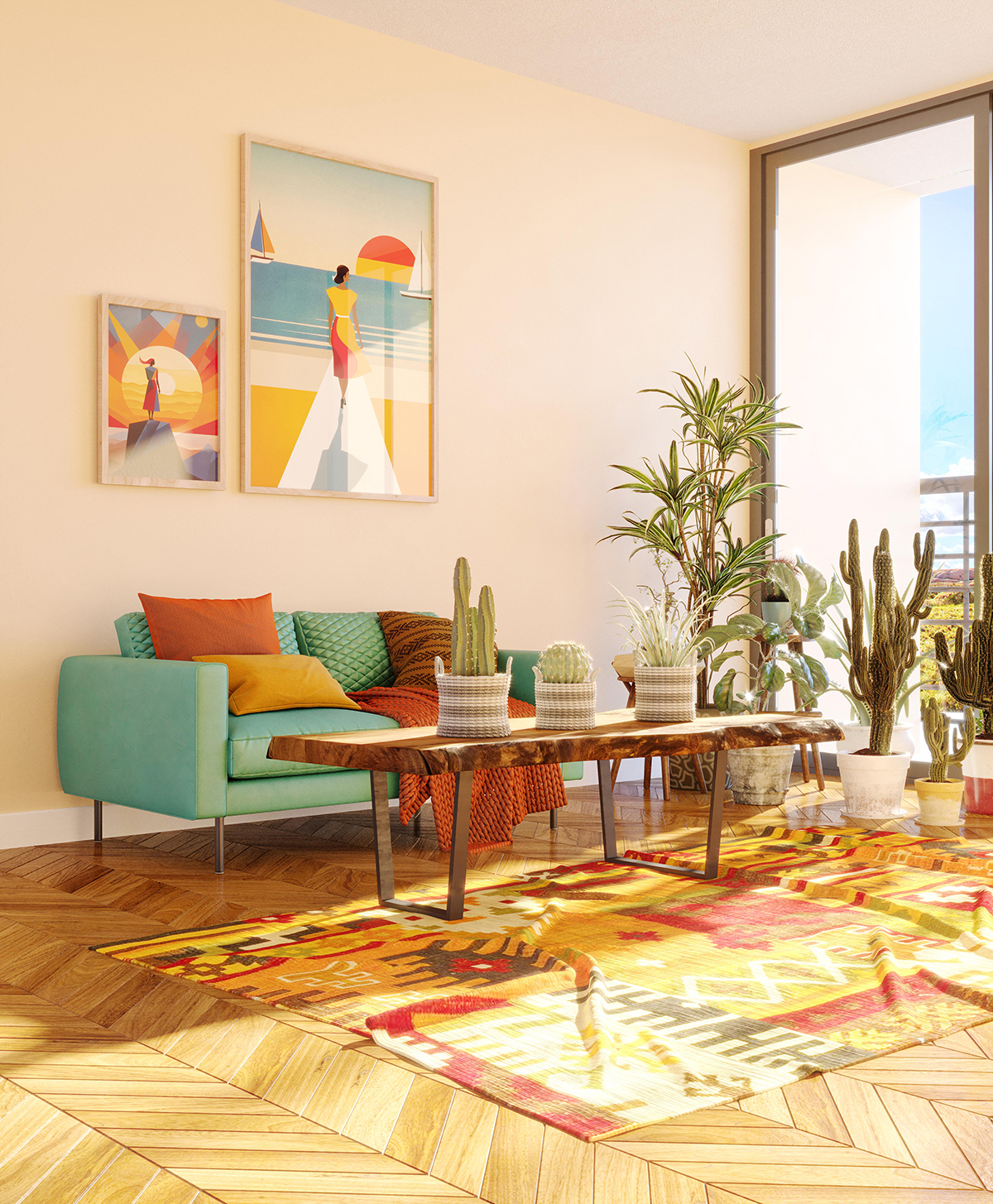
Plants can make a room feel bigger by adding height and softness. Choose one or two larger plants rather than many small ones. Tall, slim plants or hanging planters draw the eye up without taking up floor space.
17. Use cohesive materials
Limiting the number of materials in a room instantly reduces visual noise. Stick to one wood tone, one metal finish and a consistent style for baskets or boxes. Cohesive elements help the room feel calmer and more spacious.
18. Add perimeter lighting
Lighting placed around the edges of the room, like LED strips along shelves, behind sofas or under cabinets, pushes light outward, making the walls appear farther away. It’s subtle but highly effective for expanding space.
19. Choose artwork with open themes
Artwork featuring open skies, landscapes or airy abstract forms adds depth and a feeling of expansiveness. These images encourage the eye to travel beyond the walls, enhancing the sense of space.
20. Improve airflow and ambience
Spaciousness is also a feeling. Gentle airflow from an open window or a quiet fan keeps the room fresh, while a subtle scent helps the space feel cleaner and more open. When a room feels breathable, it feels bigger.