
How to reduce your stress levels through your gut
You can probably already sense the connection in your body between stress and gut health even if you’re not yet aware of the mechanics of it. Got a presentation coming up that’s giving you nervy stomach cramps? Maybe you’re feeling low and can’t summon an appetite to eat much. They are familiar feelings to many of us. However, medical and health professions are now finding that it works both ways: keeping your gut healthy and happy has been shown to reduce stress and help your body better manage those types of situations. Let’s look at the science.
Doctify-rated dietitian Aleks Jagiello explains, ‘Stress can have profound effects on your digestive system. Scientists recognise a close brain-gut axis – a two-way communication network between the nervous system and the gut (health.harvard.edu). When you’re stressed or anxious, it triggers physical changes that can disturb normal gut function. When you experience stress, your body releases stress hormones and activates nerves that can alter gastrointestinal function.
This response is coordinated by the hypothalamic–pituitary–adrenal (HPA) axis and the sympathetic nervous system (your ‘fight flight’ system). Stressor-induced activation of the HPA axis leads to a surge of cortisol and other stress hormones, while the sympathetic nerves release adrenaline. These chemicals have wide-ranging effects on the body, including the GI tract.’
Your gut is a ‘mini brain’
‘Research shows that stress can modify neurohumoral signaling between the brain and gut, disrupting the normal rhythm of digestion,’ adds Jagiello.
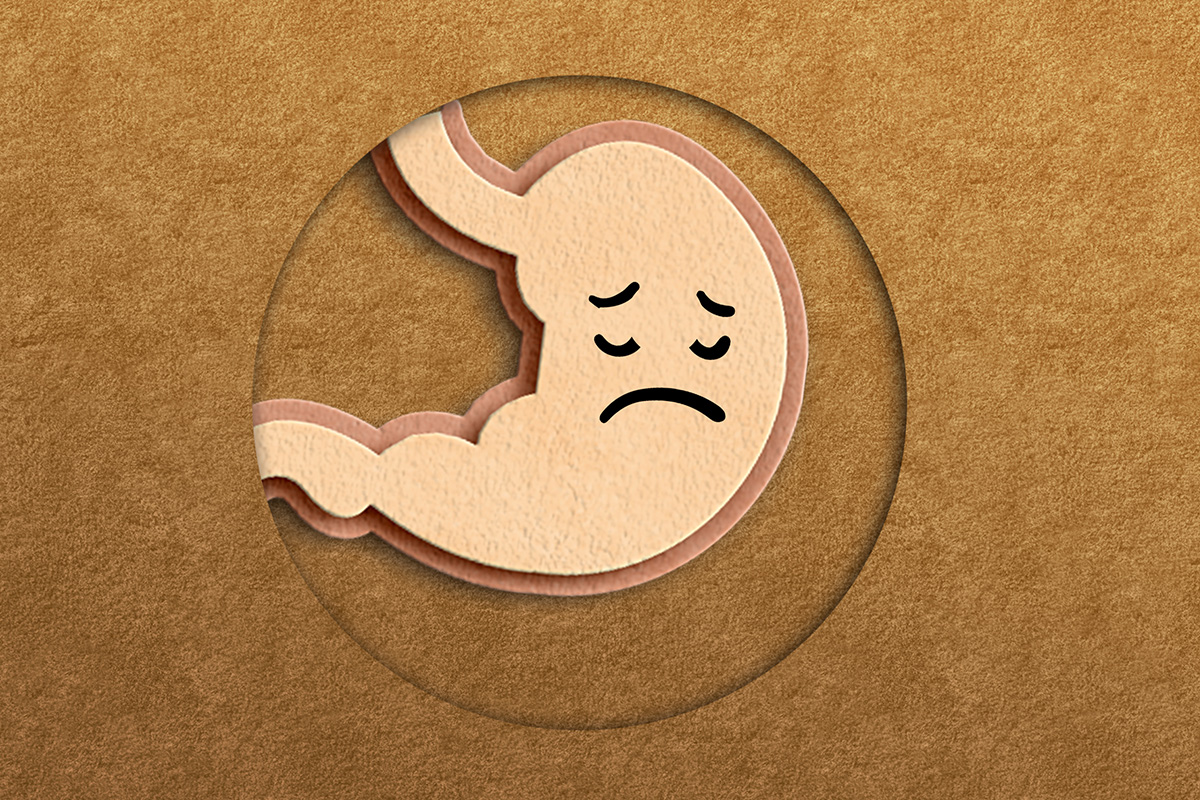
‘For example, stress triggers changes in the vagus nerve and the enteric nervous system (the gut’s own ‘mini brain’), and this can suppress digestive muscle contractions and reduce secretions needed for digestion. In effect, the body puts digestion ‘on hold’ during a ‘fight or flight’ situation. Chronic or intense stress also has deeper physiological effects on the gut. Stress can induce inflammation, impair the intestinal barrier, and alter gut permeability (making the gut lining more ‘leaky’). This can allow toxins or microbes to stimulate the immune system, potentially leading to further inflammation. Over time, these changes may contribute to gastrointestinal disorders.’
So we know that doing our best to cultivate a healthy gut is the right approach. And not just to manage stress, but to improve immunity and other key body functions too.
Jagiello explains, ‘Another key aspect of the stress-gut connection is the gut microbiome – the trillions of bacteria living in our intestines. Stress can disrupt the healthy balance of these microbes. Multiple studies in animals have found that exposure to stress (like prolonged restraint or social stress in rodents) reduces beneficial gut bacteria such as Lactobacillus. (Lactobacillus is a ‘good’ bacterium that helps modulate inflammation and support the gut barrier.)
'These microbial shifts could feed back into gut health, since a less balanced microbiome may exacerbate issues like inflammation or irregular bowel movements. Human studies are still emerging, but one study noted that university students had a drop in Lactobacillus levels in their stool during exam week, hinting that even everyday psychological stress can alter the microbiota.’
In short, Jagiello says stress hormones and nerve signals can change the gut’s movement, secretions, immune responses and microbial balance, all of which can lead to digestive discomfort. So, how can we swing that back the other way? Catherine Hurley Arbibe is the founder of NEWROAD 30, an organic, freeze-dried blend of fruits, vegetables and pulses designed to support optimal gut health.
She says, ‘Around 90% of the body’s serotonin, a key neurotransmitter that affects mood, is produced in the gut. When the gut microbiome is balanced, it helps regulate inflammation, support mood, and manage stress. But when the microbiome is imbalanced (due to poor diet, stress, or antibiotics), it can heighten anxiety, trigger low mood, and impair resilience to stress.’
Dr. Renee Young, a licensed Naturopathic Doctor, endocrinologist, and the Founder of Young Naturopathic Center for Wellness agrees: ‘The gut and the nervous system talk to each other all day. Nerves, immune cells and gut bacteria send messages along the gut-brain axis. When the bacterial community is diverse and balanced, signals that calm inflammation and steady mood flow more smoothly. When the balance is poor, the body makes more stress hormones and the mind feels on edge.’
Let’s look at how we can support our gut biome...
A rich diet
The first place to start is with the food on your plate and the liquid in your glass! ‘Aim for thirty different plant foods a week,’ says Dr Young. ‘Vegetables, fruits, beans, nuts, seeds and herbs each bring their own fibers and polyphenols. Variety lets many species of bacteria grow, and a richer community resists stress better.’
She also recommends that you include at least one fermented food at most meals. ‘Natural yoghurt, kefir, kimchi, sauerkraut, miso and tempeh carry live cultures. They top up friendly strains and train immunity to stay calm.’
Whole grains and resistant starch are also important. ‘Cooked then cooled brown rice, oats or potatoes contain starch that skips absorption in the small intestine and becomes fuel for bacteria in the colon,’ Dr Young explains. ‘Bacteria turn it into short-chain fatty acids that soothe the gut lining and send relaxing signals to the brain.’
Hurley Arbibe agrees and adds: ‘Berries and dark leafy greens are rich in polyphenols and antioxidants that protect both the brain and gut lining. Bananas and oats are rich in resistant starch and tryptophan, which support serotonin production. Magnesium-rich foods like leafy greens, black beans, pumpkin seeds, bananas, and even dark chocolate, are excellent sources of magnesium, too. This mineral supports the nervous system and plays a role in producing serotonin, a substance that helps regulate mood.’ Hurley Arbibe’s NEWROAD 30 has a 30-plant blend that combines many of these elements into one convenient daily dose.
In addition, Dr Young says it’s a good idea to prioritise omega three-rich foods – she suggests a small handful of walnuts, a tablespoon of ground flaxseed or two servings of oily fish a week to reduce inflammatory signals that amplify stress – and to cut back on added sugar, alcohol and ultra-processed snacks. ‘These feed yeast and less helpful microbes, crowding out the strains that make calming neurotransmitters such as GABA and serotonin,’ she says.
Penny Weston is a fitness, wellness and nutrition expert, the director of Moddershall Oaks Country Spa Retreat and founder of MADE, a 360 degree wellness centre. She adds, ‘The food we eat plays a huge role in the bacteria in your gut but there are other factors too. Research has shown that babies delivered vaginally grow up to have more diverse microbiomes than those delivered by cesarean due to the exposure to different bacteria as they pass through the birth canal.’
'It's a fascinating fact and good to know if you’re expecting! Unfortunately, it’s not one of the factors for healthy gut bacteria that we have much control over. Something you can control on top of your diet though are your chemical vices: alcohol, nicotine and caffeine. Alcohol consumption can negatively affect gut bacteria, generally speaking, although polyphenol in red wine has been shown to have a protective effect if consumed in moderation,’ says Weston.
‘Smoking also has a negative effect on gut health as it reduces the diversity of bacteria. It can be hard to ditch coffee but perhaps try herbal tea instead? These can have lots of antioxidants and anti-inflammatory nutrients. In general, you want to reduce your intake of inflammatory foods like refined carbohydrates, sugar, alcohol, coffee and artificial sweeteners.’

Better to hydrate with good old water! ‘Drinking water during or after a meal will help your body break down and process food and therefore help the digestion process,’ says Penny. ‘Water also helps make your poo softer so helps prevent constipation, which is good for your gut health. It helps move nutrients around the body and flush out bad toxins. Having a hydrated gut will help with better skin, the immune system and brain function as well as energy levels.’
Weston also suggests not going to bed on a full stomach or lying down after eating. ‘You need to give your body time to digest properly. To do this, it is a good idea to make a lighter meal in the evening, like soup, so you aren’t bloated later on, and eat your main meal at lunch time but it is sometimes hard to fit that in with daily routines.
‘When you're lying down, it’s much harder for the digestive system to work efficiently. Food is best digested when the body is upright. It can add to bloating if you sleep on a full stomach.’
The best ways to improve your microbiome health
Supporting your gut goes further than eating and drinking well though. You can also try Dr Young’s suggestions for daily habits to improve your microbiome and combat stress:
1. Mindful eating
‘Chew slowly and breathe through the meal. Digestion begins in the mouth and a relaxed pace tells the nervous system that it is safe to move blood toward the intestines.’
2. Exercise
‘Move the body for at least half an hour. Walking, cycling or gentle yoga increase gut transit time and raise the number of beneficial bacteria that help regulate cortisol.’
3. Get some rest
‘Sleep seven to nine hours with a regular bedtime. Good sleep keeps the tight junctions of the gut lining intact and prevents the leak of molecules that trigger a stress reaction.’

4. Get outside
‘Spend time in green spaces. Soil organisms in gardens or parks boost microbial diversity when they meet our skin and airways, and sunlight strengthens circadian rhythm which lowers anxiety.’
5. Breathe
‘Practice a stress reset each day. Three minutes of slow breathing, a short gratitude note, or quiet prayer lowers sympathetic tone and shifts the gut environment toward friendly strains.’
6. Consider targeted natural therapies
Dr Young suggests looking for the following:
Broad spectrum probiotic supplements
‘Look for formulas that supply at least ten billion colony forming units and several Lactobacillus and Bifidobacterium species. Take them with food for better survival.’
Prebiotic powders such as inulin or partially hydrolyzed guar gum
‘A teaspoon dissolved in water feeds resident bacteria and can ease both constipation and loose stools that often flare under stress.’
Herbal adaptogens
‘Ashwagandha, holy basil, or Rhodiola can lower cortisol and indirectly improve gut motility. Use them for eight to twelve weeks under professional guidance, especially if taking other medicines.’
Nutrients that heal the gut lining
‘Glutamine powder, zinc carnosine, and aloe vera juice help rebuild the barrier that keeps inflammatory molecules out of circulation.’
Functional testing when symptoms persist
‘A comprehensive stool analysis can reveal missing species, overgrowths or enzyme gaps. Personalized plans then add specific probiotics, enzymes, or antimicrobials as needed.
‘Start with one or two changes this week, such as adding kefir to breakfast and walking after lunch. Small consistent steps give the microbiome time to adjust and the nervous system time to notice. As the gut community thrives, inflammation drops, nutrient absorption improves and the brain receives more calming signals. Over weeks most people feel steadier energy, clearer thinking, and a lighter mood. Always listen to your body, adjust as needed and seek professional help if digestive pain or marked anxiety continues.
‘These measures are gentle, safe for most adults and integrate well with standard medical care. They treat food, movement, and rest as powerful medicines, and they remind us that caring for the gut is a direct way to care for the mind.’
Go a step further…
There are some other unlikely ways to improve your gut biome. Hurley Arbibe says, ‘Having a pet increases microbial diversity in the home and has been shown to reduce stress and promote emotional bonding. Dogs in particular help boost oxytocin levels, which support feelings of connection and calm, benefiting both your nervous system and your microbiome.’
She continues: ‘Gardening and especially working with soil exposes you to Mycobacterium vaccae, a microbe shown to enhance serotonin levels and reduce anxiety, and grounding/earthing, where studies suggest that direct skin contact with the earth, such as walking barefoot on grass or sand, can reduce inflammation, improve sleep, and support parasympathetic activity, factors closely linked to both gut and mental health.’
It's also important to avoid over-sanitisation. ‘This is an important consideration as modern life often involves excessive use of antibacterial cleaning products and hand sanitisers,’ says Hurley Arbibe. ‘While good hygiene is essential, especially in healthcare settings, everyday overuse can limit contact with beneficial microbes that help train and support the immune system and gut.
Allowing for a more natural home environment, including contact with pets and soil, can be grounding and beneficial for both mental and gut health.’ That extends to our over-use of antibiotics as a society too. Hurley Arbibe says, ‘Use antibiotics only when needed since they can disrupt the gut microbiome, particularly when used excessively or unnecessarily. Protecting the diversity of gut bacteria by avoiding overuse can reduce inflammation and help stabilise mood and stress responses over time.’
It also pays to be social! ‘An Oxford University study revealed that sociable people have a higher amount of certain types of gut bacteria and also more diverse bacteria,’ says Weston. ’The study also found that people with higher stress or anxiety had a lower microbiome diversity. So it’s basically good for your gut to be sociable with your friends. After all the lockdowns we have spent avoiding disease, being with each other has plenty of benefits – including sharing our good bacteria!’
And it doesn’t hurt to take a supplement. ‘Probiotic supplementation and especially certain strains (e.g. Lactobacillus rhamnosus, Bifidobacterium longum) have shown benefits in reducing cortisol and anxiety levels,’ says Hurley Arbibe. ‘Psychobiotics are a class of probiotics specifically studied for mental health benefits.’
Signs of improvement
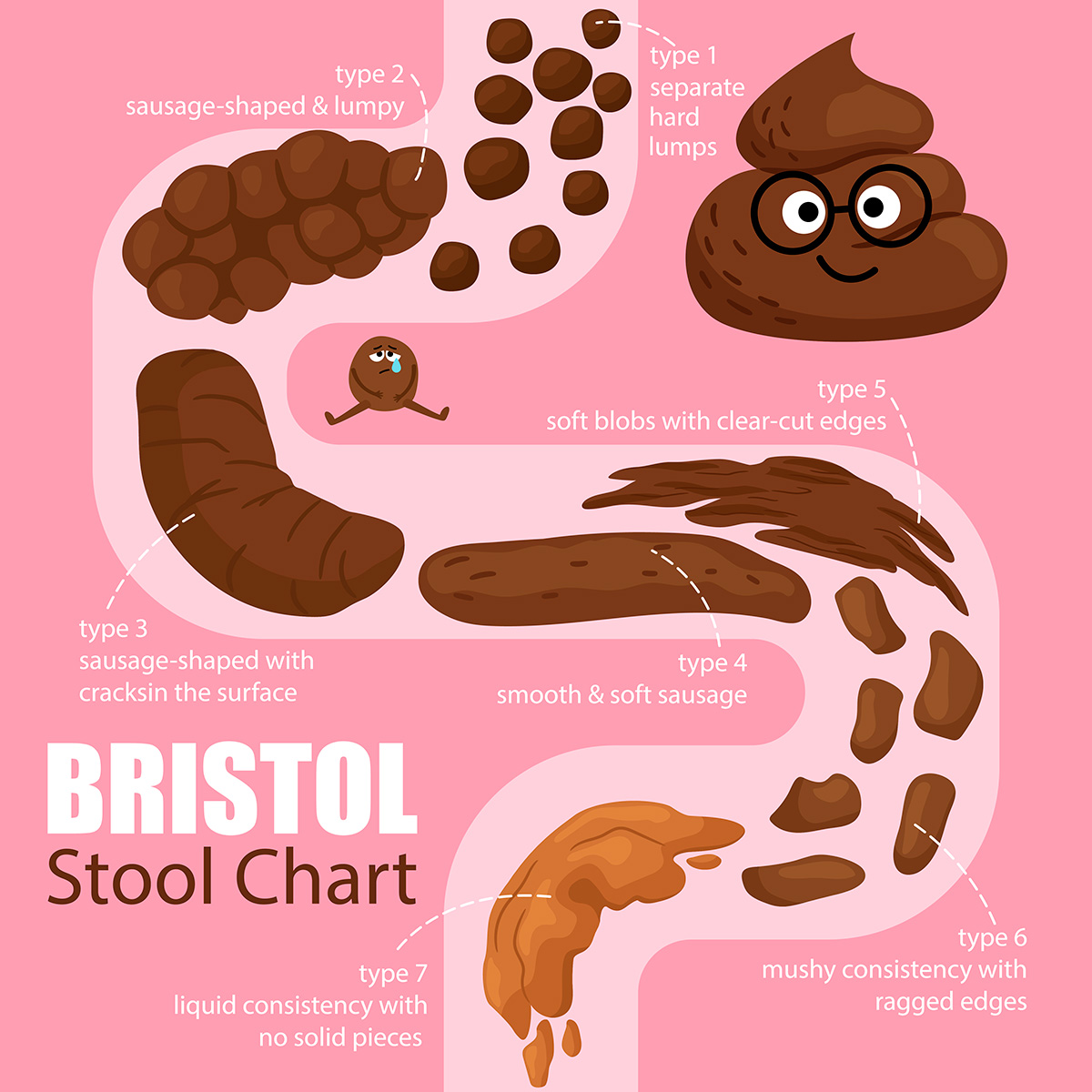
So how do you know when you have a healthy gut biome? Penny Weston says, ‘There are a number of signs of a healthy gut. Although it’s not the nicest topic to talk about, it basically comes down to your poo! If you poop between three times a day and three times a week, that is considered healthy and it should be during the day, rather than at night.
‘Other signs include the colour, shape and consistency of your poo. The colour should be between medium to dark brown. If it is another colour, such as green, black, red or yellow, you should see your GP. With a healthy gut, your poo should also be smooth in a sausage shape and should sink in the toilet bowl. If it floats, it means there could be undigested fat in the poo.
‘You also don’t want to experience pain when pooing and you shouldn’t be straining as that can be a sign of constipation or food intolerance.
‘If you have a healthy gut, you will also be farting between 10 to 20 times a day and you shouldn’t hold back the gas. But if you are feeling bloated or too gassy, it can be a sign of an unhealthy gut.
‘Signs of an unhealthy gut include an upset stomach, feeling tired, trouble sleeping as most of your body’s serotonin, which helps with sleep, is produced by the gut, food intolerance, food cravings, weight loss or gain, skin irritation like acne or eczema and some studies show a link between headaches and the gut.’
As well as noticing changes in your poo, note down any changes you feel in your mood and stress levels. Stopping to assess and write observations down can be a stressbuster in itself! By employing the strategies discussed you should see a marked improvement in your stress response, and a greater sense of wellbeing overall.
Five practical tips to minimize the effects of stress on your gut
Let’s look at it from the opposite viewpoint – you’re stressed, how do you calm down and help your gut? While we can’t eliminate all stress from life, we can take steps to reduce its impact on our digestive system. Aleks Jagiello recommends these five practical, science-backed strategies.
- Practice Relaxation Techniques (Activate ‘Rest and Digest’)
Since the stress response puts the brakes on digestion, counteracting it with relaxation can help normalise gut function. Try deep breathing exercises – slow, diaphragmatic breathing can engage the vagus nerve and switch your body into a calmer ‘rest and digest’ mode, easing stomach tension
Progressive muscle relaxation or gentle meditation can also lower stress hormones and improve GI symptoms. Take 5-10 minutes a day to do deep belly breathing or listen to a guided relaxation. This can reduce stress-related cramping and bloating by calming the gut’s overactivity. Mindfulness practices have shown benefits for IBS sufferers, helping reduce pain and bowel urgency by reducing overall anxiety.
- Stay Physically Active
Regular exercise is one of the best stress-busters – and it benefits your gut too. Physical activity helps regulate stress hormone levels and releases endorphins that improve your mood and stress resilience. It also stimulates healthy intestinal contractions. Studies indicate exercise can relieve constipation and improve IBS symptoms for many people (while also reducing anxiety). Aim for activities you enjoy – a brisk walk, cycling, swimming, dancing, or yoga. Even 20-30 minutes of moderate exercise most days can make a difference. Exercise moderates the HPA axis response to stress over time, so your body is less ‘on edge.’
The NHS recommends exercise as part of stress management for gut health (nhs.uk). For example, a jog or gym session after a hectic workday might help settle that stress-induced heartburn or indigestion by lowering cortisol. Just be mindful not to do intense exercise immediately after a large meal (that can upset digestion).
- Eat a Gut-Friendly, Balanced Diet (and Don’t Skip Meals)
What and how you eat can either soothe or stress your gut. First, stick to regular meals and don’t skip meals. An empty, acid-filled stomach can worsen anxiety and cause heartburn. Eating at consistent times helps regulate your gut’s ‘clock’ and can prevent IBS flare-ups triggered by erratic eating. Eat slowly and mindfully, chewing well – rushing or eating on the go can aggravate bloating and indigestion. Focus on a balanced diet rich in fibre (vegetables, fruits, whole grains, legumes) which supports a healthy microbiome and bowel regularity. However, introduce fibre gradually if you’re not used to it, as a sudden increase can cause gas.
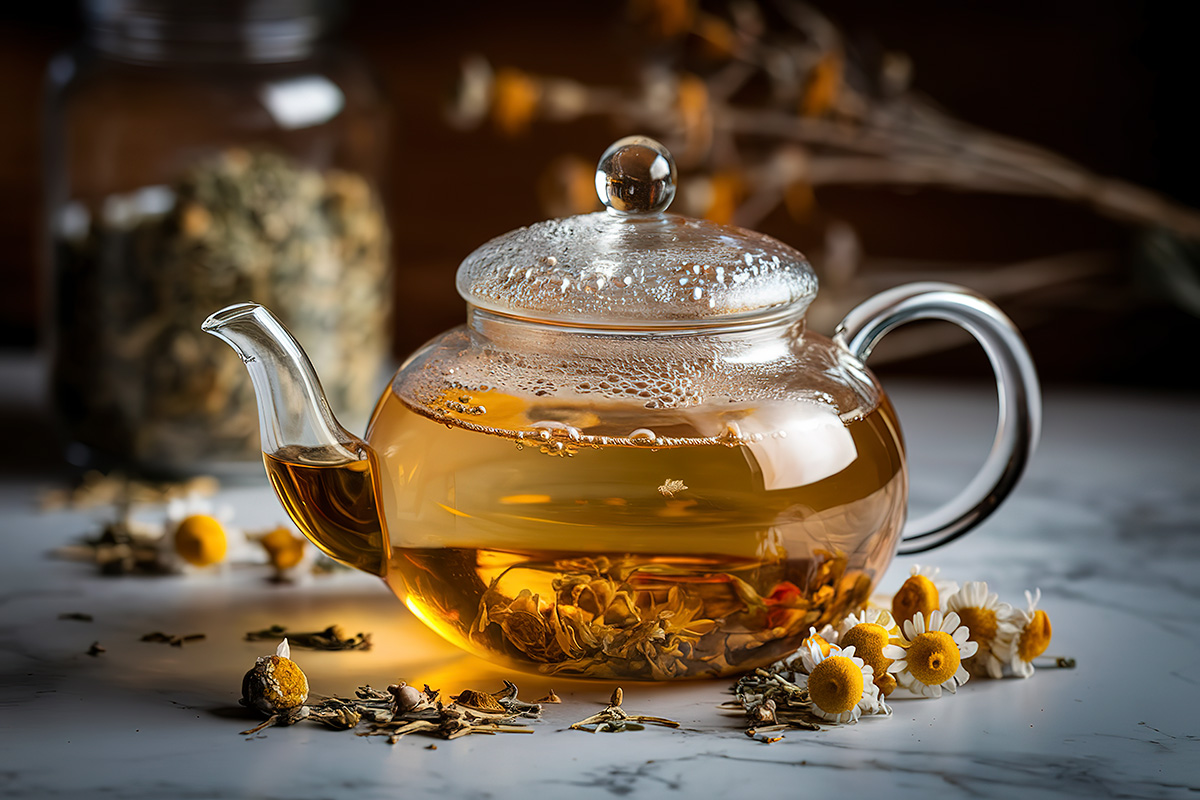
Stay hydrated with plenty of water, since dehydration can worsen constipation and stress, and cut back on caffeine and alcohol, which can both disrupt digestion and sleep. Caffeine can make anxiety (and loose stools) worse, and alcohol can inflame the gut. Instead, consider calming options like herbal teas (chamomile or peppermint tea are traditional remedies for anxious stomachs). Also, avoid overeating in one sitting; large heavy meals, especially high-fat or spicy foods, can provoke reflux or cramps under stress.
Lastly, include gut-soothing and probiotic foods if you can - e.g. yoghurt with live cultures, kefir, sauerkraut, or fibre-rich prebiotic foods (bananas, oats, onions, etc.). These can help nurture beneficial bacteria which in turn can produce calming compounds for the gut.
- Try Mind-Body Therapies
Beyond basic relaxation, certain mind-body techniques specifically target the gut-brain axis and have evidence for helping digestive disorders. Yoga and tai chi, for example, combine gentle physical activity with breath focus and have been shown to reduce stress and improve IBS symptoms in some studies.
Another highly effective but lesser-known strategy is gut-directed hypnotherapy – a form of guided hypnosis that focuses on calming the gut. Clinical trials have found that gut-focused hypnosis can significantly alleviate IBS pain, bloating, and bowel dysfunction, with benefits lasting months or years for many patients (pubmed.ncbi.nlm.nih.gov).
Cognitive Behavioral Therapy (CBT) is another mind-body approach, typically used with a psychologist, which helps you reframe stress and develop coping skills. Studies show it leads to significant, durable relief of bowel symptoms while also reducing the psychological distress that comes with them (pmc.ncbi.nlm.nih.gov). Techniques derived from CBT can help; for instance, journaling about your stress and gut symptoms may identify triggers, or practicing how you react to life’s challenges (so they feel less threatening) can ease the brain-gut overreaction.

- Maintain Healthy Lifestyle Habits (Sleep and Stress Resilience)
Prioritise good sleep, as lack of sleep is a stressor that can disrupt your gut microbiome and increase cortisol. Aim for 7–8 hours of quality sleep per night; having a consistent sleep schedule (even on weekends) supports your circadian rhythm and in turn, your intestinal rhythm (pmc.ncbi.nlm.nih.gov).
Additionally, work on general stress management: find outlets for emotional stress, whether it’s talking to a friend, practicing a hobby, or spending time in nature. Sometimes just sharing your worries can physiologically calm your gut’s stress response.
Finally, try to cultivate a positive mindset toward stressful events when possible. It may sound abstract, but research suggests that when people viewed their stressors with a more positive or challenge-oriented mindset, their GI symptoms were less aggravated. If you catch yourself catastrophising (e.g. ‘This deadline will ruin me’), pause and reframe – think ‘This is tough, but I can handle it.’ This can lower the anxiety that feeds gut discomfort.
Read more:

