
Experts reveal the one camping mistake everyone makes that you can avoid
Camping can be a summer staple. Solo hiking, caravaning, glamping – no matter how you enjoy an evening under the stars, you want to make sure that the trip is as stress-free as possible. Without adding to the stress of long packing lists and dying phone batteries, there are a few simple tricks that can help you make the most out of your camping experience.
Camping is an option that has become more popular among travellers since the COVID-19 pandemic, offering a flexible and affordable alternative to traditional holidaying among adventurers.
In the UK, one in five adults indulges in camping, with 45% of millennials and 44% of Gen Z opting to become new campers. No matter your age, whether you’re a camping novice or aficionado, these tips can help you unwind during your next escape.
6 camping mistakes not to fall for
1. Buying with passion, but not practicality
If this is your first time camping and you’re not sure if this will be your go-to weekend hobby, that’s no worry! Camping isn’t for everyone, but trying out something new can be an exciting activity to do with friends and family. Before you invest in buying equipment that you may use once and then leave to collect dust in your shed, explore alternative options that you may have to choose from.
A friend or neighbour may have a piece of equipment that you can borrow for a short period, helping you to cut out any high costs from trying something new. There may even be a borrow library in your local area, where you can pay a small fee to rent out a tent or sleeping bag for the duration of your trip.
‘My main thing is 'buy it once',’ advises Oliver Browne, CEO of the travel company True Summit Adventures. ‘If you plan to camp regularly, then do not buy the cheapest items on Amazon. They don't last, are not durable, the quality is terrible and the temptation to abandon them when dirty or damaged is very high.
‘It's better to invest in branded equipment. If you are on a budget, then wait for the sales – particularly Black Friday when the big stores offer great discounts.’
2. Leaving your research too late
Exploring the area around you can be a great way to follow your spontaneous side, but it can come with risks. Making sure that you do a little research before you take any plunges can make a major difference to how comfortable you feel. That could mean packing enough blankets if it’s going to be cold or bringing waterproof clothing if it’s forecasted to rain.
Researching the area where you’ll be resting for the night is also key, helping you to avoid buying any unnecessary expensive equipment. Understanding what you’ll need to help you have a peaceful weekend based on the weather and facilities of that environment.
Sometimes you just need to ‘buy for the occasion’, as Oliver explains, ‘If you are camping in your garden in Surrey in June and July, you don’t need the same spec kit as you would if you planned to camp in the Cairngorms in December.
‘Ultra technical or light gear is not necessary for weekend camping in summer. Similarly, if you're buying for overnight trips that involve hiking, the Duke of Edinburgh, for example, then try to find something light that packs small rather than a large garden tent.’
3. Not planning for the hot weather
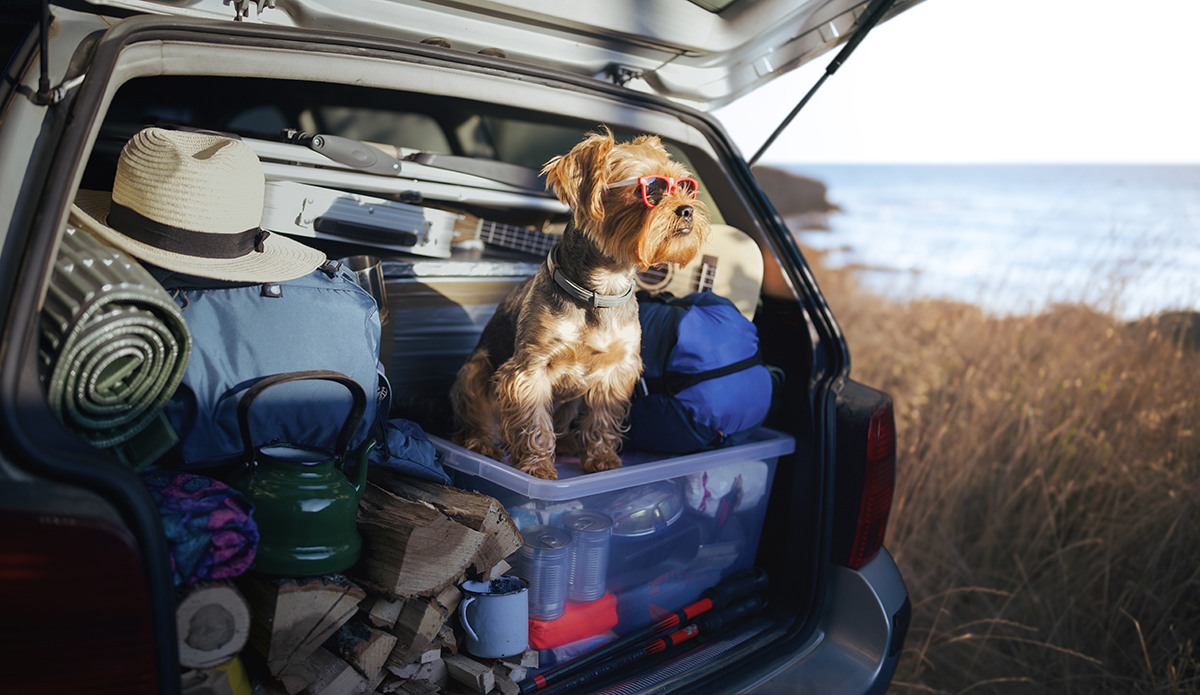
A few spare water bottles left in your car may be the secret lifesaver you never knew you’d need. They can be a source of relief when you need to wash your hands or brush your teeth, or even just keep you hydrated on sunnier days when you feel a bit dehydrated. Drinking enough water to battle any heat fatigue can help reduce the chances of you having a headache during your break.
‘Water management is important,’ agrees Oliver. ‘If you’re wild camping, then LifeStraw filtration systems are incredible. If you are on a budget, then you can use purification tablets, but they don’t taste great!’
If you find yourself without any local pubs or cafes to explore, it’s not the end of the world. You can still enjoy a refreshing cold drink watching the sunset if you’re near a safe body of water, as Tom explains: ‘If hiking during hot weather, guests can put their sealed drink containers into a stream or lake to chill.
‘This can be done overnight if camping or during the day if stopped for a picnic. It's a free and easy way to better refresh guests during a hike and can also help to act as a mini-chill pack to cool down a hot forehead.
‘Many guests want to enjoy chocolate during a hike, but during summer it melts extremely quickly. To prevent this, putting chocolate alongside their drink/water bottles will prevent, or at least delay, it from melting for quite a long time.’
4. Keeping addicted to your screens
Part of the bliss of reconnecting with nature is unplugging from the real world, mentally and physically. It’s a lot harder to keep your phone fully charged when there are no charging points or electricity access at your campsite, making that tempting social media doomscroll even less encouraged.
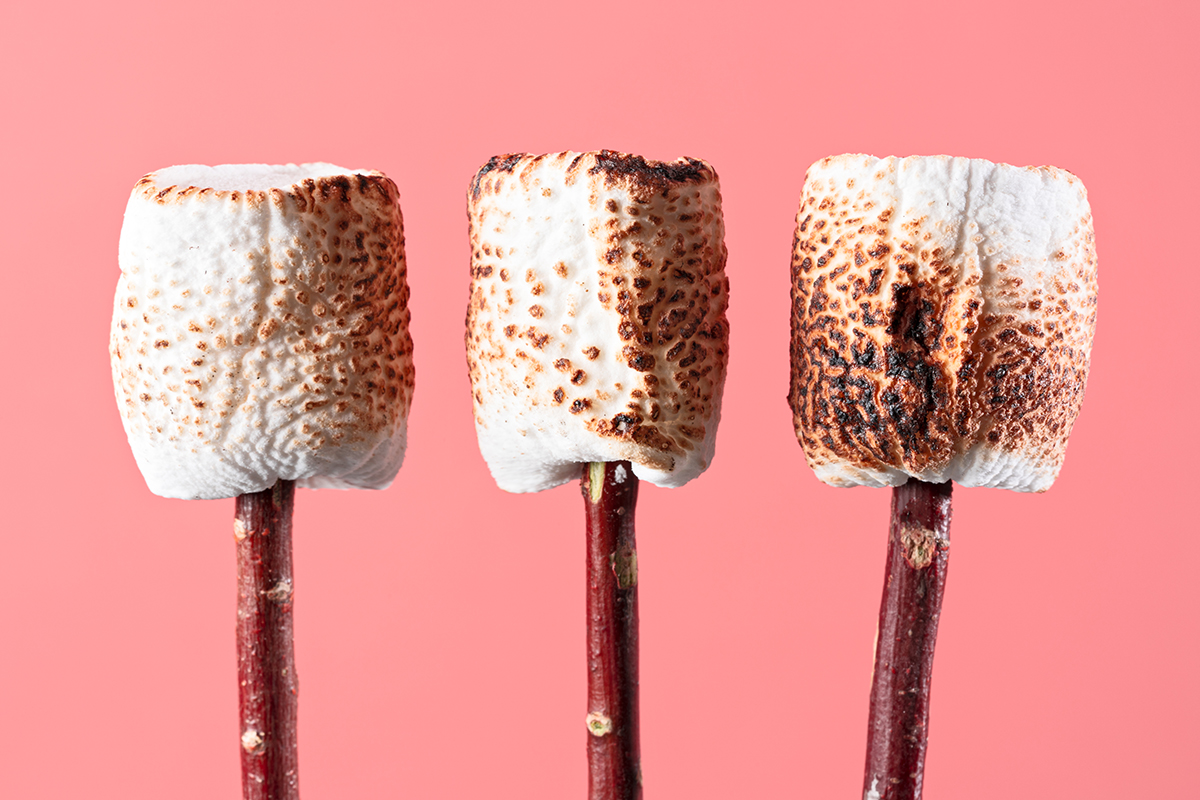
To keep your devices fully charged, try to switch off any distractions that may be taking up your battery life. That may be switching to a low battery mode, turning off your data and Bluetooth when you’re not using them, or avoiding any video streaming. Swapping social media for smores is always a good idea, in our opinion.
5. Not packing the essentials
Never underestimate the importance of packing enough pants and socks when staying away from home. With these items, it’s safer to bring them and not need them than need a spare pair and be left short.
If you’re travelling somewhere near water, having a swimming costume ready to swap into can also be a great way to prepare yourself for whatever adventure you may be having, in whatever terrain that may be.
That advice also goes for any medication you may need, spare inhalers, plasters, tweezers, and medical scissors. These first-aid kit essentials can make a painful accident or injury feel easy to ignore in no time. After all, who has ever said they wish they didn’t pack enough anti-bac wipes when travelling?
6. Double-check where your tent is pitched
It may seem like an obvious consideration, but after a long time travelling, sometimes it can be tempting to try and pitch your home for the night as fast as possible. This can lead to you not fully checking the area for any hidden steep hills that you may fall over during the night, or any sleeping cattle that may not appreciate you camping with them for the night.
That pitching advice can apply to the direction you set up your tent, too, as Ian Hewlett, technical manager at The Camping and Caravaning Club explains, ‘Pitch your tent in the direction of the wind.
‘Tent campers should aim to pitch in a spot with partial shade, ideally near trees or hedges, to reduce exposure to direct sunlight. Avoid pitching directly under trees where sap or bird droppings could become an issue.
‘Maximise airflow by opening all vents and keeping the fly screen closed to prevent insects from joining you. If possible, pitch your tent with the door facing the direction of the wind to help catch any available breeze.’
Even when you’re not using your tent, where you leave it can still make a big impact. Leaving your tent in the direct sunlight all day will turn your Havana into a heat insulator, as Ian continues, ‘Take your tent down.
‘Sounds counterproductive, but if you’re not using your tent in the daytime, it might make sense to take it down and put it back up when the heat dies down. This prevents it from absorbing an unnecessary amount of heat over the course of the day, and it means it should be nice and cool when you put it back up.’
Read more:
