
Sleeping on this side could be harming your health more than you think
Many people don’t always realise that sleeping on the wrong side can affect digestion, breathing, circulation, and even heart function. But does it really matter whether you sleep on the left or right?
Sleep position has a meaningful impact on comfort, breathing, digestion, circulation, and even long-term musculoskeletal health.
While many people naturally rotate positions throughout the night, side sleeping is widely considered one of the healthiest choices—especially compared to sleeping on the stomach, which can strain the neck and spine.
But within the category of side sleeping, a common question arises: Is it better to sleep on your right side or your left side?
The answer depends partly on individual health concerns, but research suggests that left side sleeping often provides notable benefits, particularly for digestion, heartburn, and circulation.
At the same time, right-side sleeping may be preferable for some individuals, such as people with certain heart conditions or concerns related to the lymphatic system.
This guide explores the advantages and disadvantages of each side, helping you understand which may be best for your body.
- These are the key warning signs your gut health needs attention (and fast!)
- Slept 8 hours but still tired? Expert explains the worrying reason why
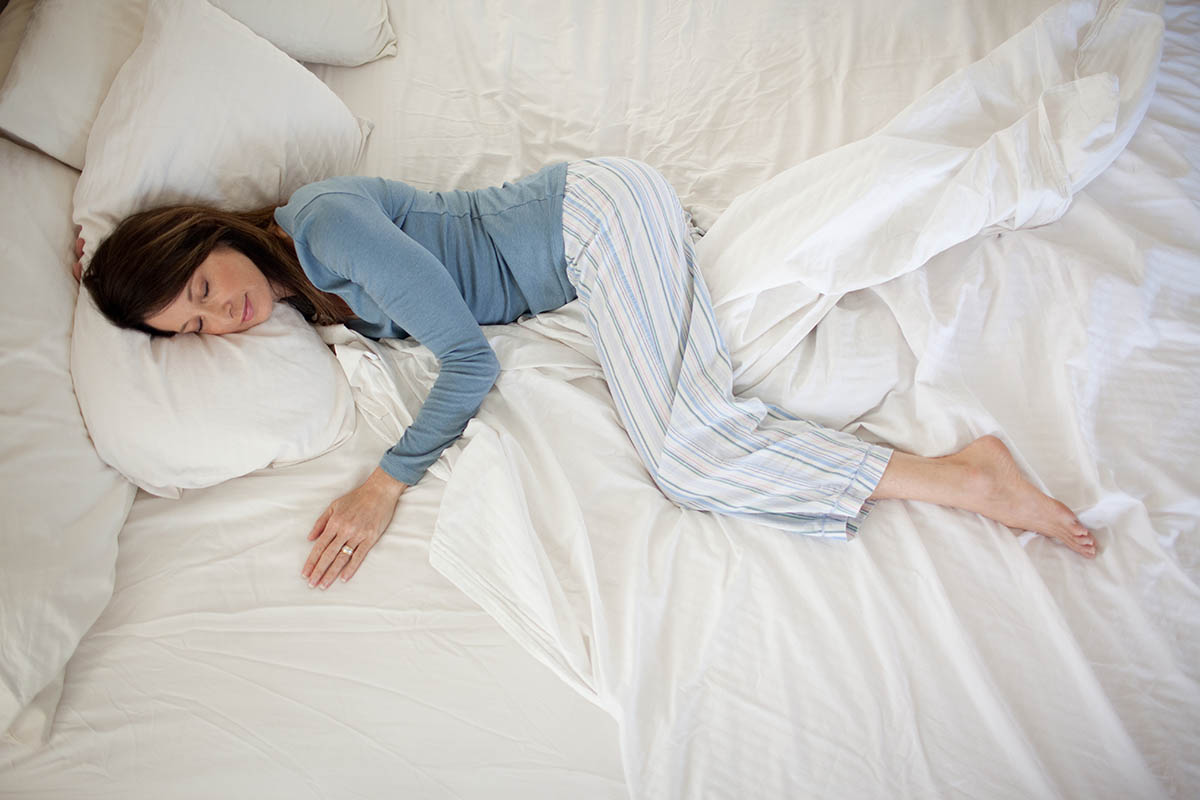
Why side sleeping matters
Side sleeping positions, whether right or left, are generally recommended because they help maintain a neutral spinal alignment, reduce back strain, and support healthier breathing.
- Sleeping on your back can worsen snoring and sleep apnea for many people.
- Sleeping on your stomach may strain the neck and compress the lower back.
So, the question isn’t whether side sleeping is good, but which side is better for your needs.

Benefits of left-side sleeping
Many studies and sleep experts suggest that the left side is often the more advantageous.
This recommendation is based primarily on anatomy, meaning how the stomach, oesophagus, heart, and major blood vessels are positioned in the body.
1. Improved digestion and reduced acid reflux
Left-side sleeping is especially beneficial for digestive comfort. Here’s why:
- The stomach is positioned on the left side of the body.
- When lying on the left, gravity helps keep stomach contents lower, reducing the likelihood that acid will travel back into the oesophagus.
- The junction between the stomach and oesophagus (the lower oesophageal sphincter) sits above the stomach when lying on the left, helping prevent reflux.
For people with acid reflux or Gastroesophageal reflux disease (GERD), sleeping on the left side can significantly reduce nighttime symptoms and improve sleep quality because of better digestive comfort.
If you’re constipated, being on the left may also help bowel movement through gravity-assisted alignment.
2. Better circulation and lymphatic drainage
The body’s lymphatic system, responsible for filtering waste and supporting immune function, tends to drain more efficiently on the left side because:
- The thoracic duct, a major lymphatic vessel, drains into the left side of the bloodstream.
- Some theories suggest that left-side sleeping may facilitate lymph movement.
This may support detoxification processes during sleep, though more research is needed.
3. Benefits for pregnancy
Left-side sleeping is widely considered the safest and most comfortable position during pregnancy. Pregnant people are often advised to sleep on the left side, especially in later stages, because:
- It optimises blood flow to the uterus and fetus.
- It prevents weight from the uterus from compressing the inferior vena cava (a major blood vessel located on the right side of the body).
- It can reduce swelling in the legs and feet.
4. Potential heart benefits
Although not universally agreed upon, sleeping on the left side may help reduce pressure on the heart. The heart is slightly left leaning in the chest, which allows left-side sleeping to place it in a more supported, natural position for some people.
Disadvantages of left-side sleeping
While generally beneficial, left-side sleeping is not ideal for everyone.
1. May strain the heart in some individuals
For people with certain heart conditions, especially those involving the left side of the heart, lying on the left can make them more aware of their heartbeat, or in rare cases, feel uncomfortable pressure. This is usually harmless but worth checking with a health care professional.
2. Potential discomfort for the spleen and ribs
Because the spleen is on the left side, some individuals with spleen enlargement or rib discomfort may find this position less comfortable.
3. Pressure on the shoulder or hip
Left-side sleeping can contribute to soreness on that side of the body if mattress support is insufficient.

Benefits of right-side sleeping
Right-side sleeping is less frequently praised but still offers advantages, especially for specific health needs.
1. May benefit people with certain heart conditions
Some cardiologists suggest that people with heart failure or certain cardiac issues may feel more comfortable on their right side. Reasons include:
- Less pressure on the heart, making heartbeat sensations less noticeable.
- Possibly improved stability of circulation for some individuals.
Although left-side sleeping may mechanically support blood flow, right-side sleeping may subjectively feel better for people with certain heart sensitivities.
2. Can reduce pressure on internal organs
Because the liver sits on the right side of the abdomen, right-side sleeping may relieve pressure on the stomach and organs in some people—although this advantage varies from person to person.
3. May improve breathing for some people
Though back sleeping is the worst for sleep apnea, some studies suggest that right-side sleeping can slightly improve airflow in the lungs for individuals who find the left side restricted.
Disadvantages of right-side sleeping
1. Can worsen acid reflux
Right-side sleeping is more likely to trigger or worsen heartburn because:
- The stomach opening is positioned lower when lying on the right.
- Stomach acid can travel upward more easily into the oesophagus.
For people who frequently experience nighttime reflux, the right side is usually the less comfortable option.
2. May reduce lymphatic drainage
Some theories propose that right-side sleeping may slow certain lymphatic processes or reduce efficiency of waste clearance, although clinical evidence is mixed.
3. Possible effects on heart function
While some people with heart issues prefer the right side, others may find it increases the heart’s workload slightly. Responses vary greatly depending on the individual.

Special Considerations
- People with sleep apnea or snoring
Side sleeping (either side) is far better than lying on the back. However, left-side sleeping may slightly improve airway stability.
Right-side sleeping may feel more comfortable for some due to lung anatomy. Consistency matters more than choosing one side.
- Back pain or spinal conditions
Side sleeping protects the spine, but using a pillow between the knees is important to keep hips level. People with scoliosis or hip imbalances may have a preferred side based on comfort.
- Shoulder pain
If one shoulder is painful or inflamed, avoid sleeping on that side. Alternating sides can help reduce long-term strain.
Should you force yourself to choose one side?
Most people naturally rotate between positions at night. This is normal and healthy.
If you have a specific concern, such as GERD, pregnancy, or a heart condition, you can aim to fall asleep on the side that benefits you most.
Even if you shift during the night, starting on the preferred side still provides meaningful benefit.
Simple tips to stay in the preferred position:
- Use pillows behind your back.
- Place a firm pillow between the knees.
- Use a body pillow for support.
- Choose a mattress that distributes weight evenly to avoid shoulder pain.

If you are choosing between the left and right side, left side sleeping generally provides more digestive and circulatory benefits, making it the better option for many people.
It is especially helpful for those with acid reflux, pregnant individuals, and those seeking improved digestion.
However, right-side sleeping is not unhealthy and may be more comfortable or appropriate for people with certain heart issues, shoulder pain, or personal comfort preferences.
The best sleep position is ultimately the one that provides comfort, healthy breathing, and restorative rest, while supporting any specific health needs you may have.
Disclaimer: This article provides general information and is not medical advice. Always consult a healthcare professional if you have a diagnosed cardiac or digestive condition.
Read more:
