This is the biggest hair removal mistake you're making
Shaving, waxing, lasers, epilators…it feels like there are a hundred different options for hair removal, and yet none of them are simple. If it’s easy and accessible for at-home use, it likely has a bad reputation for ingrown hairs or quick regrowth. If it’s popular with celebs and your friends all swear by it, it probably costs an arm and a leg.
However, with the proper prep, you can get great results from a variety of techniques. Read on to discover which method is the right fit for you and follow our tips to ensure you get it right every time.
- Dermatologists are divided on LED face masks. Here's why
- Here's how to beat chafing, sweating and humidity hair this season
Shaving
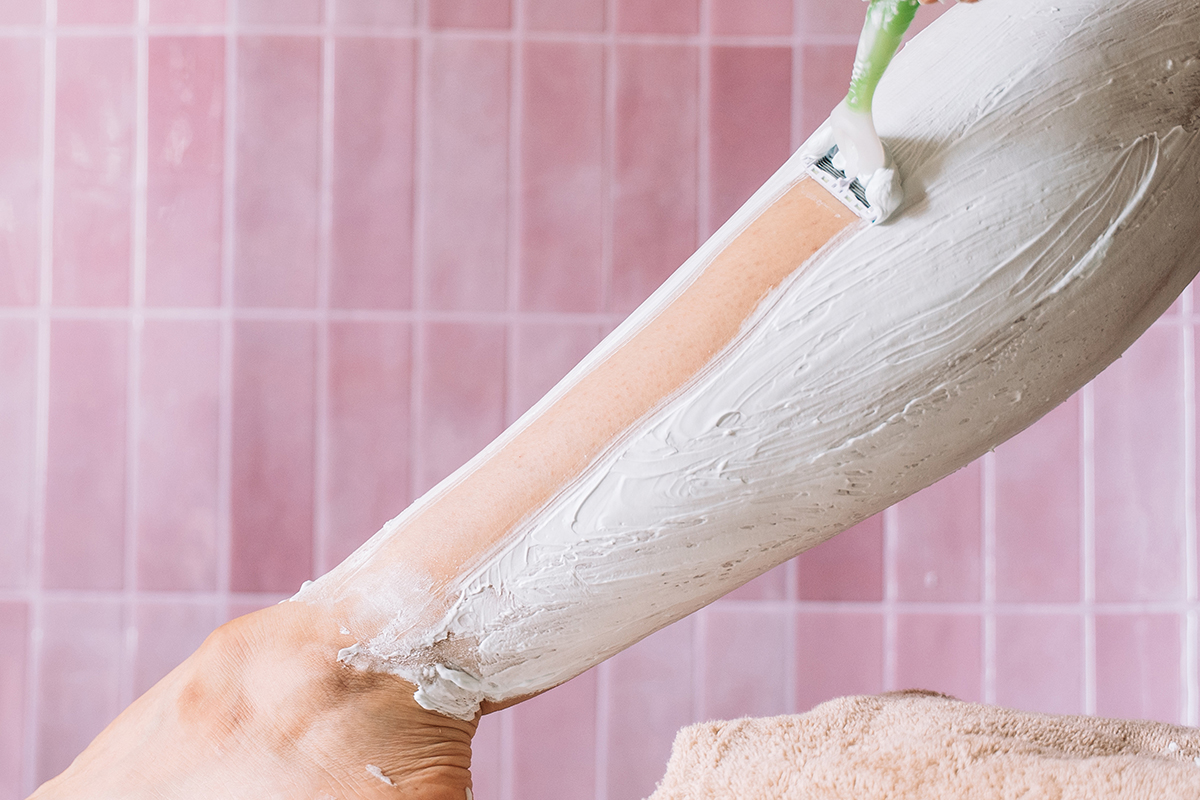
It reigns supreme as the most common strategy, because it’s just so darn easy. Quick, painless and budget-friendly, all you’ll need is a razor and a dream for this hair removal method.
Shaving with a razor cuts the hair from the surface of the skin – it’s important to note that regrowth will therefore be quicker than with other methods that remove from the root.
Shaving is a great option for covering large surface areas in a short space of time, but it’s certainly not without its drawbacks. Risks include razor burn, irritation and ingrown hairs if your technique isn’t quite right or if you suffer from particularly sensitive skin.
DO:
- Gently exfoliate beforehand to remove dead skin cells, allowing for a closer shave and reducing the risk of ingrown hairs.
- Shave with shaving cream, and always with water.
- Shave with the grain rather than against it.
- Replace blades frequently (because duller blades mean you press harder, and result in increased irritation).
DON’T:
- Shave dry skin.
- Press too hard with your razor.
- Store razors in the shower (unless you love bacteria and rust).
- Shave any body parts on which you’re already experiencing eczema or irritation.
MYTH-BUSTING: “Shaving causes hair to grow back thicker”
Monica Ella Botros, Managing Director at Strip Hair Removal Experts, explains why this common myth prevails: ‘No, shaving does not make hair grow back thicker. Shaving only cuts the hair at the surface, which can give the regrowth a blunt edge that looks/feels thicker, but the follicle itself remains unchanged.’
Waxing
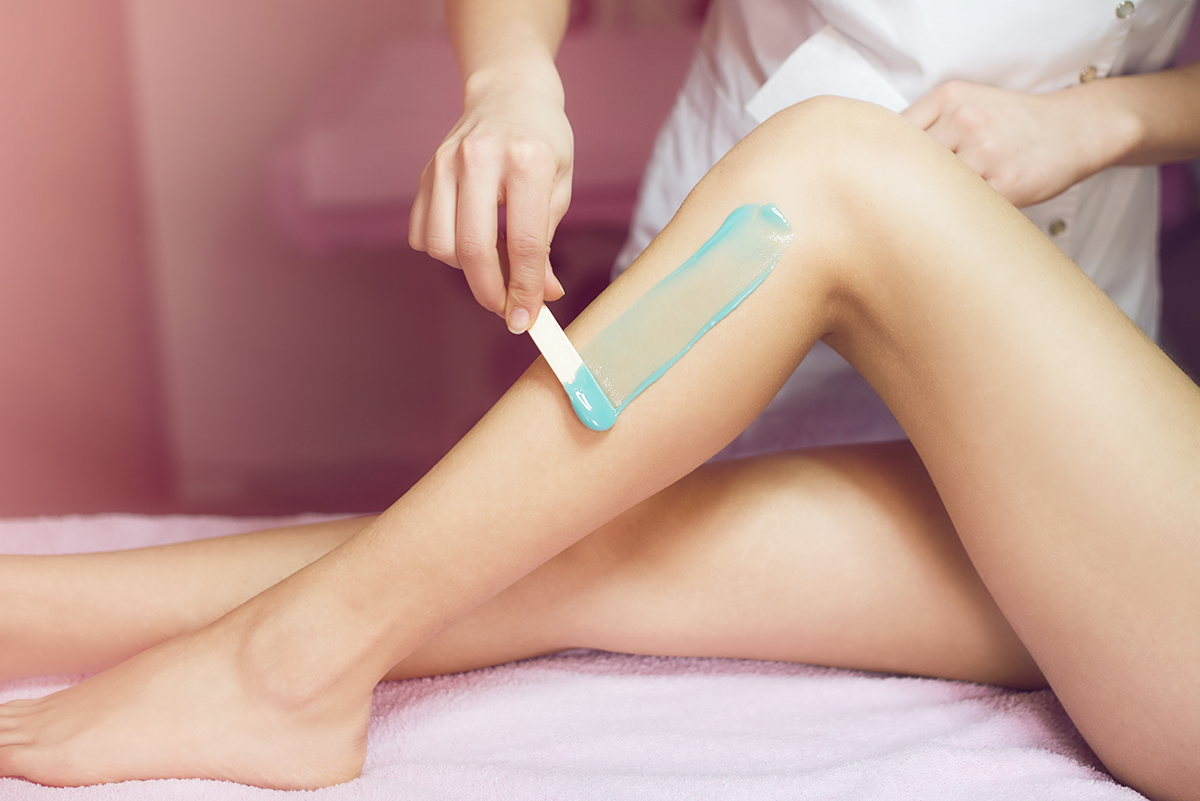
Waxing tackles hair removal by skipping straight to the source: it pulls the hair directly from the root. If it’s not something you’ve dabbled in and you’re thinking, ‘Hmm, ripping hair out from the root sounds kind of painful…’ then, well, you’d be right.
However, the pain levels vary significantly, depending on a variety of factors like individual pain tolerance, waxing frequency and even your time of the month (yes, really!)
There are a few different kinds of waxing out there, so it’s a good idea to become acquainted with the differences and determine which is the best fit for you.
Hot waxing is a highly effective technique where wax is heated and applied in a thick layer directly onto the skin. The wax cools and hardens quickly, gripping onto the hairs it’s covering, so when it’s peeled off, the hairs come right away with it. However, this technique is best performed by professionals – incorrect application can have serious consequences, such as burns and skin damage from wax that is too hot.
For those after a more cost-effective and convenient waxing method (and who could blame you?) cold waxing with pre-coated wax strips may be a good alternative. First, apply the strip in the direction of the hair growth, press down firmly and then pull quickly in the opposite direction of the hair growth for the best results.
Pain levels
- Low-moderate: Legs, arms.
- Moderate: Underarms, bikini line, eyebrows.
- High: Upper lip, Hollywood, Brazilian.
Other things to note:
- Pain may feel more intense around your period, due to heightened skin sensitivity and lower pain tolerance caused by hormonal fluctuations.
- Waxing becomes less painful the more you do it, as the hair grows back finer each time.
- Pain levels widely differ from person to person – what might feel incredibly painful to one person is often a walk in the park for another.
DO:
- Patch test on a small area to make sure your skin isn’t reactive to the wax.
- Allow your hair to grow at least ¼ inch long for effective waxing (roughly the length of a grain of rice).
- Exfoliate 24–48 hours before waxing (not on the day of).
- Apply a cold compress and a gentle moisturiser afterwards to calm the skin.
DON’T:
- Wax sensitive, sunburned or broken skin.
- Forget to cleanse (to prevent clogged pores).
- Exercise immediately afterwards – sweat getting into your newly opened hair follicles leaves you more susceptible to breakouts.
- Wax your face if your skincare routine incorporates retinoids (as this increases your risk of burns and skin tears).
MYTH-BUSTING: “Waxing causes more ingrown hairs than shaving”
Monica explains: ‘When done correctly, waxing actually leads to fewer ingrown hairs than shaving. Waxing removes hair from the root, allowing it to grow back with a soft and tapered end. Shaving leaves a blunt edge more likely to curl back into the skin. Regular exfoliation, moisturising and post-wax treatments (like salicylic acid sprays) can significantly reduce ingrown hairs – especially helpful during hot and sweaty summer months.’
Epilating
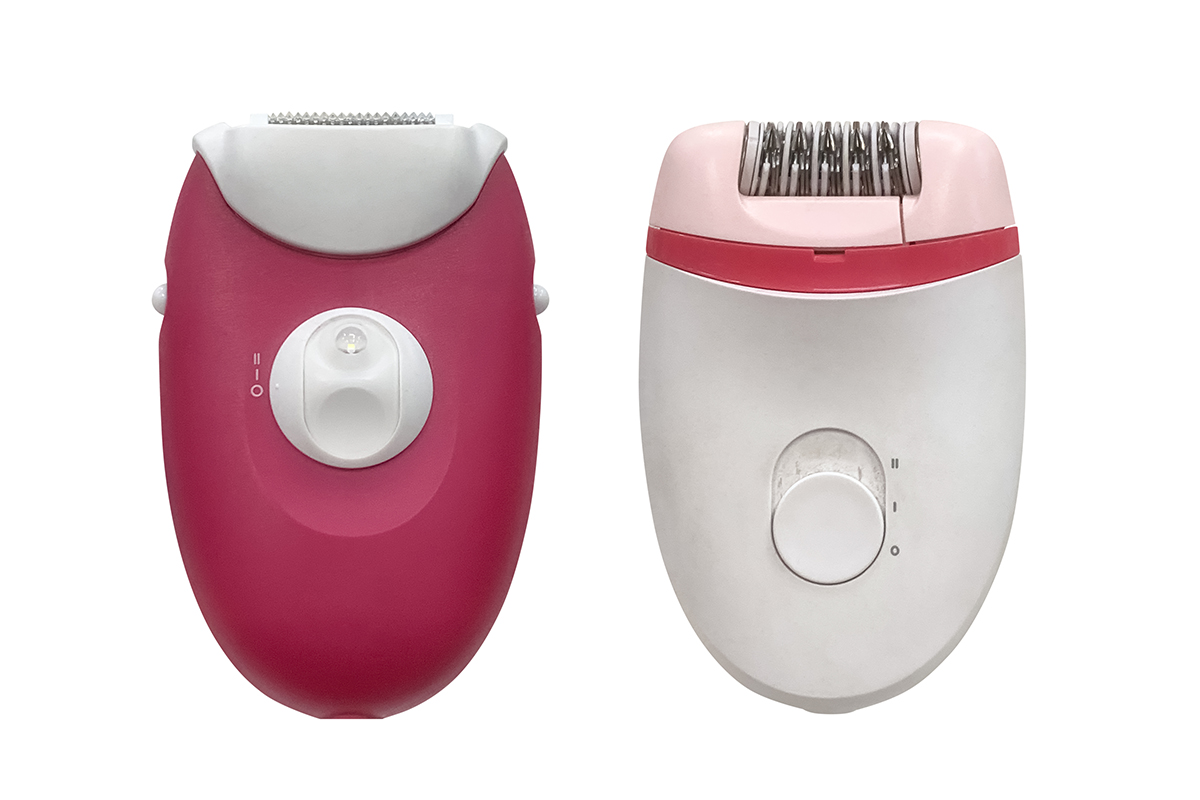
Epilators are nifty handheld electrical devices with in-built rotating tweezers, designed to pull individual hairs out from the root.
Think of it as an automated tweezing machine which can work across a large area much quicker than you could do with a regular pair of tweezers. It certainly has its perks – removing hair right from the root means slower regrowth. Plus, it works on all hair colours, unlike IPL (we’ll get to that in a bit).
They’re not a perfect fit for everyone though – for starters, epilating can be relatively painful, although most users report that the pain becomes more tolerable over time, with regular use.
Plus, it works out as a little more costly than some of the other options; basic corded models can retail for £20–50 but mid-to-high end models with special features like speed settings and flexible heads can go for £100–150+.
DO:
- Hold skin taut to reduce pain.
- Allow hair to grow at least ½ cm – the machine needs this so it can grip onto the hairs.
- Exfoliate regularly to minimise the risk of ingrown hairs.
- Use only on dry skin.
DON’T:
- Rush! Go slowly and carefully for better results.
- Use immediately before heading out with the area on show, as the redness may last a few hours.
IPL (Intense Pulsed Light)
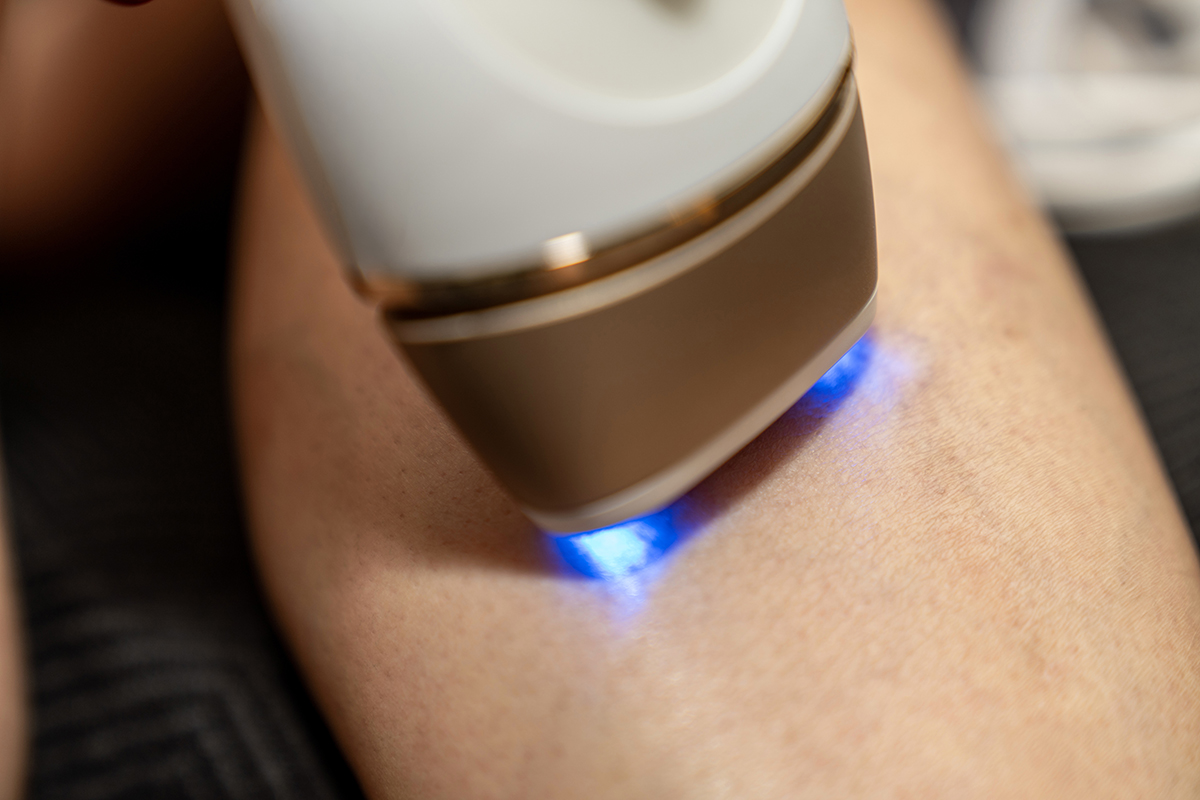
This little device packs a punch, using targeted pulses of broad-spectrum light which get absorbed by the melanin (AKA the natural pigment) in the hair shaft. This light is converted into heat, which damages the follicle and slows down regrowth – clever, right?
Whilst the description of light pulses which magically convert light into heat may sound like some sort of sci-fi torture method, IPL devices are actually a highly effective technique for long-term hair reduction.
The key word there, though, is reduction – not removal. With consistent use – weekly/ fortnightly treatments for 8–12 weeks – the device will reduce your hair growth by as much as 80%. This means your future hair removal duties will be much simpler and less frequent, but the treatment is unlikely to stop it from growing back altogether.
DO:
- Shave the area beforehand so the light can reach the hair follicle.
- Stick to a regular schedule for steady progress.
- Wear the protective goggles supplied (no matter how silly it makes you feel).
DON’T:
- Look directly at the light without protective eyewear.
- Use on tanned skin or naturally darker skin tones (unless using a specialist device for higher Fitzpatrick levels) because the device will target the melanin in both the hair follicles and the skin.
- Use on very light blonde, grey, white or red hair (these hair types lack the necessary pigment for this device to work).
- Use over fake tan (at best, it reduces its effectiveness, and at worst, it can result in burns).
- Expect immediate, total hair loss – this one requires dedication and patience.
Laser hair removal
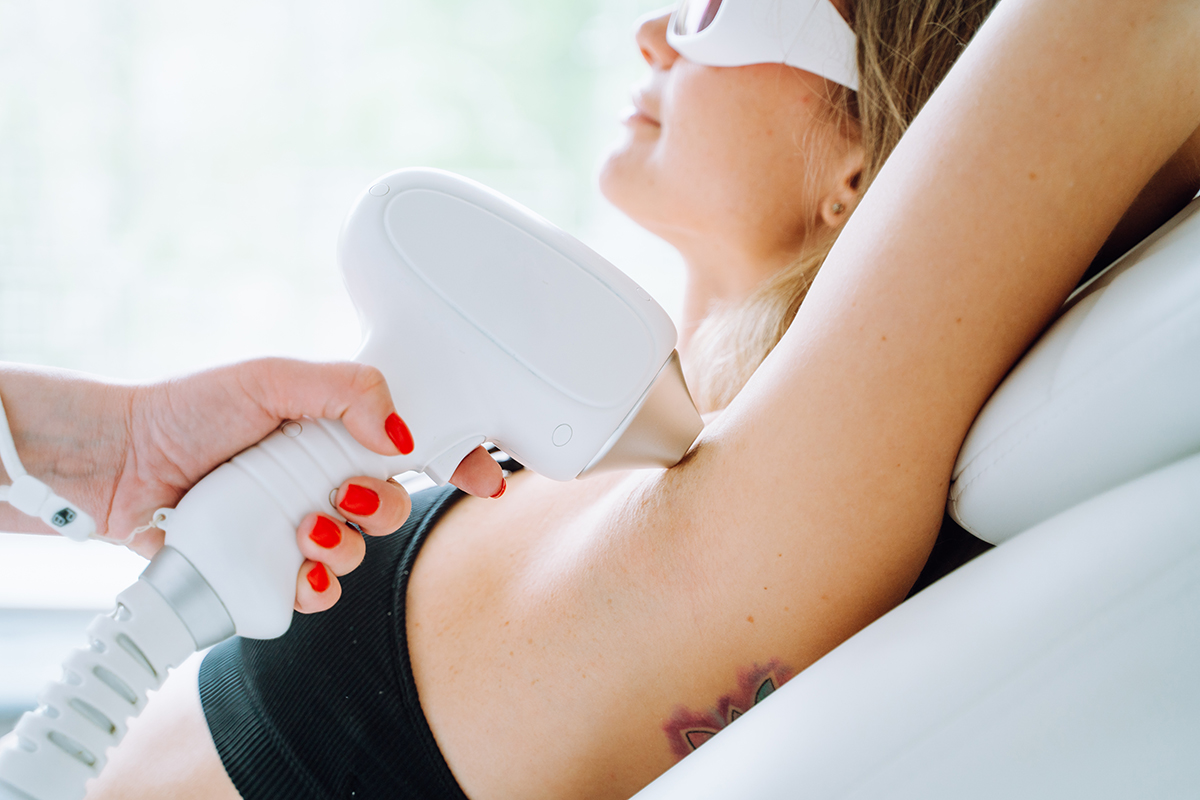
Think of this as the older, wiser cousin of IPL. Much like the former technique, this machine sends powerful light beams into the melanin of the hair follicle, where it's absorbed as heat and ultimately damages the follicle enough to slow future growth (or stop it altogether).
However, laser hair removal uses a much more concentrated wavelength of light, specifically targeting the hair shaft with a focused beam. This makes it much more powerful and precise, and also more effective in the long term.
But if you were hoping to bash out a quick session of hair removal in your bathroom before heading off on a night out, this technique isn’t for you.
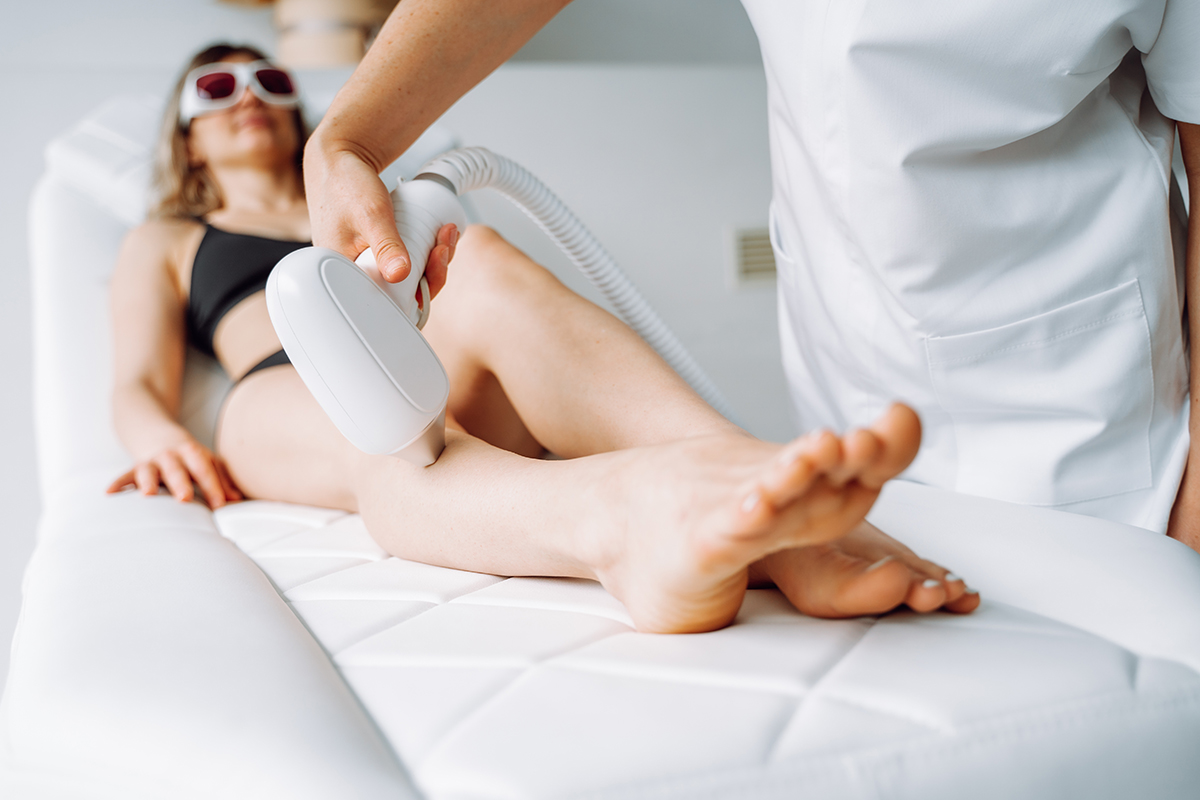
Due to higher risk factors, you can only get laser hair removal in clinics, carried out by trained professionals. You’ll also need to dedicate a bit of time and patience to this one, as the best results are found after roughly 6–10 sessions, 4–6 weeks apart.
DO:
- Shave the area beforehand so the laser can reach the follicle.
- Go to a patch test before committing financially to an entire course.
- Wear the protective goggles provided (at least the practitioner will be wearing them too, so you won’t feel too embarrassed).
- Stick to a consistent schedule for the best results.
DONT:
- Wax, pluck or epilate during the course of your treatment – the laser requires the hair root to still be present for it to work.
- Tan before or during the course of your treatment.
- Use over tattoos, moles or broken skin as this can increase risk of burns.
- Use any active exfoliants like AHAs, BHAs or retinoids on the area for the 3 days running up to the treatment.
How to avoid bumps & ingrown hairs
Monica explains that proper skin preparation and aftercare are key. ‘Exfoliate twice weekly to prevent dead skin from trapping new growth. For maximum effectiveness, apply exfoliating scrubs to dry or lightly damp skin and choose gentle, cream-based exfoliants for delicate areas. Incorporating tea tree oil can help due to its antibacterial properties.
‘Use targeted anti-ingrown treatments, such as Lycon's Ingrown X-It Solution, and stay consistent with waxing, as regular appointments keep growth cycles even and minimise issues. When clients follow these steps, we consistently see a dramatic reduction in ingrown hairs.’
Depilatory cream
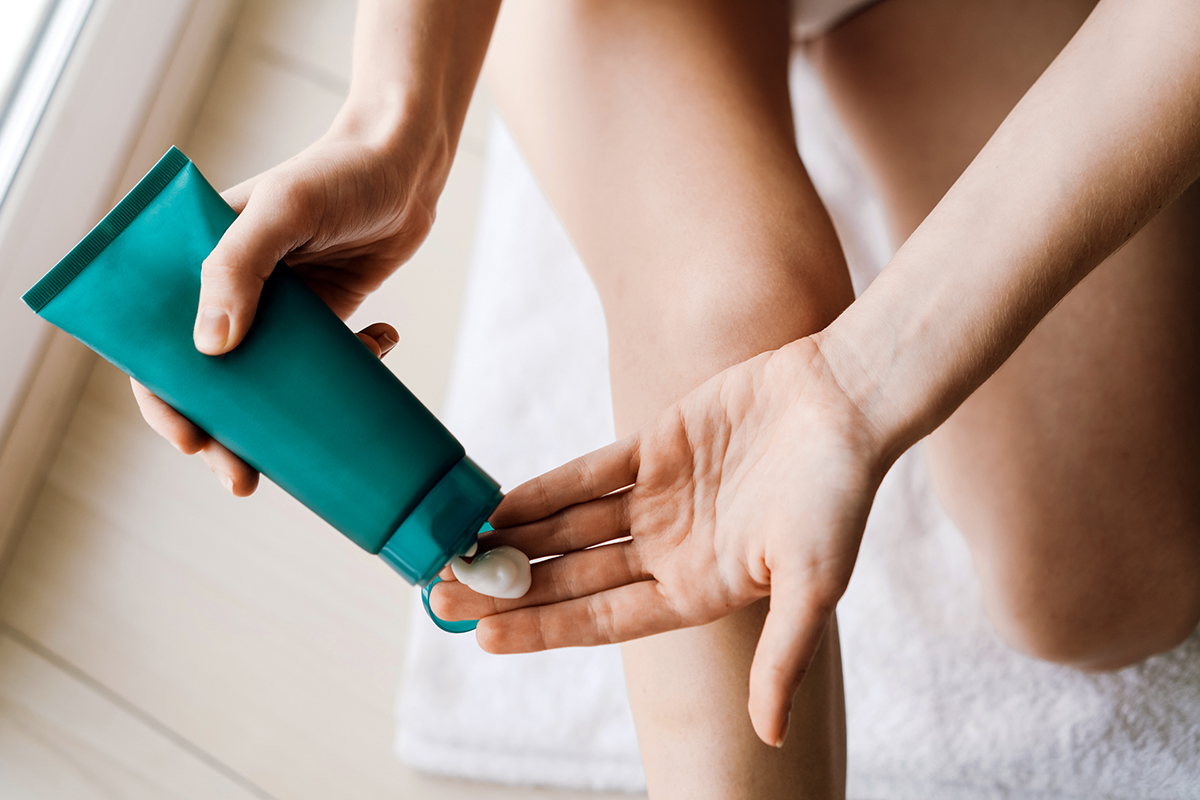
Also known as hair removal creams, these have chemicals in them which break down keratin (the main structural protein that makes up hair). Simply apply a thin layer, wait a few minutes, and hair can be wiped off the skin’s surface.
This method is quick and easy to do at home, so it’s a good option for busy people who don’t want to dedicate too much time to hair removal (as long as they’re not bothered about the sulfurous, vaguely egg-like smell which tends to be emitted thanks to the chemicals in the cream). Another big plus is that it’s completely pain-free, provided you follow the instructions to a T.
DO:
- Patch test a small area to determine your skin’s sensitivity.
- Use a cloth or spatula to remove, rather than scratching with your nails.
DON’T:
- Leave on for longer than the recommended time frame, or ignore any burning/ stinging sensations, as this can lead to chemical burns.
- Skip SPF application afterwards – your skin will be more sensitive for a few days afterwards.
Pros and cons of each method
Shaving
PROS
- Quick and budget friendly.
- Entirely pain-free.
- Easy to incorporate into your routine.
CONS
- Hairs grow back relatively quickly and can feel uncomfortably prickly in the early regrowth stage.
- Risk of irritation and bumps if precautions aren’t taken.
- Bluntly cut edges can appear thicker or darker as they grow back in.
Waxing
PROS:
- Long-lasting results.
- Regrowth will be finer over time, so waxing will get less painful.
- Good for precise shaping in areas like your brows and bikini line.
CONS:
- Painful, especially the first few tries.
- Ingrown hairs and clogged pores are still possible if proper aftercare isn’t followed
- Can result in red, irritated skin or small pimples from follicular trauma.
Epilating
PROS:
- Long-lasting results.
- Works on all hair and skin colours.
- Can work out as more budget-friendly than salon waxing or IPL.
CONS:
- Painful, especially when you’re not used to it.
- If exfoliation isn’t consistent, the machine can sometimes break the hairs instead of pulling them out, leaving you at a higher risk of ingrown hairs.
- Often causes redness immediately after.
- Doesn’t work on very short hairs.
IPL
PROS:
- Long-term reduction in hair growth.
- Consistent use is rewarded with improved results.
- Great for legs and underarms to save time and effort in the future.
- Low pain level (usually just a quick, warm snap, though in more sensitive areas it can be comparable to the ping of a rubber band).
- Personal devices are more affordable than professional laser treatment.
CONS:
- Can be expensive upfront, especially for a higher-end device.
- Requires consistency.
- Shaving is required before each session.
- A whiffy smell of burned hair can occur if shaving has not been done adequately.
- Not suitable for very fair hair or darker skin tones.
- Results are not instant – patience is a must.
Laser hair removal
PROS:
- More effective and longer lasting than IPL.
- Greater precision for detailed areas like the upper lip, chin and bikini line
- Nd:YAG lasers can be used for deeper skin tones.
- Hair grows back slower and finer over time.
- Reduces risk of ingrown hairs.
CONS:
- Can be expensive, with treatment courses ranging from £30–160 per session, depending on the size of the area.
- Moderate discomfort, likened to a quick sting.
- Not suitable for very fair hair.
- Requires commitment and patience.
Depilatory cream
PROS:
- Completely pain-free.
- Softer regrowth than shaving, because the hair also dissolves slightly under the skin’s surface.
- Budget-friendly option.
CONS:
- Strong, unpleasant smell.
- Can easily irritate those with sensitive skin.
- Results only last a few days.
Read more: