Dermatologists are divided on LED face masks. Here's why
Wanting better skin is something that many of us can relate to. Whether it’s about banishing spots, achieving a more even skin tone, or minimising fine lines and wrinkles, it’s easy to be drawn in by all the latest products and treatments claiming to transform your skin. One device that has really taken the industry by storm in recent years, though, is LED red light therapy masks.
Promising to do it all, from boosting collagen production to helping with acne, it’s easy to see why these masks have become so popular, and it appears they’re not just a fad.
According to Maximize Market Research, it’s predicted that the total revenue for the LED mask market will increase at an average rate of 11.9% from 2026 to 2032, and is expected to hit a whopping $732.95 million by 2032.
Giving you a clinic-style treatment from the comfort of your home, these futuristic-looking devices are super convenient and easy to use. But are they actually a game-changer for your skin? And, more importantly, are they safe to use?
Plus, with the most basic and budget-friendly models being a minimum of around £100 (and the most expensive being thousands of pounds), they’re not cheap. So it’s definitely worth doing your research before whacking one in your basket.
Below, we explore the science and effectiveness of LED red light therapy masks, so you can decide whether this viral trend is worth the investment, and if it really is the answer to your skincare prayers.
- Is your hair falling out? You could be lacking one important vitamin
- The skincare mistakes that are ageing you, warns dermatologist
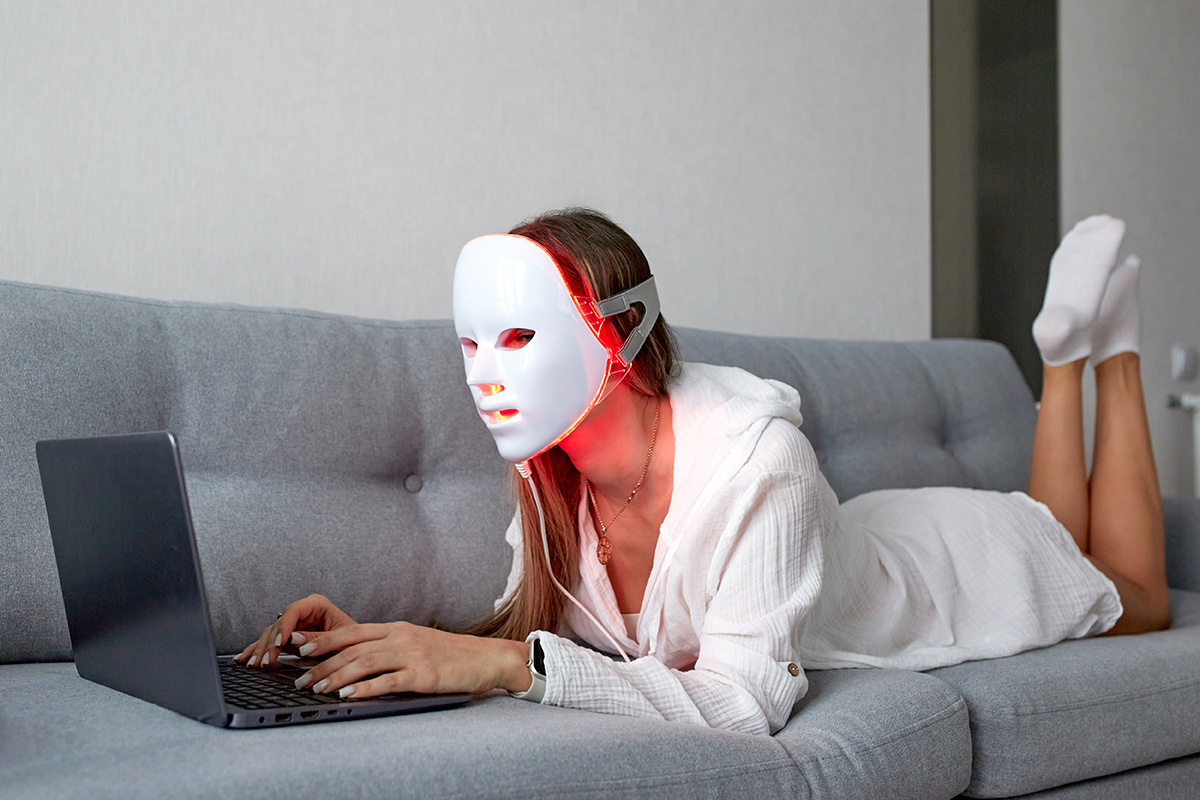
What are LED red light therapy masks and how do they work?
We’ve all seen these masks on social media, with tons of influencers and skincare gurus promoting them as an essential component in your skincare routine, but how do they actually work?
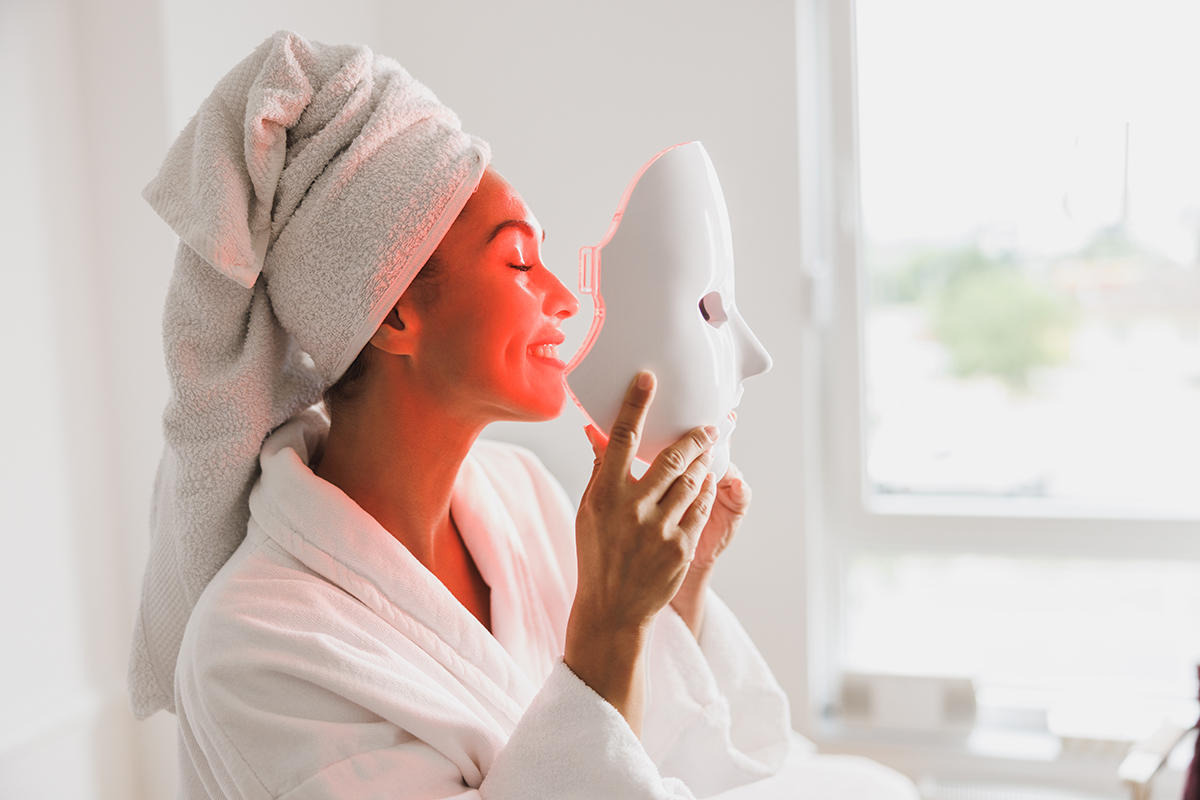
It’s claimed that red light therapy, also known as photobiomodulation, helps improve the appearance of the skin. Red light can penetrate the skin to a depth of 1 to 2 millimeters, where it is absorbed by the mitochondria (which is the “powerhouse” of every cell). This increases the production of ATP (adenosine triphosphate), which provides the fuel to boost cell processes, including cell repair and rejuvenation.
Dr Sophie Shotter, award-winning aesthetic doctor and President of BCAM, expands on how an improved ability for cells to repair themselves and function more effectively is beneficial for our skin: ‘For skin, this translates to better collagen production, calmer and less inflamed skin, faster healing, improved elasticity and firmness, more even tone. Think of it as giving your skin cells an energy boost so they behave more like younger, more resilient cells.’
With society’s obsession with youthfulness and red light masks allegedly producing more collagen, it is unsurprising that these devices have become so popular.
Collagen production requires energy, so increased ATP levels can allow for more of the protein to be produced. As Selma van Asselt, Cosmetics Developer, Skin Therapist & Silk'n Skin Technician, summarises: ‘The more cellular energy we have, the more collagen we can produce.’
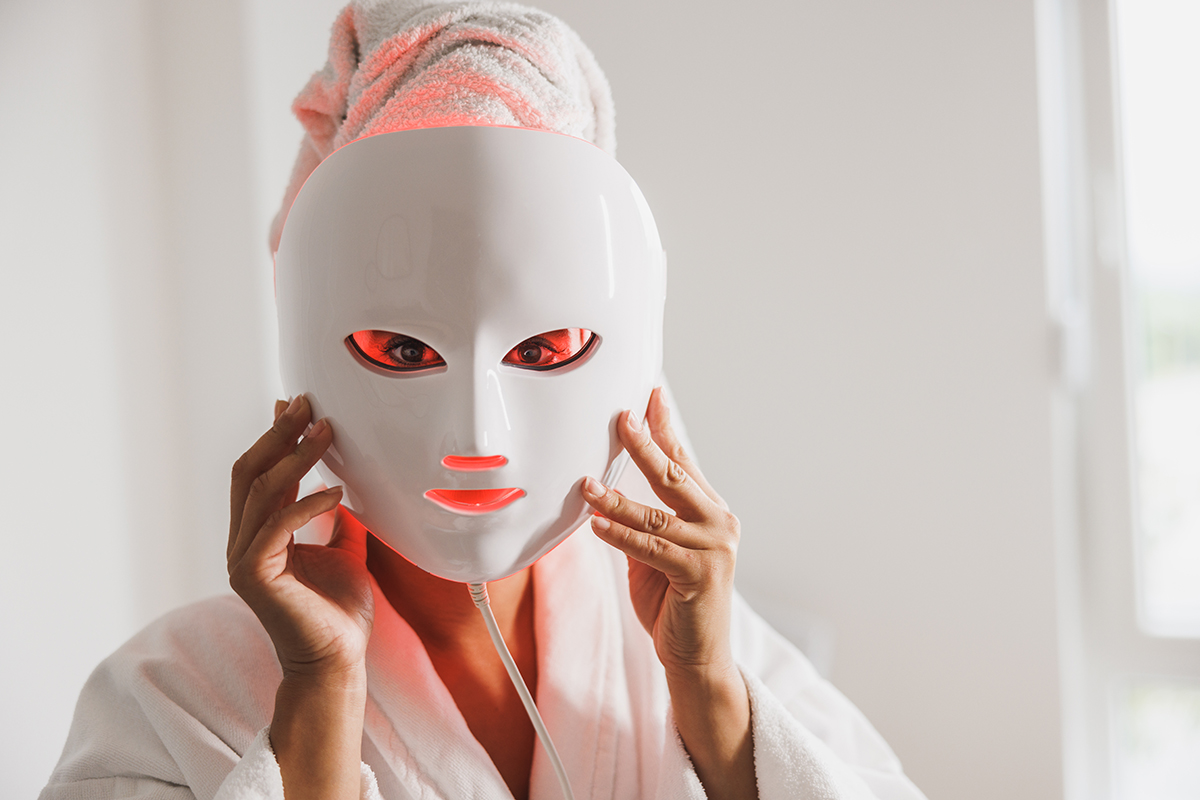
Get the right colour
Another key appeal of these masks is that they can help treat acne. As red light therapy calms inflammation, it can bring down angry, inflamed spots.
Plus, with the cells being able to repair and regenerate themselves more efficiently, in theory, your skin should heal faster from the spots. So resulting scars and redness should also disappear more quickly – helping you achieve a more even skin tone.
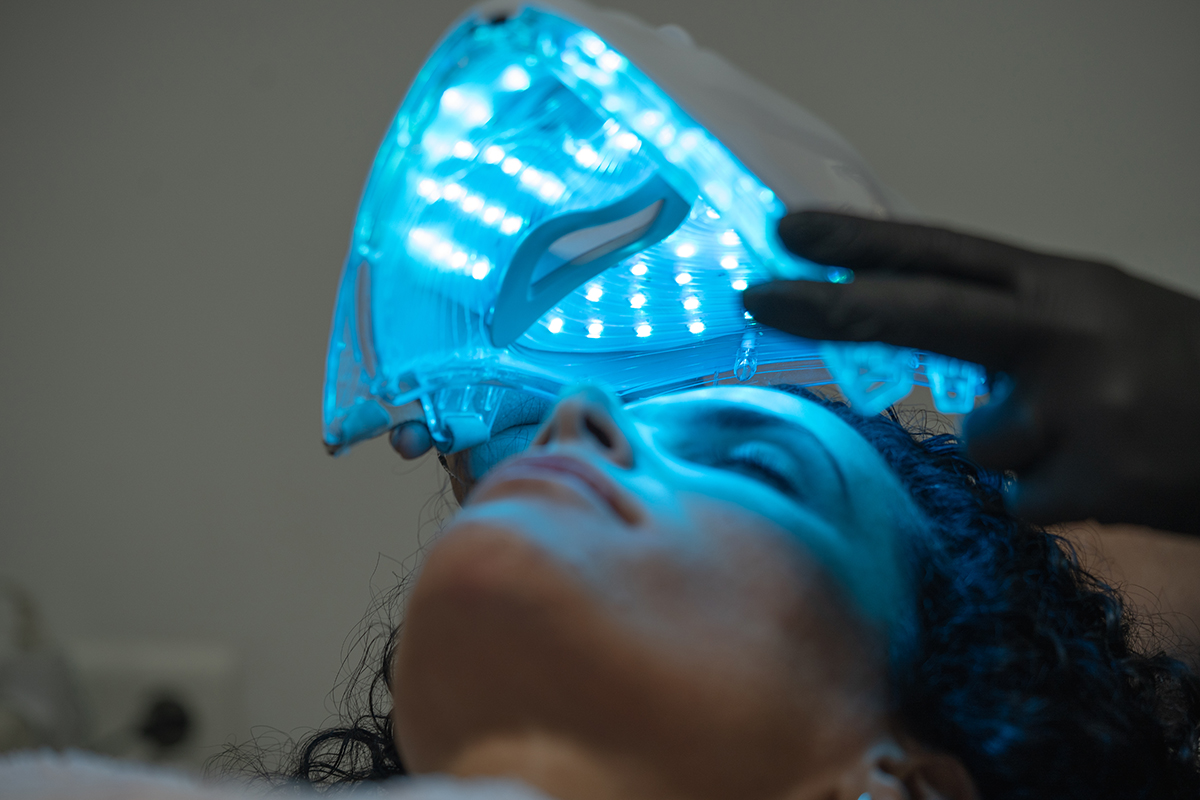
However, blue light is recommended for acne over red light masks, as it kills the bacteria that cause acne. Some masks offer multiple coloured light options (e.g. including red and blue light), so this could be a good solution for those whose main skin goal is to tackle breakouts.
However, Dr Sophie Shotter notes that while anti-microbial blue light is an effective treatment for spots in specific doses, too much exposure may trigger oxidative stress in the skin, which can potentially accelerate skin ageing. ‘Chronic low-grade exposure from screens might contribute to pigmentation or premature ageing,’ she says.
So if you want to keep your skin looking youthful for as long as possible, it might be worth reducing the amount of time you spend on your phone!
Are LED masks effective?
According to Dr Sophie Shotte, LED masks are indeed effective, but she warns that there’s “huge variation” between devices. So if you’re thinking of buying one, it’s important that you thoroughly research the different options available.
‘A good at-home device can deliver real benefits for collagen, healing, redness, and mild acne – but only if it has the correct clinically proven wavelengths, enough power (irradiance), hugs the face closely, and you use it consistently. Most red-light masks available on the market are underpowered,’ she says.
3 things to look out for when buying an LED masks
When it comes to finding an LED mask that actually works and that you can rely on, Dr Sophie Shotte emphasises that it’s not all about the brand, and just because a device is more expensive, it doesn’t necessarily mean it’s more effective.
She recommends paying attention to these three parameters:
- Wavelength: Dr Sophie Shotte claims that the wavelengths should be in the range of 620 to 700 nanometers.
- Irradiance: the mask should provide 20–60 mW/cm² to the skin.
- LED density and proximity: the mask should fit snugly against the skin and panels should be used at the manufacturer-specified distance.
If any of this information is not disclosed, you should be wary of the device and perhaps find an alternative that you can be completely confident is safe to use and will yield results.
LED masks can be expensive, so it's definitely worth doing that extra bit of research if it'll save you money and stop you buying a device that's not up to scratch!
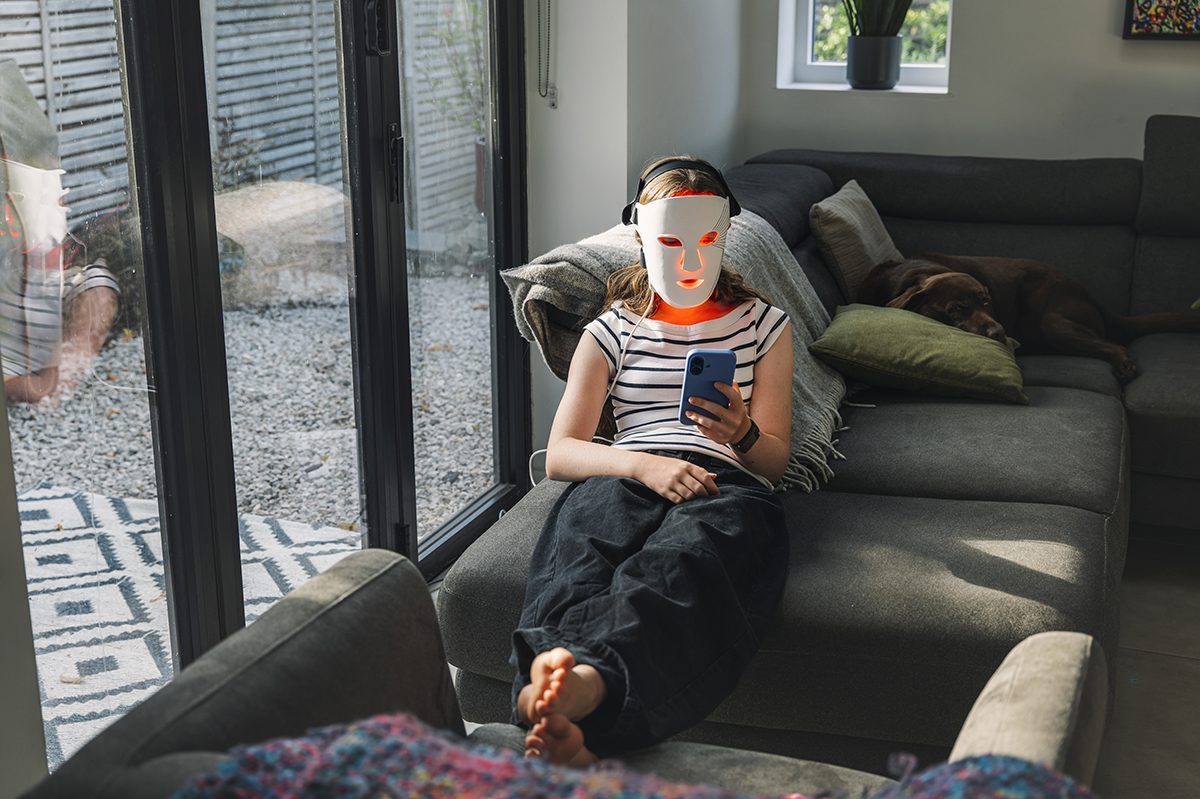
Dr. Naheed Ali, MD, PhD, health expert, physician, and Senior Contributor at Vera Clinic, agrees that an at-home LED mask can improve the appearance of skin by evening out the skin tone and smoothing fine lines. However, he caveats that they’re less powerful than in-office devices, and that results are likely to be subtle.
He also says that to see visible improvements, individuals will need to wear the mask regularly for weeks, if not months.
In terms of how much you should wear an LED mask, Selma van Asselt advises that three full sessions a week are optimal.
Dr Sophie Shotte encourages users to wear their masks every day for around 10 minutes to see the most benefit, or, if this is not possible, a minimum of 5 times a week.
She states that this is important because “the lower power means frequency is more important”, so if you aren’t using it consistently, this can prevent you from seeing results. She also advises users to wear LED masks on clean, product-free skin.
Are LED masks safe?
Although LED face masks are safe to use, there are still things to bear in mind to ensure you're protecting your health.
Make sure you protect your eyes from the red light emitted to prevent any potential damage to your vision. Your mask should be designed to shield your eyes from the light, but if you want to take extra safety measures, invest in a pair of protective goggles.
You should also be careful about engaging in red light therapy if your skin is sensitive to light. People with the skin condition melasma should be particularly cautious, as LED masks can generate mild heat, which can activate the cells that produce pigment and cause hyperpigmentation.
Generally, LED masks are suitable for people with sensitive skin and can help soothe the skin. However, if you have a skin condition or are feeling unsure whether red light therapy is right for you, it's worth consulting a dermatologist or professional first.
And finally, too much blue light exposure can be damaging to your skin, as mentioned earlier. So, if you’re opting for a mask that emits blue light, ensure you stick to the recommended therapeutic dosage and don’t overuse the device.
The verdict: should you buy an LED mask?
If you’re looking to rewind the clock and magically reverse years of ageing, you’ll likely be disappointed with the results of an LED mask. They require consistent use for a minimum of 3-5 days a week (if not daily) over weeks to months, and even when used consistently, improvements to the skin tend to be subtle.
Having said that, red light does stimulate skin cells, helping them to repair, which improves inflamed skin and acne. Additionally, with more energy, cells can also produce more collagen, which is the key to firmer, younger-looking skin.
In our opinion, LED masks are definitely worth a try and can help improve the appearance of your skin. However, they should support other, more important habits, like following a good skincare routine, and, most importantly, applying SPF all year round.
Although LED masks can help with fine lines and wrinkles, sun exposure is the number one cause of premature ageing, so protecting your skin from rays will always be the most effective way to keep your skin looking younger for longer.
Read more: