
How bum cream can make you look younger – expert-approved
You might think nappy cream is just that – nappy cream. However, it seems skincare lovers are now flocking to the baby aisle for their latest must-have item.
A quick scroll on social media, and you’ll see women slathering their faces in a thick layer of this newborn essential as part of their pre-bed ritual. And the results are pretty surprising.
After just one night, people see plumper, smoother results. Some even claim to see a reduction in fine lines. So, is this the miracle way to wake up looking younger?
- Sculpt your face shape without surgery using these tips
- The make up mistakes that make you look older
Given it’s a product designed to protect babies' irritated bums, it might be a bit bonkers, but it kind of makes sense. It might not be the first thing you think of when you’re looking for a miracle cream, but it seemingly works – and dermatologists agree.
‘I think there is some genuine science behind why this has become popular; however I would encourage people to understand why it might work for them before jumping on a trend and trying it for themselves,’ says Nina Prisk, a leading cosmetic nurse and expert in non-surgical aesthetics at Update Aesthetics.
The secret to this viral phenomenon is zinc, which is known for its calming, anti-inflammatory properties. In skincare, it’s commonly used to control oil, reduce acne, soothe irritation, and support the skin barrier.
One TikTok dermatologist said that ‘adding a zinc-based barrier cream to your face is a one-way ticket to the best skin of your life’.
There’s a reason the saying goes ‘as smooth as a baby’s bottom’. Plus, as well as its potent formula, nappy cream is super affordable. It costs just a fraction of the price of a high-end face cream.
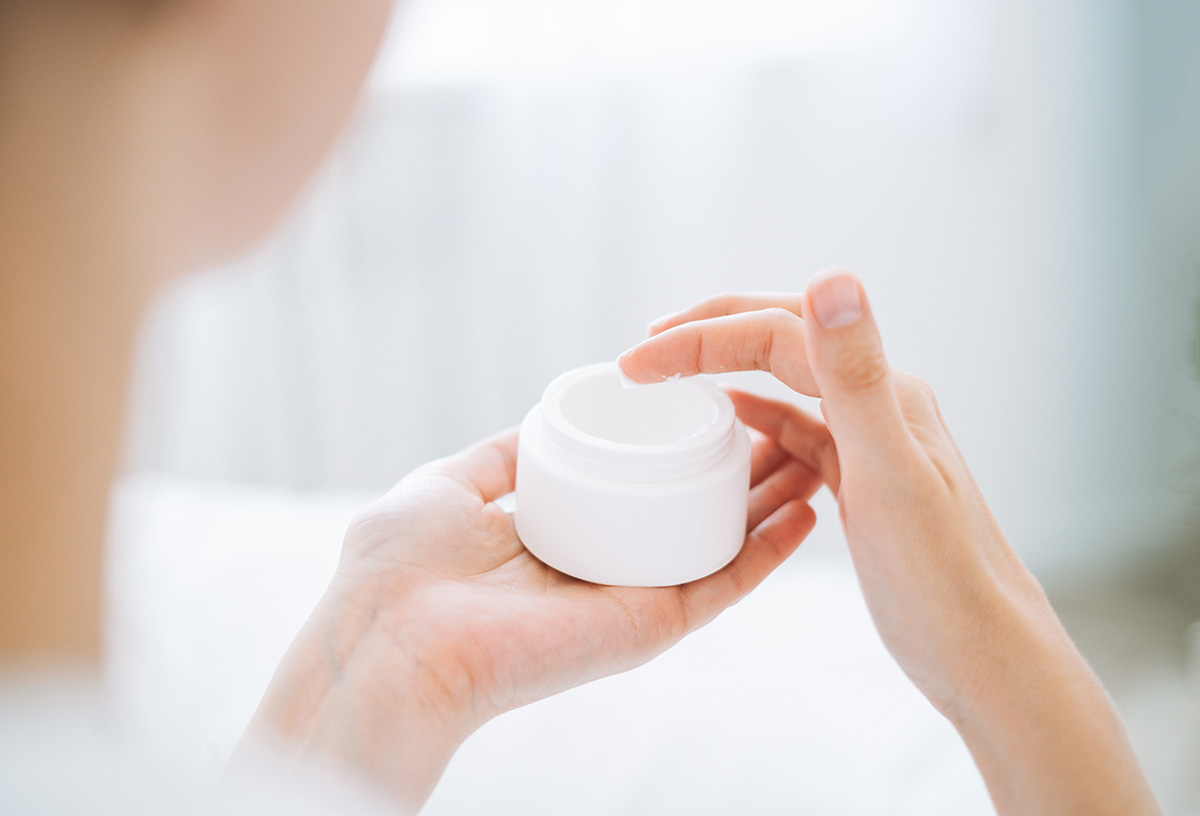
‘Using nappy cream on the face has gained a lot of traction because many nappy creams contain ingredients such as zinc oxide and petrolatum, which can be really beneficial for the skin barrier. Zinc oxide can help soothe irritation and create a protective layer over the skin, while occlusive ingredients such as petrolatum help reduce moisture loss,’ Nina says.
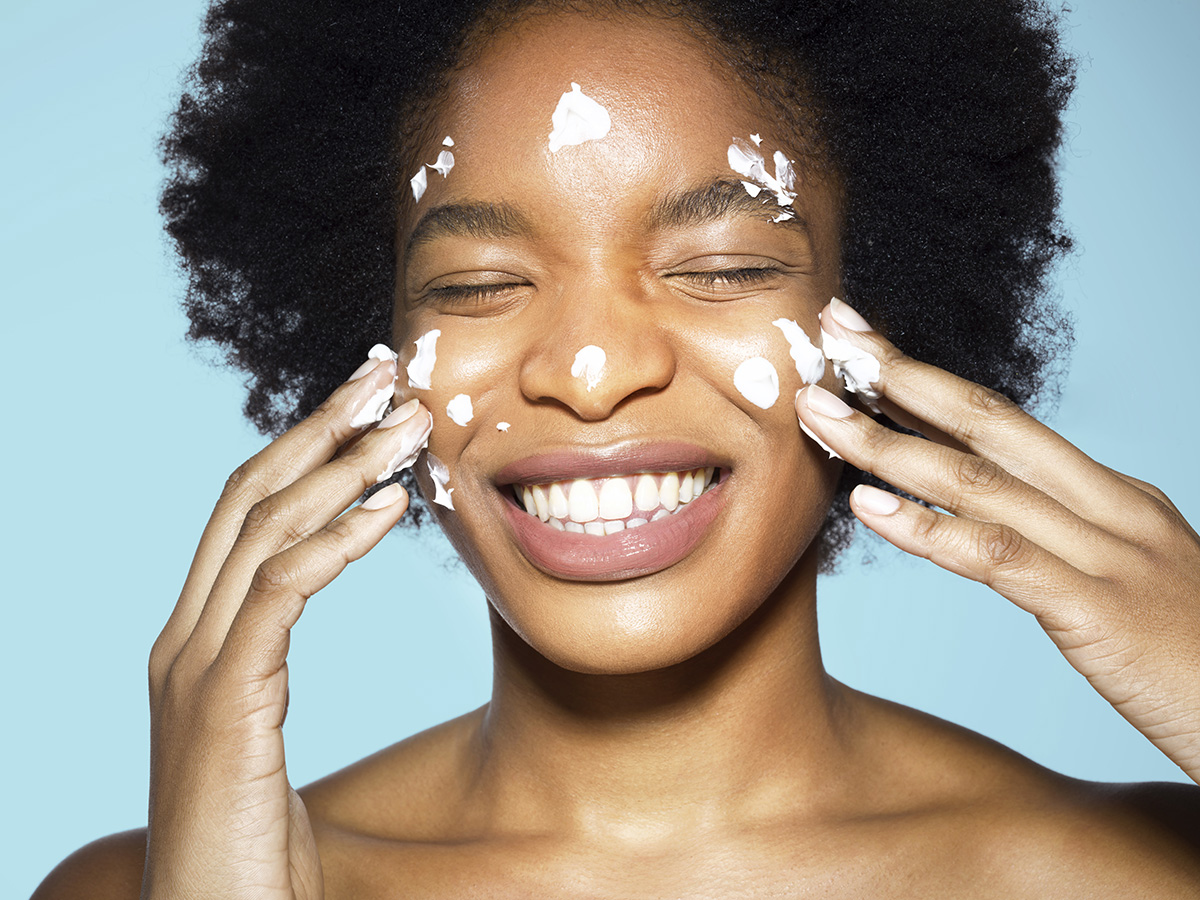
Dubbed ‘face basting’ or ‘zinc slugging’, it simply involves coating your face in nappy cream before heading to bed. While some rub it in with a toothbrush – it wouldn’t be a trend without a quirky twist – most just apply a thick layer.
‘You absolutely do not need to use a toothbrush to apply it, and this is actually the part of the trend I'd discourage the most. There is no skincare benefit that requires you to use a toothbrush to apply nappy cream to your face.
‘Your fingers are perfectly capable of applying the product evenly and gently, and using a toothbrush introduces unnecessary physical friction which could actually be more damaging than anything else, especially if you're applying the cream because your skin is already dry, irritated, or its barrier is compromised. Repeated friction can aggravate redness and sensitivity rather than helping the skin recover,’ Nina advises.
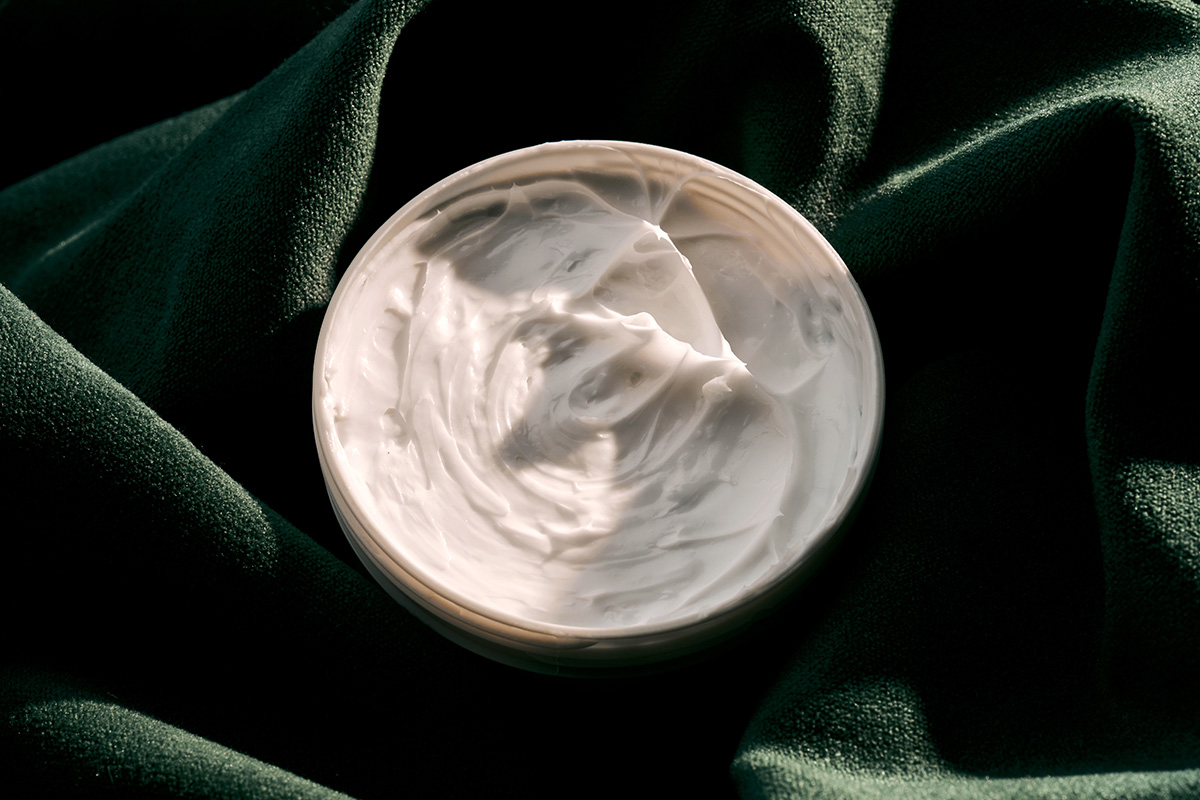
But why nappy cream? Unlike most of our daily moisturisers, nappy cream contains up to 40% zinc oxide, meaning it packs a high concentration in a small amount. Paired with heavy protectants like petrolatum, mineral oil, or shea butter, it creates an intense barrier to seal in hydration.
Who should try this trend?
There’s a general consensus that those with particularly dry skin would benefit the most from adding nappy cream to their routine. The thick nature of the cream can help lock in moisture, making it a good option for a quick fix.
Other benefits might include:
- Spot treatment
Before TikTok became obsessed, a lot of us were already using the occasional bit of nappy cream to help calm down any angry or inflamed spots overnight. Be mindful that if you struggle with acne, you don’t want to clog your pores and all-over face slugging could do more harm than good.
- Temporary skin irritation
If you’re dealing with a minor skin rash, chafing, or post-wax redness, dermatologists recommend a thin layer to provide temporary relief.
While Nina does agree that there are benefits to using nappy cream, she does advise shopping around.
‘For someone with very dry, irritated, or temporarily compromised skin, using a suitable barrier cream containing similar ingredients may make much more sense than applying a thick layer of traditional nappy cream all over the face,’ she says.
Who should avoid it?
While dermatologists are largely on board with the trend, they do recommend that some skin types steer clear.
‘You need to be particularly careful if you have oily, congested, or acne-prone skin as it could easily be too heavy for your skin type,’ says Nina.
- Acne-prone skin
The heavy, occlusive ingredients in nappy cream can actually trap oil and bacteria on the face, making breakouts worse than better. While using a small amount on the occasional spot may be beneficial, all-over face slugging on acne can actually leave you with even more spots. It’s always worth consulting with your dermatologist before trying any new skincare.
- People prone to clogged skin
If you’re regularly popping blackheads, you’re probably going to want to pass on this trend. As nappy cream is intentionally formulated with heavy ingredients, it is designed to sit on the skin and block out moisture and irritants. On adult skin, it can seep into pores and block them.
How often should you do it?
As with most social media trends, skincare influencers say you should be zinc slugging on a nightly basis, but most experts strongly disagree. The general advice is to only apply the cream two or three nights a week, and only really when you actually need to.
While it is hailed for leaving you with gorgeous ‘glass skin’, it can clog pores if overused, leading to further complications.
Try for yourself
Step one: Cleanse first
Start with a clean face – there's no point slugging over the day's makeup, SPF, or grime, as you'll just trap it all underneath.
Step two: Apply your normal moisturiser
While you can apply it on its own, many dermatologists advise using your usual moisturiser and serum underneath. However, leave out retinol, exfoliating acids, and vitamin C that night. They don't play well under an occlusive layer, and you risk irritation rather than glowy skin.
Step three: Apply a thin layer
Go light, not thick – you don't need to cake it on like a face mask. You also don’t need the toothbrush. Pay attention around the hairline and jaw, as too much product here tends to transfer straight to your pillow.
Step four: Cleanse properly in the morning
The heavy formula needs a proper wash to fully lift off. Leave any residue behind and you risk clogged pores rather than the dewy finish you're after.
Read more:
