
Hair is the bedrock of style. It’s one of the first things people notice about you, and it can have the power to transform any day from ‘greasy, tired and drab’ to ‘glamorous, considered and effortlessly chic’.
When we have to battle challenges like thinning hair or hair loss, the blow to our confidence can feel extraordinary.
- These are the viral anti-ageing skincare ingredients that actually work
- Want to reduce signs of ageing? Experts unpack if retinol or collagen is better for your skin
What makes our hair fall out?
‘This is a very good but also complex question,’ shares Charlie Illi, top stylist and advanced technician at Brooks & Brooks salon. ‘Hair loss can occur at multiple stages in life: illness, stress, autoimmune disease, pregnancy, menopause, diet and so on.’
Hair loss is a normal part of life. In fact, the NHS shares that we lose about 50-100 hairs a day. Feeling like you’re losing too much hair might be an overreaction to what’s a regular part of everyday life, and hair loss can often be temporary, as hair will grow back.
Charlie adds: ‘It is important to figure out the cause of your hair loss in order to treat it and prevent long-term issues. If you experience hair loss a couple of times a year, I really do recommend taking Glowwa regularly to prevent losing too much hair and to keep it stable and under control.’
So, what is healthy hair then?
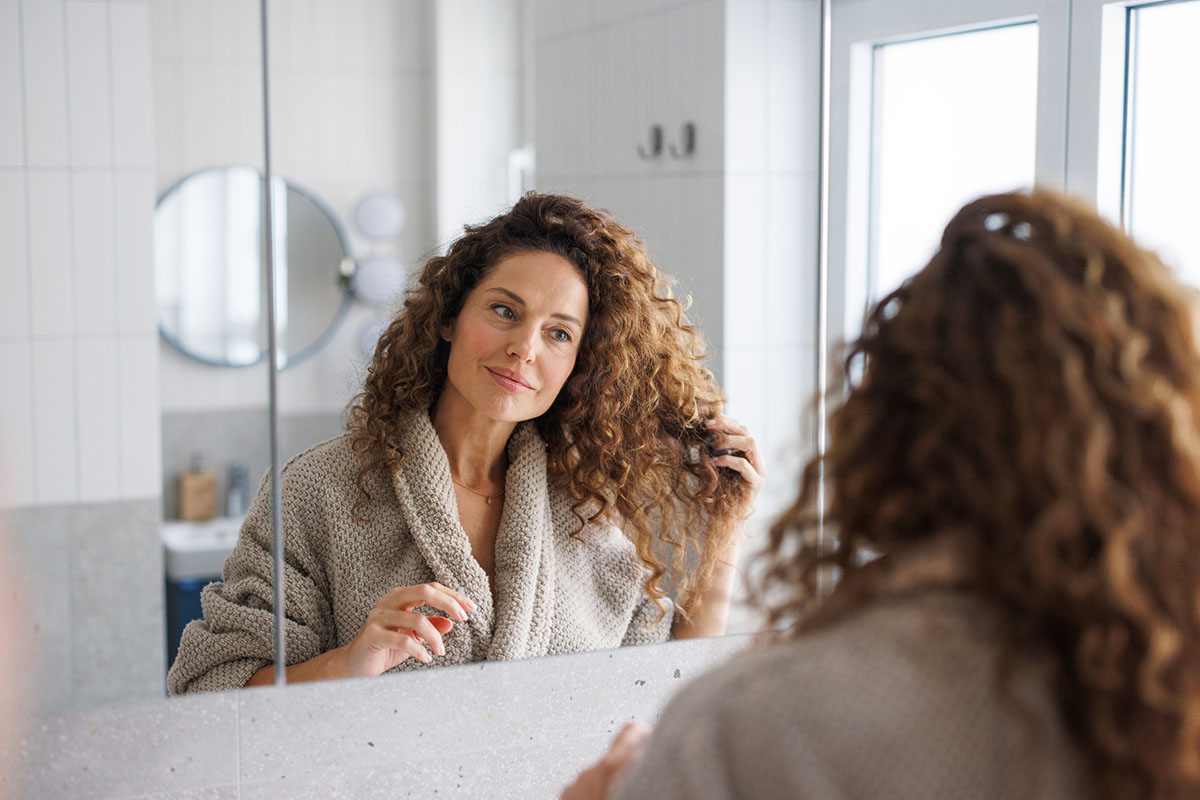
Talking about healthy hair can be hard if you don’t actually know what that looks like for you. Healthy hair shouldn’t break from hair dye, or be overgrown with split ends. It should be growing without feeling too dry or oily, and your scalp should be clear of dandruff or dryness.
When your scalp is too dry, this can be a normal part of how your hair grows, or it could be due to too much direct exposure to sunlight. Treating it with some care can mean your scalp feels nourished and moisturised in no time.
If you’re not sure if you have split ends, here’s a top tip: run your fingers through your hair, from root to ends. If you feel a bump or change in texture towards the ends of your hair, this may be where split ends are breaking to appear fuller, despite them actually preventing new healthy hair to grow in their place.
Hair care, for beginners
1. Rosemary oil
Rosemary smells great, protects your hair from breaking and is jam-packed with conditioning ingredients to support your scalp.
It’s exactly why you may have seen rosemary ingredients appearing in different serums to help boost hair growth and combat hair loss.
As it’s an essential oil, be sure to dilute it into another product, as a high concentration coming into contact with a sensitive scalp may cause added damage.
If rosemary scents aren’t for you, there are plenty of scalp treatments on the market that you can weave into your self-care routine to encourage healthy, sustainable hair growth.
2. Trim off the dead ends
Support your local salons and set aside an afternoon indulging in self-care that will make you look and feel good. Split ends prevent healthier hair from being able to grow, and are a sign that your lengths need a trim.
To spot them, hold the end of your hair in your hand and look at the ends of individual strands. If individual hairs split in two separate directions, it’s a sign that a trip to the salon is needed.
Getting rid of dead ends can allow strong, healthy-looking hair to grow and make the ends of your hair appear less knotted and flat.
3. Use protective products
Heavy heat exposure to your hair isn’t good for anyone. It dries out fair follicles, encourages breakage and isn’t worth it just to accidentally crimp the back of your hair with your straighteners.
Allowing your hair to dry naturally can be the way to let your healthy hair grow without the added damage of intense heat drying out wet hair.
That’s not to say that you can never use styling products, but always partner them with a heat protectant spray to match.
It can even add to the volume of your look when used carefully, as Charlie explains: ‘Movement is key for volume, so tong your hair, or blow-dry with a round brush and let it cool to set. This will provide you with amazing volume.’
4. Give yourself a scalp massage
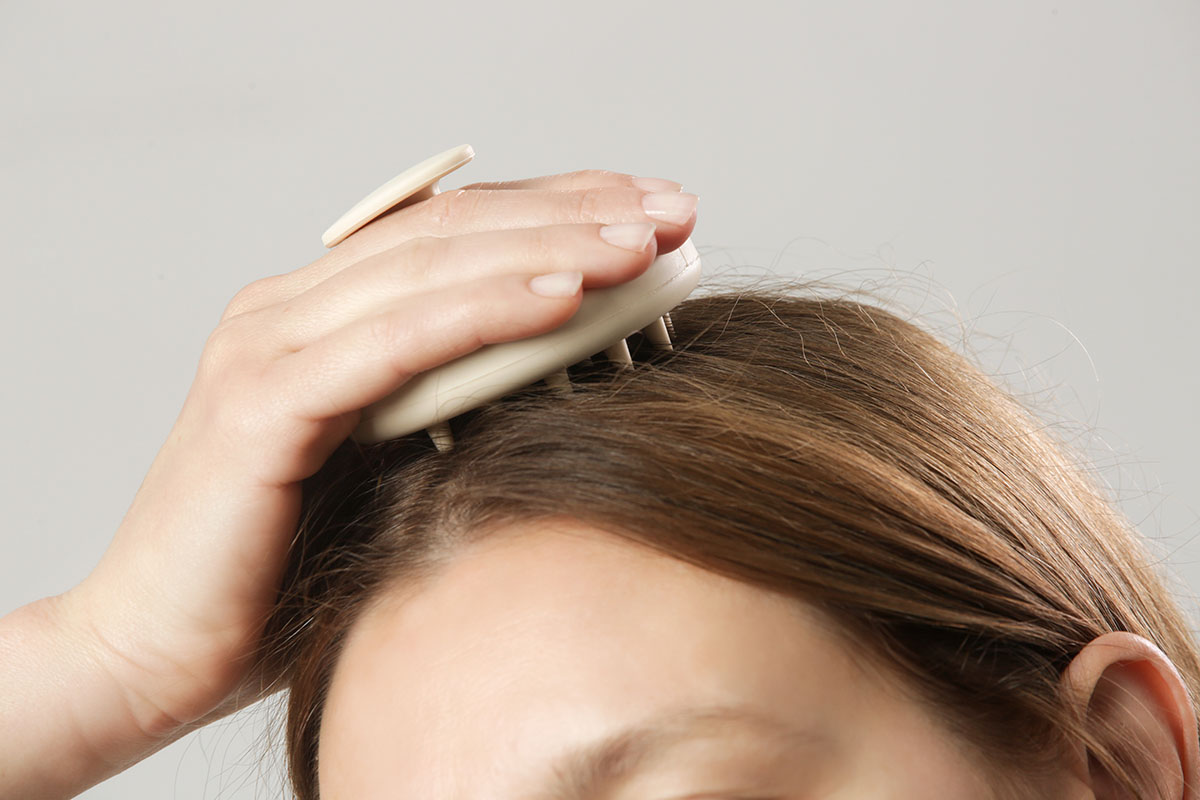
Scalp massages aren’t just for the visits in the salon chair; they’re an essential part of your weekly haircare routine.
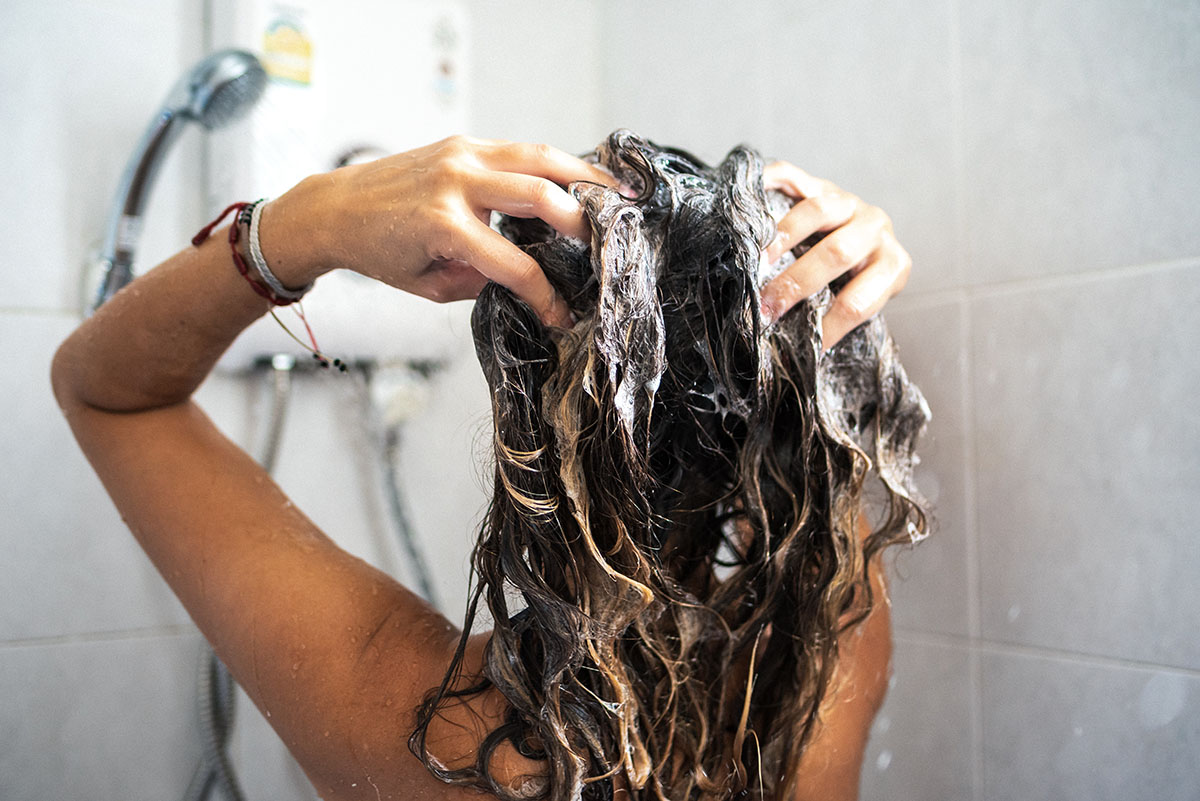
Learning a routine that covers all of your scalp can be a great way to relax in the shower and stimulate hair growth, letting strong hair grow and making your scalp get the recharge it needs.
There’s even a whole host of products that can help you out with mastering the massage, with scalp massagers becoming readily available in supermarkets.
Scalp massagers look like a spiky hairbrush, and by brushing your scalp in the shower by slowly rotating the device around your head, you’ll be rinsing out all of the dead skin and oil build-up that’s sitting on your hair.
5. Know what ingredients work for you
Getting overwhelmed by the vast amount of unrecognisable ingredients on the back of a bottle is completely normal. It’s why you may be throwing the wrong products for your hair into your basket. But a little education on how different ingredients can help boost hair growth can be a game-changer.
Aloe vera products will be soothing and moisturising to your scalp, which can be a great way to support hair that’s often dry or help to combat dandruff.
Honey products are antibacterial, meaning that they clean your hair but can also hold anti-inflammatory properties to reduce symptoms of psoriasis and eczema.
Olive oil products are gentle treatments that are ideal for people with sensitive scalps that react badly to new products.
6. Try a satin bonnet
For centuries, people have been sleeping in bonnets to protect their hair and prevent the build-up of sweat and dirt reaching their scalp overnight.
If the style isn’t for you, try sleeping on satin bed sheets. Satin does not only feel soft and luxurious, but it protects the texture of your hair, preventing hair loss as you toss and turn in the night.
7. Brush your hair properly
Attacking your scalp with a hairbrush and using it like a machete on your roots won’t help strong hair to grow, and will likely leave a path of destruction behind each knotted pull.
Look after your hair by slowly brushing from the ends to the roots, working your way towards the scalp. This will prevent any tangles from crawling up your hair and leaving you unpicking your hair apart from one big, matted mess.
8. Consider supplements
Supplements can work wonders to enhance a healthy lifestyle, but they won’t give you one without you matching the hard work in the first place.
When you’re swapping the products you apply to your hair, or even how you clean your hair in the first place, supplements can boost the work you’re doing to prevent the build-up of dead hair.
There are endless providers of hair supplements, vitamins and gummies on the market. Just be sure that if you’re vitamin stacking, you’re being careful and not taking two supplements that cancel each other out or have negative impacts on your health.
A key ingredient you should be looking out for is biotin, also known as vitamin H, as this is the vitamin that promotes healthy hair and nail growth.
What’s the best way to style my hair?
Understanding what to ask for in a salon or barber shop can be tough. You want a change that’ll make you feel confident and ready to start a new chapter of your life, but you also want to ensure you won't be stuck with a haircut you don't like.
You’re healing your scalp, you’re working in the treatments to your self-care routine, and you’re making sure that you’re only using what works for your hair type. Now the tricky part is learning how to style it as you wait for your hair to grow.
Navigating the chair when you visit a hairdresser doesn’t have to be intimidating or a gamble. Asking a stylist what they recommend or bringing in a photo of a style you like can be a great starting point.
‘In order for the hair to look as full as possible, I would recommend not colouring it too dark, as this can enhance the contrast to the scalp and make thinning more noticeable,’ shares Charlie. ‘Having your colour slightly lighter and adding some dimension with light sun-kissed pieces will create a more voluminous look.’
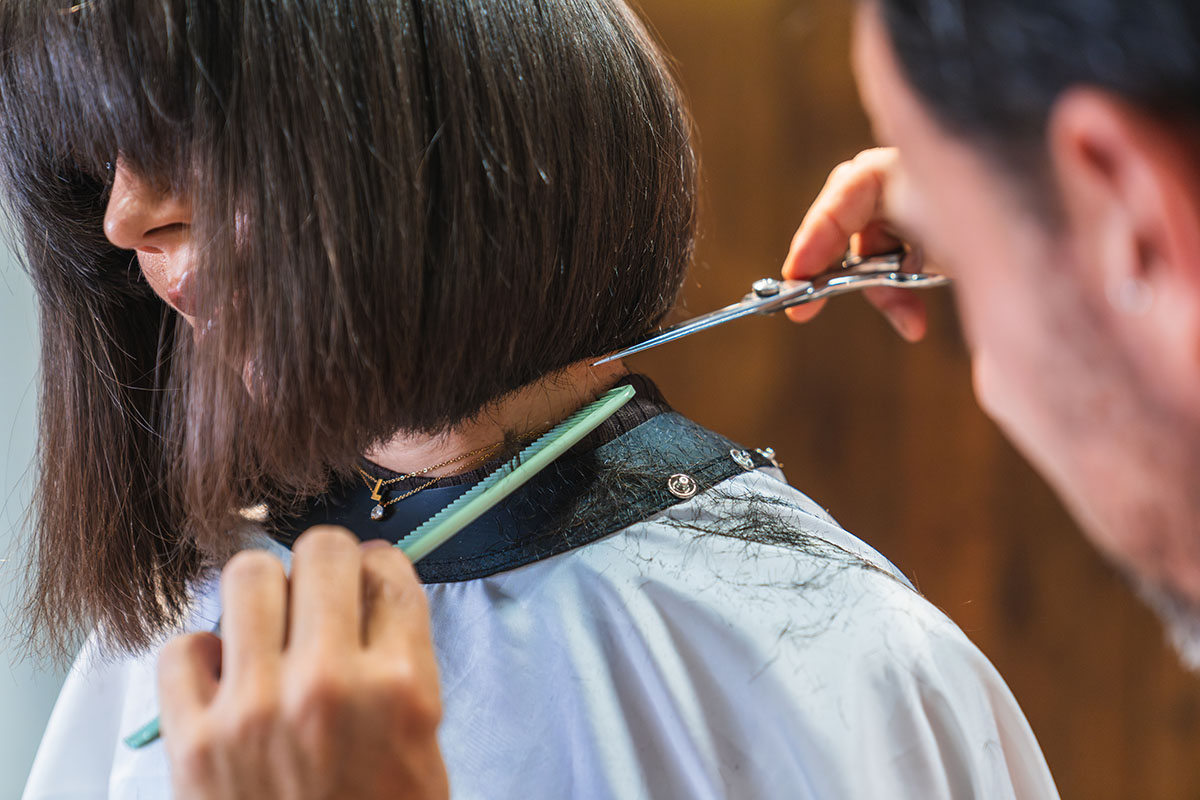
‘In terms of cut and styling, try to wear your hair slightly shorter, such as in a bob or mid-chest length, depending on your hair texture. This will create more width. If your hairline feels thin, I like to add a curtain bang look to hide and fill the hairline.’
Read more:
