
Morning routines are fairly autopilot, aren’t they? When we have to rush out the door, a lot of us will reach for our tried and tested make-up favourites and not think twice about the application, the amount we’re using or its staying power for the day ahead.
And we're also not thinking about whether the techniques and products we’re using are serving us as they did in our teens and twenties.
Add to that the natural changes in our skin’s appearance as we age and we could be making some big beauty-industry no-nos without even realising.
- The secret to radiant, younger-looking skin (and it's simpler than you think)
- This is the best massage for weight loss, says expert
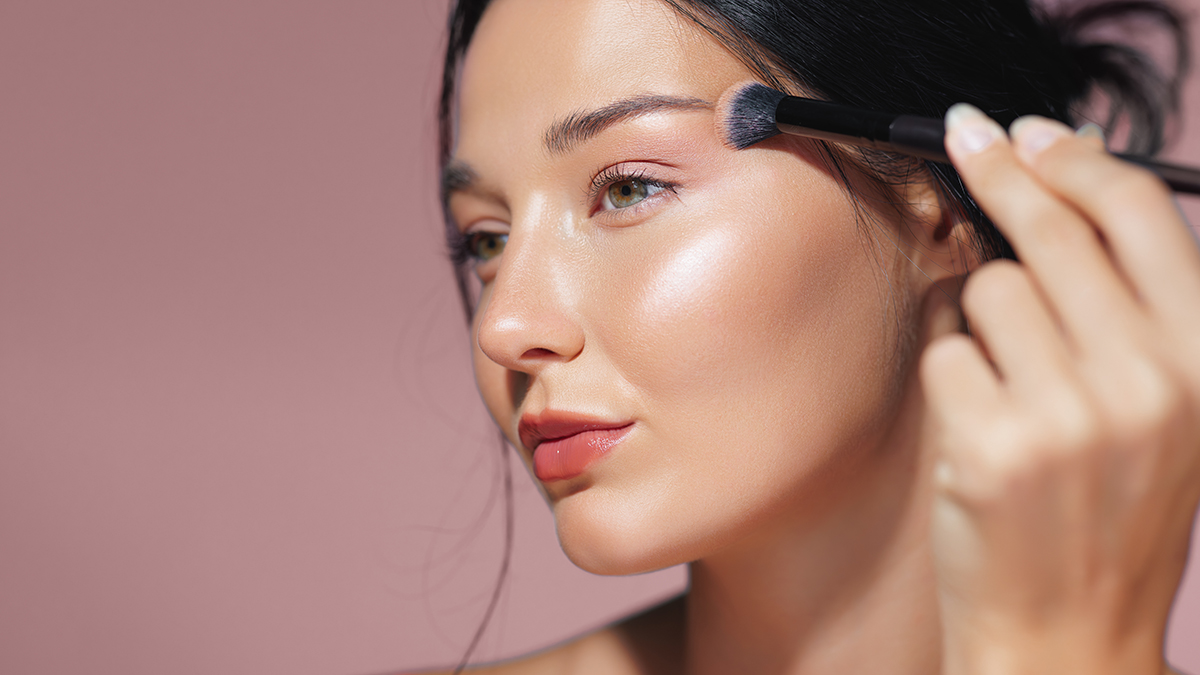
Dr Ed Robinson, leading cosmetic non-surgical expert, says, ‘As we get older, there are a few changes that happen to the face that contribute to the volume of lines. We lose volume in our face in terms of our fat pads, our muscle bulk and bone structure which all contributes to hollowness over time and causes deep lines to form. We also see a reduction in our skin quality, which is usually mediated by the loss of collagen and elastin in our skin, the proteins responsible for stretch and bounce. This contributes to fine lines on the face, which become more obvious with movement.
‘There are various treatments that can improve these lines and how your makeup sits in non-surgical aesthetics, including Botox/botulin anti-wrinkle treatments as well as bio-stimulators, energy-based devices, radio frequency, microneedling and polynucleotides.’
These will all help to either reduce the amount facial muscles move, therefore reducing the number of times fine lines are being reinforced throughout the day, or improve skin quality by stimulating collagen.
‘Many patients say such treatments leaves make-up sitting better on their faces,’ says Dr Robinson. ‘In some cases, patients feel like they don’t need to wear it at all because it’s improved their confidence.’
How do we get that confidence without invasive or expensive treatments though? How can our make-up itself enhance our looks rather than age us?
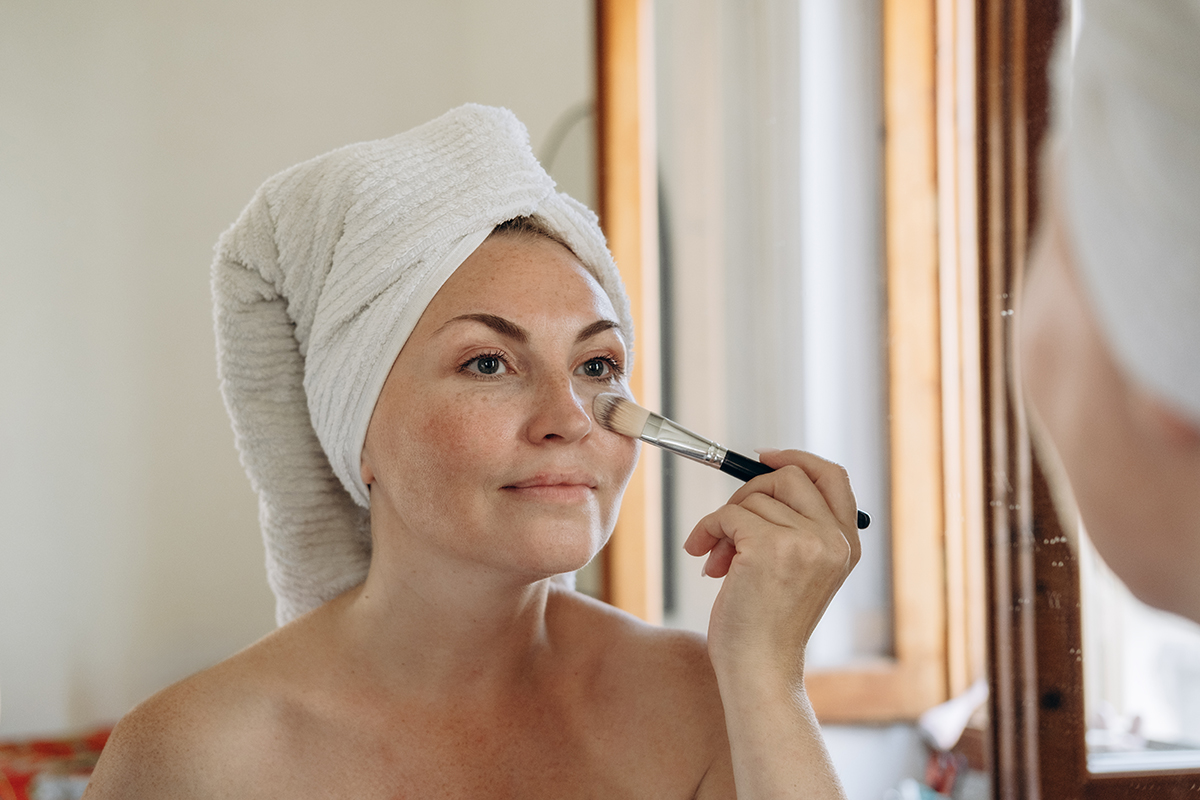
Common make-up mishaps
We’ve gathered some more wisdom from Gemma Logan, relationship and beauty expert at The Foxy Hen, who has over 10 years’ experience in the beauty industry. She points to seven typical trouble-spots:
1. Heavy foundation that sits in fine lines
‘One of the biggest culprits in make-up that ages rather than enhances is foundation that’s too thick or matte,’ says Gemma.
‘When the skin is drier or more textured, a dense base settles into fine lines and emphasises pores. It can make the face look tired and flat rather than smooth.’
Gemma recommends a light and flexible foundation instead of applying one full layer. ‘Go for a sheer, hydrating formula or a tinted moisturiser and build up coverage only where needed. Buffing it in with a damp sponge gives a more natural finish that moves with your skin. A touch of radiance in your base brings life back to the complexion without looking shiny.’
2. Powder overload
‘We all love a bit of powder to keep things in place, but too much can zap the freshness out of your face,’ says Gemma.
‘When powder clings to dry patches or laughter lines, it dulls the skin and makes it appear older. The trick is to be strategic. Apply a small amount of finely milled translucent powder just to areas that truly need it, like the centre of the forehead, nose and chin. Keep the cheeks and under eyes soft and luminous. A setting spray can also help to melt the make-up into the skin for a natural, skin-like finish.’
3. Lining the lower lash line heavily
‘Many of us grew up loving that dark liner smudged under the eyes, but it can make eyes look smaller and drag the face down,’ says Gemma.
‘It’s one of those classic mistakes that instantly ages even the freshest face. A softer approach is to focus on the upper lash line. A thin line of brown or charcoal pencil along the top lashes, gently smudged out, gives lift and definition without closing the eyes. Curl your lashes and apply mascara mainly to the top for a bright, wide-eyed effect. If you love a little lower definition, try a subtle shadow instead of pencil.’
4. Ignoring the brows
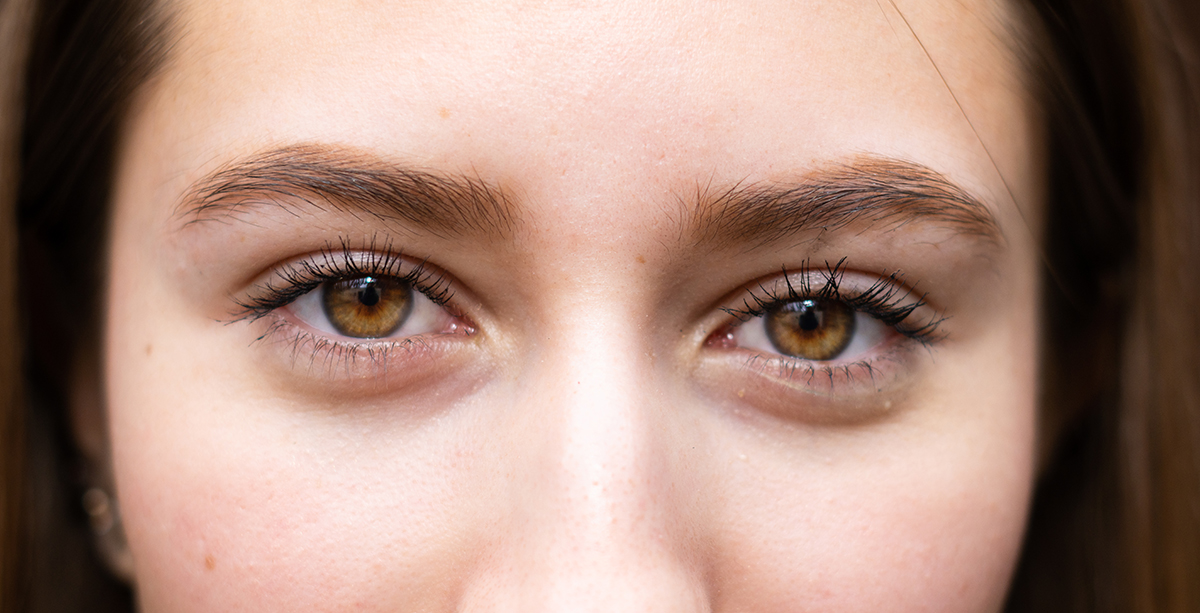
‘Brows frame the face, and overly plucked or neglected brows can throw everything off balance,’ says Gemma.
‘Sparse or faded brows make features appear less defined and can age the overall look. The goal isn’t to draw on bold, blocky brows but to softly fill and shape what you have. Use a fine pencil or tinted gel to mimic natural hairs and brush them upwards. A slightly lifted tail gives a youthful, lifted appearance without looking drawn on.’
5. Blusher errors
‘Blusher is one of the most powerful youth-givers, but only if placed and chosen wisely,’ says Gemma.
‘Too low on the cheeks and it drags the face down. Too shimmery and it can highlight texture. The sweet spot is on the upper apples of the cheeks, blending upwards towards the temples. Choose shades that mimic a natural flush, like soft rose, coral or peach tones, depending on your undertone. Cream blushers tend to look fresher and melt into the skin beautifully.’
6. Skipping lip definition
‘As we age, lips can lose a little volume and colour,’ says Gemma. ‘Going without lip liner can cause lipstick to bleed or make the lips look undefined. The trick is to use a liner that’s just a shade deeper than your natural lip tone and softly trace the shape, slightly enhancing the outer edge if you wish. Fill in the lips with the liner before applying lipstick for longer wear. A dab of gloss or balm in the centre adds fullness and makes lips appear plumper.’
7. Neglecting skin prep
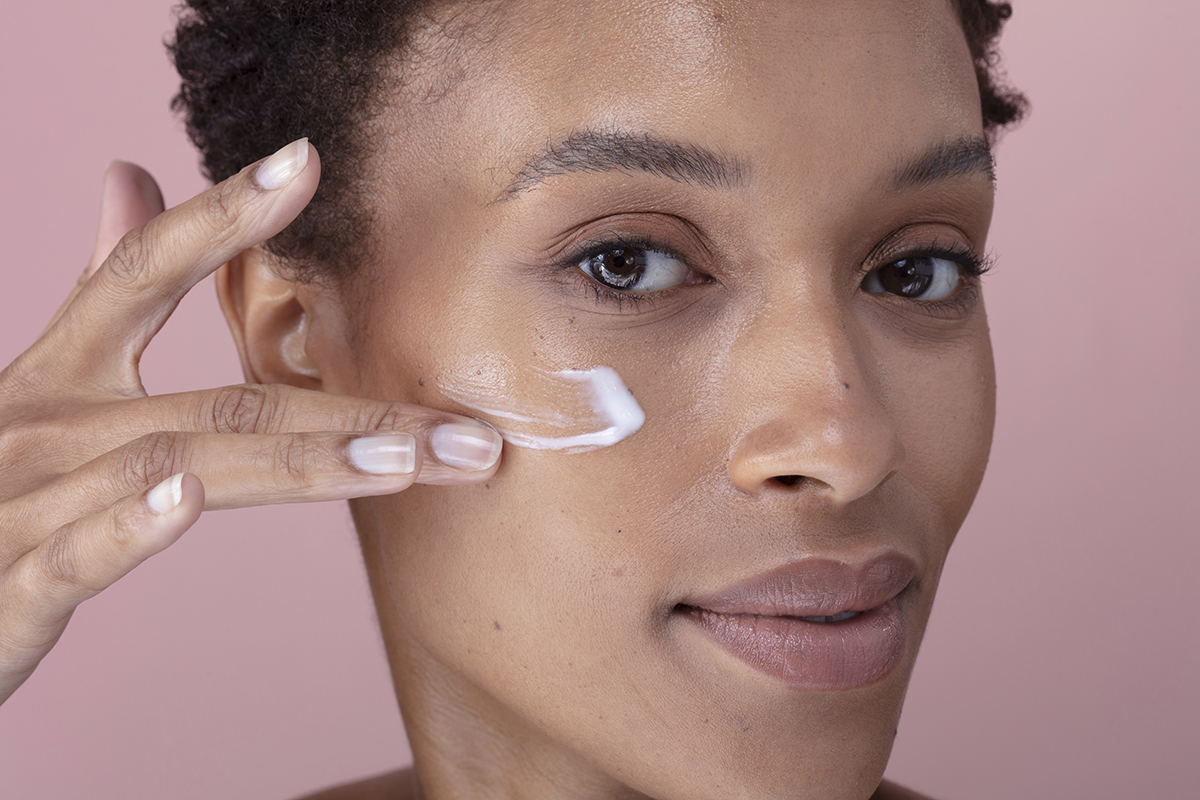
Gemma says no make-up will look fresh without hydrated skin underneath. As our skin gets older, it naturally loses bounce, moisture and glow. So, anything you can do to bring that back makes your makeup sit better and look fresher.
‘Skipping moisturiser or primer can cause even the best products to cling or cake. Before anything else, use a good moisturiser suited to your skin type and let it absorb properly. A smoothing or illuminating primer adds grip and glow, helping everything you apply afterwards to look smoother and last longer.’
You should also use a gentle exfoliant a couple of times a week to remove dry patches.
Build a better base
Amish Patel, BEM, Leading Aesthetics Trainer, Award-Winning Aesthetics Practitioner & Skincare Expert at Intrigue Cosmetic Clinic says it’s more about maintaining healthy skin that just applying make-up differently.
‘Bad make-up habits can attribute to the premature ageing of the skin over time. Regularly sleeping with a full face of make-up can have a negative cumulative effect on the skin. Whilst your skin is trying to repair and renew overnight while you sleep, that layer of make-up and the day's dirt and grime and pollutants sits on the surface of your skin and interrupts your natural skin cell renewal process,’ he explains.
‘Conversely, overzealous cleansing of the skin in an attempt to remove make-up can cause wrinkles; pulling and tugging at the delicate skin around the eye area impacts the skin's elasticity. As we age, the collagen levels in our skin start to decline, so our skin becomes less elastic – be gentle when removing your make-up to avoid skin trauma.’ Try a gentler, lighter approach, all round.
Clever concealing
Ageing around the eyes often shows up as shadows and discolouration. Concealer can help but only if you use it correctly otherwise it can be ageing.
- Choose a hydrating, not cakey, formula.
- Apply a tiny amount to the inner corner of the eye (the darkest part).
- Use a peach-toned corrector before concealer if you have strong blue/purple tones.
- Avoid dragging concealer all the way to the outer corner as this can look heavy and emphasise lines.
Warming bronzer
Heavy contouring can look harsh and add years. Bronzer, however, adds warmth and life to the complexion. Apply bronzer around the hairline, on the high points of the face where the sun would naturally hit and lightly under the cheekbone (but soft, no stripes).
Avoid dark eyes
Dark, heavy eye makeup tends to shrink the eyes and draw attention to texture. Soft, bright, lifted eyes are much more flattering.
- Use taupe, soft browns, peaches, and rosy neutrals instead of black or charcoal.
- Focus deeper colour on the outer third of the eye to lift it.
- Add a subtle shimmer on the lid or inner corner to brighten the eyes.
- Swap harsh black eyeliner for brown, which looks softer and more youthful.
Curl your lashes
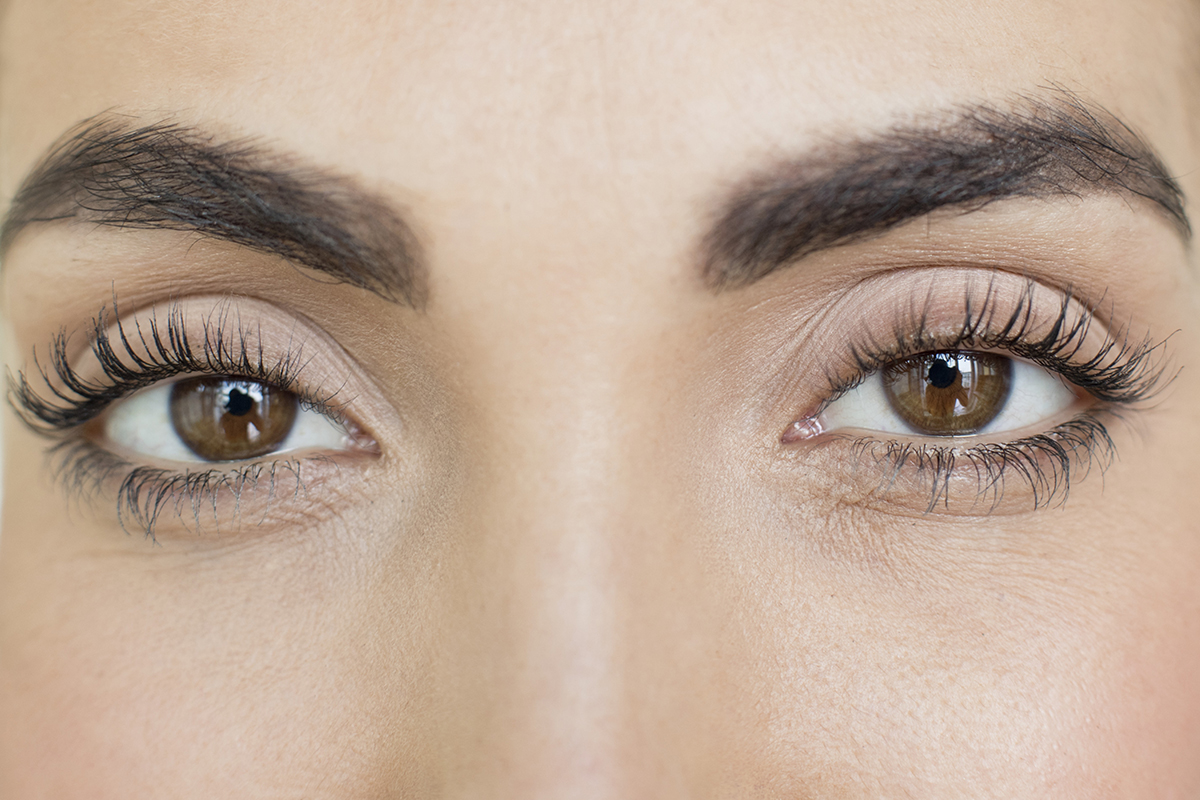
Lifting the lashes opens the eyes like nothing else. Curling alone makes you look more awake and then you can use a lengthening mascara rather than thickening (volumising formulas can clump and look heavy) for light, youthful fluttery lashes. Try a brown-black shade if pure black feels too intense.
Lipstick colour choice
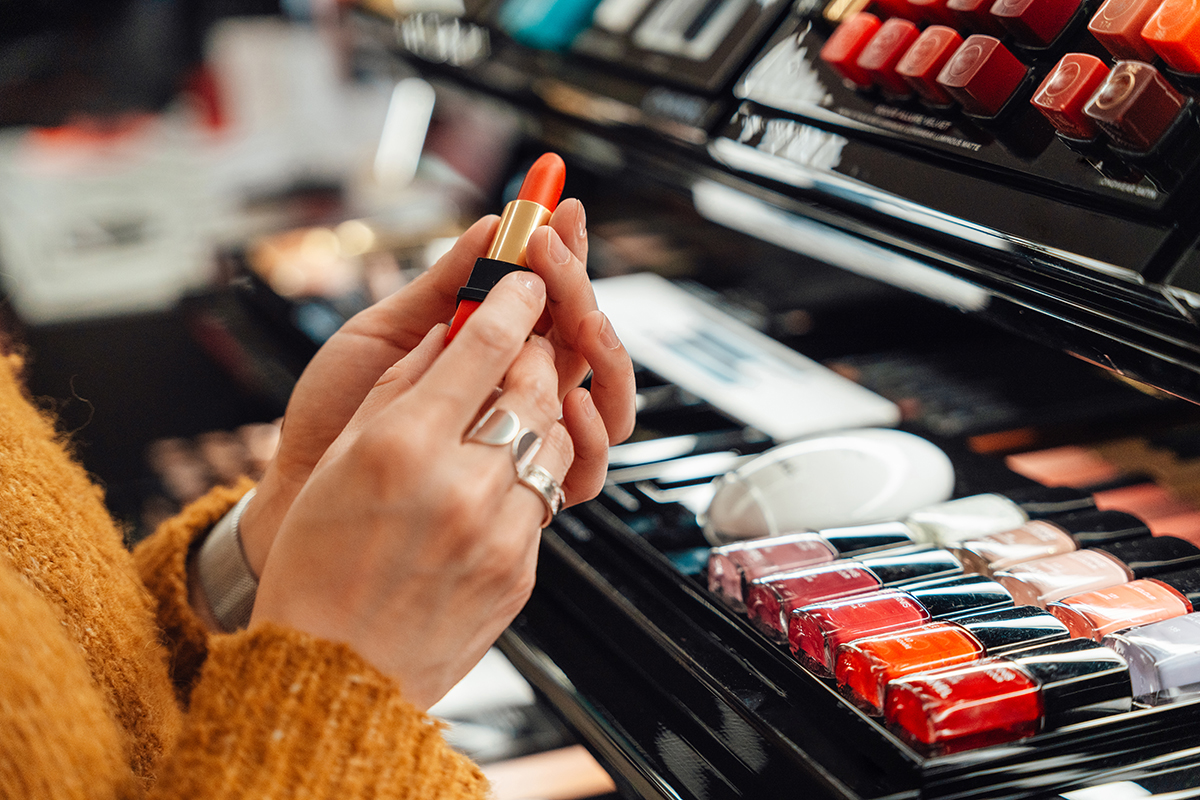
If you want a youthful lipstick colour, pick rosy‐pinks, berries, or warm peach tones in hydrating or satin formulas. Avoid drying mattes, pale taupe, and overly dark or frosty shades. Match to your skin’s undertone and remember to prep your lips with gentle exfoliation for smooth application.
Sun protection
You’ve heard it before, so why aren’t you doing it? No matter what the weather, you always need to protect yourself from damaging exposure to the sun that can cause a breakdown of collagen and elastin, which then accelerates wrinkles. Use a broad-spectrum SPF 30+ daily, without fail.
Read more:

