We’ve all been there – it’s late, and you’re tossing and turning because you can’t switch off. You’ve tried everything from counting sheep to listening to the sound of rain, but nothing has worked, so all you can do is let the hours tick by and ruminate over how shattered you'll be in the morning.
Hopefully, this is a once-in-a-blue-moon type of occasion, but for some of us, this scenario sounds all too familiar.
Or maybe it’s not falling asleep that’s the problem; it’s waking up several times in the night that's causing you to be constantly exhausted.
Whatever the situation, experiencing ongoing sleep difficulties is extremely frustrating.
More importantly, though, poor sleep has a detrimental effect on our health, as sleep is when the body repairs itself, and is essential to maintaining a strong immune system and keeping your brain functioning properly.
Luckily, there is something you can do – and the secret is all about what’s on your plate. Discover the food and drinks that help prep your body for sleep and unlock a more restful night’s kip today.
- Slept 8 hours but still tired? Expert explains the worrying reason why
- Ten everyday habits that help regenerate your liver
Almonds
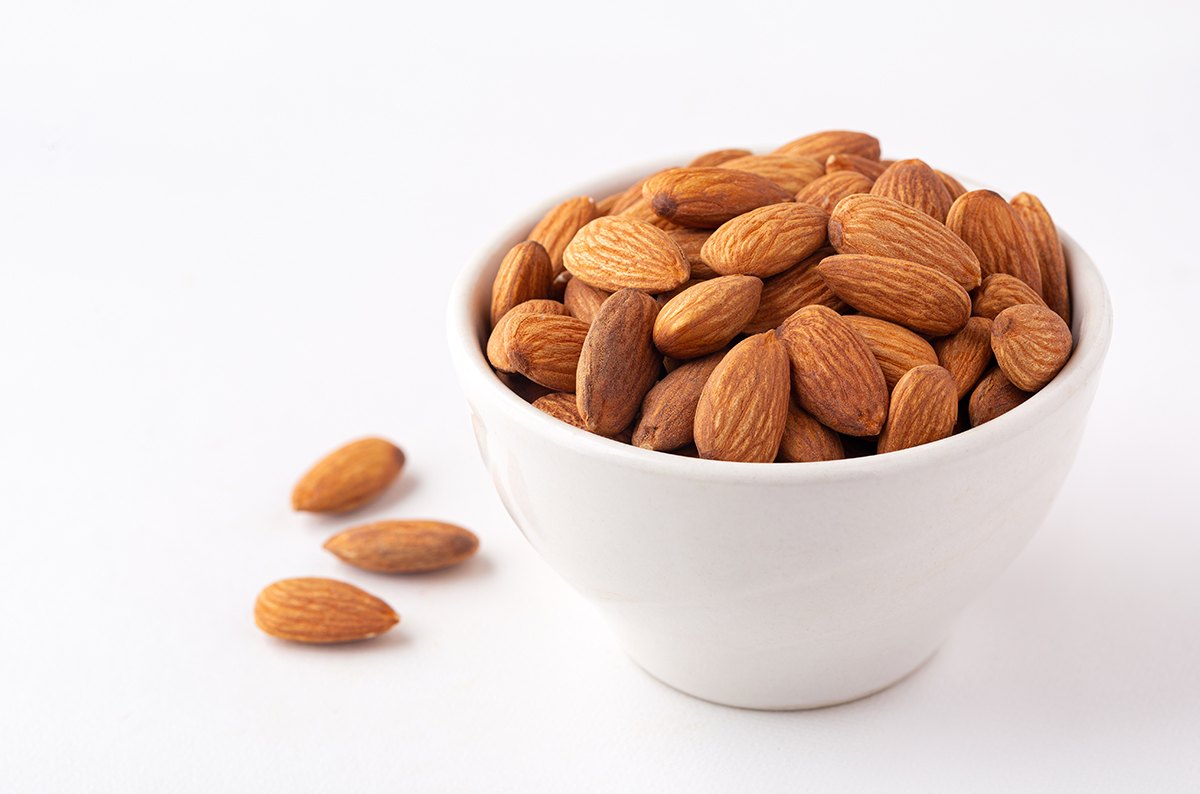
As a rich source of omega-3 and packed with protein, fibre and vitamin E, almonds are a great addition to your diet.
But one of their main benefits is that they’re high in magnesium, which can aid sleep, as it relaxes muscles, calms the nervous system, and lowers cortisol, helping you to unwind and promoting sleep.
Magnesium also supports the production of melatonin. Known as the “sleep hormone”, melatonin regulates the sleep-wake cycle, with the brain releasing melatonin to signal to the body that it’s time to sleep.
Plus, as almonds contain healthy fats and protein, they can help stabilise your blood sugar overnight, potentially preventing blood sugar dips that may disturb sleep.
American Behavioral Clinics recommends consuming about 23 almonds before bed to support sleep. This amount provides 25% of the daily manganese needed by men and 31% of the daily amount needed by women, and is essential for your metabolism, immune system, building bones.
Walnuts
Walnuts are another nut that can help promote sleep, because, like almonds, they contain magnesium.
Walnuts are a source of the essential amino acid tryptophan, which your body uses to create serotonin. Serotonin regulates sleep cycles and is converted to melatonin to promote sleep.
A study published in 2025 revealed that participants who received 40g of walnuts with dinner produced more melatonin, fell asleep more quickly, and experienced improved sleep quality compared to those who didn’t receive the daily serving, suggesting that walnuts do effectively improve sleep naturally.
Turkey
Turkey is another food that contains tryptophan, which increases the production of melatonin and causes drowsiness.
Although the post-Christmas dinner slump can't really be blamed solely on the turkey (it’s most likely to be a blood sugar crash after consuming a heavy-carb meal of potatoes, stuffing, and sugary desserts, or maybe the Christmas booze!), there is research to suggest that protein can help with sleep.
One study highlighted a link between a higher protein intake and a longer sleep time. On the other hand, participants who had a higher fat intake or a higher sodium-to-potassium ratio had a shorter sleep time and spent more time awake after initially falling asleep.
So, if you’re suffering from sleep difficulties, it’s worth cutting down on salt and saturated fat and eating more high-quality sources of protein, like turkey, to bring on sleep-promoting hormones.
Tart cherry juice
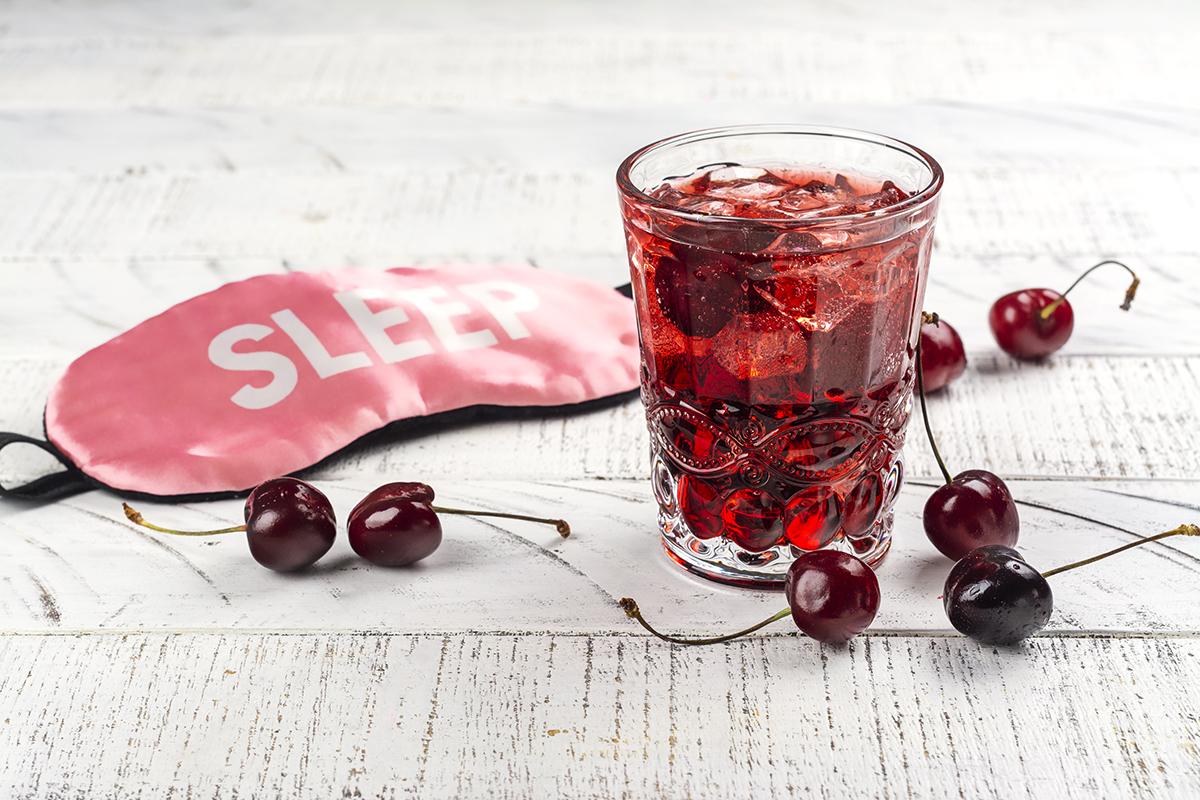
A trend that has gone viral on social media, particularly TikTok, in recent times is the "sleepy girl mocktail".
Made from magnesium, fizzy water, and the key ingredient, tart cherry juice, many TikTok users claim this drink improves sleep.
Although users are reporting on their own experiences, there is evidence to suggest that tart cherry juice might have beneficial effects when it comes to sleep, with a study showing that adults with insomnia experienced improved sleep (i.e. falling asleep quicker, not waking up in the night, and sleeping longer) than those who were given a placebo drink.
In addition to naturally occurring tryptophan and melatonin, tart cherry juice has anti-inflammatory properties and may help with chronic pain, conditions such as arthritis, and muscle soreness, which can interfere with a good night’s sleep.
It’s recommended to drink around 8 oz of tart cherry juice 1-2 hours before bed, and there are also tart cherry juice capsules available online for those who prefer this option.
Oily fish
Rich in omega-3s and vitamin D, oily fish is another food that naturally improves sleep by boosting serotonin production, which the body turns into melatonin.
One research study reported that people who consumed a larger amount of fatty fish experienced a better sleep quality than those who consumed less, and this even included participants who ate more than the recommended amount of oily fish.
Incorporate fatty fish such as salmon, mackerel, sardines, and tuna to unlock an improved quality of sleep and support your heart health, brain function, and reap the various skin benefits.
Cheese
We have all heard the old wives' tale that cheese before bedtime causes nightmares, but the truth might be the opposite.
High in tryptophan, cheese may actually help you sleep, with mozzarella, cheddar, and parmesan containing the greatest amount of this amino acid.
So next time someone cracks out the cheese board after dinner, you can feel reassured that you won't be destining yourself to a night of bad dreams, but instead helping your body prepare for sleep.
Milk
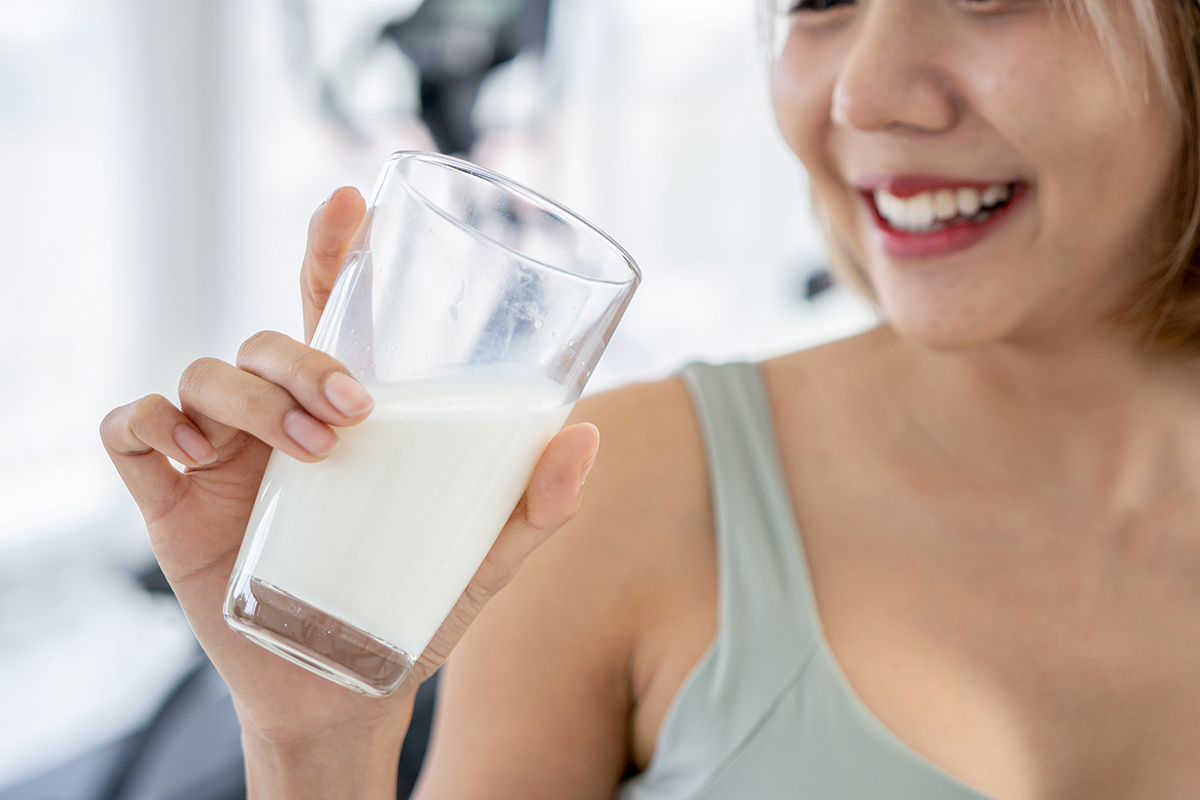
Milk is another dairy product that contains tryptophan and melatonin, making the age-old habit of having a glass of milk before bed potentially effective at helping you sleep better.
Warm milk also promotes feelings of relaxation, as the warmth is comforting, and the association we have with milk being a classic bedtime drink might help put us in the right headspace for sleep.
You can also add Ovaltine to hot milk to boost the sleep-inducing effects, as it’s rich in magnesium, which will help calm your nervous system and relax muscles.
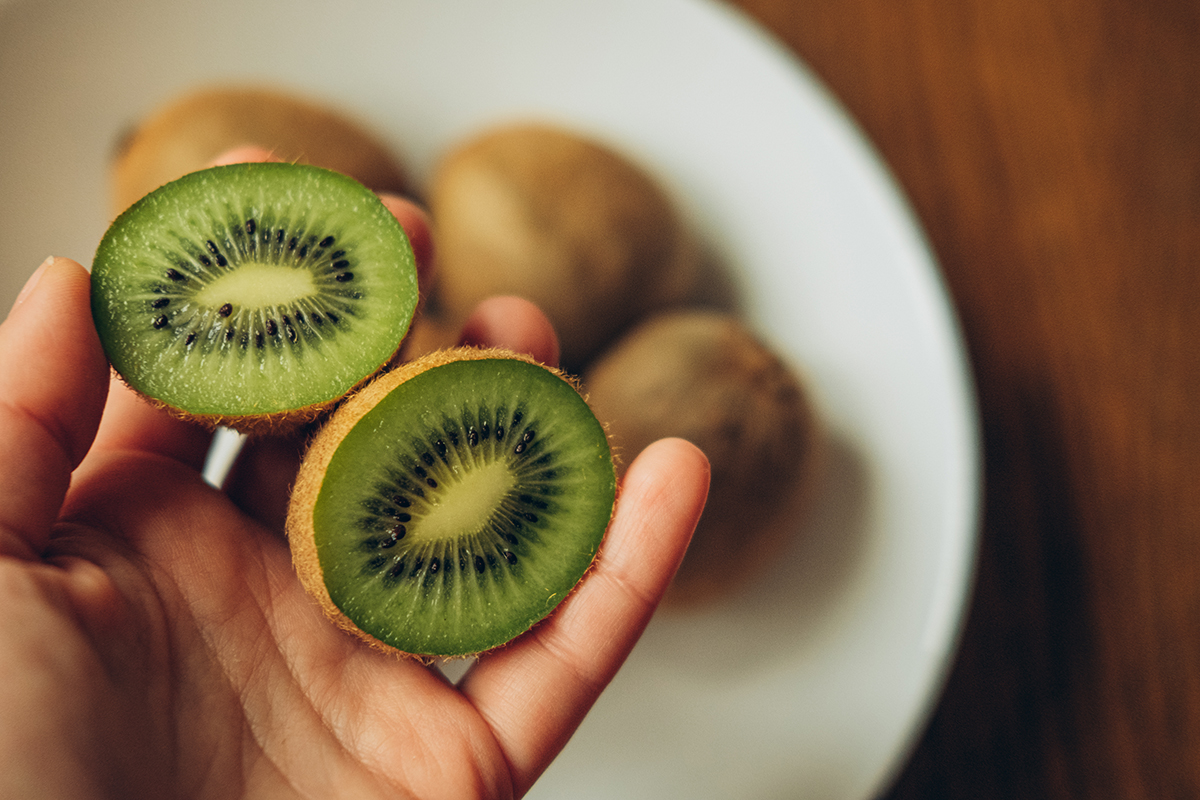
Kiwis
Kiwis are an excellent food to eat before bed because they contain serotonin and are an antioxidant, both of which have been linked to improved sleep quality. Additionally, antioxidants also reduce inflammation, which can affect sleep.
A 2023 study examining elite athletes found that athletes who consumed two kiwis an hour before bed slept longer and woke up less, and also demonstrated better recovery in terms of their body and stress levels.
Another earlier study (2011) revealed that kiwis appeared to help treat sleep disorders, with participants experiencing more efficient sleep, falling asleep more quickly, and sleeping longer after eating them.
If you like something sweet in the evening, kiwis are a far better option than foods with added sugar, such as confectionery, which may hurt sleep quality. Try eating two kiwis one hour before bed for the potential benefits
Oats
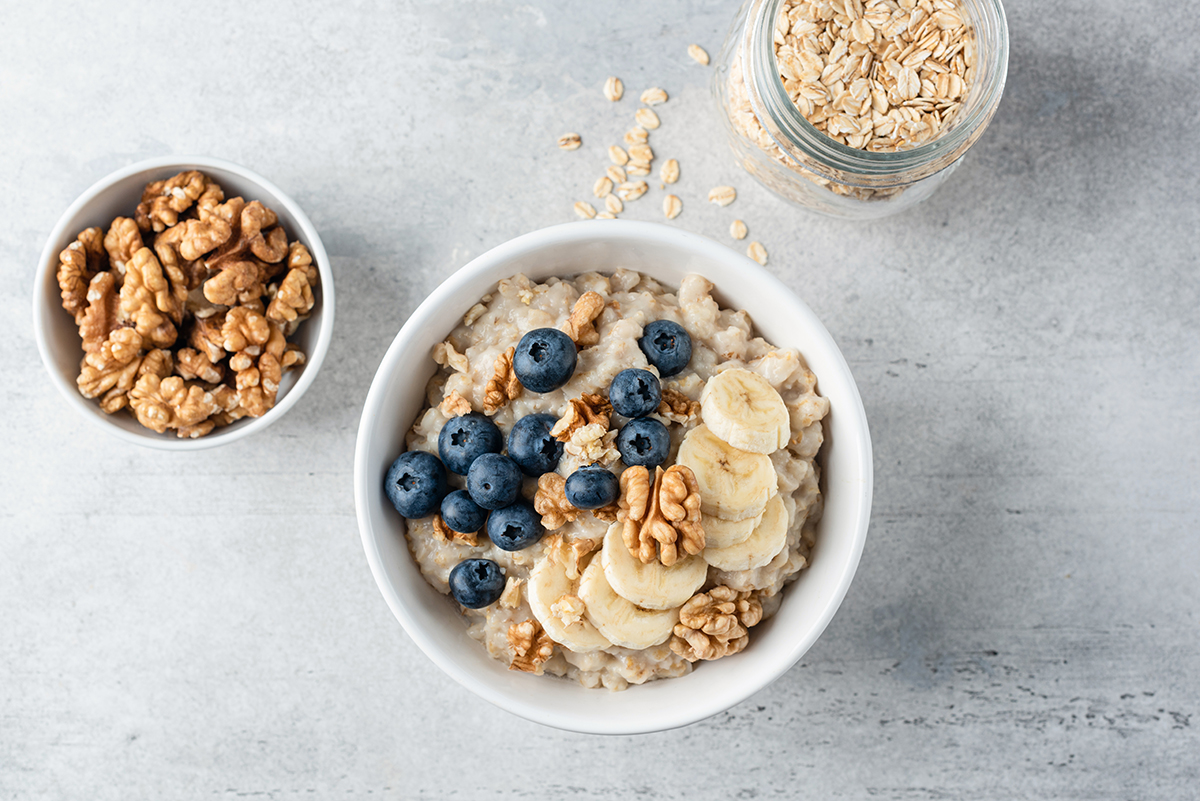
Most of us have enjoyed a hearty bowl of porridge to start the day, but have you ever had it at night?
Turns out oats aren’t just for breakfast – as a source of melatonin and magnesium, they’re the perfect food to have before bed (again, around one hour before you go to sleep is ideal).
Oats also contain a range of important micronutrients, including iron, zinc, and B vitamins. Plus, they're high in fibre, which will keep your blood sugar stable and you full throughout the night, as fibre takes longer to digest.
If you want to prepare your oats in advance to make them super convenient, try overnight oats, which can be kept in the fridge for up to five days.
Alternatively, if you like something warming to help you drift off, opt for porridge.
For either option, stick to a small portion that’s easy for your body to digest, and avoid adding sugary toppings such as honey or lots of dried fruit, which can cause blood sugar spikes.
Instead, keep it simple and stick to just milk, or add a couple of nuts, like walnuts or almonds, to maximise the sleep-promoting effects.
Bananas
Bananas are another food that many of us have for breakfast, but as they contain magnesium and tryptophan, they’re a great bedtime snack.
Bananas are rich in potassium, which is essential to your circadian rhythm, helps nerve signals work effectively, and supports muscle function – allowing them to contract and relax.
Because potassium helps your muscles relax, eating a banana before bed may help prevent uncomfortable muscle spasms during the night.
5 tricks for a better night’s sleep
While eating the right foods can help aid sleep, making sure you have a good nighttime routine is also important. Follow these rules to enjoy a more restful night’s sleep…
1. Stick to the same bedtime and wake-up time
It’s not always possible to go to sleep at the same time each night, and there’s nothing wrong with indulging in a good lie-in when you need it, but maintaining a consistent routine is key to good sleep hygiene.
This allows your body to know when to go to sleep and wake up, making you feel tired at night and more alert in the morning, and improving sleep quality.
2. Stop using screens an hour before bed
Minimising screen time before bed can help with sleep, as the blue light emitted prevents melatonin from being produced, making you feel awake.
Experts recommend turning your devices off an hour before you’re ready to sleep to give your body time to unwind.
3. Limit your consumption of caffeine and alcohol during the day
As caffeine is a stimulant and proven to reduce sleep quality, stop consuming caffeine roughly 8 hours before you go to sleep to help your body relax. If you enjoy a hot nighttime drink, opt for warm milk or a herbal tea, such as chamomile.
Alcohol also interferes with sleep. Though it may initially make you nod off, it decreases the amount of REM sleep you get and causes you to wake up more.
Avoid this by refraining from drinking 3-4 hours before bed, and stay hydrated by alternating alcoholic drinks with soft drinks.
4. Get outside in the daylight
Spending time outside in daylight, particularly in the morning, helps you get a better night's sleep by aligning your circadian rhythm with the 24 hours of the day.
The light signals to your body that it’s daytime, triggering your body to produce serotonin, and setting it up to convert the serotonin to melatonin in the evening.
5. Do a relaxing activity for bed
Although it’s tempting to spend hours scrolling on your phone before bed, this will stimulate your mind and make it harder to fall asleep. Instead, engage in a relaxing activity such as reading, gentle stretching, or deep breathing.
Read more: