
This is the most nutrient-dense food you can eat, says nutritionist
It’s the buzzword of the moment for food retailers, designed to catch the ear of the 2 million people in the UK allegedly religiously administering their regular GLP-1 injections and enjoying the effects of the pounds effortlessly falling off, all the while trying to make every mouthful of their tiny meals count, by making sure it is ‘nutrient dense’.
Medications such as Mounjaro have taken the world by storm, so it was about time food retailers sat up and took notice, and many have launched their own nutrient dense lines.
Chiefs at Marks & Spencer decided on the name Nutrient Dense to launch its, ahem, nutrient dense line of healthy, protein heavy meals and sandwiches aimed at GLP-1 users and those on low-calorie intakes, working in partnership with the British Nutrition Foundation.
While Morrisons supermarket has partnered with sports supplement brand Applied Nutrition to launch its Small and Balanced range, including portion-controlled ready meals like protein-packed noodles, breakfasts, wraps, and sandwiches.
Nutrient dense meals should be on everyone’s lips – quite literally. Using GLP-1, the type 2 diabetes medication-turned weight loss drug, creates a feeling of fullness and a lack of hunger, but even if you’re not hungry, the body still needs vital nutrients and energy to function properly. The buzzword means exactly that. If you’re not eating much, every single calorie needs to count.
- This fibre-rich ingredient can help you lose weight and improve gut health
- Struggling to sleep? These everyday foods and drinks are the answer
Protein intake
Marcelle Rose, Nutritionist & Author of The Binge Freedom Method explains that in theory, nutrient-dense foods should deliver more nutritional value from smaller amounts of food. That means more protein, fibre, and micronutrients (vitamins and minerals) for the calories they contain.
Weight-loss injections work by suppressing appetite and slowing down digestion, which means people on the medications will naturally feel less hungry, which carries a risk of nutrient deficiencies and malnourishment.
Marcelle says it’s more likely those people will miss key nutrients due to irregular meals and undereating, whilst not necessarily prioritising nutrient rich foods. Those on calorie-controlled diets run the same risks.
‘Nutrient-dense meal products can play a role in helping individuals meet their nutritional requirements and reduce the risks of deficiencies. Many people don’t have the time or energy to cook from scratch all the time and may lack motivation if they no longer feel hunger when on the medications, so having balanced easily available choices can be helpful to ensure some of their nutritional needs are met,’ she says.
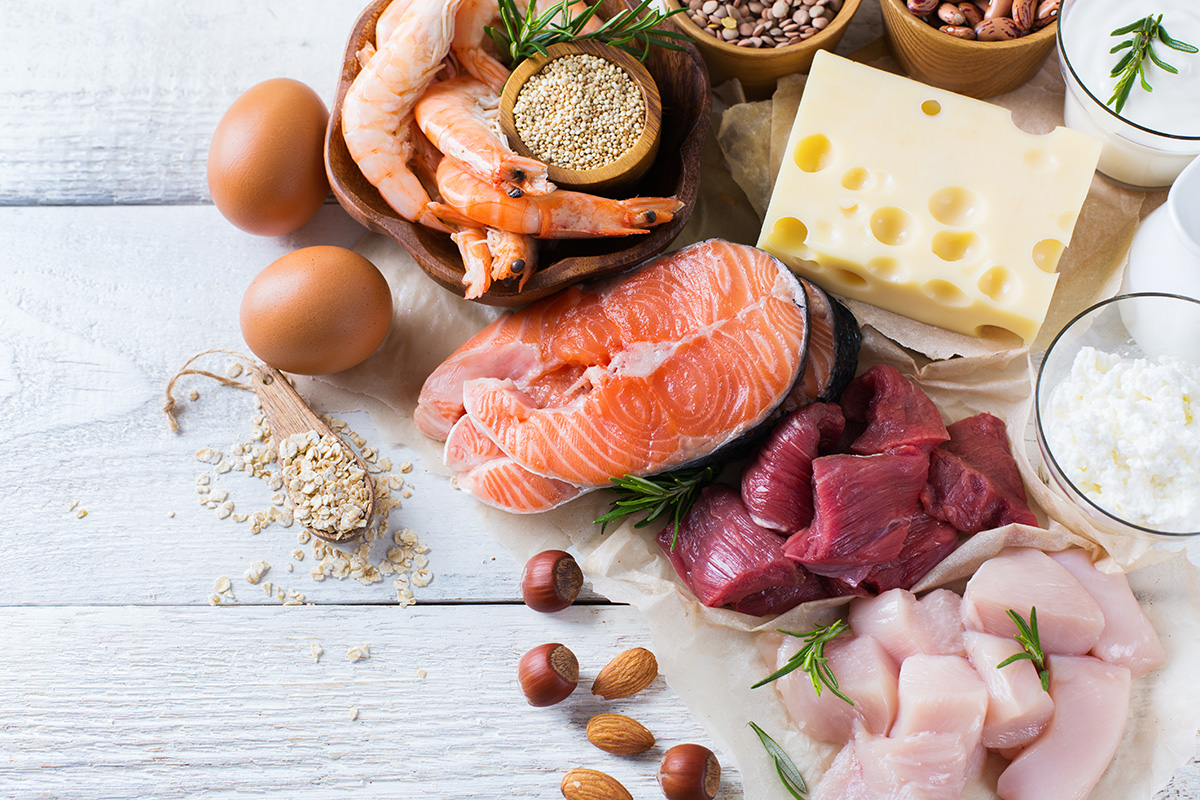
‘Protein intake is particularly important due to the effects of the weight loss drugs, where there is a higher risk of muscle mass loss which can also impact bone density. Protein is also made up of components called amino acids – some of which are essential, meaning that we can only get them from the food we eat. These amino acids play a fundamental role in our health; they are involved in almost every physiological process in the body including building and repairing organs, brain chemistry and hormone production.’
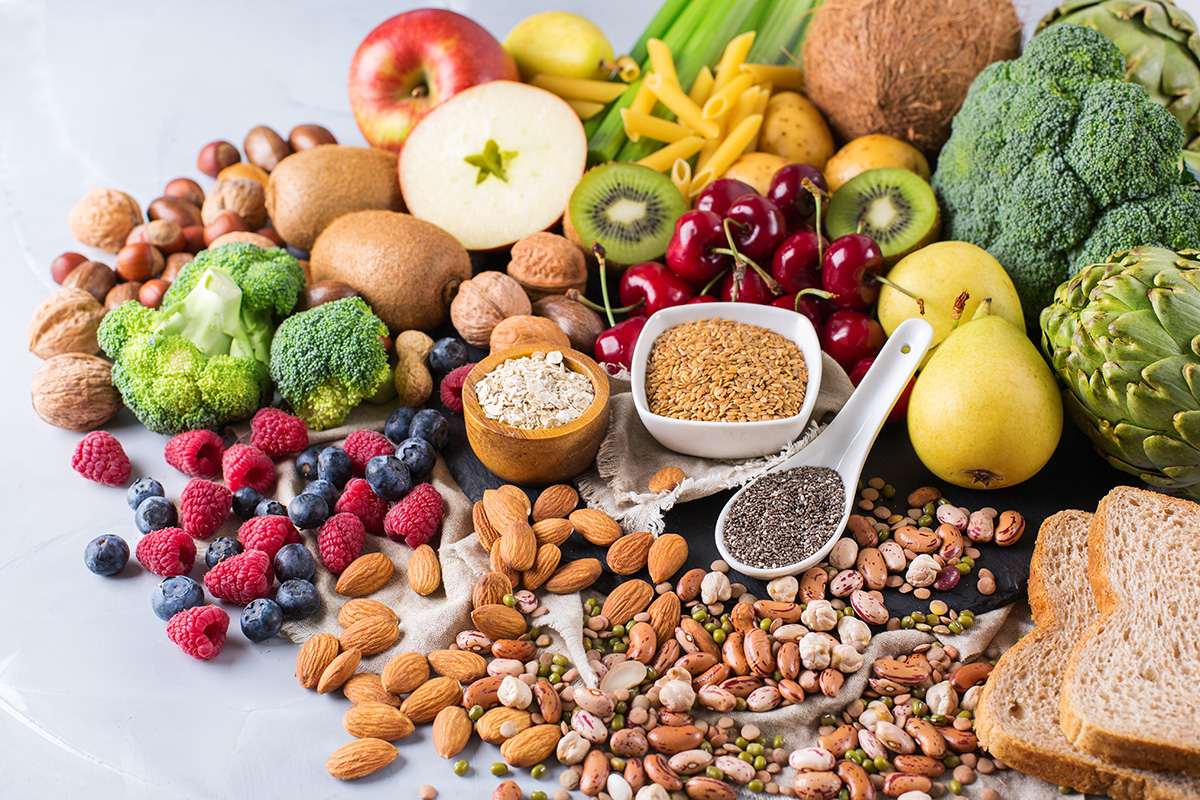
‘Getting enough fibre is also essential for everyone’s health but for those taking the weight loss medications, there is a higher risk of digestive problems as the medications work by slowing gastric emptying. Side effects can include constipation, diarrhoea, nausea and even stomach paralysis where the stomach muscles stop working at all.
‘Eating a variety of fibre-rich foods will help the digestive system work more effectively and feed the beneficial bacteria in the gut, which support overall digestive health. Interestingly fibre is one of the nutrients that helps to support the natural release of the very appetite hormones that these weight-loss medications mimic.
‘Common vitamins and minerals that may be insufficient in the diet for those taking weight-loss medications include iron, B vitamins, folate, vitamin D, calcium, magnesium, zinc, omega-3 fats, and electrolytes such as sodium and potassium, particularly if vomiting or diarrhoea occur. Eating a wide variety of foods- including vegetables, fruit, whole grains, nuts, seeds, dairy, and protein sources such as eggs, legumes, meat, and fish- can help ensure these nutrients are adequately supplied.
‘Talk of weight-loss medications is everywhere in the media, and huge numbers of people are now accessing them privately. Retailers have jumped on the ‘nutrient dense’ trend, in the weight-loss jab era. But without clear regulation on what this actually means, there’s a risk it becomes more about marketing than genuine nutritional benefit.’
But that doesn’t mean having breakfast, lunch and dinner, or any small meals in between from the shelves of the supermarket. After all, we wouldn’t rely solely on ready meals to feed ourselves, whether dieting or otherwise.

Raw ingredients
Marcelle says: ‘In an ideal world, most of our food would come from cooking with raw ingredients. The moment food is even lightly processed the nutrient content begins to decline. For example, vegetables that have been peeled, chopped and exposed to light and oxygen will already have lost some of their vitamin content before they’re eaten.
‘Even a relatively high-quality ready meal, like a supermarket chicken and salad-style dish, will be made from ingredients that have been prepared in advance. That doesn’t make it unhealthy, but it does mean it won’t match the nutritional value of the same meal cooked fresh at home.
‘Some of these new ‘nutrient dense’ ranges are genuinely designed around high-protein foods, fibre-rich vegetables, wholegrains and seeds. Others are essentially just smaller portions of standard meals, packaged and marketed as ‘nutrient dense’ without much change in ingredient quality. Two meals with the same calories can have very different protein, fibre and micronutrient content depending on the ingredients used and issues may arise with an over-reliance on pre-packed meals. Ideally, these products would be part of the diet alongside freshly prepared meals rather than replace them.’
So, what kinds of nutrient dense foods should we be consuming?
Nutritional value
Fat loss and women’s health coach Robyn Drummond recommends including these foods in your diet for maximum nutritional value.
Salmon
Salmon is a brilliant protein source and one of the most nutrient dense foods you can include regularly. It contains omega 3 fatty acids, protein and vitamin D.
Omega-3’s are anti-inflammatory fats that support brain function, heart health, eye health and skin elasticity. They also play a role in mood regulation and cognitive function, which is especially important during high-stress periods.
So many people in the UK will be Vitamin D deficient and it's a deficiency that can make us feel horrendous, low in energy and fatigued so ensuring we get plenty of foods with Vitamin D all year round is so important.

Dark chocolate
Who doesn’t love a bit of chocolate? And yes, it actually contains nutrients. Dark chocolate (70%+ cocoa) provides magnesium and antioxidants.
Magnesium supports heart health, muscle relaxation and sleep quality, while antioxidants help protect our cells from damage. A reminder that enjoying food and supporting health don’t have to cancel each other out and you can live a healthy life and include chocolate in that. It's all about balance.
Eggs
Eggs are often underestimated, but they’re one of the most complete foods available. They contain high quality protein, B vitamins, vitamin A and choline.
Choline is essential for brain health and hormone function, while the protein content supports muscle maintenance, recovery and managing appetite throughout the day.
Eggs are also an inexpensive food to buy for extra protein and a great way to start the morning.
Blueberries
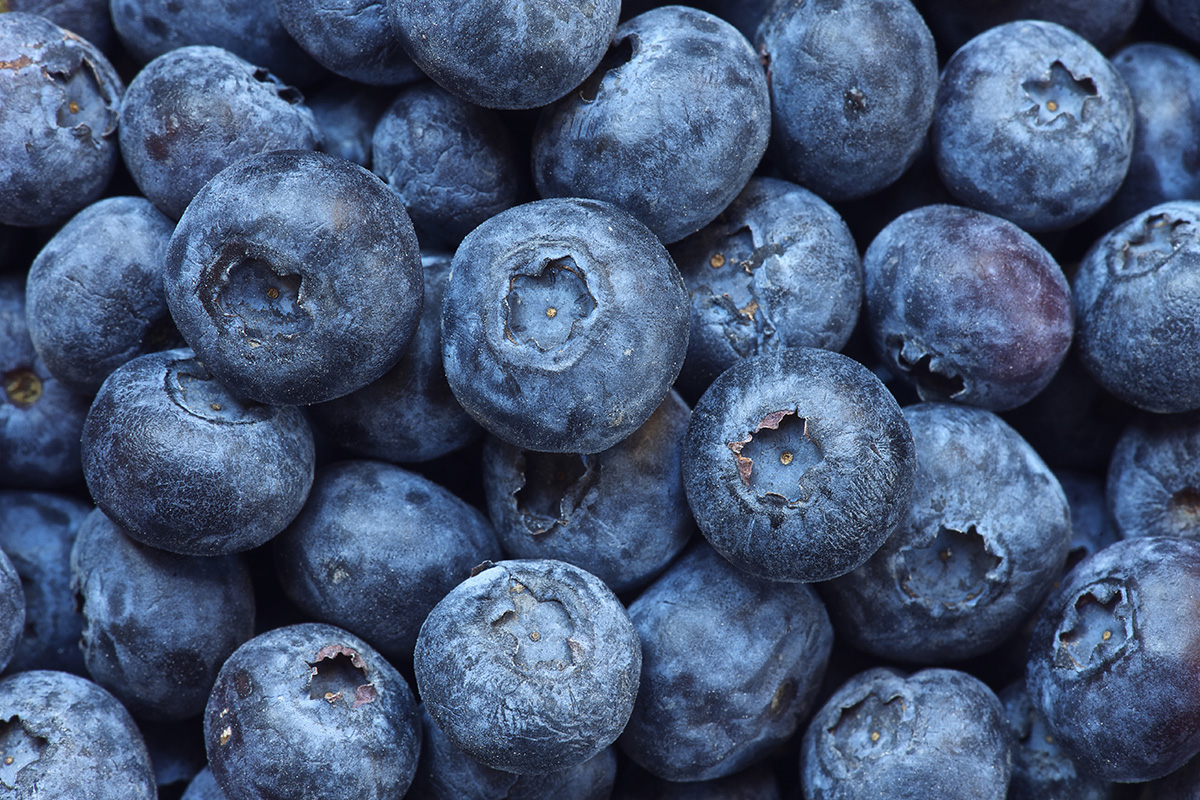
Blueberries may be small, but they are packed with nutrients. They’re rich in antioxidants, vitamin C and plant compounds linked to brain health.
These antioxidants help reduce inflammation and oxidative stress, which are linked to ageing and chronic disease. Regular intake has also been associated with improved memory and focus.
Avocado
Avocados are rich in monounsaturated fats, fibre and potassium, all essential for long term health.
The healthy fats support hormone production and heart health, while fibre helps regulate digestion and blood sugar levels. This combination makes avocados particularly useful for sustained energy and fullness.
Because of their high calorific content, just be mindful of the serving size of this fantastic food.
Spinach
Spinach is loaded with iron, magnesium, folate and vitamin K, all of which support day to day energy and overall function.
Iron helps transport oxygen around the body, while magnesium supports muscle and nerve function. Including leafy greens regularly can make a noticeable difference to fatigue and recovery.
Many people can be deficient in folate (B9) so adding some into your meals can be great (even if it does disappear quickly).
Greek yoghurt (or a high protein dairy free alternative)
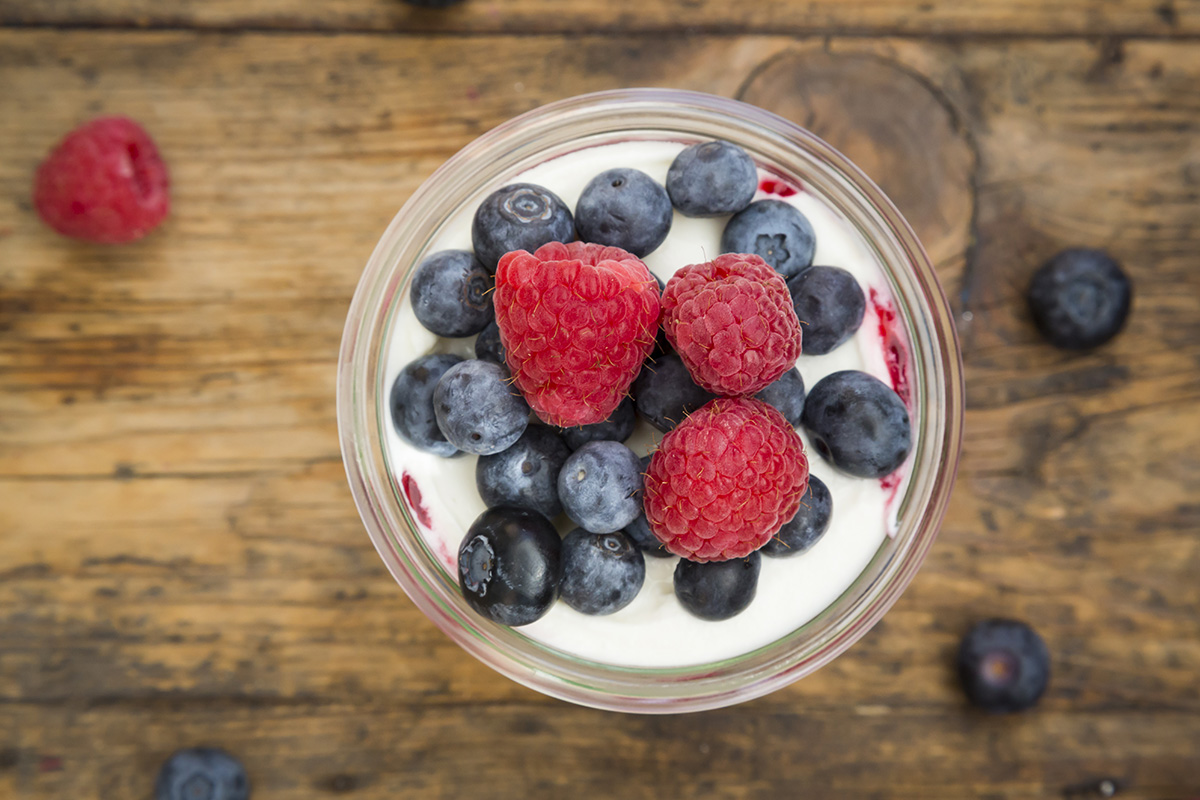
Greek yoghurt provides a combination of protein, calcium and gut friendly bacteria.
Protein supports muscle repair and satiety, while probiotics contribute to gut health which plays a key role in immunity, digestion and even mental wellbeing.
A great suggestion for breakfast along with fruit (or even those blueberries)
Oats
Oats are a slow releasing carbohydrate rich in soluble fibre and B vitamins.
They help support digestion, lower cholesterol and keep blood sugar levels steady. This makes them an excellent choice for breakfast or pre-exercise fuel.
Oats are an inexpensive food choice BUT be mindful of the prepacked ones as they do come with sneaky added sugars.
Extra virgin olive oil
Extra virgin olive oil is rich in monounsaturated fats and protective antioxidants called polyphenols.
These compounds help reduce inflammation and support heart and brain health. Used regularly, olive oil is strongly linked with improved long-term health and longevity. A nice drizzle on a tasty salad.

Sweet potatoes
Sweet potatoes provide fibre, vitamin C, potassium and beta carotene.
They support immune function, gut health and skin health, while also providing steady energy. A great example of how carbohydrates can absolutely support health when chosen well.
Simply cut into chips and pop in the oven or air fryer for a great carbohydrate source for your lunch or dinner.
Nuts & seeds
Nuts and seeds contain healthy fats, plant-based protein, fibre and minerals such as magnesium, zinc and selenium.
They support heart health, hormone balance and brain function; while also helping keep you satisfied between meals when portions are appropriate. Just be mindful of your portion sizes with nuts as they can be super easy to consume lots of but in moderation, they are a great source of fats.
Lentils
Lentils are a nutrient rich plant food providing protein, fibre and iron.
They support gut health, blood sugar regulation and sustained energy levels, making them a great addition to balanced meals especially when paired with other protein sources.

Read more:
