
If you’re trying to avoid the high sugar or saturated fat content hidden in some cold drinks, matcha might be your perfect go-to order next time you’re at a café.
Not only does it provide a refreshing, earthy flavour to add a fresh start to your day, but it’s packed with hidden advantages to your physical health.
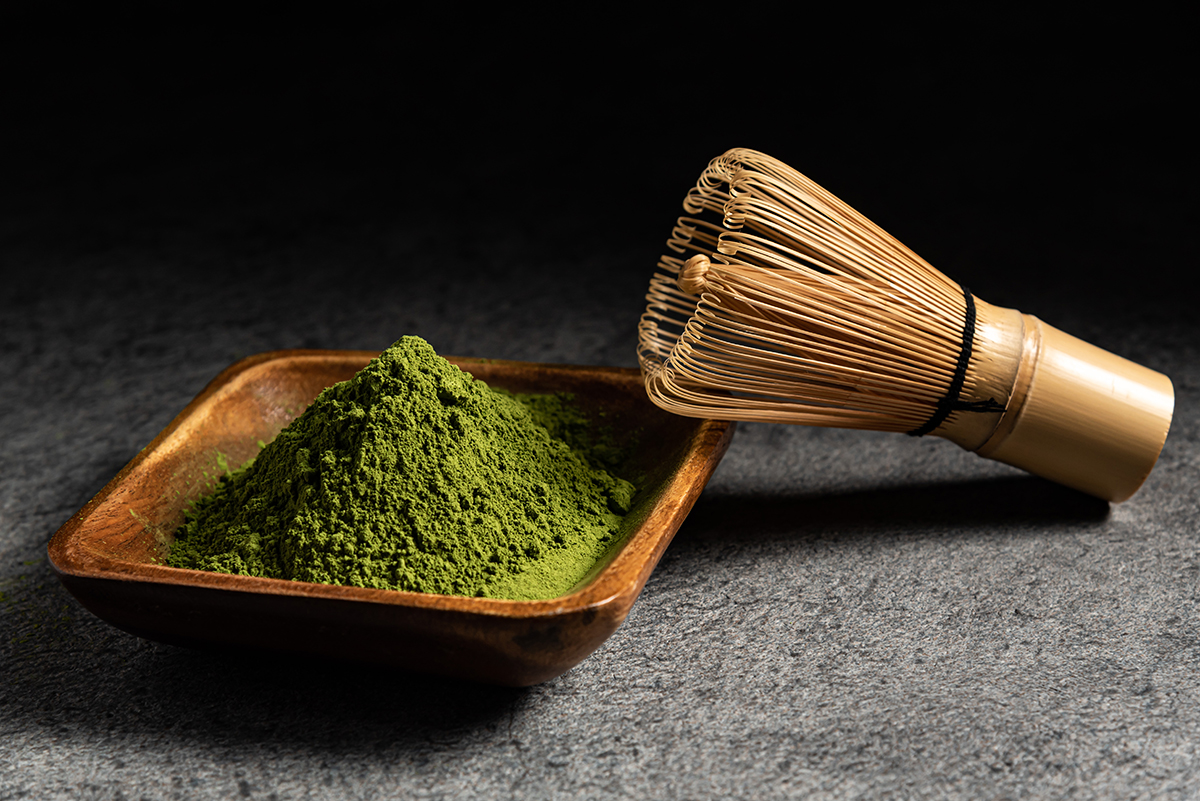
Matcha is a bright green drink made from green tea leaves from the plant Camellia sinensis. As matcha is grown in the shade beneath bamboo mats, this causes the leaves to develop more chloroplasts in an attempt to absorb more sunlight.
This higher chlorophyll content is what causes the earthier taste and brighter green colour of the drink compared to other green tea brews.
As matcha is turned into a powder, it also means you consume the entire leaf, whereas in a black or green tea, these leaves would be used for steeping and then removed.
- These everyday foods are causing your belly fat. Here's what to do about it
- Slept 8 hours but still tired? Expert explains the worrying reason why
As a drink, it’s traditionally prepared and drunk during chanoyu, a spiritual tea ceremony performed in Japan by people who train for years to perfect the art of pouring tea.
During the ceremonies, held in intimate tea rooms, people drink matcha to help them relax and detach from the mundane world.
The ceremonies were introduced to Japan in 815 after monk Eichu visited China and was inspired by the country’s use of tea leaves, leading him to host a personal tea ceremony for Emperor Saga.
By the 16th century, it had become an activity for elite warriors and rulers to connect and signpost their social ties to each other.
Today, you can still experience a traditional tea ceremony across the world, but you may be more likely to see matcha cropping up in cafés as a refreshing alternative to highly caffeinated coffees.
Here are six reasons you should start drinking matcha:
1. Your cognitive function is boosted
You may have seen matcha branded as a ‘brain food’ that helps boost your brain activity, and while there’s still a lot we don’t know about how the drink impacts our central nervous system, there is some positive news.
In one research study, people who drank matcha tea were analysed in their ability to deal with acute psychological stress. It was found that those drinking matcha, in comparison to a placebo group, had a significant reduction in their reaction time, indicating enhanced cognitive performance caused by the drink.
More research still needs to be done for us to truly understand how matcha impacts the health of our brains and cognitive performance.
A vast amount of research testing the impacts of matcha on brain activity has highlighted the positive correlation between drinking the tea and our cognitive function.
However, some of these tests have been using rodents as research participants, as there are still a lot of benefits to matcha that researchers are still discovering.
2. Drinking matcha is a stress-relief activity
When Zen Buddhists first started drinking matcha, it was because of the meditative properties they thought it caused to those who drank it, helping them to live longer.
Before meditating in the afternoons, monks would drink matcha to align their focus and make them feel calmer.
Centuries later, scientific research has highlighted that drinking matcha does reduce stress and encourages us to be calmer.
Not only does it help us deal with acute psychological stress, but with the right balance of caffeine, it keeps us driven and on track to achieve our goals.
3. Matcha is packed with antioxidants
Inside matcha leaves are a variety of natural antioxidants called polyphenols that support our bodies, with these accounting for 30% of the dried weight of the powdered tea.
Catechins are the plant-based compounds found in matcha leaves, causing antioxidant effects in the body.
Antioxidants help to lower your stress levels, supporting your blood pressure in the process by fighting off the ‘free radicals’ in our bodies which cause us harm when they build up in large numbers.
Consuming more antioxidants can reduce the damage this may cause to our cells, with research indicating that catechins also help to reduce inflammation and fight against chronic illnesses.
Matcha is also a great source of vitamin C, helping to boost our immune systems and defend ourselves against illnesses. Partnered with its high volume of antioxidants, your drink is helping you to feel good from the inside out.
4. It has more caffeine than your regular coffee, but without the crash out
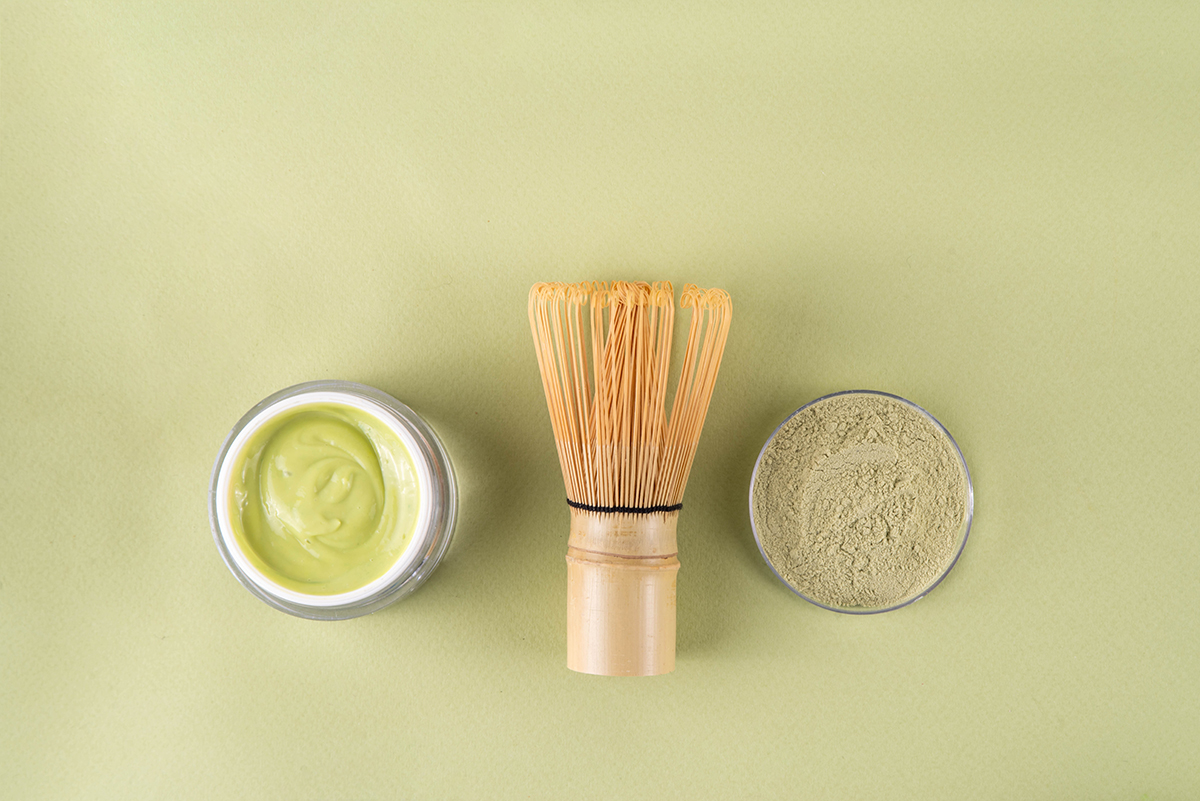
Don’t be deceived by the amount of milk that can be added to this drink; it still packs a punch with its high caffeine content.
Unlike coffee, where you may experience an energy surge followed by a crash, matcha will keep you on a more gradual energy burst.
That’s because the caffeine found in black and green teas is balanced by two compounds found in matcha, known as L-theanine and epigallocatechin gallate (EGCG). L-theanine and EGCG help to reduce anxious spikes in our stress levels, keeping us at a sustained focus.
In your average cup of green tea, you can expect to consume 19-44mg of caffeine. In a cup of matcha, for a 2g serving of the powder, you can expect to consume 38-88mg of caffeine.
5. Your skin will reap the benefits
One type of antioxidant that matcha is packed with is polyphenols. Polyphenols are a great source of vitamin E that contribute to a nutritious diet filled with the micronutrients we need to live a healthy lifestyle.
Vitamin E helps to retain the moisture in your skin, rather than making your skin dry out because of harsh sunlight or strong, cold winds. Keeping our skin barrier locked with moisture boosts its elasticity and leaves it looking and feeling healthier.
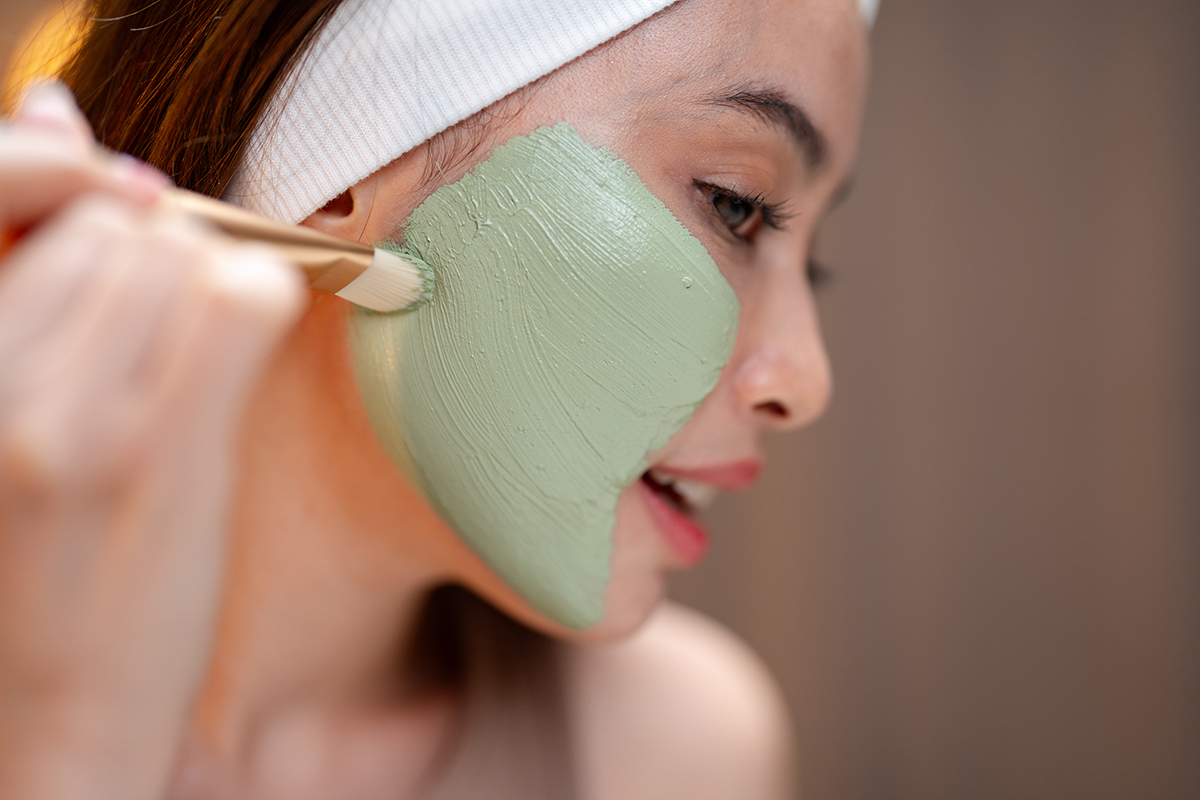
It’s why you may have seen matcha appearing in facemasks and serums of your favourite beauty products, helping to extract the natural source and help it target your skin.
Even when you’re not drinking matcha, it’s still helping to add a glow to your day.
6. Matcha may even help you lose weight
In 2020, a research study tested the effects of green tea on the weight of different people. It found that people in the study who consumed green tea had the effects of weight loss enhanced alongside physical exercise and eating a healthy diet.
Drinking the tea on its own won’t magically make you lose weight overnight. However, if you’re pushing yourself at the gym and making healthy swaps on your dinner plate, matcha might just help you along on your fitness journey.
Not a matcha made in heaven?
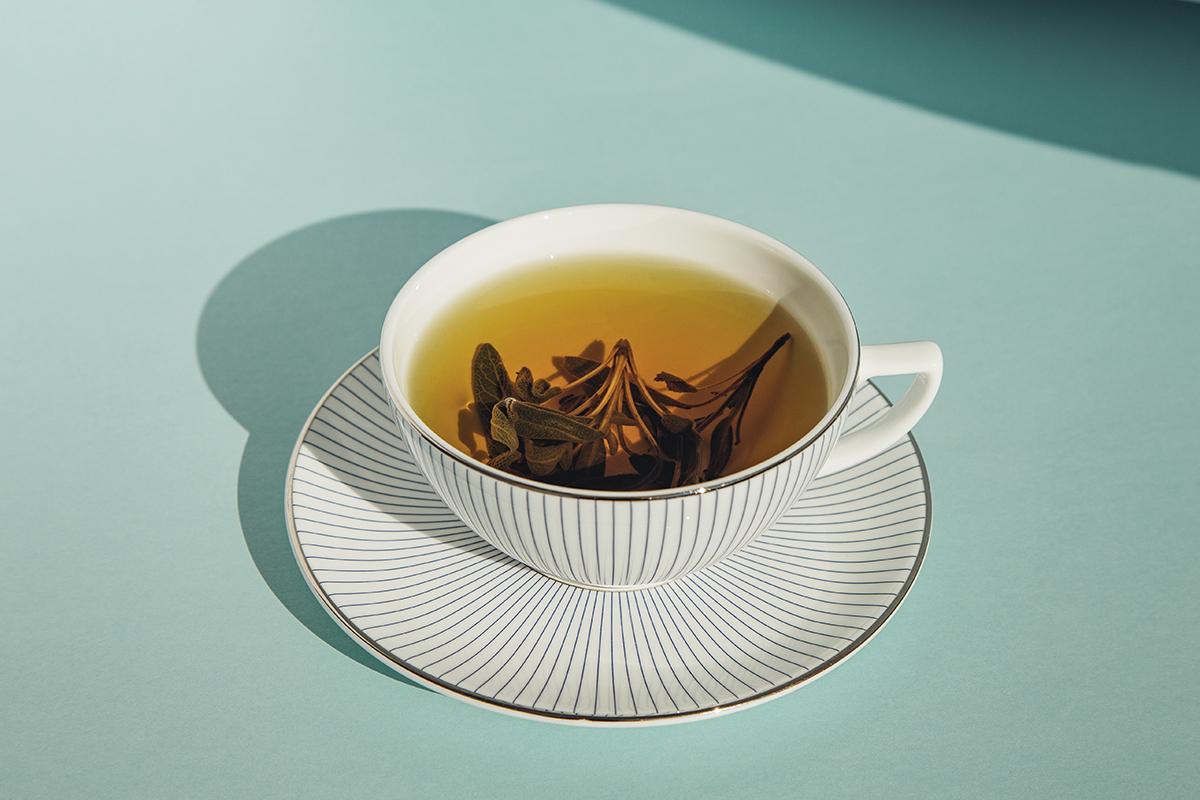
Don’t worry. Drinking matcha can be an acquired taste because of its earthy, distinctive flavour, making it different to other drinks. Tea can be a nourishing and refreshing drink to keep you hydrated, without some of the less desirable side effects that high-caffeine coffees can offer.
If matcha isn’t for you, why not try:
Sencha – Famous as one of the most popular green tea blends drunk in Japan, this lower caffeine alternative doesn’t skimp out on flavour. Sencha is refreshing but not bitter, with a light sweetness found in every sip.
Yuzu – Yuzu is a citrus fruit widely used throughout Japan, not just in tea. It looks similar to a lemon, and this brew combines orange, grapefruit and lemon flavours in one cup.
Hojicha – Keeping the earthy notes of matcha, but without the caffeine punch, hojicha doesn’t skimp on the comfort you would expect from your favourite brew. This reddish coloured blend is warming and lightly toasted, making it a great afternoon treat to indulge in.
Amazake – This fermented tea enhances digestion and supports your gut biome in one sweet beverage. By incorporating fermented rice into the tea, you’re left with a creamy beverage that is sometimes even served with alcohol.
Read more:
