
‘Always drink red wine at room temperature’ has been the famous, sommelier-approved tip that wine drinkers have followed for years.
But it may be time to throw out the rulebook. Experts are now sharing that a chilled red wine should be chosen over a room temperature bottle.
Room temperature red wine can make you feel warm and relaxed, and the fruity flavour profile can often leave a delicious aftertaste that lasts all evening.
But do you want that lingering taste to be underwhelming? Storing your wine at the wrong temperature may have that effect.
That’s because household temperatures are higher than they once were. Advice for keeping wine at room temperature assumed that homes were kept at 16-18°C, but some households now reach temperatures of 22°C.
Whether you use air conditioning, central heating or enjoy your home as it is, predicting the temperature can be difficult. And so our trusty wine rule might not be quite so trusty anymore...
- 12 cocktail cans you need to try this weekend
- Blue matcha is the prettiest drink trend yet – and it even changes colour
What difference does it make?
Different red wines have different recommended temperatures.
A light-bodied wine, like Pinot Noir, will be best served at 10-12°C. A medium-bodied wine, like Merlot, is best served at 13-15°C. A full-bodied wine, like a Malbec, is best served at 16-18°C.
Typically, a lighter wine will have more acid and lower tannins, making a colder temperature enhance the refreshing acidity and fruit flavours of the bottle.
For a full-bodied red wine, there are higher tannins and less acid, which can make the flavour taste harsh if chilled too heavily.
It’s not a new trend. In fact, the ancient Greeks and Romans would store red wine in cool, chilled cellars.
Are there any benefits to a chilled glass?
Drinking wine at the temperature it was intended to be drunk can enhance the tasting experience that each glass offers.
It can mean the tasting notes in each sip are exactly what the vineyard hoped you would experience.
Red wine also has more health benefits than you may realise. In a study from supplement company ZOE, it was found that people who drink red wine have a more diverse gut biome, helping the breakdown of food in your immune system.
Research is also being done to investigate the high presence of polyphenols in red wine.
Polyphenols are antioxidants, and the polyphenol resveratrol, that’s found in red wine, has properties that may help to reduce the growth of cancer cells.
We’re not saying that a glass of Rioja will help to deter cancer in your body, but it’s interesting to know that the benefits of red wine are being investigated by scientists each day.
Can you chill all red wine?
Different blends of red wine require different temperatures.
To chill your red wine, you can leave it in the fridge to cool gradually, as you would with a bottle of rosé or white wine.
Leave it in the fridge the night before you intend to drink it and then enjoy over dinner or with a food pairing.
If you’re working under time pressure, you can still chill your wine before your guests arrive.
Wrap your wine bottle in a damp tea towel and leave the bottle in the freezer for 10-15 minutes. Take it out and enjoy before it gets too cold.
Don’t let stains surprise you
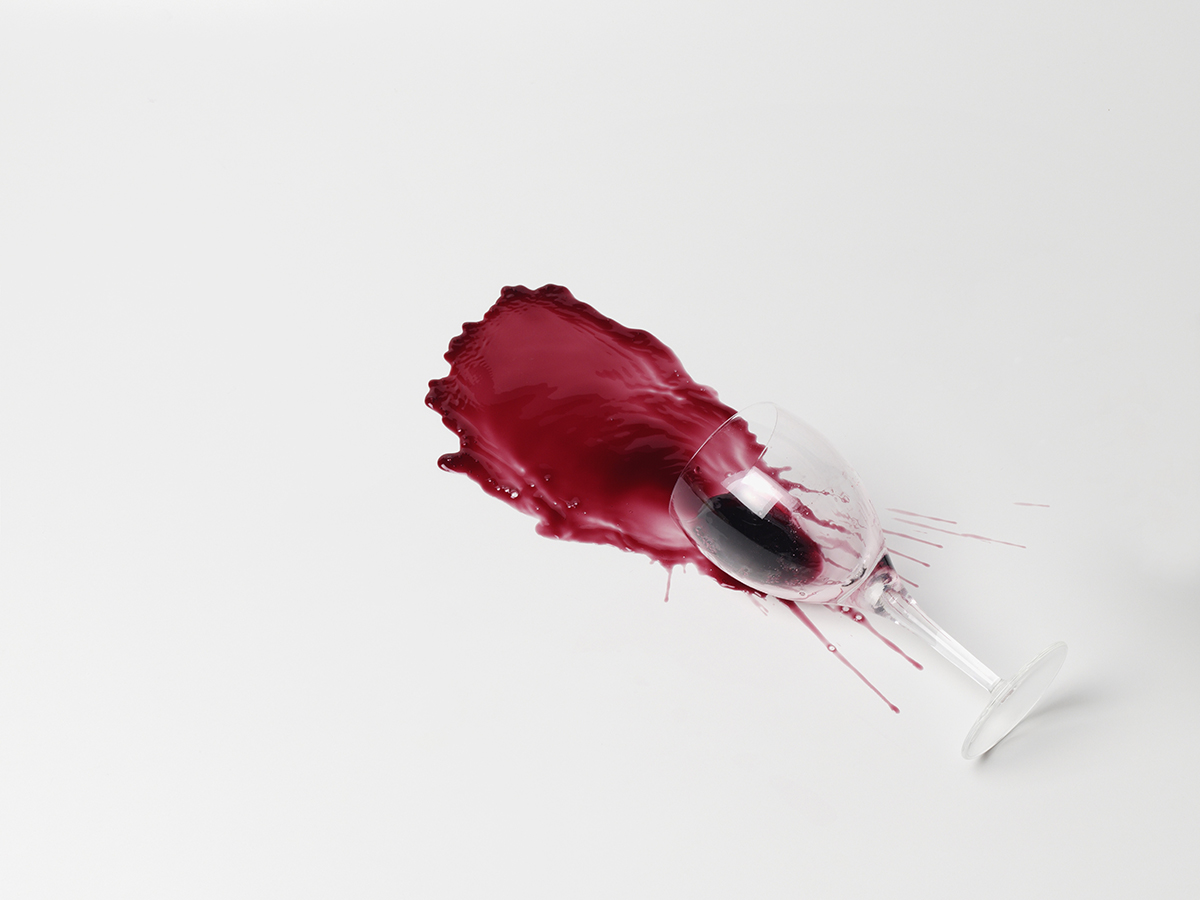
A great glass of red wine is meant to be enjoyed – not spilled down your white clothes or making your furniture look like a Pollock painting.
When you know how to treat a stain, acting quickly can help to tackle the problem and achieve greater results.
If you spill red wine, think:
Gentle – Blot, don’t scrub. Rough pressure on a fresh stain can spread the mark and make it worse. Blotting with a clean cloth can help to soak up excess residue.
Apply – Administer a stain remover product onto your furniture and leave it to work for the recommended time on the packaging. Always follow the safety instructions of the product you’re using.
Read more:
