Blue matcha is the prettiest drink trend yet – and it even changes colour
Matcha has completely exploded in popularity over the last few years, taking the beverage industry by storm. With a smaller dose of caffeine that's slow-release – promising not to cause a crash a few hours later – and packed with antioxidants, it's easy to see why so many people are switching out their morning coffee for matcha instead.
New twists on this viral earthy drink are constantly being released. Deliciously sweet syrups and different milks enable you to customise it to your taste, while the signature green colour makes matcha extremely Instagrammable, and the perfect final accessory to your athleisure fit.
Matcha is so popular that it's even worked its way into our homes, with its zingy, jade shade adding a pop of colour to any room via matcha-coloured blinds, rugs and cushions. It's now one of the hottest interior trends around.
But while traditional matcha may feel untouchable, a new drink is giving it a run for its money in both incredible health benefits and aesthetic appeal.
Read on to discover how blue matcha is changing the drinks game – and why it's becoming so many people's new go-to order.
- 12 cocktail cans you need to try this weekend
- Does apple cider vinegar really help with weight loss? The viral health trends that work and which to ignore
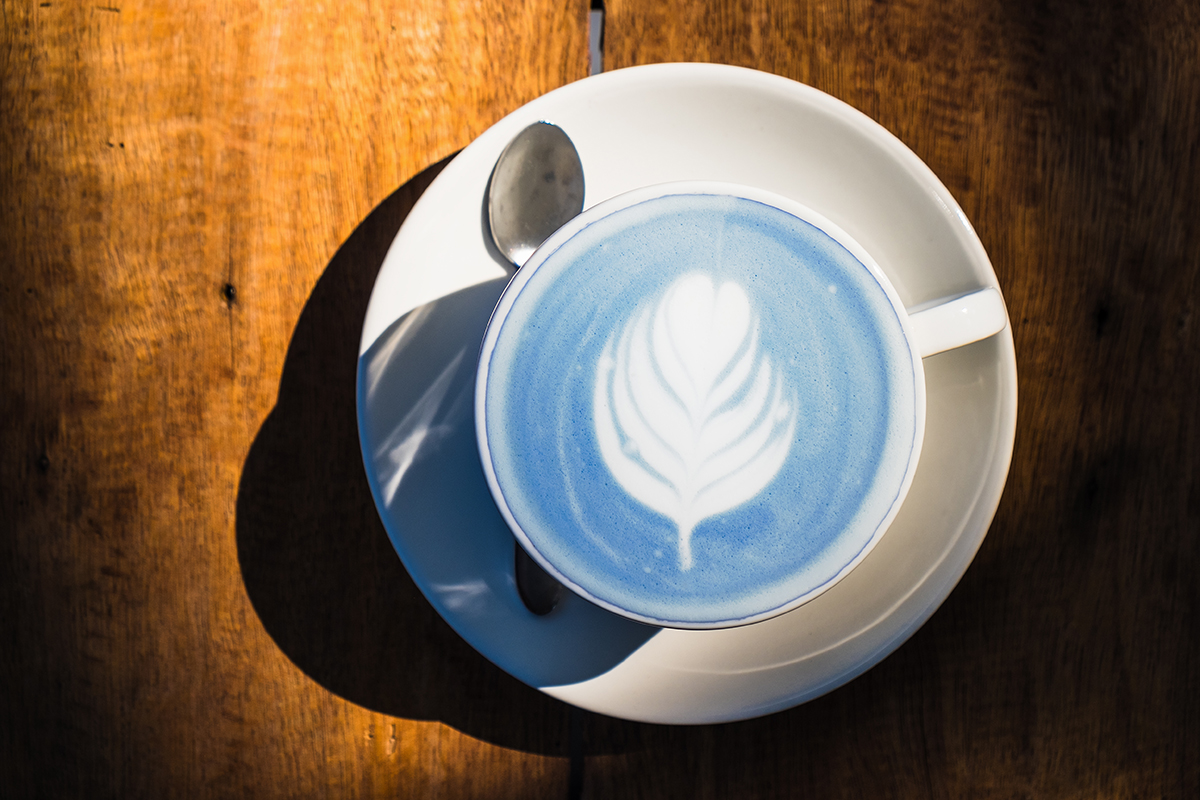
What is blue matcha?
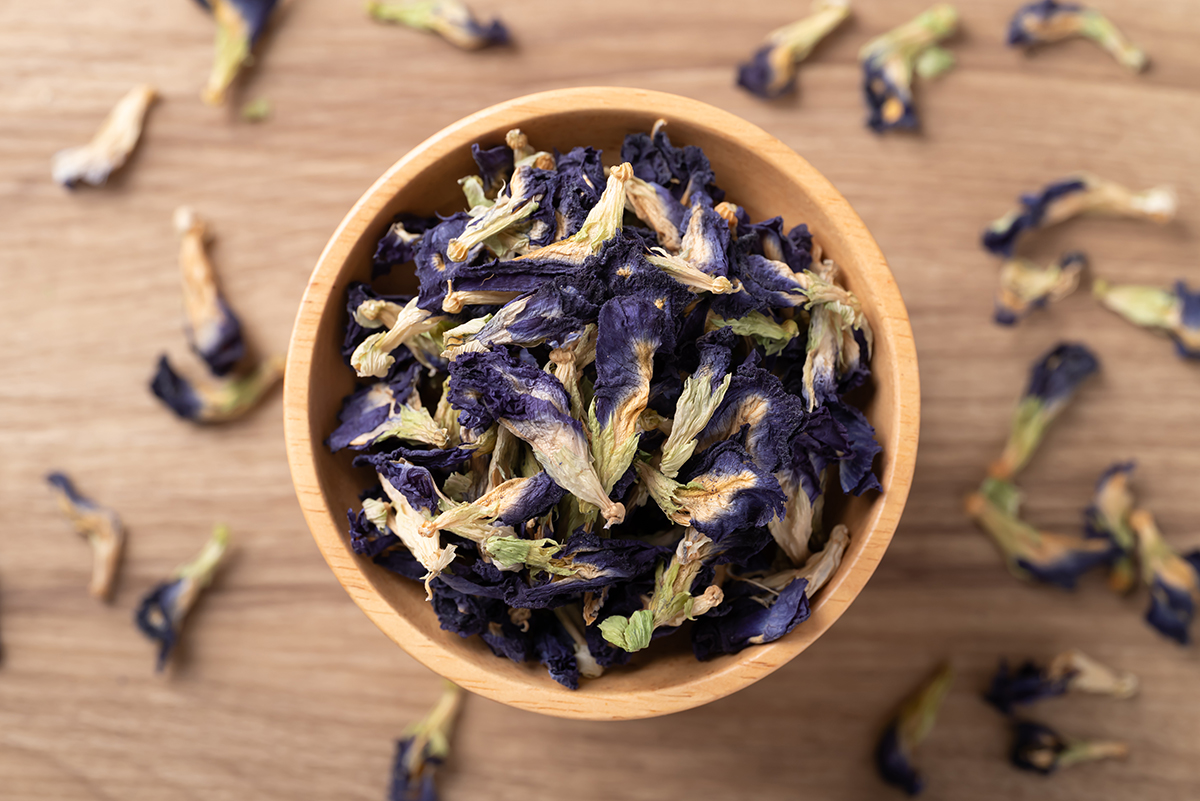
Despite the somewhat misleading name, blue matcha doesn't actually contain matcha. While traditional matcha is made from ground green tea leaves and contains naturally occurring caffeine, blue matcha is made by grinding down dried butterfly pea flowers, which are named after their butterfly-like appearance.
Butterfly pea flower is relatively new to the Western drinks world, with Starbucks launching its new Butterfly Drink, infused with butterfly pea flower, this summer in the US.
However, butterfly pea flower has been used as a natural food colouring across South East Asia, in countries such as Thailand, Malaysia and Indonesia, for hundreds of years.
The antioxidant anthocyanin gives the flower its rich pigment and is also found in other foods, including blueberries, cherries, and purple cabbage. When ground into a fine powder, it can be added to foods and drinks to give them a bright blue colour.
If you love matcha’s earthiness, you'll also love this drink's delicate floral taste. However, its flavour is far more subtle, so it’s a winner for those who don't enjoy the intense grassy flavour of traditional matcha.
Plus, blue matcha’s mildness makes it extremely versatile, allowing your favourite syrup to be the star of the show.
What are the health benefits of blue matcha?
As well as giving drinks a stunning blue hue, butterfly pea flower provides a range of health benefits. It naturally contains anthocyanin, so drinking blue matcha is an easy way to incorporate a powerful antioxidant in your diet.
Antioxidants help protect your cells from oxidative stress, which is damage caused by factors such as sunlight, smoking, and pollution. One of the visible effects of oxidative stress is skin ageing, so consuming antioxidants is a simple way to look after your skin and potentially wind back the years.
Antioxidants are also beneficial for our physical health, with research suggesting that anthocyanin-rich foods may support heart and brain health.
A review of 24 studies concluded that anthocyanin-rich foods appear to improve vascular health by helping blood vessels dilate, enabling blood to flow more easily and the heart to work more effectively. However, they also note that more research is needed to determine how much of this antioxidant you need to consume and its long-term effects.
Additionally, a review of studies exploring anthocyanin's effects on cognitive function in older adults found they were linked to faster processing speeds – brain scans also showing increased blood flow and activity.
Unlike green tea leaves used in classic matcha, butterfly pea flowers do not contain caffeine. Blue matcha, therefore, lets you enjoy an earthy, beautiful drink at any time of day without causing post-caffeine jitters or affecting your sleep.

And it can change colour!
In our opinion, the coolest thing about this drink is that it can change colour.
In its natural form, butterfly pea flowers give a vibrant blue colour, but if you change the pH by adding acidic ingredients, for example, lemon or lime juice, your drink will turn purple!
So why not treat yourself to some blue matcha powder, available online on Amazon, Better Food Mood, or Etsy, and enjoy concocting fabulous drinks that look as good as they taste!

Read more: