
Specialist explains why we lose more hair this time of year
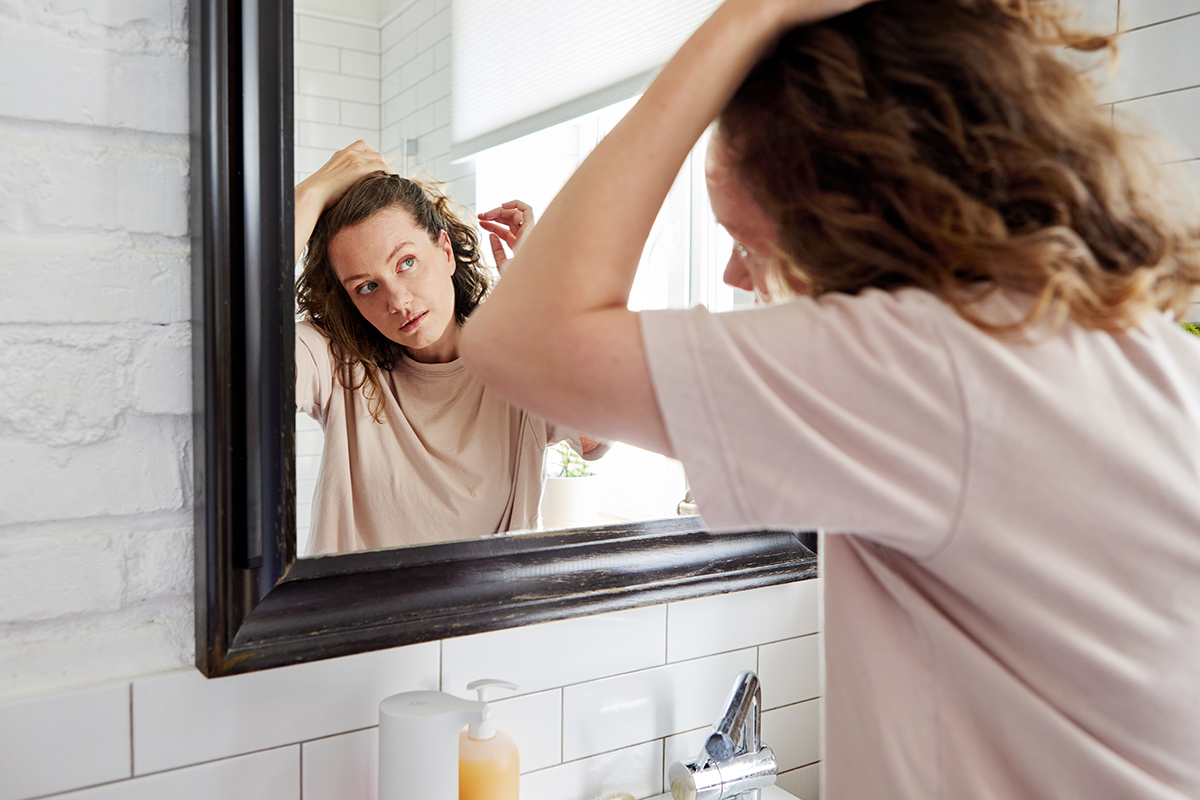
This time of year, you may notice that it's not just the leaves that are shedding; you may be losing more hair, too. If you can relate, you may be suffering from seasonal hair loss, a process in which you may shed more hair in autumn. Unlike ongoing hair loss, seasonal shedding is temporary, but it may feel excessive.
Hair shedding is a completely normal part of the hair growth cycle, but understanding why it occurs can help alleviate your concerns. From seasonal changes to hormonal shifts, various factors can influence the rate at which you shed hair. We’ve spoken to haircare experts to learn more about seasonal hair loss, why it happens and what you can do to help prevent it.
- This is the best haircut for your face shape, says stylist
- Sculpt your face shape without surgery using these tips
What are the signs of seasonal hair shedding?
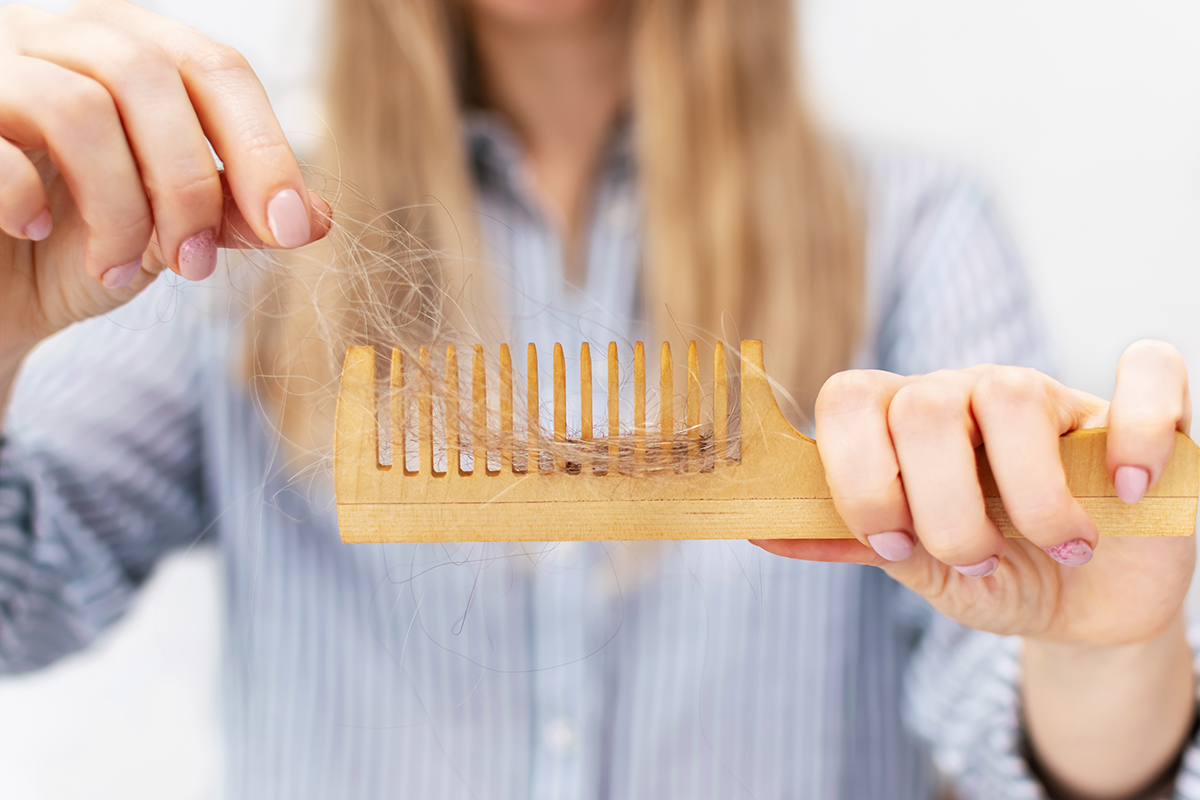
Natasha Brown, trichologist at 7even Clinic, says, ‘We all normally lose about 50–100 hairs a day, but during autumn it’s not unusual to notice what feels like clumps in the shower, on the pillow, or stuck in your brush. The hairs usually look full and healthy, with the bulb still attached, which tells me they’re just completing their natural cycle – not breaking due to damage.
‘The difference is a sudden increase in shedding that lasts for several weeks, often in early autumn. Unlike pattern hair loss, which leads to progressively thinning areas, seasonal shedding tends to be more diffuse across the scalp and usually stabilises on its own.’
The hair growth cycle explained
Dr Paul Farrant, a dermatologist with a specialism in hair loss and scalp conditions, says, ‘Like leaves, our hair goes through a cycle beginning with active growth, maturation, and later shedding off. Hair grows in a repeating cycle made up of three key stages: anagen, catagen, and telogen. Each stage is crucial for maintaining hair density and overall scalp health.’
Anagen (Growth Phase)
- Lasts 2-7 years (varies by genetics)
- About 85-90% of your hair is in this phase at any time
- Hair actively grows from the root
- The longer this phase, the longer your hair can potentially grow
Catagen (Transition Phase)
- Very brief – only 2-3 weeks
- About 1-3% of hair is in this phase
- Hair stops growing and detaches from the blood supply
- The follicle shrinks
Telogen (Resting Phase)
- Lasts about 3 months
- About 10-15% of hair is in this phase
- Hair isn't growing, but stays in the follicle
- Eventually, the hair sheds to make room for new growth
Farrant says, ‘Each follicle cycles independently, so you don't lose all your hair at once. The cycle then repeats – after a telogen hair falls out, that follicle starts anagen again and begins growing a new hair. This process continues throughout your life, though cycles may slow or change with age.’
Why does seasonal hair loss happen?
Dr Ross Kopelman, a hair transplant surgeon and host of The Hair Doctors podcast, says there is no scientific explanation for why we tend to shed more hair in autumn than in other seasons, but several theories exist.
Kopelman says, ‘Some researchers believe that we need more hair in the summer to protect us from direct sunlight, and we tend to shed it off at the beginning of autumn. Others say that the stress we suffer after summer is what triggers hair loss. Others even claim that the lack of sunlight affects the hormones bearing an impact on hair growth.’
Kopelman says ‘In my experience, it comes down to changes in daylight and seasonal rhythms. Our hair follicles undergo three distinct phases: growth, transition, and rest. At the end of summer, more follicles enter the resting phase, which means they’re programmed to shed a few months later. I often explain it like this: your body ‘sets up’ the shed in July or August, and you really notice it come September or October.’
Seasonal hair loss vs alopecia
If you have been wondering whether your hair loss is seasonal or a sign of alopecia, Brown explains how to differentiate between the two. ‘During seasonal hair loss, the hair volume and density remain the same, and there is no noticeable difference in the appearance of hair. With alopecia, hair density is lowered in specific areas or even the entire scalp, and it appears thinner and unhealthy.’

What other conditions cause hair loss?
Normally, each hair follicle works independently, which is why we all shed a small number of hairs a day instead of losing all of our hair at once. Brown says, ‘Disruptions to the cycle can however lead to increased hair shedding, hair thinning and slower growth or reduced hair density.’
Brown explains that hair loss is typically related to one or more of the following factors:
Family history: The most common cause of hair loss is a hereditary condition that happens with ageing. This condition is known as androgenic alopecia, also referred to as male-pattern baldness and female-pattern baldness. It usually occurs gradually and in predictable patterns — a receding hairline and bald spots in men and thinning hair along the crown of the scalp in women.
Hormonal changes and medical conditions: A variety of conditions can cause permanent or temporary hair loss, including hormonal changes due to pregnancy, childbirth, menopause and thyroid problems.
Medications and supplements: Hair loss can be a side effect of certain drugs, such as those used for cancer, arthritis, depression, heart problems, gout and high blood pressure.
A very stressful event: Many people experience a general thinning of hair several months after a physical or emotional shock. This type of hair loss is temporary. It can occur approximately 12 weeks after a major stressor or illness, causing many hairs to enter the telogen phase simultaneously. This results in noticeable hair shedding during the exogen phase.
How long does seasonal hair shedding last?
Seasonal shedding typically lasts for a few weeks to a couple of months. It’s different for everyone, but if you’re noticing more hair fall during certain seasons, it should taper off on its own after a few weeks.
Brown says, ‘While seasonal hair shedding can feel alarming, it's usually a normal and temporary occurrence. Understanding that your body's natural cycles may affect hair growth can help you understand these shedding periods. If you're concerned, or if the shedding seems excessive, don't hesitate to reach out to a professional. A trichologist can help assess your hair and scalp health, offer personalised advice, and provide reassurance that seasonal shedding is often just part of the natural rhythm of life.’
What can I do to stop seasonal hair shedding?
Kopelman says while you can’t completely stop seasonal shedding (it’s a natural part of your hair’s growth cycle), there are some things you can do to keep your hair as healthy as possible.
- Be gentle with your hair: Use a detangler and avoid tugging when brushing and combing, especially when your hair is wet. A wide-toothed comb may help prevent hair from being pulled out. Using a deep conditioning mask once a week can help ensure that your hair feels soft and is less brittle or prone to breakage.
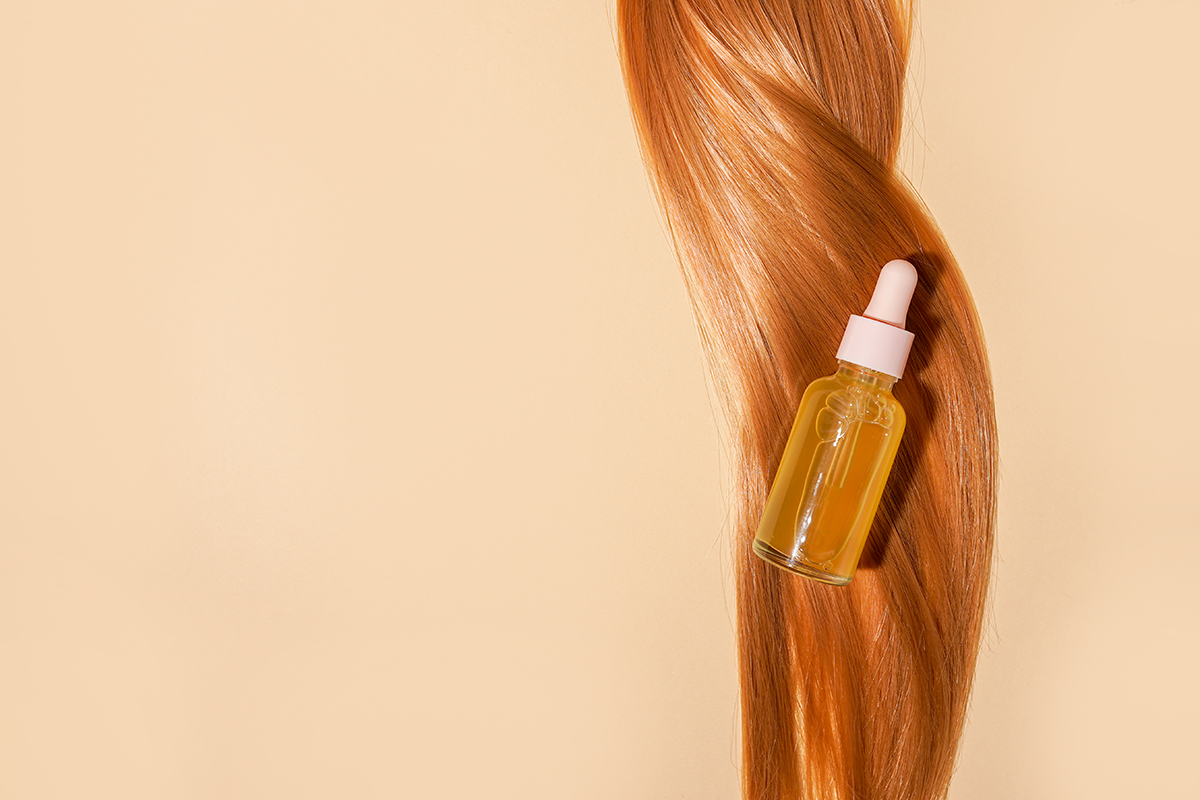
- Treat your scalp: Healthy hair begins at the follicle, so it pays to take proper care of your scalp. Products that contain turmeric and ginseng extracts can nourish and strengthen the follicles, while zinc sulphate, vitamin B6 and azelaic acid can also help create the optimal environment for healthy hair growth.
- Address your diet: Hair loss can be encouraged by nutrient deficiencies, so if you’re experiencing heavy shedding, it may be time to assess your diet. Be sure to stock up on leafy greens to amp up your iron intake, and look to salmon and nuts for essential fatty acids.
- Keep it cool: Excessive heat styling not only dries out the hair fibre, but it can also cause burns to your scalp. Opt for a hairdryer with variable heat settings to minimise damage, ensuring the nozzle is constantly moved to prevent overheating specific sections of the scalp.
- Avoid friction: Try switching out your usual towel in favour of a bamboo alternative, as the natural fibres absorb moisture quicker than cotton and reduce abrasion from harsh towel-drying. Come nighttime, slip on a silk pillowcase or silk headscarf to reduce abrasion against your pillow.
‘Remember that healthy hair starts with a healthy body. By maintaining a balanced diet, managing stress, and practising good hair care habits, you can help support your hair through the seasons.’
When should I consult a professional about seasonal hair loss?
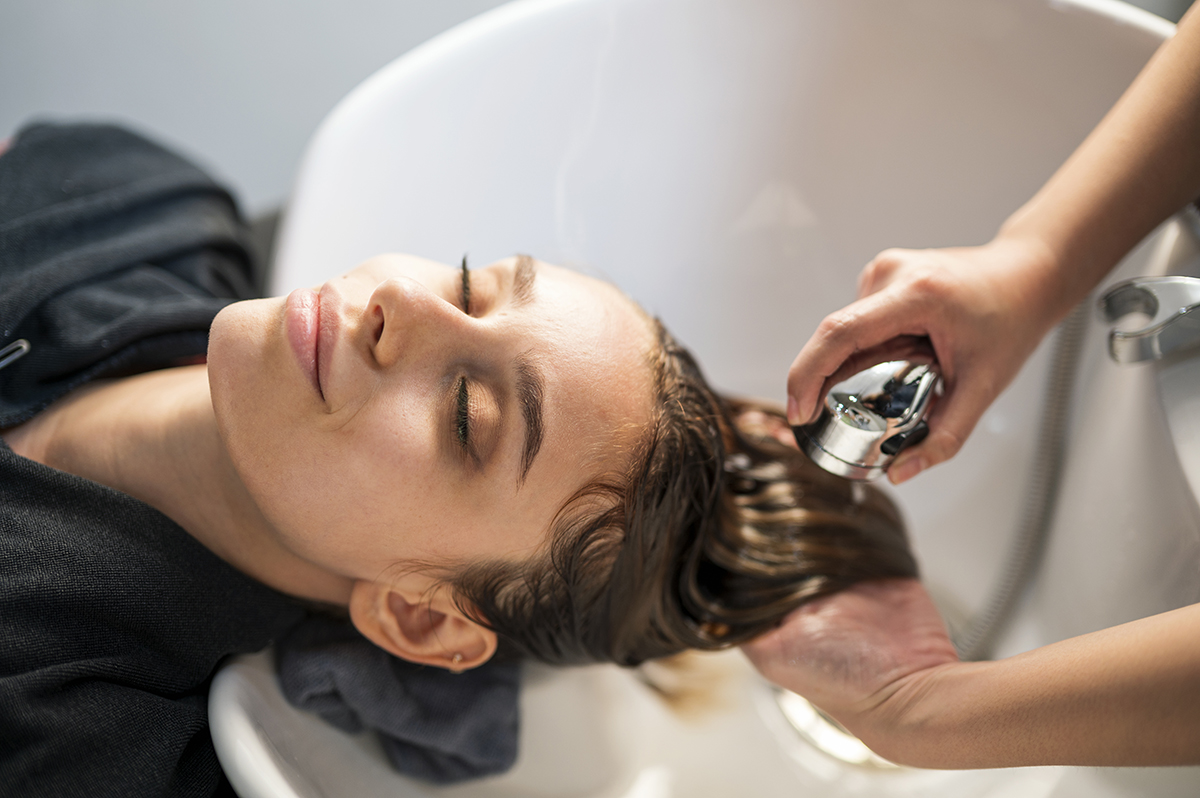
Farrant says that if shedding lasts longer than two months, and you notice widening of your parting, thinning at the crown, or a receding hairline, it is time to consult a professional. ‘Other red flags include scalp pain, itching, flaking, or patchy bald spots, which may point to conditions beyond seasonal shedding.’
A consultation with a trichologist ensures you receive a precise diagnosis, since seasonal shedding can overlap with hereditary or medical forms of hair loss. It is always essential to consult with a professional before starting any therapy, both to rule out underlying conditions and to establish a baseline, allowing for accurate tracking of your progress over time. The sooner treatment begins, the better the long-term outcome.
Read more:

