
Can you really 'shake' off fat? Find out if vibration plates are worth the hype
Vibration plates are everywhere right now. A quick look on social media and you’ll notice everyone is jiggling away in the name of self-care. And there are some pretty bold claims being made. From weight loss to banishing cellulite, vibration plates are hailed for delivering miracle results with minimal effort.
Loved by celebrities including Serena Williams, Mark Wahlberg and Courteney Cox, vibration plates are booming in popularity. While often found in gyms and wellness centres, vibration plates are now easily accessible at home, with prices starting from less than £100. Designed to help you work out ‘smarter, not harder’, vibration plates are said to be the ultimate ‘lazy girl’ technology.
- Your supplements might not be working because of this common mistake
- Dermatologists are divided on LED face masks. Here's why
‘The rising popularity of vibration plates can be attributed to their alignment with current wellness trends that focus on efficiency, accessibility and low-impact movement. Many people are looking for ways to stay active without heavy time demands or joint strains, and vibration plates promise noticeable benefits in short sessions,’ says Melissa Leach, a yoga instructor and strength and conditioning coach at Yoga-Go.
‘The rise may have also been fuelled by increased awareness of age-related muscle and bone loss, and a growing focus on longevity and pain management. As more people seek alternatives to intense workouts, vibration plates are often perceived as a convenient, approachable tool that easily fits into daily routines.’
However, while many fitness gurus swear by these vibrating machines, some are a little more apprehensive when it comes to the at-home devices.
‘It is worth noting that many commercially available vibration plates may not replicate the frequency and amplitude settings used in controlled research studies, which raises questions about whether at-home devices deliver comparable results,’ says PT and fitness coach, Kirsty Constance.
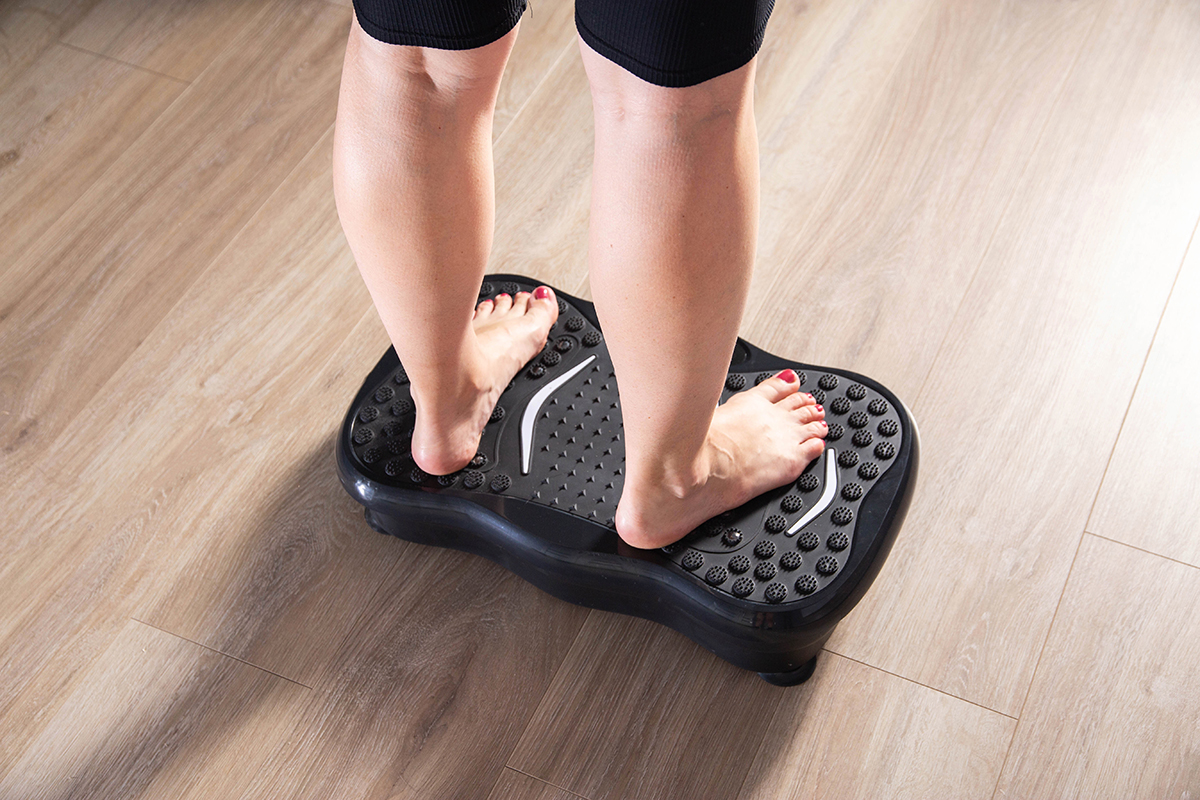
What exactly are vibration plates?
Vibration plates are not as new as you might think. Whole-body vibration (WBV) technology was actually created by Swedish physician Gustav Zander in the Victorian era. The therapy was also used to help astronauts counteract bone density loss and muscle atrophy caused by microgravity. These days, it’s a lot more advanced, but the principle remains the same.
‘Vibration plates are fitness machines with a platform that moves at high frequencies. The vibrations cause your muscles to contract and relax multiple times per second, increasing muscle activation and making simple movements feel more challenging. While they don’t replace traditional exercise, they can be used to enhance your workouts and provide a low-impact option for people with limited mobility,’ Melissa says.
Suzana De Pina, Clinical Exercise Physiologist at Papayya adds: ‘Though vibration plates may seem like just another fitness fad, they are interesting both from a performance and medical angle.
‘Vibration plates are neuromuscular devices that are surprisingly useful at working our muscles, balance and coordination. They produce rapid oscillations (back and forth motions) that cause the body’s stretch reflex to kick in – but in this case, the muscles aren’t moving through the entire range of motion. When the reflex is activated, involuntary muscle contractions occur and more motor units are recruited. What’s more, it actively recruits a high percentage of muscle fibres and helps build up the tiny, stabilising muscles that we often ignore.’
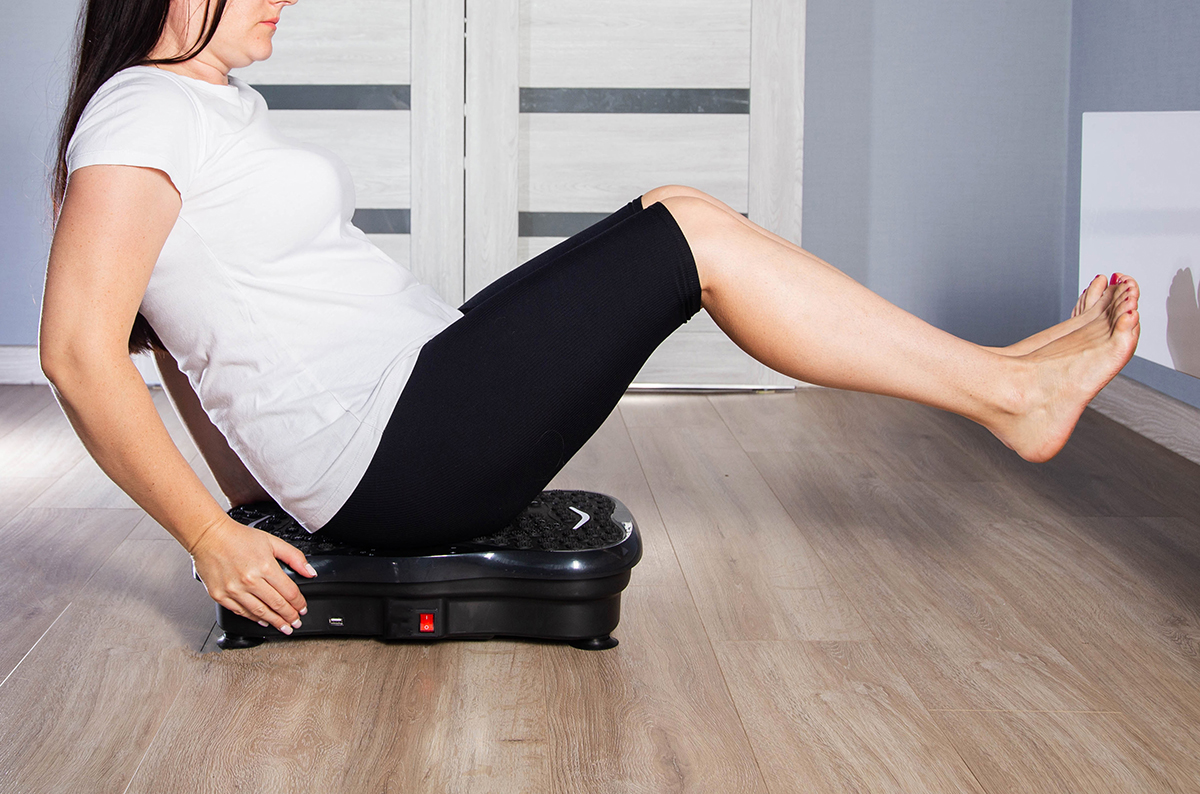
Who should use them?
‘Vibration plates are particularly beneficial for people who struggle with traditional forms of exercise, such as older adults, those recovering from injury or individuals with limited mobility. They may also be especially helpful for mid-life women, as hormonal changes during perimenopause and menopause can contribute to muscle loss, joint stiffness, balance changes and decreased bone density. Additionally, they can be a quick, low-impact way to complement a fitness routine for beginners or those with a busy lifestyle,’ Melissa advises.
‘They can also help those with conditions such as chronic back pain and fibromyalgia by improving muscle activation, circulation and flexibility, all of which can lead to a reduction in pain and fatigue. Because the intensity can be adapted and kept low, they may be more tolerable for people who find exercising difficult or painful.’
Are they safe and who should avoid them?
‘Although vibration plates are generally considered safe, they should not be used by individuals who are pregnant, have a pacemaker or serious cardiovascular conditions, as the intense vibration may cause more harm than good.
‘Other at-risk groups include people who have recently undergone surgery, those with epilepsy, or individuals with joint implants, as the likelihood of injury or fracture can increase. If you are ever unsure whether vibration plates are suitable for you, it is always best to consult with a medical professional,’ Melissa urges.
Will they help you lose weight?
One of the biggest claims on social media is that vibration plates provide a quick and easy solution for weight loss. With endless before and after pictures, it’s hard not to believe it. However, fitness experts say it’s not quite as simple as we’re led to believe.
‘They’re often marketed as fat-burning or detox tools. That’s nonsense. You don’t ‘shake’ fat off,’ argues Michael Baah, celebrity strength coach and founder of Just Train CIC.
Kirsty adds: ‘Current evidence does not consistently show reliable reductions in body fat percentage. Those already exercising regularly are unlikely to see additional benefit from adding vibration plate sessions, unless they simply enjoy using them as a supplement activity.’
However, Melissa argues that while they’re not a short-cut for weight loss, vibration plates are an effective tool.
‘One of the biggest misconceptions around vibration plates is that simply standing on them for 10 minutes a day will make you lose weight. While they can certainly contribute to overarching fitness goals, help stimulate lymphatic drainage and reduce bloating, to truly see a difference in weight, they should be used as part of a routine that includes active exercise and a calorie deficit,’ she says.
Can they help build muscle?
As well as weight loss, vibration plates are said to help build muscle strength. In fact, a 2003 study by the Medicine & Science in Sports & Exercise journal found WBV training comparable to resistance training in untrained individuals.
However, Kirsty argues: ‘To continue seeing meaningful progress in strength and muscle tone, progressive resistance training would still be required. For individuals who are physically and mentally able to perform resistance training or structured exercise, this remains a far more effective and evidence-based approach for improving body composition, strength and long-term health.’
That said, many experts believe vibration plates can play a supporting role when used correctly. Anna Kuzmina, a professional athlete and strength training specialist at It's Me & You Clinic, says that she incorporates them as a tool to enhance traditional movements rather than replace them.
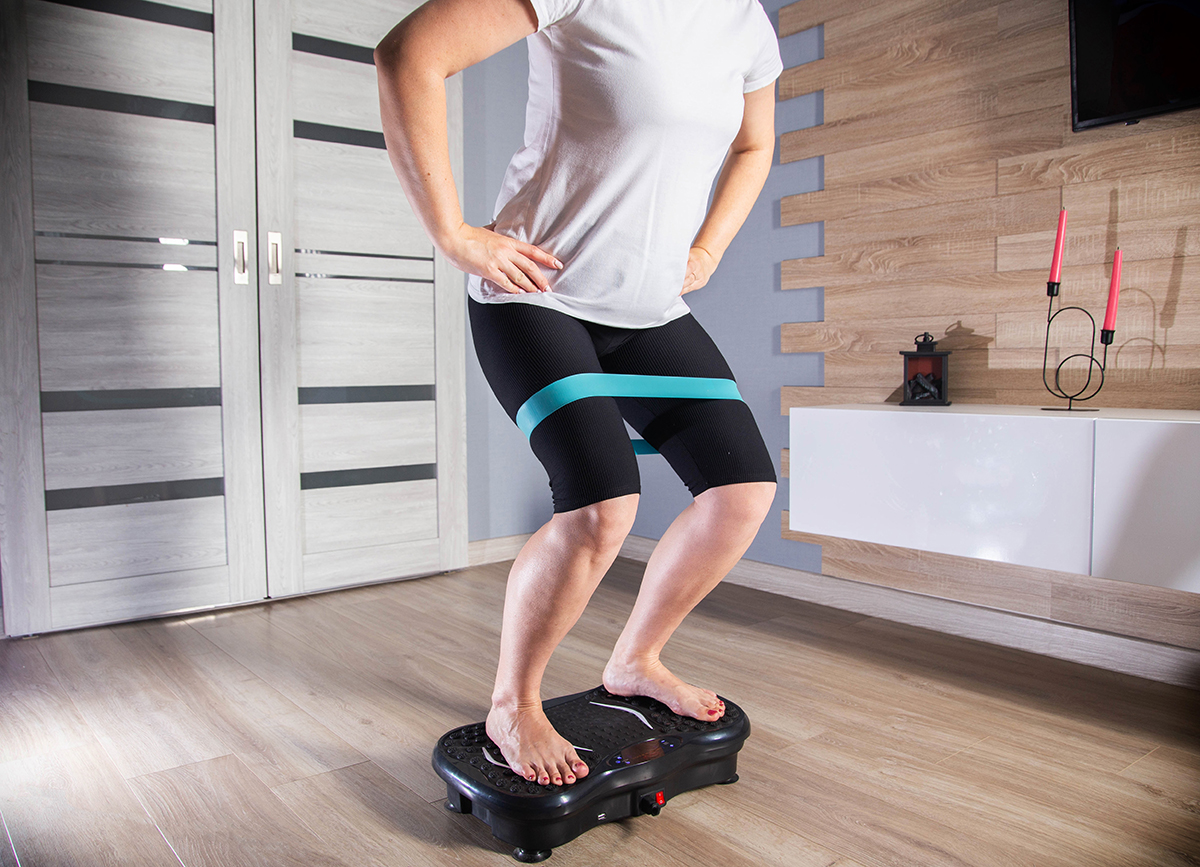
‘I always advise clients that they must be used as an unstable base for active movements like squats or lunges to force the muscles to contract at a much higher frequency than they would on solid ground,’ she says.
Can they ‘banish’ cellulite?
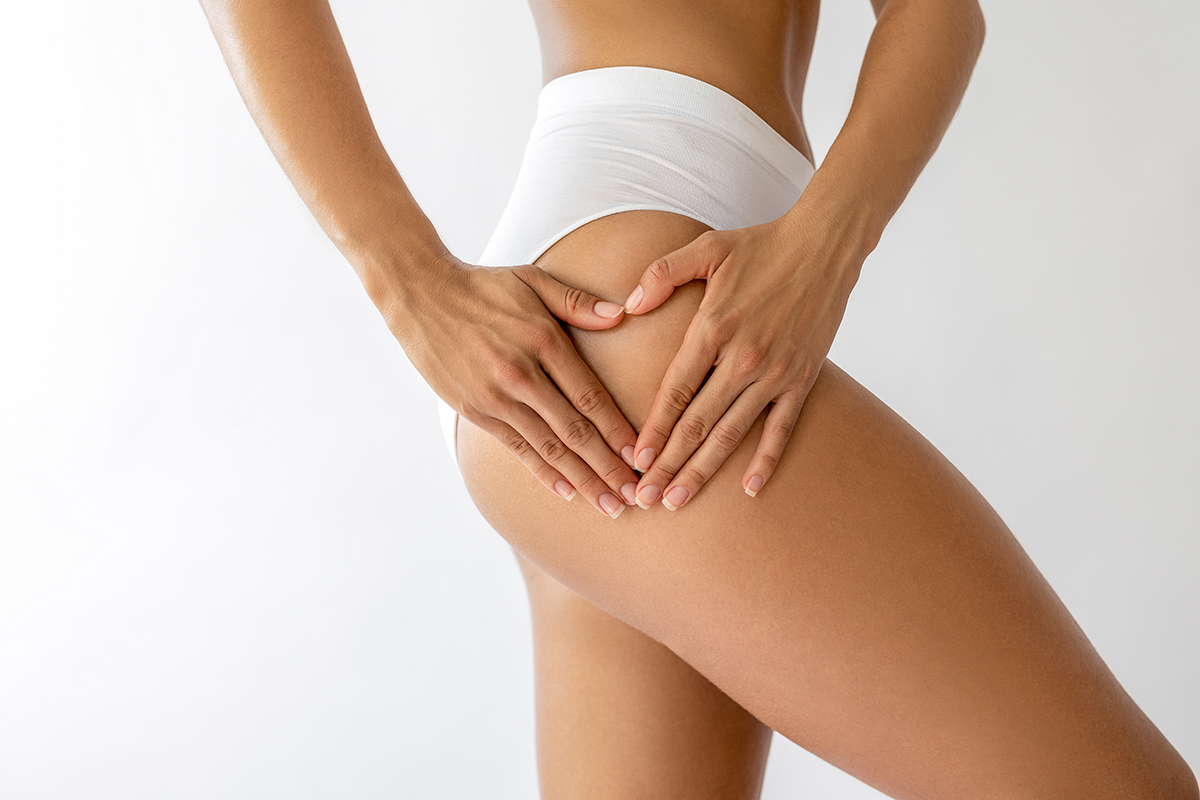
While cellulite is completely natural, you might have heard that vibration plates can ‘banish’ them. And Melissa says there is actually some truth in it.
‘Vibration plates are not a magic cure for cellulite and can’t ‘banish’ it away. But they can help improve their appearance. Using vibration plates three to four times a week can help reduce visibility and smooth the skin by increasing blood flow, enhancing lymphatic drainage and tightening the area.’
Can they improve bone density?
Studies found that astronauts were able to regain up to 2% of bone loss by standing on a vibration plate for up to 20 minutes a day. And while recent studies vary, one research piece on postmenopausal women found WBV has positive effects on bone density.
Kirsty says: ‘Some research suggests vibration plates may help preserve bone density in individuals who are sedentary, older or unable to participate in traditional exercise. In this context, they may offer an accessible starting point.’
Anna adds: ‘I recently worked with a client in her late 50s who was terrified of traditional heavy lifting due to joint frailty. By incorporating isometric holds on the plate, we improved her functional stability and bone markers without the high impact of jumping.’
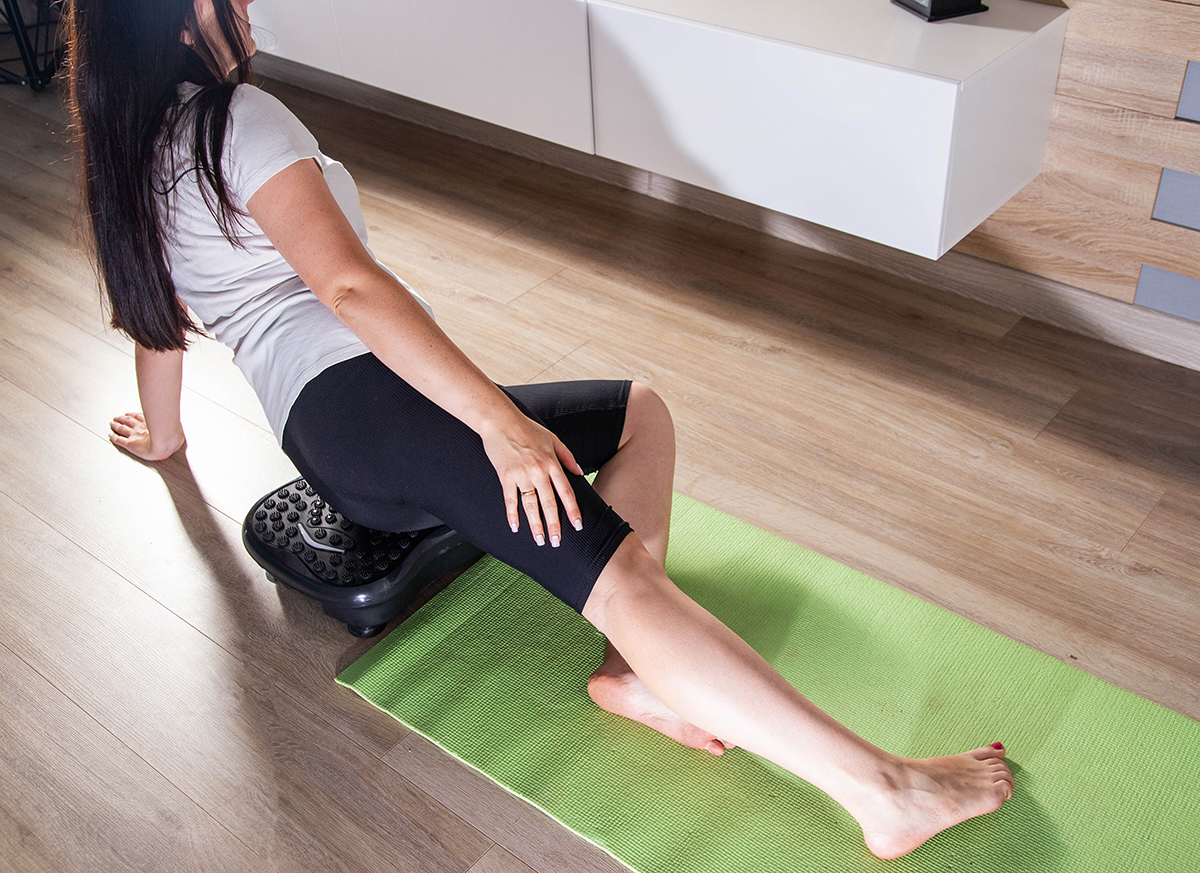
Can they improve recovery time?
Vibration plates have long been used by athletes for rehab and recovery – and there's a reason for it. Several studies have found that WBV can help reduce delayed onset muscle soreness (DOMS) by improving blood flow and lymphatic drainage. Power Plate (described as the ‘Rolls-Royce’ of vibration plates), even says it can ‘completely transform your post-workout routine’.
However, experts are keen to remind us that vibration plates are a tool to be used as part of a healthy lifestyle.
‘There is modest evidence it may reduce delayed onset muscle soreness compared to passive rest. However, the research is mixed. Protocol matters. Frequency, amplitude and duration all change the outcome. Most people using them at home have no idea what settings they’re on, which makes results inconsistent,’ says Michael.
‘Vibration plates can stimulate muscle spindles and increase blood flow, which may reduce perceived muscle soreness. But they don’t replace sleep, protein, hydration or intelligent programming. They’re a supplement, not a solution.
‘If someone has done heavy lower-body work and is stiff, five to 10 minutes of low to moderate frequency vibration combined with light mobility work may help them feel looser the next day. But if you are chronically sore, that’s a programming problem, not a vibration problem. Recovery is not about gadgets. It’s about systems. If the system is broken, no platform will fix it.’
Reviber Fusion Oscillating Vibration Plate Exerciser

Get a full-body workout with upper body cardio bands, ab bands and HIIT auto programmes. You also have access to an online workout programme that combines Pilates, a gym-based workout and WBV training. £300, Argos.
WeightWorld Vibration Plate Exercise Machine
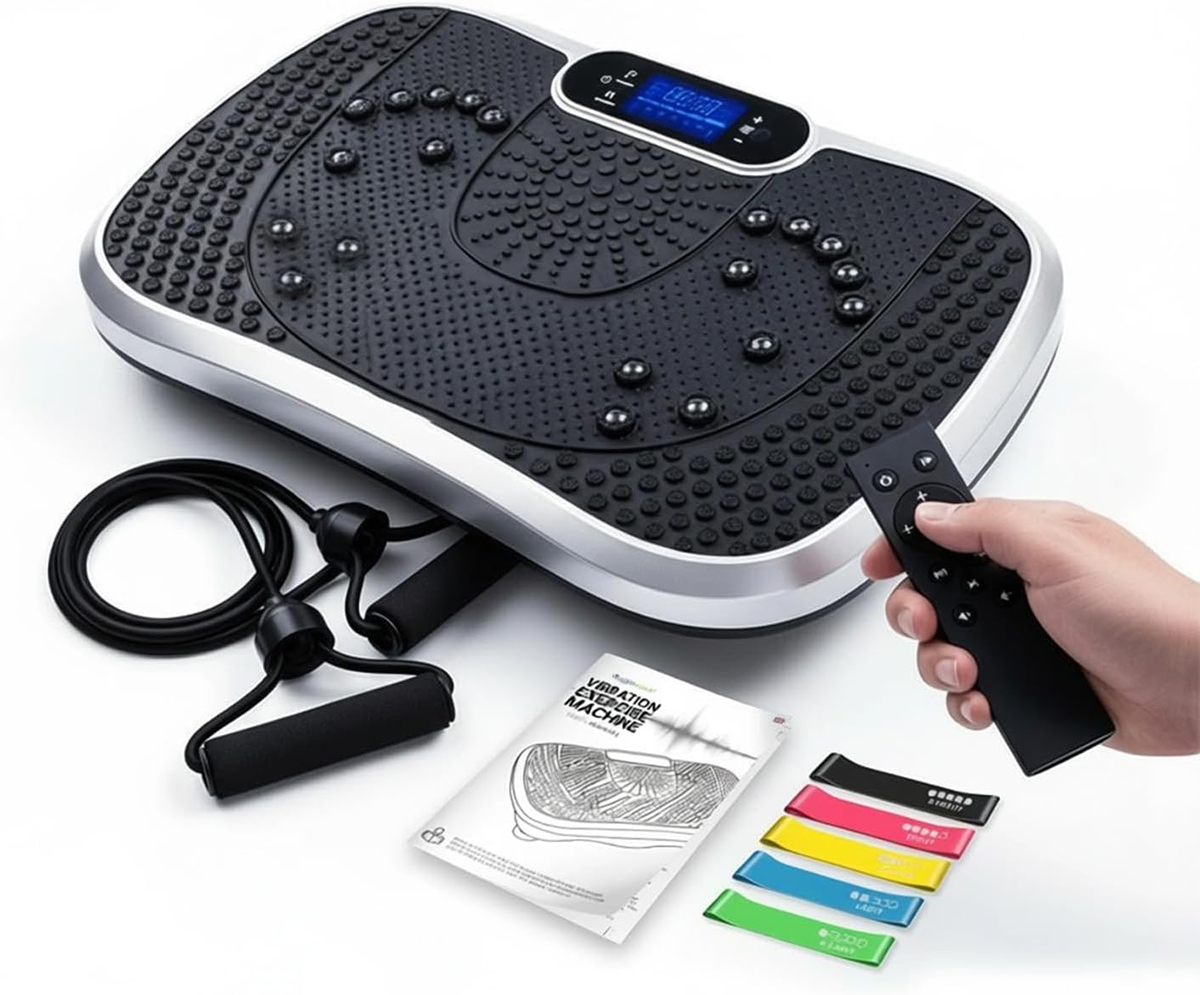
Equipped with five preset programmes and 99 intensity levels, this plate offers several options for different session styles. Complete with resistance bands in five tension levels and Bluetooth speakers for a more engaging experience. £95.99, Amazon.
LifePro Rumblex Plus 4D Vibration Plate Exercise Machine
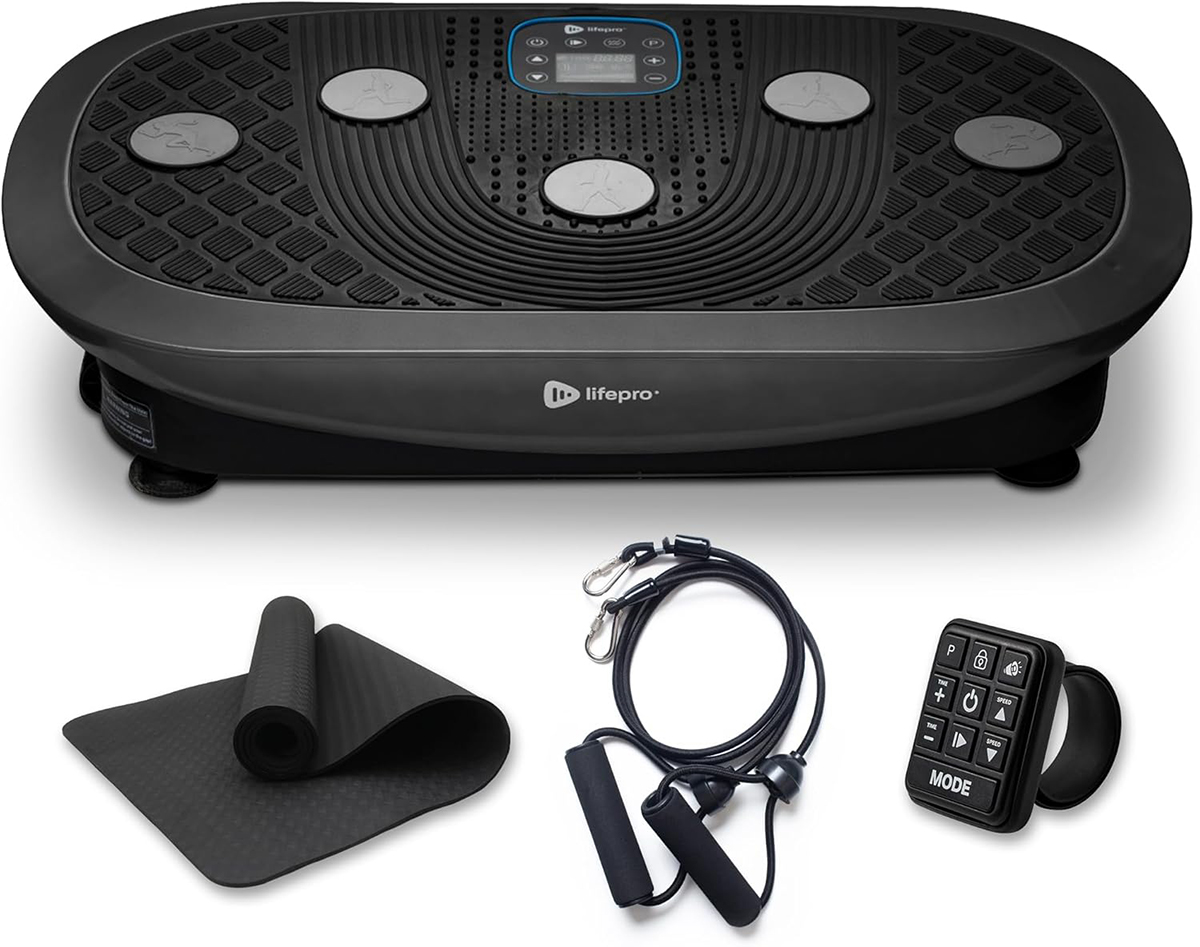
Complete with resistance bands, loop bands (for targeted toning), an exercise mat and a watch remote, this plate has specifically been designed for comfort and ease of use. £349.99, Amazon.
Read more:
