When it comes to getting in a good workout, you don't always have to take your body to its absolute limits, and often this ends up being a fast track to injury.
That's why classes are a great option for many, as a qualified instructor will guide you through each movement to ensure you're nailing your form every time.
Low-impact mind-body fitness classes are an especially safe bet for everyone, as they don't put any pressure on the joints and allow you to reap the mental health benefits too. Plus, instructors will typically provide modifications so you can tailor it to your ability.
But with more and more fitness trends flooding our social media feeds, it can be difficult to know which style is right for you.
Fortunately, we're here to help. Below, we break down the differences among popular low-impact fitness classes – including some you might not have heard of.
Whether you're looking to shed fat, tone up, or practice some mindfulness while you work out, you're sure to find the perfect style to meet your fitness goals.
- This is how to burn fat without losing muscle, says personal trainer
- Here's the easiest ways to get in shape at home
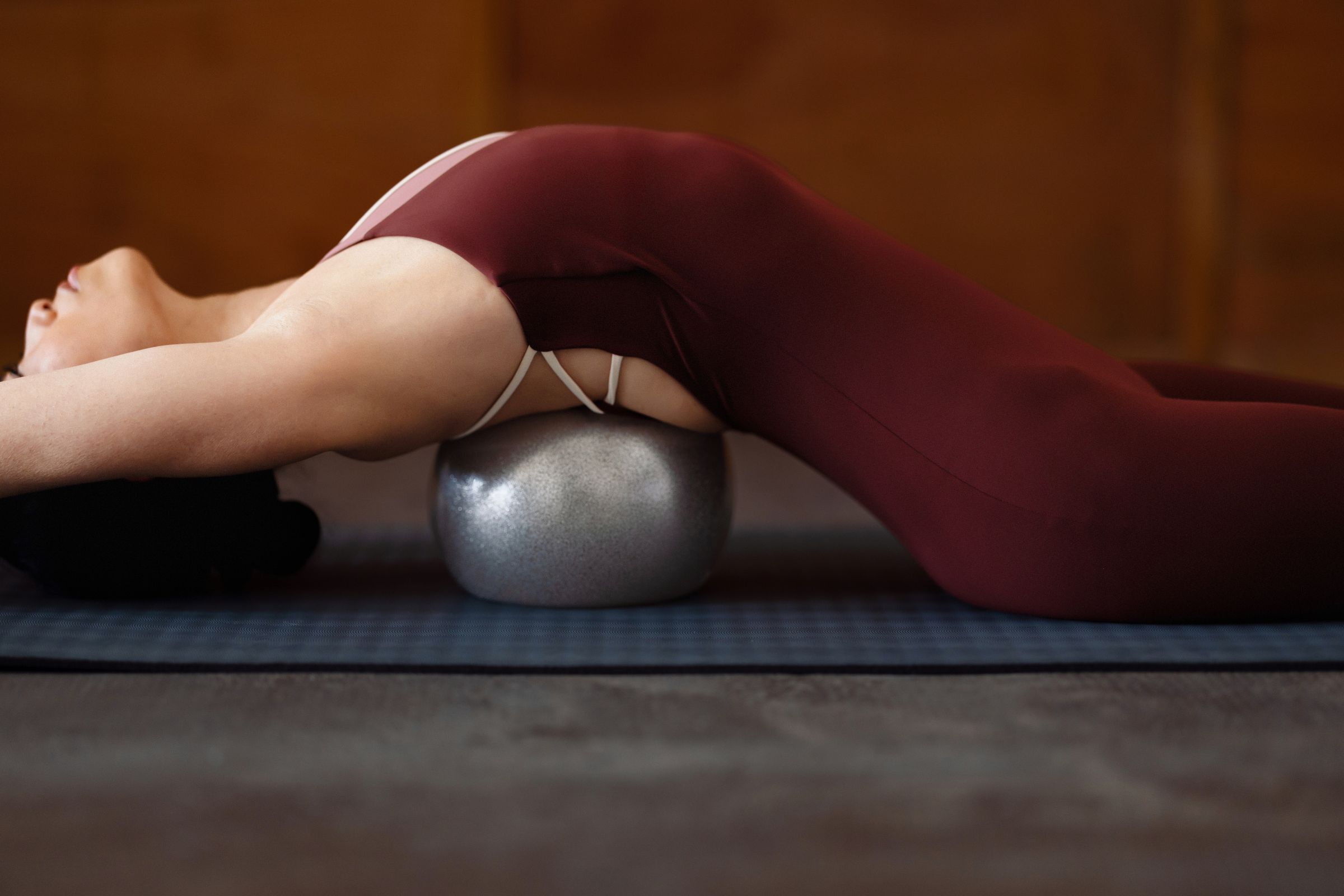
Pilates
Naming the practice after himself, Joseph Pilates developed Pilates at the start of the 20th century to help build up his strength – having suffered from various conditions such as rickets, asthma and rheumatic fever as a child.
Pilates focuses on targeting deep core muscles and involves performing controlled movements while connecting with your breath to increase strength, flexibility, mobility, stability, and improve your posture.
The most common form is mat Pilates, where movements are performed on a mat mainly use your bodyweight to build strength. Pilates equipment such as balls, rings, resistance bands, and light hand weights are also sometimes being incorporated.
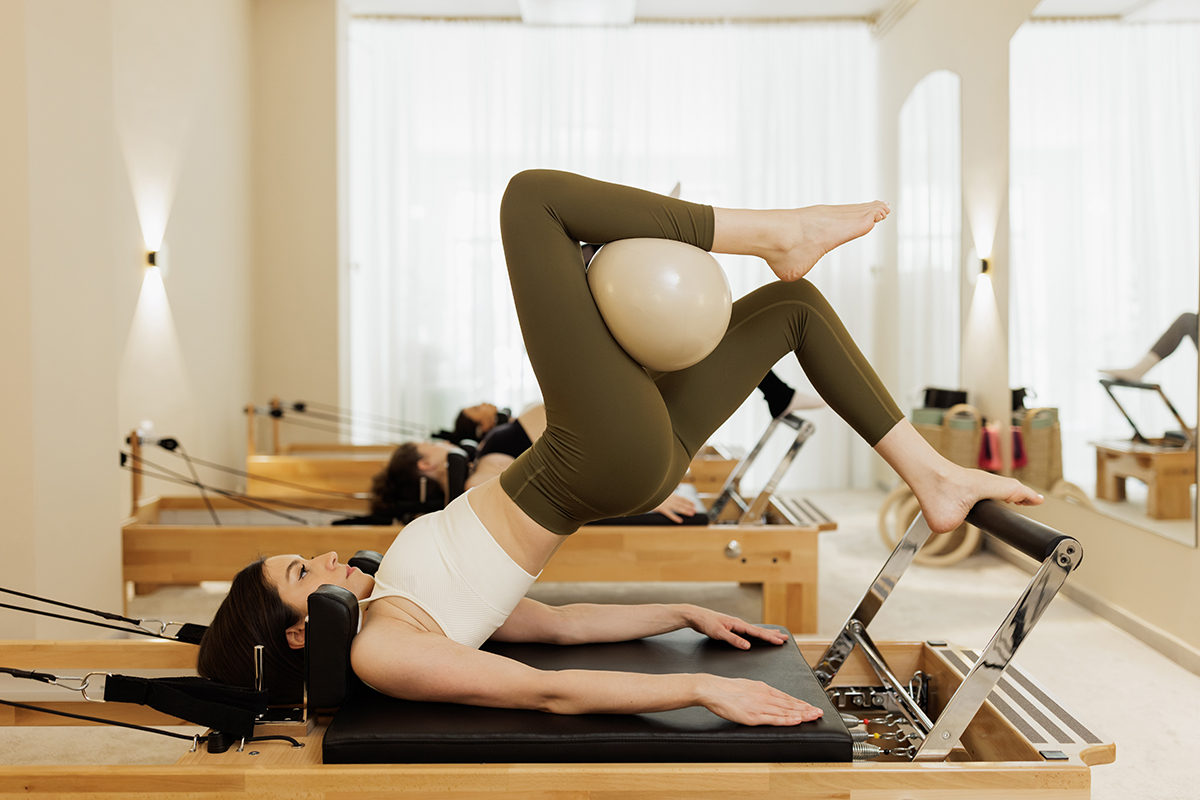
Another common type is reformer Pilates, which takes place on a Pilates reformer. This machine features a moving platform, straps (for your hands or feet) and springs, which enable you to adjust the resistance and engage in resistance training.
Some Pilates classes will also use other pieces of apparatus such as a Pilates chair and trapeze table.
Why should you do Pilates?
- To build strength and muscle
- To increase mobility, stability and prevent injury
- To improve your posture
- To work on your breath control
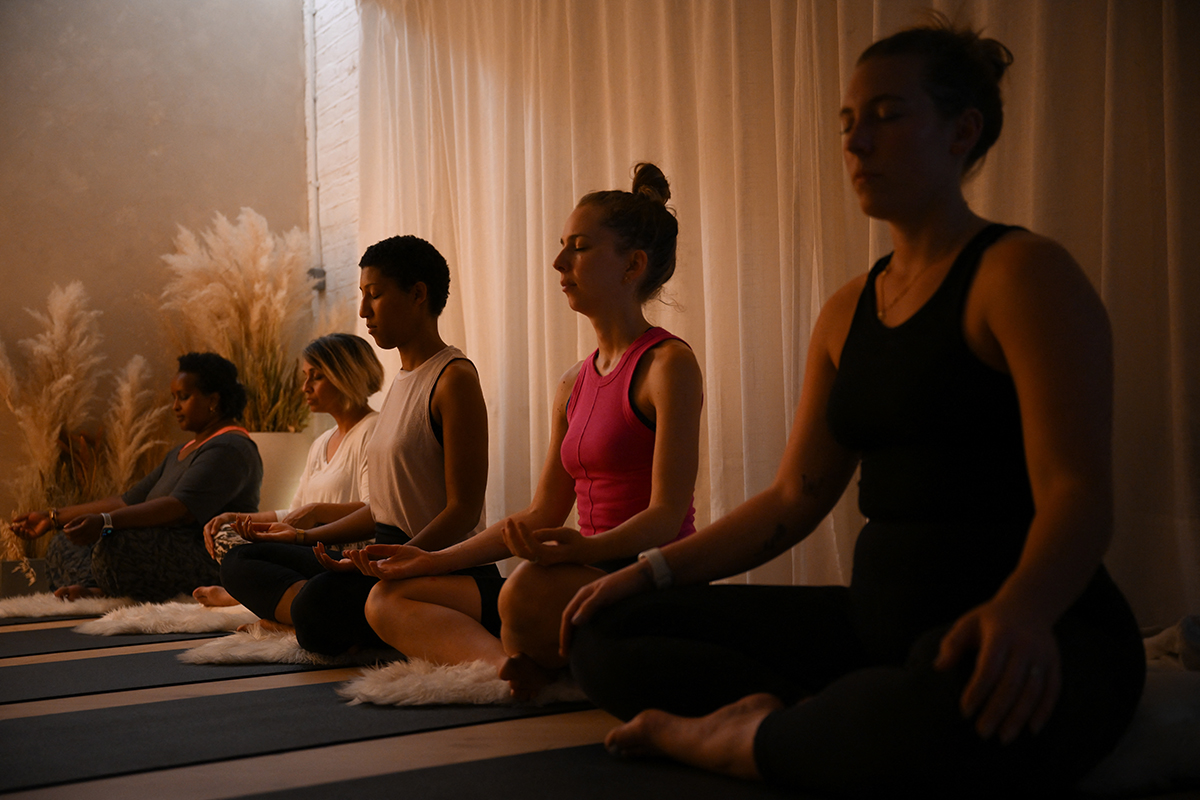
Yoga
Also focusing on improving body strength, mobility and stability and placing a strong emphasis on breath work, yoga shares a lot of the same goals as Pilates, however, there are some key differences too.
Developed in ancient India, there are many different types of yoga. Movement is an important element of practice used to connect with the body, improve strength, flexibility and blood flow, and calm the nervous system.
This is deeply intertwined with the spiritual and mental elements of yoga, which focus on achieving inner peace, awareness, and using breath work to practice mindfulness.
One of the great things about yoga is it's versatility – making it easy to find a practice that you enjoy and is right for your body.
Practices such as Hatha and Restorative yoga are ideal for beginners, with teachers slowly guiding you through the movements and postures.
Plus, the gentle, slow-pace also makes these styles suitable for people recovering from injury. However, always consult with a doctor or professional before resuming exercise if you are injured.
On the other hand, practices such as Ashtanga yoga involve a far more dynamic and challenging flow, which can improve cardiovascular fitness and build full-body muscle.
Or Bikram yoga which takes place in a hot room and so is great for getting your heart up and burning more calories and improving cardio.
Why should you do yoga?
- To build strength
- To increase flexibility
- For injury recovery
- To burn calories (if opting for a faster, more demanding practice)
- To practice mindfulness and help you calm your nervous system
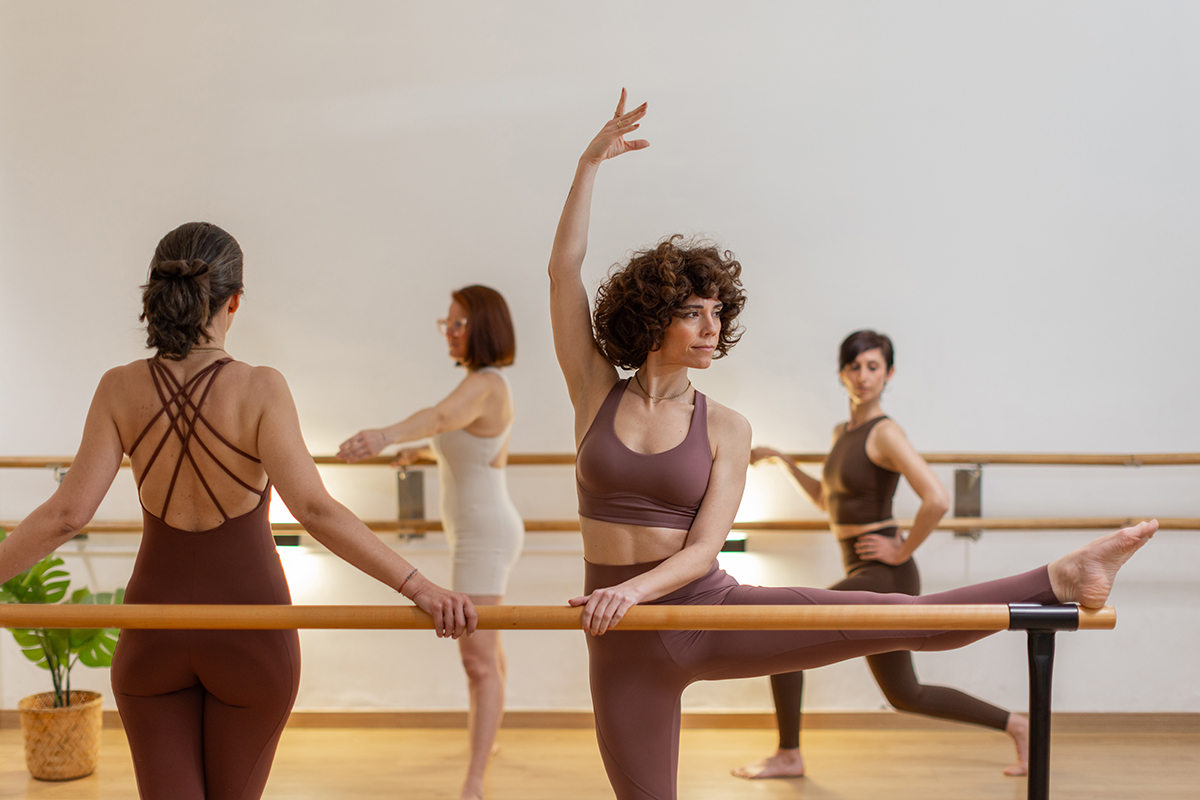
Barre
Barre was created in 1959 by German dancer Lotte Berk and incorporates classical ballet moves, such as pliés and tendus, with Pilates and yoga movements.
Barre focuses on burning out the muscles, including small muscles, through isometric holds and repetitive, controlled movements, such as pulses, to build strong, lean, elongated muscles and strengthen the mind-muscle connection.
Stemming from ballet, barre is primarily bodyweight-based and uses a ballet barre for support during exercises. Like Pilates, it also uses props such as hand weights, Pilates balls, and resistance bands.
With strong holds and high reps that exhaust the muscles, barre is great for people who want to build muscle and improve muscle endurance without putting as much strain on the body as weightlifting or becoming bulky. The small, controlled movements also do not put pressure on joints.
While offering an intense workout for even the more experienced gym-goers, barre can easily be tailored to your ability, making it suitable for beginners.
Why should you do barre?
- To tone up by strengthening and lengthening muscles
- To increase muscle endurance
- To learn basic ballet movements (great if you enjoy dance – although you don't need a background in ballet to do barre)
- To tap into mind-muscle connection
- To improve mobility
Sculpt
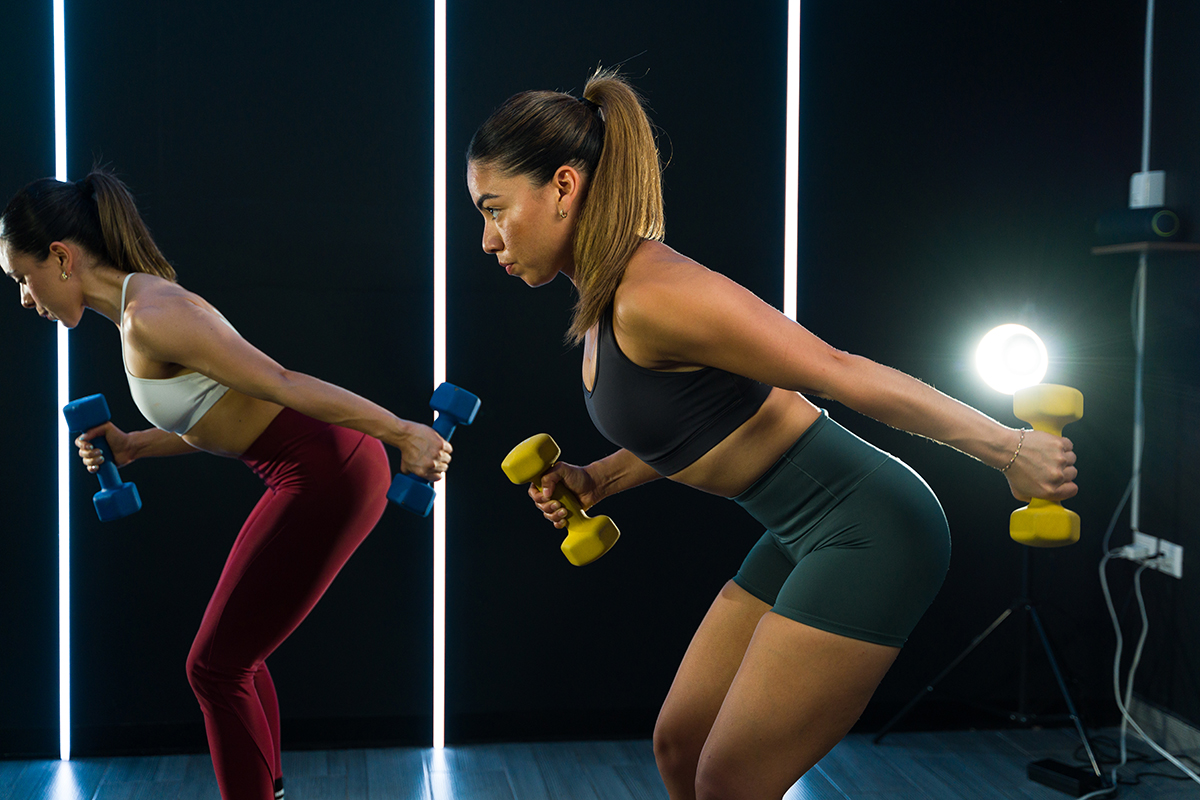
Sculpt classes more closely resemble traditional strength training, involving common movements such as squats and lunges and using light weights and bands to enjoy the benefits of resistance training, as well as bodyweight and abdominal movements.
Classes are generally faster-paced and incorporate cardio to raise your heart rate. This differs from the likes of Pilates, where your heart rate is generally slower – focusing on proper technique and maintaining a neutral spine while performing each movement.
Additionally, while Pilates centres on strengthening the core, sculpt is more of a full-body workout and builds muscle throughout the body.
As it uses heavier weights and more cardio than other low-impact exercises, sculpt is preferable for people who want a more intense workout with a greater calorie burn.
However, it is still beginner-friendly and a great way for people to learn how to perform typical strength training movements correctly and safely before increasing the weight.
It can also supplement other exercises, especially by helping people build core strength and supporting posture in other higher-impact sports such as running, and is fantastic for overall fitness and toning up.
However, the faster pace and use of weight make sculpt less suited to people recovering from injury or struggling with joint issues.
Why should you do sculpt?
- To improve cardiovascular fitness and burn calories
- To build muscle
- To learn the correct form for popular strength training exercises
Lagree
Perhaps the least well-known, Lagree was founded by Sebastien Lagree in LA in 2006, but has been gaining popularity worldwide over the last couple of years.
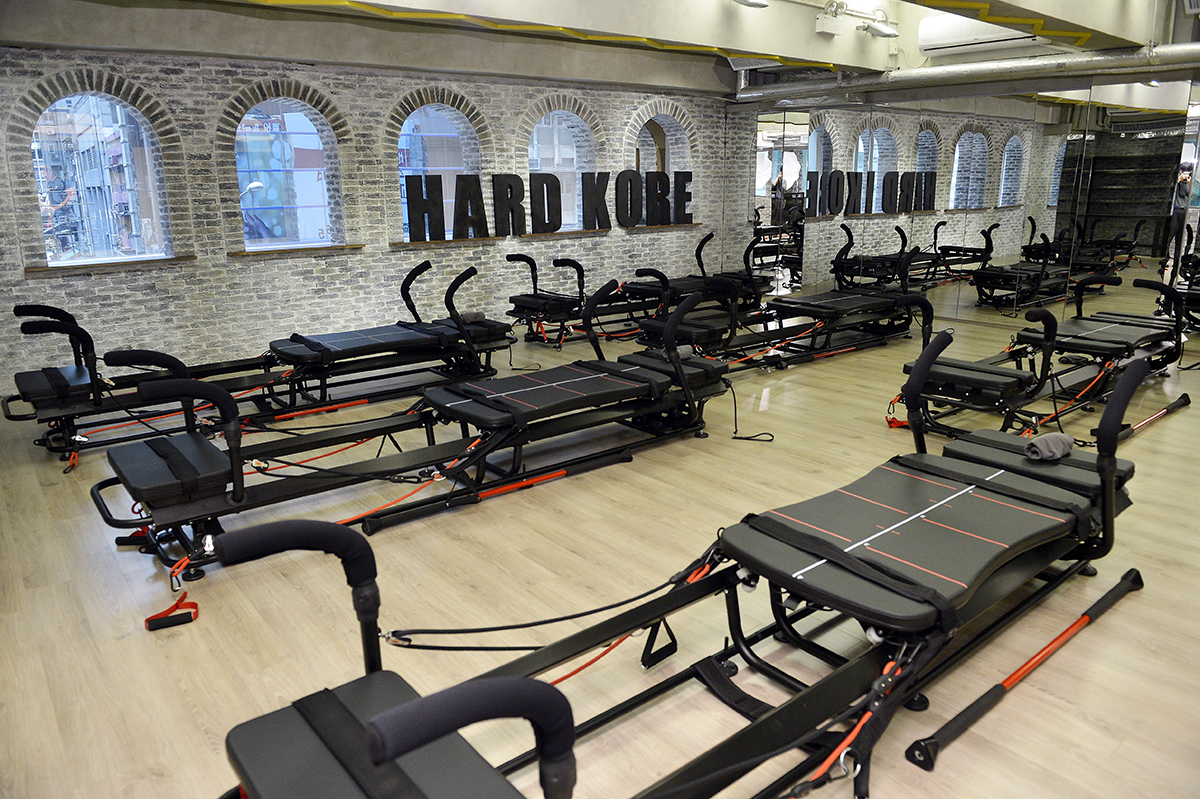
Lagree uses a machine that looks similar to a reformer, called the Megaformer, which also has a moving carriage, springs for adding resistance, and straps, as well as handles.
Although this exercise is also about performing controlled movements and adding resistance, as in reformer Pilates, Lagree is higher-intensity and involves slow movements where the muscles are kept under tension for as long as possible, with little rest between exercises.
Lagree consists of a mix of traditional strength-training exercises and Pilates movements. However, while Pilates focuses on alignment and building core strength, Lagree aims to achieve muscle exhaustion by keeping muscles under constant tension - often resulting in shaking. As a result, Lagree is perhaps more effective for muscle endurance and growth.
Due to its high-intensity movements, Lagree is ideal for more experienced gym-goers or those who regularly engage in other forms of exercise. Plus, as it strengthens the core and grows muscle, it can help support other sports.
However, the challenging exercises and few breaks might make this workout less suitable for complete beginners.
Why should you do Lagree?
- To improve muscle endurance
- For muscle growth
- To tone up while still being low-impact (for example, if you have joint issues)
- To improve core strength
- To increase flexibility
Read more: