
This is how to burn fat without losing muscle, says personal trainer
Many people seek fat loss as a goal, perhaps looking to blast their belly fat, but with some weight loss, particularly when it happens rapidly, there’s a concern that you may also lose muscle. Research suggests that several dietary, fitness, and lifestyle strategies could help you lose fat while maintaining lean muscle mass.
Continue reading to discover how a balanced exercise, recovery, and eating plan can help you lose fat without sacrificing muscle.
- These are the laziest ways to burn belly fat fast
- Foods with the ‘Ozempic effect’ that trigger weight loss naturally
The science behind losing fat without losing muscle
One of the most important components of fat loss is maintaining a calorie deficit. This means to consume fewer calories than you burn each day. To lose fat safely and sustainably, experts recommend aiming to lose up to two pounds weekly. This may comprise a daily calorie deficit of 500 to 750 calories.
As tempting as it is to cut your calories as much as possible, it’s important to avoid very low-calorie diets, which may involve consuming 1,000 to 1,500 calories per day.
Although these diets may lead to more rapid weight loss, research suggests they’re more likely to cause reductions in muscle mass and water weight rather than fat mass and body fat percentage.
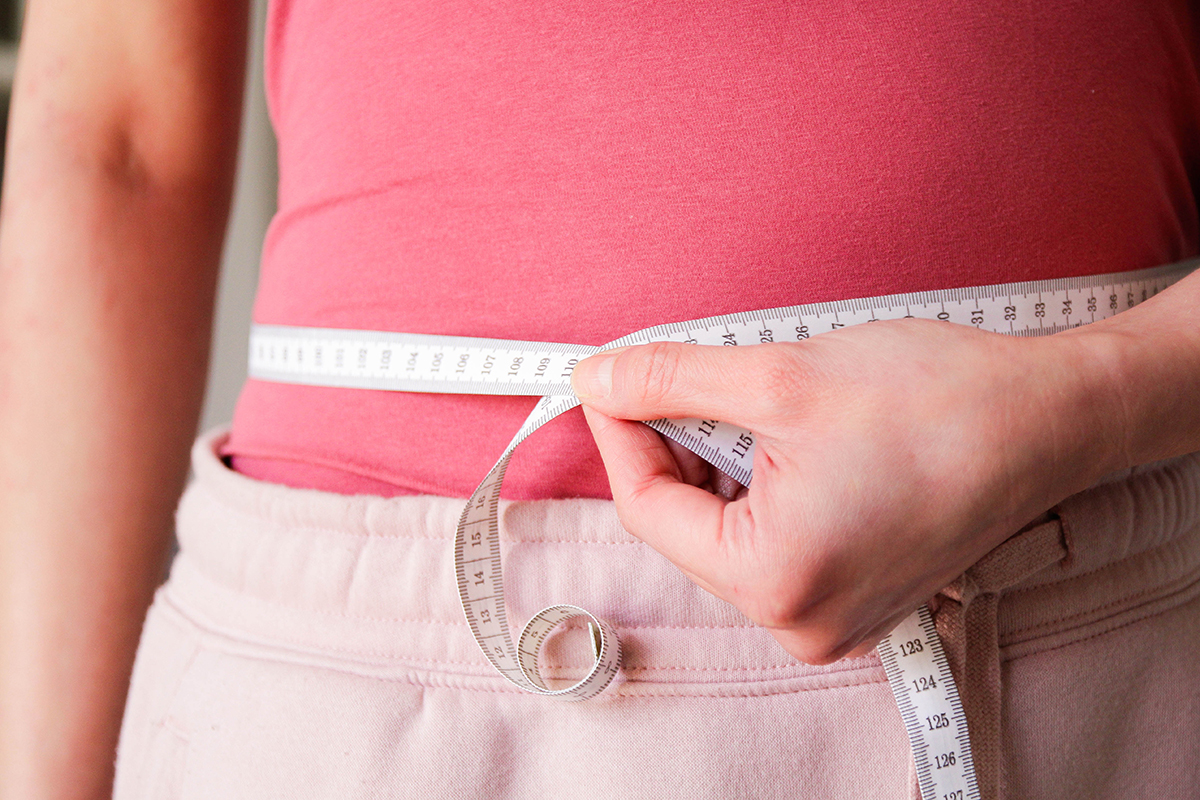
Why losing muscle could slow your weight loss goals
Many weight loss programs claim to help you lose weight quickly and easily. However, it is important to note that some of this initial weight loss may include muscle loss.
Losing muscle can be detrimental to your overall health and your ability to navigate everyday tasks.
Maintaining a healthy percentage of muscle has several benefits, such as:
- regulating healthy blood sugar levels
- maintaining healthy fat levels, like triglycerides and cholesterol, in the blood
- controlling inflammation
Importantly, the more muscle you have, the more calories you burn at rest. Losing weight in the form of muscle can decrease the number of calories you burn at rest, making it easier to regain any weight you lose in the form of fat.
Burning fat without losing muscle – the formula that works
Celebrity personal trainer Michael Baah says he has the same blueprint for his TV, film and music clients who need to stay strong, lean and camera-ready all year round. To lose weight without losing muscle, Baah recommends:
- Engaging in resistance training two or three times per week.
- Add one or two Norwegian 4×4 method sessions for fitness and endurance.
- Eat protein at every meal.
- Sleep seven to nine hours to keep hormones balanced.
- Consider supplementing with creatine and omega-3s if your diet lacks these essential nutrients.
Baah says, ‘Follow this for eight to twelve weeks and you’ll notice real changes: firmer muscles, better energy, improved focus and a leaner shape without the flat look that crash diets cause. Fat loss should never mean weakness. The goal isn’t to get smaller, it’s to get stronger and sharper. When you train with purpose, eat with structure and rest with intent, your body rewards you by performing at its best.’
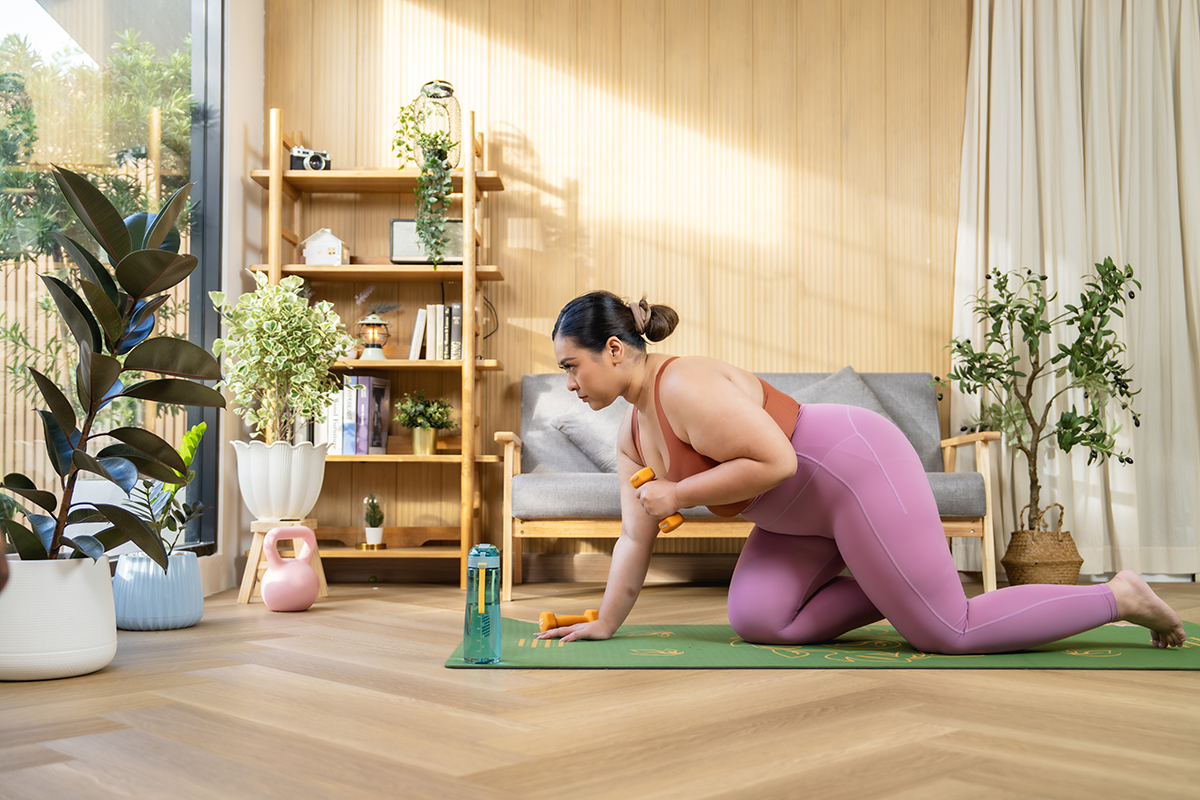
Resistance training for fat loss and muscle building
Resistance training is one of the most important factors in maintaining muscle mass when you’re losing weight.
A 2018 meta-analysis examined studies on the effects of calorie restriction and resistance training in older adults with obesity. Individuals who did resistance training two to three times weekly for up to six months were able to prevent muscle loss while reducing fat mass and body weight.
Baah says, ‘When most people diet, their body doesn’t know it wants to keep muscle. It just senses less energy coming in and starts burning a bit of everything. That’s why resistance training is essential. It acts like a signal to your body saying, this muscle is important, keep it.’
What works:
- Exercises like squats, deadlifts, rows, presses and lunges work multiple muscle groups at once. They build strength efficiently and help maintain lean mass.
- Train two to four times per week: Two full-body workouts suit beginners. Three to four works well for most people with some experience.
- Rest between sessions: Muscles grow when you rest, not while you train. Leave at least a day between heavy workouts.
Baah says the key to building strength is progressive overload – giving your body small, consistent challenges so it keeps improving. ‘Think of your muscles like students in a classroom. If you give them the same easy homework every week, they stop learning. But if you give them slightly harder work each time, such as a little more weight, one extra rep or a tougher variation, they adapt and grow stronger.’

Smarter cardio: the Norwegian 4×4 method
Baah says cardio is often misunderstood, ‘Most people think more is better, but endless steady-state cardio can break down muscle over time, especially when combined with calorie restriction.’
The Norwegian 4×4 method, a high-intensity interval training (HIIT) method that involves four 4-minute intervals of high-intensity effort, each followed by a 3-minute recovery period, offers a better way with shorter, smarter sessions that build fitness and protect muscle. Developed by researchers at the Norwegian University of Science and Technology, this method is backed by years of evidence.
How to do it:
- Warm up for 10 minutes with walking, jogging or cycling.
- Do four rounds of four minutes at about 85 to 95% of your maximum heart rate. It should feel like an 8 out of 10 effort. You can talk in short bursts but not sing.
- Between rounds, do three minutes of easy movement such as slow walking or cycling.
- Finish with a 5-to-10-minute cool-down.
Begin with one session per week, then gradually increase to two or three sessions.
Baah says this method can boost VO₂ max by up to 14% in eight weeks. That means your heart and lungs get stronger, your body burns fat more efficiently, and your stamina improves while protecting muscle.
Pay attention to protein
A calorie deficit isn’t the only thing you need to think about when you’re trying to lose fat while keeping your muscle. You also need to pay attention to the quality of your diet and eat enough protein, so that muscles have what they need.
Protein is often called a ‘building block,’ because it makes up the structure of important components of our body, including muscle. This is because protein helps promote protein synthesis, the process in which the building blocks of protein (amino acids) form into muscle mass.
Protein may also help optimise fat loss by promoting feelings of fullness, boosting your metabolism, and enhancing muscle recovery.
Research suggests that eating plenty of protein can even promote increases in lean body mass during a calorie deficit. Baah recommends eating protein at every meal, roughly 25 to 30 grams per serving.
Focus on lean sources of protein like:
- Chicken breasts
- Greek yogurt
- White fish
- Lentils and beans
- Low-fat dairy
- Eggs
- Tofu
These foods help you stay full, fuel recovery, and prevent your body from breaking down muscle tissue.
Protein is only one part of a balanced diet, though. Complex carbohydrates and healthy fats can help you feel full and provide energy, which can prevent fatigue and muscle loss.

Get enough sleep
Sleep is absolutely critical for fat loss – it affects your results more than most people realise. Poor sleep increases ghrelin (the hunger hormone) and decreases leptin (a hormone that indicated you are full). You'll feel hungrier and less satisfied after eating, making it much harder to stick to a calorie deficit.
It’s thought that sleep deprivation is also linked to belly fat, as it impairs how your body processes carbohydrates, leading to higher blood sugar and increased fat storage, particularly around the midsection. Lack of sleep raises stress hormone levels, which promotes fat retention (especially belly fat) and can break down muscle tissue.
There’s also the behavioural aspect, sleep-deprived people crave high-calorie, high-carb foods. Your brain seeks quick energy when it's tired. And you're naturally less active when exhausted, burning fewer calories throughout the day.
Studies show that people who sleep 5-6 hours lose significantly more muscle and less fat compared to those getting 8+ hours, even with identical calorie deficits.
Another study has shown similar results over eight weeks when sleep was reduced by only one hour each night for five nights of the week. These results showed that even catch-up sleep at the weekend may not be enough to reverse the adverse effects of sleep deprivation while on a calorie-controlled diet.
Baah recommends aiming for 7-9 hours of sleep a night consistently. Quality matters too – deep, uninterrupted sleep is ideal. If fat loss has stalled despite a good diet and training, sleep is often the missing piece.

The role of supplements in fat loss
There are numerous supplements and tablets that claim to ‘burn fat,’ but many of these do not have evidence to back them up. And as Baah says, ‘supplements are not shortcuts, but the right ones make the process smoother, especially when eating in a calorie deficit.’
Creatine monohydrate: Creatine is one of the safest, most studied supplements. It increases your muscles’ ability to recycle energy, so you can train harder and recover faster. Baah says, ‘When you diet, energy levels drop. Creatine helps maintain strength and performance so you can keep stimulating muscle.’
A 2022 review confirmed that people using creatine during resistance training gained more lean mass and strength than those who didn’t. A 2019 review also concluded that creatine, with or without resistance training, can improve muscle mass and strength in older adults.
It can also help reduce the potential for falls. Baah recommends taking three to five grams of creatine daily.
Omega-3 fatty acids: Help control inflammation, support muscle repair and maintain healthy cell function. You can find omega-3 in oily fish like salmon, mackerel, sardines or daily from high-quality fish oil supplements.
Interestingly, research has shown that the anti-inflammatory properties of fish oil may enhance your muscles’ sensitivity to protein and resistance training, allowing for greater gains in muscle size and strength as you age.
For example, a 16-week study showed that supplementing daily with 4,200 mg of omega-3s significantly increased muscle growth after exercise in older adults, compared with younger adults.
Baah says, ‘Together, creatine and omega-3s act as a safety harness, protecting muscle while your body sheds fat.’
Read more:

