
How 'Ozempic breath' is the latest grim side effect of GLP-1 drugs
With the many people quietly bragging about how fast they’ve lost weight with Mounjaro and Ozempic, there are just as many lamenting the many side effects, ranging from Ozempic face (sagging skin) through to Ozempic vagina (ditto).
But there’s one side effect that people are only just beginning to talk about. Ozempic breath.
Yes, while some people are losing weight and wearing that little black dress they’ve had waiting in their wardrobe for years and can finally zip up, they might be paying for it with embarrassing halitosis. Then there’s the burping.
- The danger signs on your tongue you should never ignore
- You could be vitamin deficient and not know it, warns doctor. This is how you find out
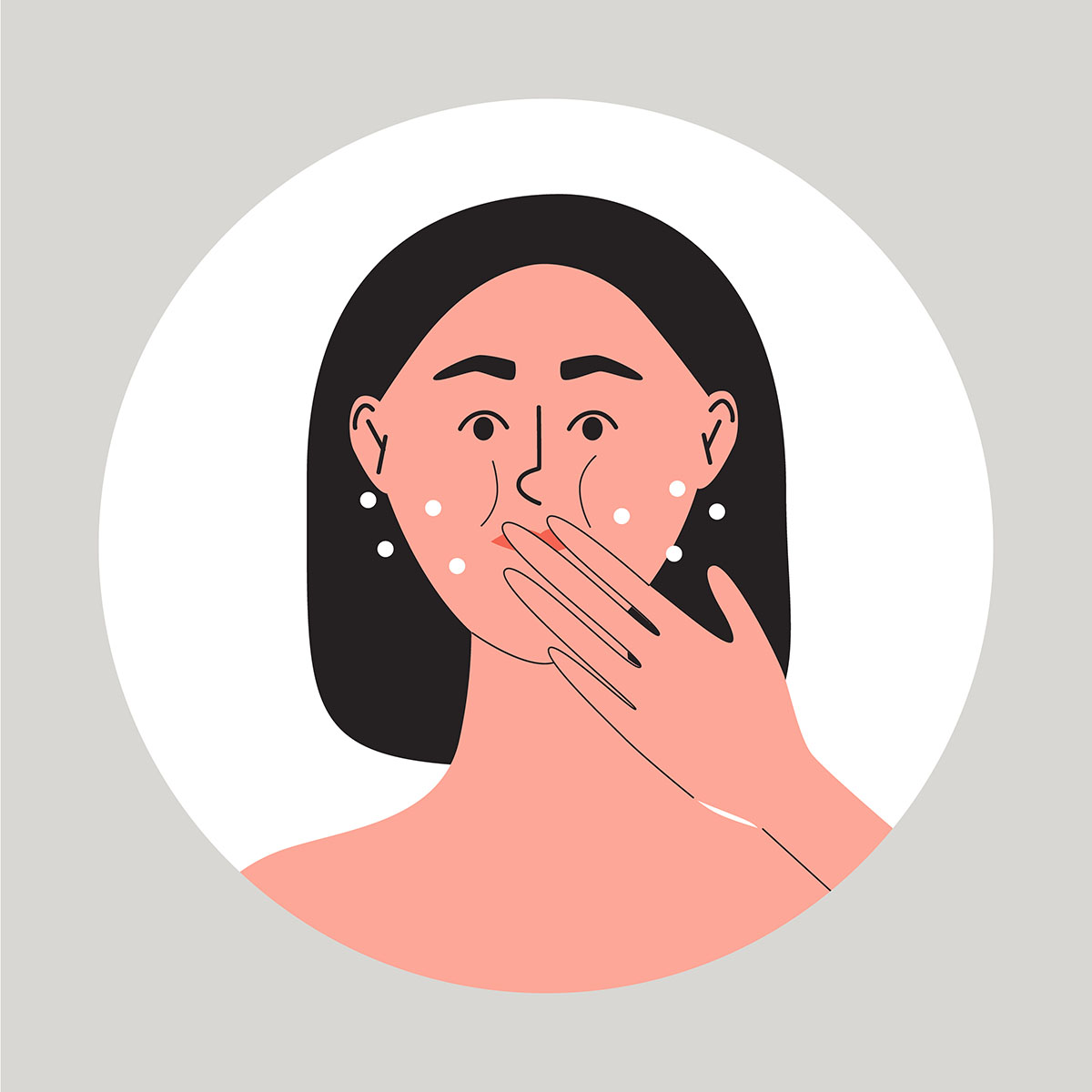
In one trial, 10% of patients taking semaglutide reported burping or eructation (belching) as a side effect compared to 1% reporting burping with the placebo. Many users of these medications describe them as ‘sulphur burps’ because they smell so bad. So, what causes it?
Dr. Hal Brindley is a consultant gastroenterologist and liver specialist at HCA London Bridge Hospital, Barts Health NHS Trust as well as an honorary senior clinical lecturer at the Centre for Immunobiology Queen Mary University of London.
He says, ‘The primary reasons for bad breath (halitosis) when taking GLP-1 agonist medications are twofold. First, these drugs often lead to a lower calorie and carb intake, forcing the body to break down fat for energy—a process called ketosis. This releases chemical byproducts called ketones, and one of them, acetone, escapes through the lungs, causing a distinct pungent "keto breath." Acetone is the same chemical used in some nail polish removers! It's one of the reasons "keto breath" is often described as having a faint, chemical, or even fruity smell.
‘Second, and related to the drug's core function, GLP-1 agonists dramatically slow down how quickly food leaves your stomach—a side effect called delayed gastric emptying. When food sits in the stomach for much longer than usual, it can begin to break down and ferment.
‘This process creates unpleasant gases and odours that can then rise up the oesophagus and be expelled as burps or belches, causing a foul smell known to some as "Ozempic burp" or simply stomach odour venting through the mouth.
‘This slowing of the stomach not only causes odorous burping but can also contribute to general bad breath. It increases the risk of acid reflux (stomach acid backing up), which itself has an acrid smell. Additionally, common side effects like nausea and vomiting—both related to a very slow-moving stomach—can cause dehydration and dry mouth.
‘Dry mouth is a major trigger for bad breath because saliva, nature's mouthwash, is not present to wash away odour-causing bacteria. Therefore, a slow stomach can initiate a chain reaction: fermented food gases, reflux, and secondary dry mouth, all contributing to an unpleasant smell.’

Dental hygiene
If you’ve already got poor dental hygiene, it can get worse, say dentists.
Dr Sam Jethwa is a dentist and the founder of the award-winning Bespoke Smile. He says, ‘We are still in the very early stages of noticing how GLP-1 can affect the mouth, as only very recently have the jabs started being widely used. It is also important to note that any changes to oral health will happen over time, weight loss jabs won’t have an instant effect. When people are on weight loss injections, they may end up reducing their carbohydrate intake. When this happens, the body can move into Ketosis, which can be smelt through the breath. Although harmless, the ketosis stage can cause the breath to smell sweet, fruity or metallic.
‘A dry mouth can arise from weight loss injections. Saliva protects the mouth from odour-producing bacteria. Lack of saliva also means that food debris may stay in the mouth for longer - further contributing to bad breath.
‘There is still a lot to learn about weight loss jabs, and people will respond differently. Not everyone will experience bad breath, but there are certain factors that can make this more likely.
‘For example, those who lose weight rapidly or if their body is spending a high proportion of time in ketosis are likely to see a noticeable change to their breath. Anyone with existing oral health conditions or a poor oral hygiene routine may also notice changes to their breath.’
Dr Jethwa goes on to explain that there are stages to weight loss which causes the bad breath. ‘Ketosis stage: This is when the body is burning fat for energy instead of carbohydrates. During this time, the body converts fatty acids into ketone bodies, including acetone. Acetone is released through the lungs, hence why the breath can change odour.
‘Slower digestion. The body digests food at a slower rate, meaning increased chance of experiencing acid reflux which affects the breath. A change in gut bacteria caused by slower digestion can also impact the breath, as can the food spending more time in the upper digestive tract.
‘Dry mouth. Saliva protects the mouth from odour producing bacteria. We are still understanding why a dry mouth occurs on weight loss jabs, but this could be linked to reduced eating / drinking (less chewing, less saliva stimulation) and perhaps nausea caused by the jabs which can lead to dehydration.’
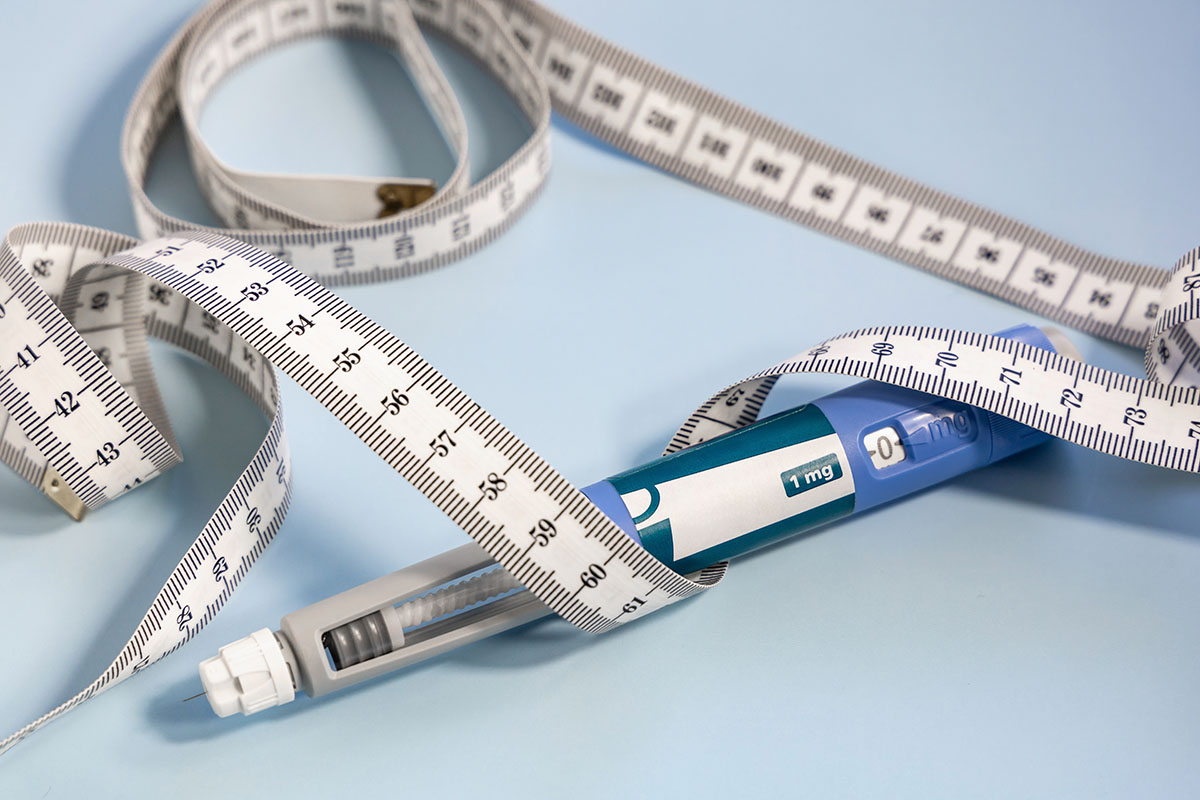
Taking action
Dr Hal Brindley says, ‘To manage this, the most important steps are maintaining excellent oral hygiene and staying hydrated to counter dry mouth. To minimise the food fermentation odours from a slow stomach, try eating smaller, more frequent meals and focusing on foods that are lighter and easier to digest, such as lean proteins and less fatty/greasy items.
‘If the problem is severe or persistent, it is important to talk to your doctor or pharmacist, as they may suggest an adjustment to your medication or diet, or possibly a prescription to help speed up stomach motility.’
Dr Jethwa says, ‘Maintaining a good oral hygiene routine is the most important thing you can do. This will involve brushing the teeth twice a day, flossing, using a fluoride toothpaste and sticking to regular dental check-ups. A sugar free gum can help to stimulate the salivary glands and help with a dry mouth as well as staying hydrated.’
So, while Ozempic Breath is indeed ‘a thing’, it’s important to keep up with regular dental appointments as well as be sure there are no other health concerns behind the bad breath. Remember, persistent or severe halitosis needs to be checked out by your doctor or dentist.

‘Ozempic face’ refers to the gaunt, hollow appearance some people develop after rapid weight loss. As facial fat reduces quickly, cheeks can sink, skin may sag, and features look sharper, giving an older or more tired appearance. It's caused by weight loss and loss of facial fat, not the drug itself.
‘Ozempic vagina’ is also a consequence of rapid weight loss. As well as increased vaginal dryness, irritation and discomfort during sex usually caused by hormone shifts and dehydration, there are also changes to the ’plumpness’ of the area which is making some women turn to surgery.
‘Ozempic body’ began trending as people noticed a gaunter, deflated look after significant weight loss. GLP-1 medications don’t discriminate between fat and muscle; if protein intake or resistance training is low, users may lose lean mass, which affects metabolism and overall strength.
‘Ozempic penis’ refers to an optical illusion where some users feel their penis looks larger after weight loss from the medication. It’s not a scientifically proven side effect of the drug itself, it’s because fat loss in the pubic area can make more of the penis visible, and improved metabolic health might also play a role in blood flow.
Read more:
