
The 6 shocking body parts that people don't clean enough (the worst will surprise you)
You might think you know how clean you are. Wash your hands, shower, brush your teeth, done, right? Not quite.
While we all shower and scrub, some places on the body are shockingly dirty, hosting rich ecosystems of bacteria, fungi, and microbe communities that thrive where moisture, skin cells, and warmth collide. And among all of them, one unassuming spot stands out as arguably the dirtiest place on your body.
It’s worth understanding why some areas are dirtier than others. Your skin is your body’s largest organ and it’s covered in microbes. On average, the human body carries trillions of bacteria, mostly harmless, and many beneficial. But some areas provide perfect conditions for microbes to thrive:
- Warmth - bacteria love heat
- Moisture - sweat and oil help them grow
- Crevices or folds - hard to reach places trap more microbes
- Frequent contact with surfaces - transfers environmental bacteria
So, when you combine skin folds, sweat glands, oils, and overlooked spots, you build a microbe haven.
Now let’s count down the six dirtiest places on your body, from common offenders to the surprising number one.
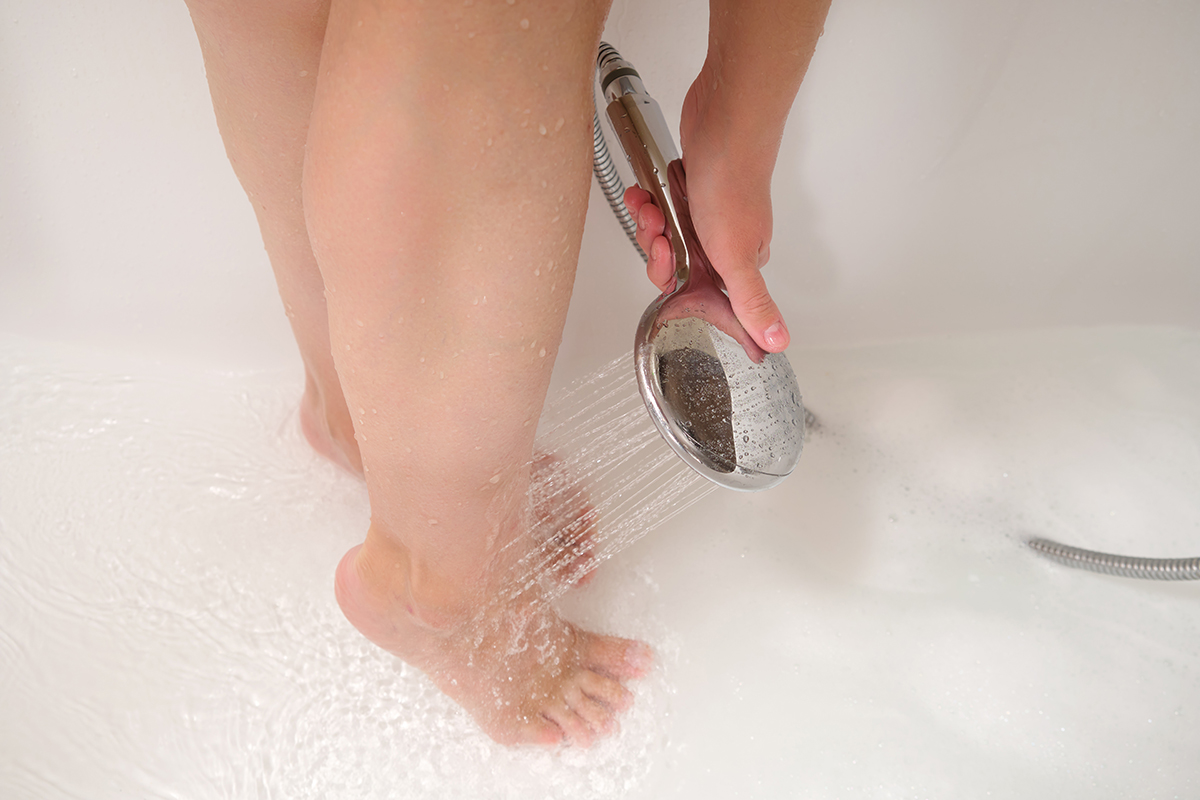
6. Between your toes
It’s a big contender for griminess because:
- Feet perspire more than most people realise
- Shoes trap warmth and moisture
- Toe webs (the skin between toes) stay hidden and damp
This moist, warm, low-air environment is perfect for fungal growth which is why athlete’s foot thrives here. Studies of foot microbiomes show a high diversity of bacterial and fungal species. Even if you shower daily, between-toe areas are easy to miss if you don’t actively separate and dry each toe.
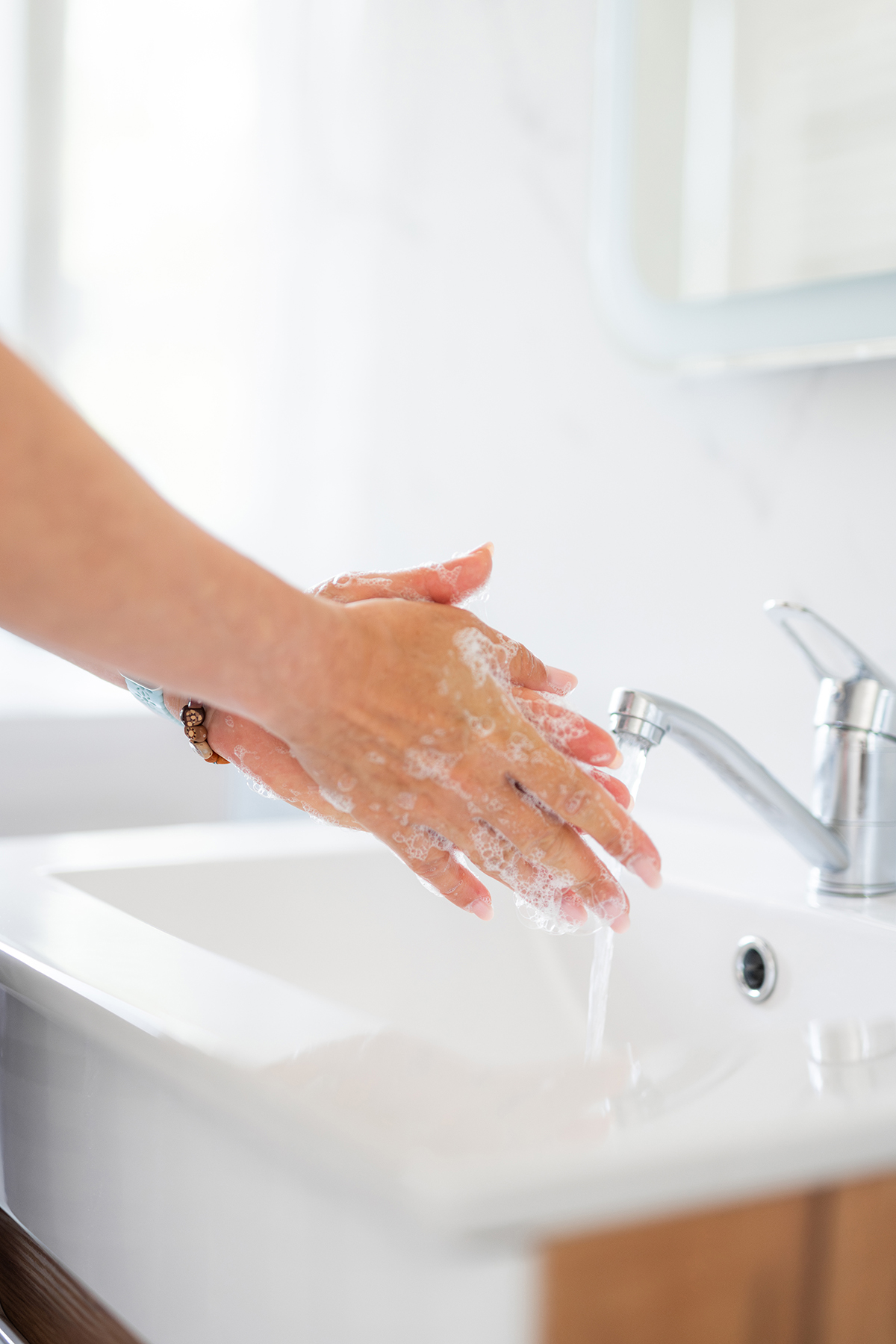
5. Under your fingernails
Our hands touch everything, door handles, keyboards, phones, food, pets, money, public transport poles, and more. Many people assume washing hands gets rid of all germs, but a big reservoir of microbes collects under the nails.
Why it’s dirty:
- Fingernails accumulate debris
- They trap microbes sheltered from soap
- Nail beds are high-contact and often overlooked
Hands have one of the richest and most diverse collections of bacteria on the human body, often more than many commonly touched skin sites and capable of transferring microbes to surfaces we touch. So, even if hands feel clean, that little space under the nail can be a microbe hotspot.
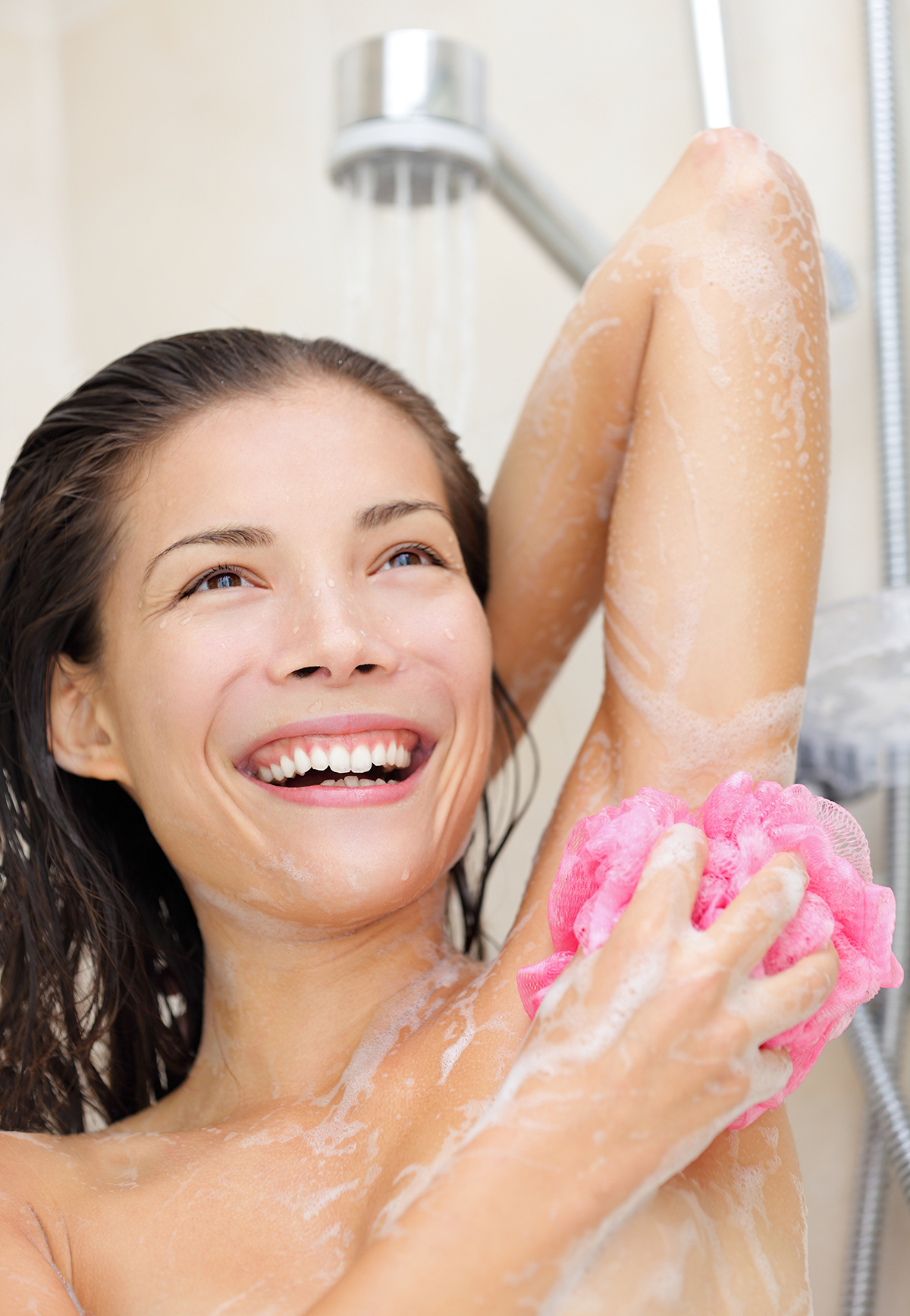
4. Your armpits
Armpits are notorious for smell and for good reason. They’re rich in:
- Apocrine sweat glands, which produce a fatty, protein-rich sweat
- Hair, which traps odour molecules
- Warm, somewhat moist conditions
While sweat itself doesn’t smell, bacteria in your armpits break down those sweat molecules, releasing odours. Interestingly, armpits might not be the most microbially diverse region, but the microbes there have high odour-producing potential.
So, your pits are less about total bacteria count and more about the smelly ones.
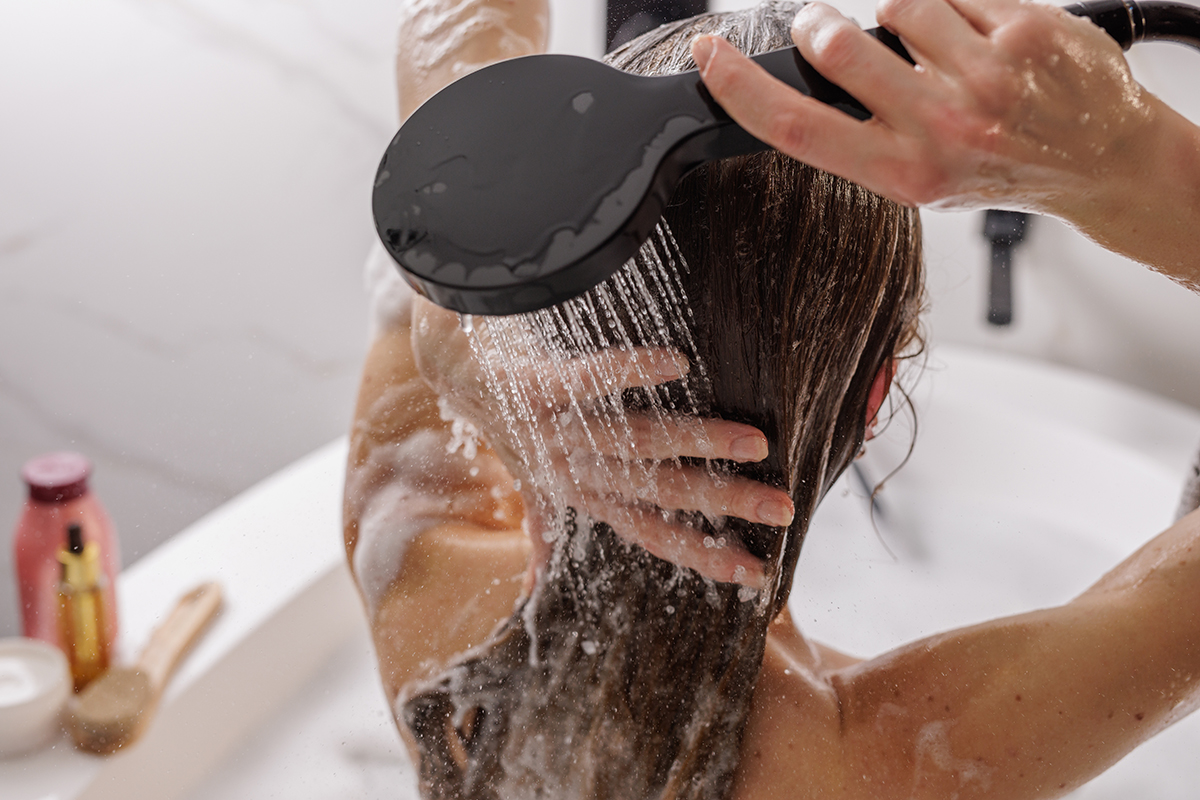
3. The scalp
Your head might not seem dirty, but your scalp produces:
- Sebum (oil)
- Sweat
- Dead skin cells
These mix into a rich feeding ground for bacteria and yeasts, especially Malassezia, a yeast associated with dandruff.
Studies of the scalp microbiome show high microbial diversity, particularly in people who don’t wash their hair regularly or use heavy hair products. Hair follicles, glands, and skin folds all add to the complexity.
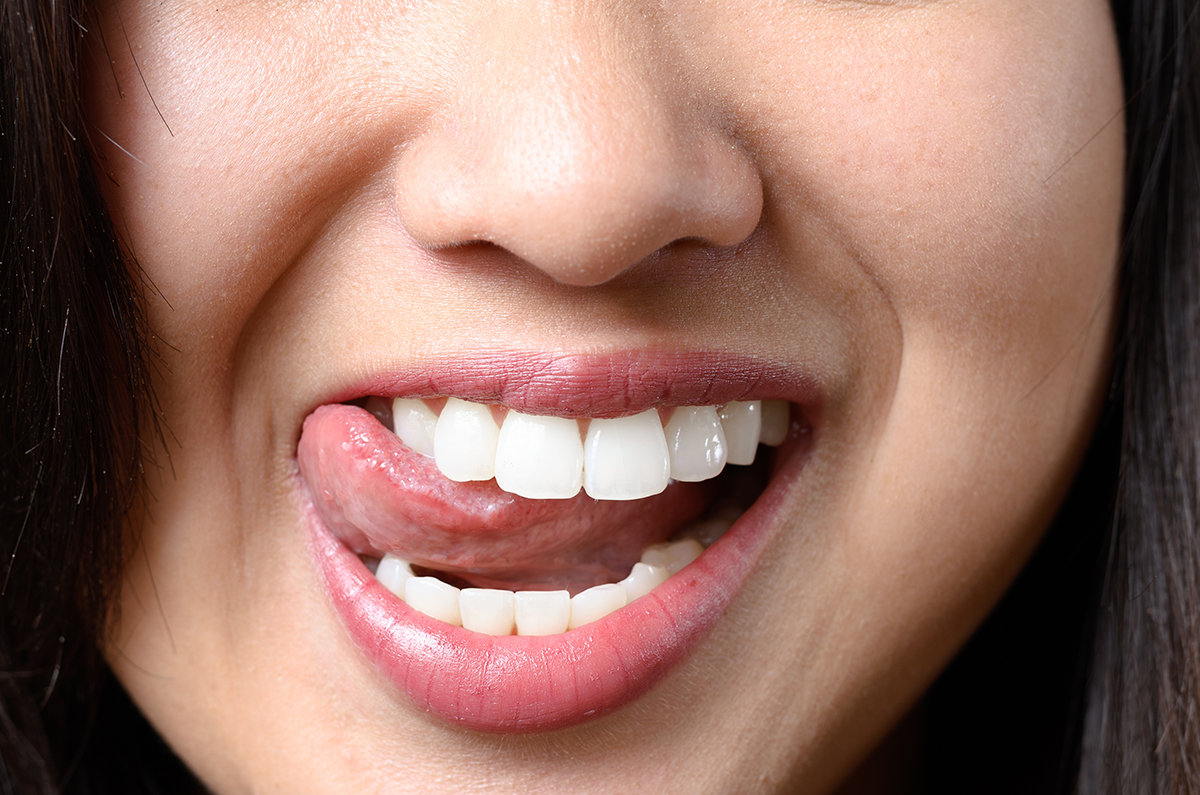
2. The mouth
You might be surprised to see the mouth so high on this list, but it’s one of the most microbe-dense environments in the human body.
Why?
- Constant warm, moist environment
- Food particles feed microbes
- Plenty of surfaces: tongue, teeth, gums, cheeks
The mouth is home to hundreds of bacterial species, many beneficial, some harmful. Most oral bacteria play vital roles in digestion and oral health, but poor hygiene can lead to plaque, gingivitis, and bad breath. So, while your mouth is teeming with life, much of it is normal and part of healthy physiology.

1. The belly button
Your belly button is shockingly full of bacteria, more than almost anywhere else on your body.
Researchers have studied the microbiome of navel regions and found a remarkable diversity of microbes, including dozens of bacterial species sometimes hundreds within a single belly button.
Belly buttons contained greater bacterial diversity than many other body sites, including forearms and even feet. That’s wild considering we actively wash hands and feet daily.
So, why is the belly button so dirty? It’s a crevice with limited airflow. The belly button naturally forms a pocket especially in people with deeper navels. That pocket traps:
- Dead skin cells
- Sweat
- Clothing fibres
- Dust
- Oils
The deeper and tighter the fold, the greater the trap. Plus, it’s often neglected during washing Most people soap and rinse arms, chest, and stomach but few take time to wash inside the navel.
The belly button microbiome can include:
- Staphylococcus species - common skin bacteria
- Corynebacterium - also common on skin
- Various rare or less-studied microbes
- Sometimes fungi, depending on moisture and hygiene
Importantly, most are harmless on healthy skin but in people with compromised immunity or wounds, certain bacteria can cause issues. Even without illness, a forgotten belly button can accumulate dirt and odours.
Most microbes on your body are normal and not pathogens. In fact, many help protect you by occupying space that could otherwise be taken by harmful microbes. However, when bacteria accumulate in neglected areas, they can contribute to:
- Body odour
- Skin irritation
- Inflammation
- Infection (in rare cases)
Tips for a cleaner, healthier body
- Don’t skip small spots - belly button, between toes, under nails.
- Dry completely - microbes hate dryness.
- Use gentle products - stripping all oil disrupts your natural microbiome.
- Remember moisture traps - where sweat and folds meet.
- If something changes (odour, discharge, pain), see a doctor.
Read more:
