
The best birth control for every age - from your 20s to your 50s (yes even you!)
Birth control is the medical topic that is discussed with you from nearly the second you’re born. It keeps you safe, helps you to live a fun and healthy lifestyle, and it should hopefully be available whenever you need it. But there’s not one birth control method that we should stick to for the rest of our lives. As our bodies change, so should how we take care of them. These are the factors that you should be considering to look after your hormonal and sexual health at every stage of life.
What do we mean by birth control?
Birth control is an umbrella term that refers to contraception. Contraception prevents pregnancy during heterosexual sex, and some methods can also protect your health from sexually transmitted infections (STIs). Each contraceptive method has a different effectiveness level, so if you’re looking for a new birth control method, consulting with a medical professional for their advice is the best option. What’s right for you may not be the same for another person, as your favoured contraceptive may be informed by your age, health, sexual behaviour and plans for pregnancy.
‘Don’t be afraid of contraception,’ advises Dr Deborah Lee at the Dr Fox Online Pharmacy. ‘Since the combined pill was first invented back in 1962, contraception has been the subject of extensive research and development. The WHO view, based on a huge amount of research data, is that modern methods of contraception are safe, effective, and vital for preventing unintended pregnancies. For the majority of women, the health benefits of contraception far outweigh the rare risks or complications.
‘It’s a great shame if a woman misses out on contraception. Many life-changing events - often stemming from the misery of an unplanned pregnancy - can be avoided by making a sensible contraceptive choice. Having worked in the field of sexual and reproductive health, I say that with my hand on my heart. Each woman has the amazing opportunity these days to choose when she wants to become pregnant and to space her family.’
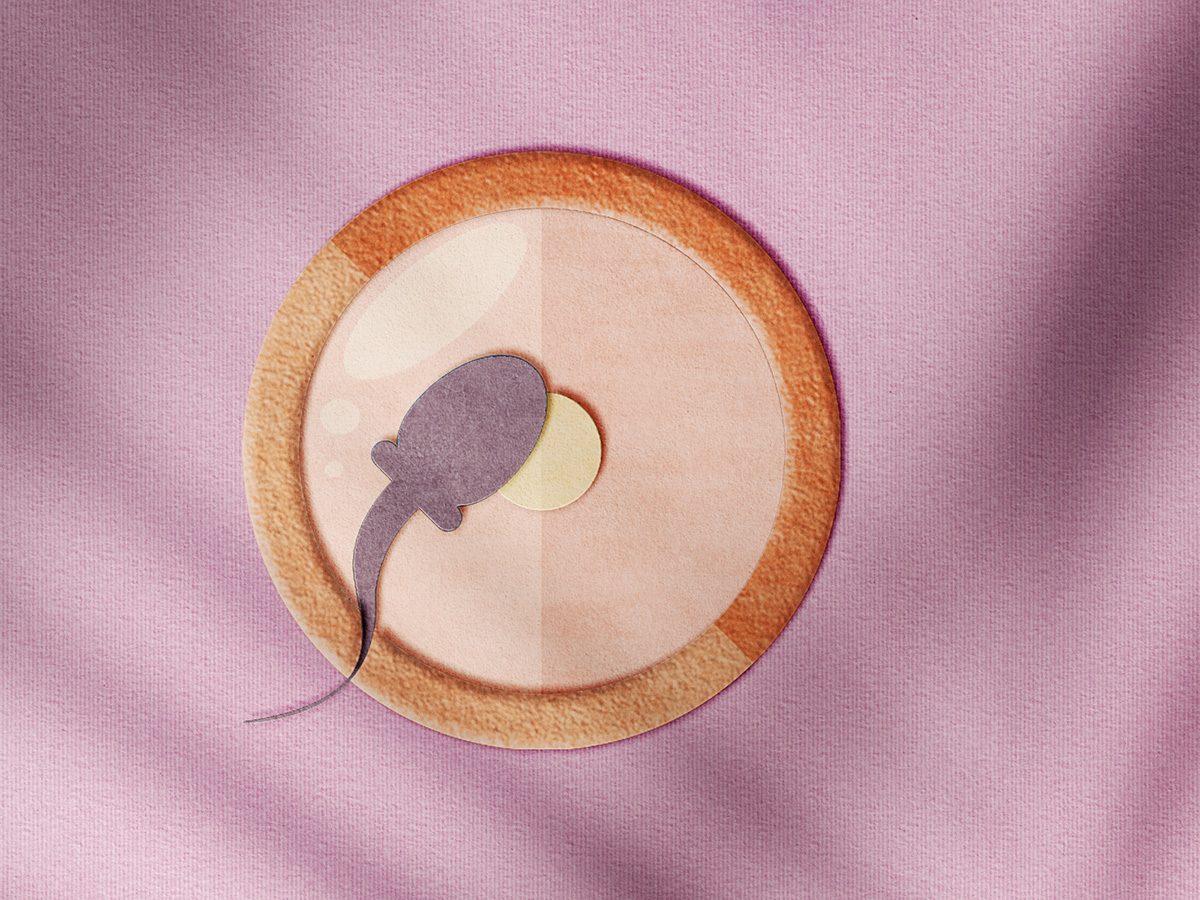
Contraception methods can include:
- Daily contraception – Contraception that you need to consider every day, not just during sex (for example, the combined pill, mini pill and natural family planning).
- Methods to consider during sex – This includes any contraception that you must use every time you have sex (for example, condoms, diaphragms and internal condoms). Condoms and internal condoms can also help to protect you against STIs and are the only contraceptive method to do so.
- Long-acting reversible contraception (LARC) – Contraception that can help protect you from pregnancy for potentially months or years (for example, the contraceptive implant or injection).
That’s different to emergency contraception, which should be used as a last resort when you need it, rather than a routine habit. You can’t rely solely on emergency contraception as your birth control method, as Dr Deborah explains: ‘Taking repeated doses of emergency contraception is more likely to mean you end up pregnant than regularly using a reliable contraceptive method. The failure rate of Levonelle is around 2.3%. It can be taken up to 120 hours after unprotected sex, but the failure rate is higher the longer it is taken after the event. ellaOne has a failure rate of 1%. You should not take Levonelle within 5 days of taking ellaOne as it can interfere with its mode of action.
‘When you compare other methods, such as LARC contraception, this is far preferable as it offers 99% contraceptive reliability for a very low dose of hormone or no hormone at all (an IUD).’
Permanent contraception methods are also available if you’re looking for something to align with your long-term goals or family planning. They can include sterilisation, vasectomy or a hysterectomy. As these procedures are, by name, permanent, thoroughly chatting with your doctor about the possibility of undergoing one is recommended.
Your chosen contraceptive method will only work effectively if you’re using it correctly. If you’re using contraception sparingly through ‘typical use’, such as missing a contraceptive pill or removing a condom during sex, contraception will be less effective.
Dr Deborah debunks birth control myths

When researching symptoms or information online about your health, it’s easy to get confused. One wrong mistake could lead you to doing something you may later regret or exposing yourself to further risk. To understand the facts from the fiction, we asked Dr Deborah to explain some of the biggest misunderstandings she’s seen among those she’s helped:
You’ll gain weight on the pill – ‘False. There is no medical evidence to support the fact that the pill causes weight gain. Women tend to gain weight as they get older, whether they take the pill or not. There is a huge problem regarding obesity in the UK right now, with 63% of adults overweight or obese. This is due to complex reasons, including poor dietary habits, too much processed and ultra-processed food and lack of exercise. I would urge women not to blame the pill for weight gain. Hormones can sometimes make women feel bloated, and if so, this should be discussed with your healthcare provider.’
Infertility is caused by the pill – ‘False. In a 2018 review and meta-analysis of 22 studies including 11,884 women, 87% of those who discontinued the pill were pregnant within 12 months, in comparison to 84.75% of those who had discontinued the IUD and up to 90% of those who had discontinued the implant. Return to fertility did not depend on the type of contraception used, duration of use or type of progesterone. Note that 15% of couples will naturally fail to get pregnant within 1 year due to reasons that have nothing to do with contraception.’
The ‘pull out’ method works – ‘False. The pregnancy rate with withdrawal is around 20% with typical use. This means 1 in 5 women using this method would expect to be pregnant within 12 months. Sperm are present in pre-ejaculatory fluid. It’s all too easy to make a late withdrawal. I would never advise anyone to rely on withdrawal for contraception.’
You don’t need condoms if you’re using other contraceptives – ‘Condoms are the only way a woman can protect herself from STIs. Other forms of contraception do not offer STI protection. However, male condoms are not a reliable form of contraception, with a typical use failure rate of 18%. This means that around 1 in 5 women using male condoms as their main form of contraception will be pregnant within 1 year. Women are strongly recommended to use a reliable method of contraception to prevent pregnancy, as well as condoms to prevent STIs. You can stop using condoms if you want to, when you know you are in a monogamous relationship, and both you and your partner have had a full STI screen and tested negative.’

The birth control that will help you at different ages
In your 20s
When you’re looking for your first birth control method to befriend in your 20s, you want something that is simple, reliable, and adaptable to your lifestyle. ‘Women are highly fertile and need a very effective method,’ shares Dr Deborah. ‘They may have a chaotic lifestyle, for example, being a student or travelling. A LARC ‘fit and forget’ method, such as the IUD/IUS, implant or injectable, has advantages for young people.
‘The combined pill is still popular as women are in control and can stop and start it easily without having to see a doctor. Pill packs can be run together to get rid of periods, and this also improves the reliability of the pill. The combined pill treats acne, period pain and anaemia. Some women may prefer the oestrogen-containing patch or vaginal ring, in which the hormone is delivered through the skin or the vaginal wall, reducing the dose of oestrogen required and possibly lowering side effects.
‘The injectable can be very convenient, especially for anyone with mental health issues, or who has difficulty remembering to take pills/apply patches or vaginal rings etc., especially as by the end of a year, 50% of users are not having periods.’
Why not try: IUD, implant or combined pill

In your 30s
By the time you’ve entered your 30s, you’ve only just started to learn what you’re looking for in life, and you may still be figuring it out for years to come. It’s why birth control can be so important: for helping you plan a pregnancy and giving you the power to avoid one, too.
‘Women are often juggling work, careers and small children,’ shares Dr Deborah. ‘They haven’t got time for heavy periods and irregular bleeding. The combined pill, patch, and ring all give good cycle control. However, it can be problematic remembering to take the pill or change the patch or the ring on time. Women aged 35 and over who smoke should not be prescribed the combined pill, patch or ring because of the increased risk of DVT and cardiovascular disease.
‘LARC methods such as the IUD/IUS, implant or injectable have many advantages. LARC methods are suitable for women after childbirth and when breastfeeding. Once removed, fertility returns quickly.’
If you’re breastfeeding, it’s also worth noting that you can still get pregnant, Dr Deobrah continues: ‘Breastfeeding is reliable if your baby is under 6 months old and you are fully breastfeeding – and not giving the baby any artificial milk at all. In this situation, it is believed to be 98% effective at preventing pregnancy. However, many women take a belt and braces approach and take the progestogen-only or mini pill while breastfeeding for added security.’
Why not try: Combined pill, patch, ring
In your 40s
When you reach your 40s, you may start to experience symptoms of perimenopause. They may not be as intense as the wave of symptoms that the menopause will trigger, but managing them with your birth control can be a game-changer, as Dr Deborah explains: ‘Women may have menopausal symptoms in their 40s even if they don’t realise this is what is causing them.
‘Irregular and/or heavy periods are not uncommon. Pregnancies do occur in older women and are at higher risk for both mother and baby. This is not the time to stop contraception.
‘The combined pill, the patch and the vaginal ring can be taken by fit, healthy non -smoking women up to the age of 50. Low-dose pills may be more suitable, i.e. those containing 20 mcg of oestrogen such as Femodette/Mercilon. Some women may prefer a progestogen-only mini pill. Note that the new generation of mini pills (Cerazette/Cerelle) is safer than the older mini pills and has a failure rate similar to that of the combined pill.’
Why not try: Copper IUD or the Mirena IUS, combined pill

In your 50s
Even if you think you’ve not had your period consistently for a while, birth control should still be at the top of your mind, as Dr Deborah shares: ‘Women do need to use contraception until they have had 2 years under 50 without a period (off hormones) or 1 year over 50 (off hormones) or as a general rule until age 55. If they are still having periods at 55, they need to continue until 1 year after their last period – this does sometimes happen. This means many women need contraception into their mid-50s. Some women opt to take the mini pill at this time.
‘A copper IUD, if inserted at any time over the age of 40, can stay in situ until menopause. It can simply be removed around the time of the 55th/56th birthday or as needed. The coil must be removed at some point and not left indefinitely.
‘Even if you’re no longer worried about pregnancy fears for the first time, birth control is still important. Contraceptives can still protect you from getting any STIs from partners, making them a key part of your sexual health.’
Why not try: Copper IUD or the Mirena IUS
Disclaimer: This article is for informational purposes only and does not replace medical advice. Always consult a qualified healthcare professional if you experience concerning symptoms.
Read more:
