
How your bum shape could signal diabetes risk, according to study
A new imaging study suggests that the size and shape of the gluteus maximus, the large muscle that forms your bum, may offer early clues about metabolic health and even reveal that you are at risk for developing type 2 diabetes before symptoms appear.
In a study presented at the Radiological Society of North America annual meeting, researchers identified structural changes in the gluteus maximus muscle associated with type 2 diabetes.
Men with diabetes showed areas of localised muscle thinning, while women showed outward bulging of the muscle, likely due to the accumulation of fat between or within muscle fibres.
‘We found that both glute muscle size and muscle shape vary with age, physical activity, frailty, osteoporosis, and type 2 diabetes,’ says lead author Marjola Thanaj, PhD, a senior research fellow at the University of Westminster.
The findings suggest that the shape of your bottom can be a good indicator of metabolic health.
- The quiet but deadly cancer symptoms doctors warn are often missed
- Most people have this in their body and it could explain your bad gut
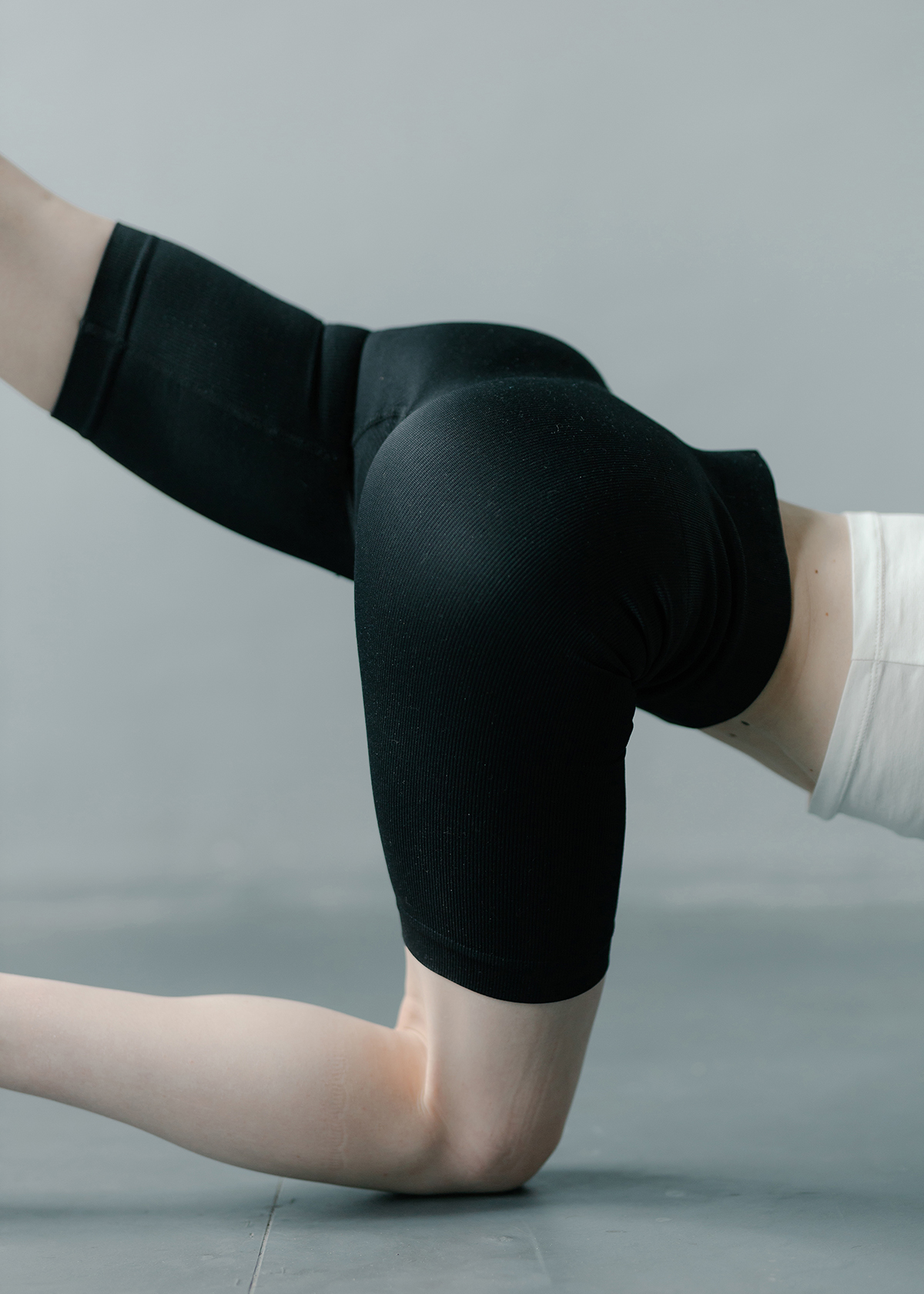
What the research showed
Using data from over 61,000 MRI exams, investigators explored how 86 different factors, including age, physical activity, biomarkers, lifestyle habits, and health conditions, were linked with subtle changes to the gluteus maximus.
Researchers quantified these changes using ‘surface-to-surface distance,’ a measure of whether a given area of muscle bulges outward or shrinks inward compared with a sex-specific template.
This approach allowed them to pinpoint where the muscle was changing and how those patterns differed across health conditions.
Researchers found key differences in the bottoms of men and women with type 2 diabetes:
In men, MRI 3D mapping showed small, very specific ‘dips’ or indentations in the gluteus maximus muscle — a sign that some regions of the muscle are thinning. Rather than the whole muscle shrinking, these changes appeared in specific areas, a pattern typical of early muscle atrophy, as the researchers report. ‘These localised areas where the muscle dips inward likely reflect regional atrophy,’ Thanaj explains. They may be early indicators of metabolic dysfunction, she adds.
In women, the pattern looked completely different. Instead of thinning, women exhibited small pockets in which the muscle appeared to bulge outward. These outward curves are consistent with fatty build-up inside the muscle — sometimes called fatty infiltration or ‘fatty hypertrophy’ — which can happen when muscle tissue is gradually replaced by fat.
‘These opposite signatures indicate that the same disease manifests differently in male and female muscle,’ says Thanaj. The study suggests that men are more prone to losing muscle tissue in certain regions, while women are more likely to accumulate fat within the muscle.
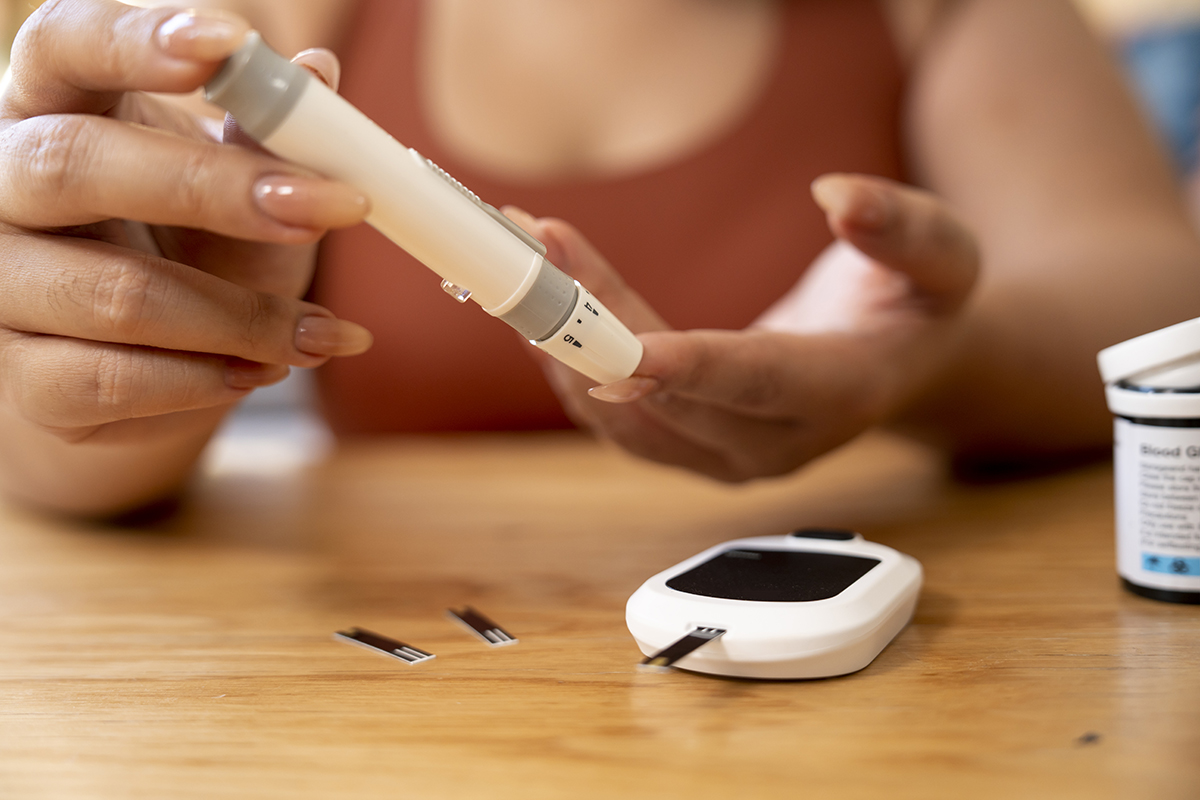
Why muscle impacts diabetes risk
Type 2 diabetes risk increases steadily as people grow older and less active, lose muscle mass, and accumulate fat. All these changes contribute to insulin resistance, in which cells stop responding effectively to insulin. As that resistance grows, blood glucose (sugar) rises, eventually leading to diabetes.
Over time, insulin resistance itself contributes to muscle change, intensifying the metabolic cycle that leads to type 2 diabetes. The gluteus maximus is the largest muscle in the body and a major metabolic engine. Because it plays a major role in the body’s ability to utilise glucose, structural changes may indicate metabolic dysfunction.
The key message is that a strong behind may help you stave off diabetes, so put in the effort, says Thanaj. ‘Maintaining strong, well-conditioned gluteal muscles appears to be protective against future risk of type 2 diabetes, while early structural changes, especially increased intramuscular fat, may signal emerging metabolic dysfunction,’ she says.
If you want to strengthen your buttocks — and potentially reduce your risk of diabetes — cutting the amount of time you spend sitting, maintaining a healthy weight, and getting regular exercise can all help.
How to fight against intramuscular fat
Those with higher levels of fitness are more likely to avoid the muscle quality deterioration associated with an increased risk of type 2 diabetes. The most significant intervention to achieve this is to increase weekly physical activity.
‘It’s about being active and using all of your muscles,’ Dr Andrew Murray, a leading specialist within sports and exercise medicine, says. ‘People don't like changing their diet, and they don't like changing their exercise habits, so that's why simple things like walking and steps are quite easy for people to do.’
Murray says the key is finding ways to squeeze more movement into your day, which allows you to do so on a consistent basis. This could mean taking a work call while walking, or stepping off public transport one stop early when heading to the office.
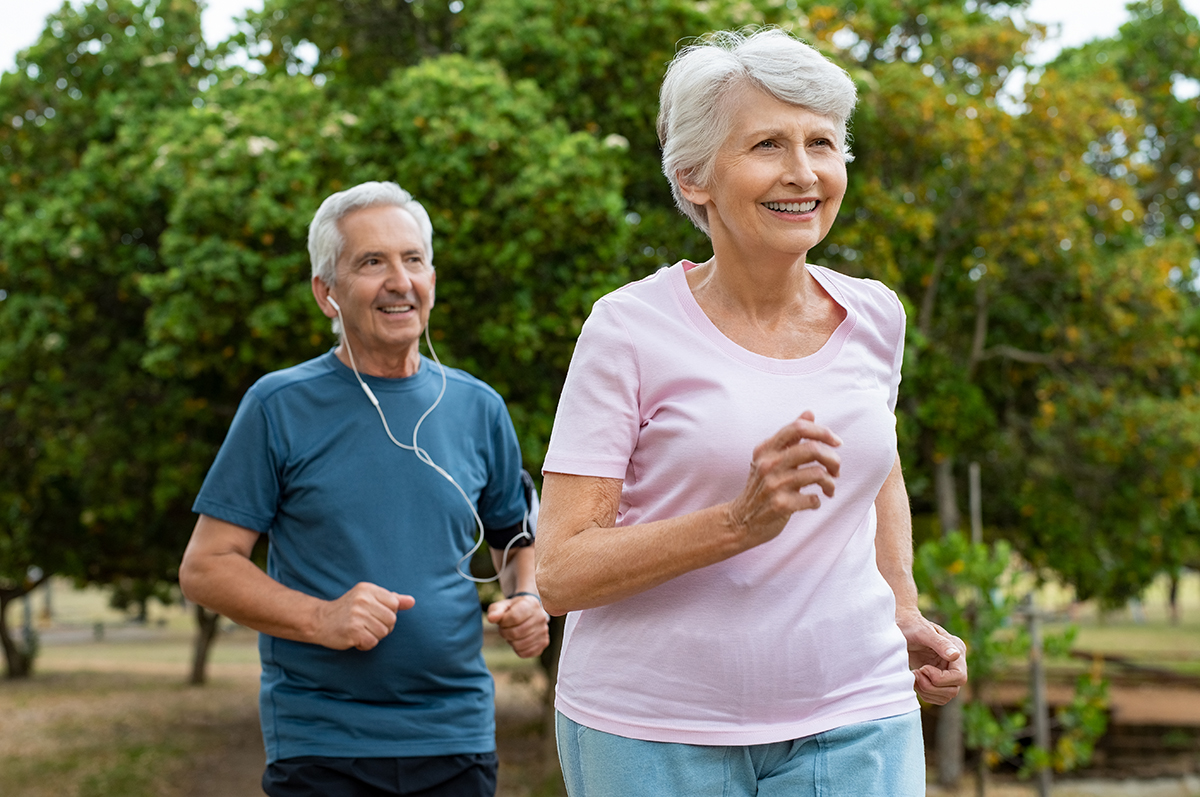
Incorporate moderate – and vigorous – intensity activity
Higher-intensity activities have been associated with greater positive health effects. This informs the World Health Organisation’s weekly physical activity guidelines for adults aged 19-64, which prescribe at least 150 minutes of moderate-intensity exercise, 75 minutes of vigorous-intensity activity per week or a combination of both.
‘These minutes should be spread across the week, with no more than two consecutive days without activity,’ says Murray. ‘Moderate-intensity activities increase your breathing rate but still allow you to maintain a conversation. For example, walking at a brisk pace [4-6kph] or cycling on level ground.
‘During vigorous-intensity activities, your breathing rate increases further and speaking in full sentences becomes difficult. Examples include running or walking up a steep hill.’
The importance of strength training
Murray says the best way to increase muscle strength and size is strength training – any activity that involves overcoming an external force by contracting your muscles. This could mean lifting weights or simply overcoming gravity using bodyweight exercises like squats and press-ups.
‘Regular strength training is best known for its effects on increasing strength and muscle size,’ says Murray. ‘However, regular resistance training can also cause favourable metabolic changes within skeletal muscle, which improve glucose metabolism. Performing two to three resistance training sessions per week has been shown to reduce the risk of diabetes by approximately 17-30%.’
He prescribes compound exercises, or those that recruit multiple muscles at once, for those looking for the greatest impact on total-body strength and glucose metabolism.
‘Choose a weight or resistance level that allows you to complete five to 10 repetitions with proper technique,’ suggests Hough. ‘The final few repetitions should feel challenging, but there is no need to reach complete exhaustion. A practical guideline is to end the set when you feel you can only complete one or two more repetitions with good form.’
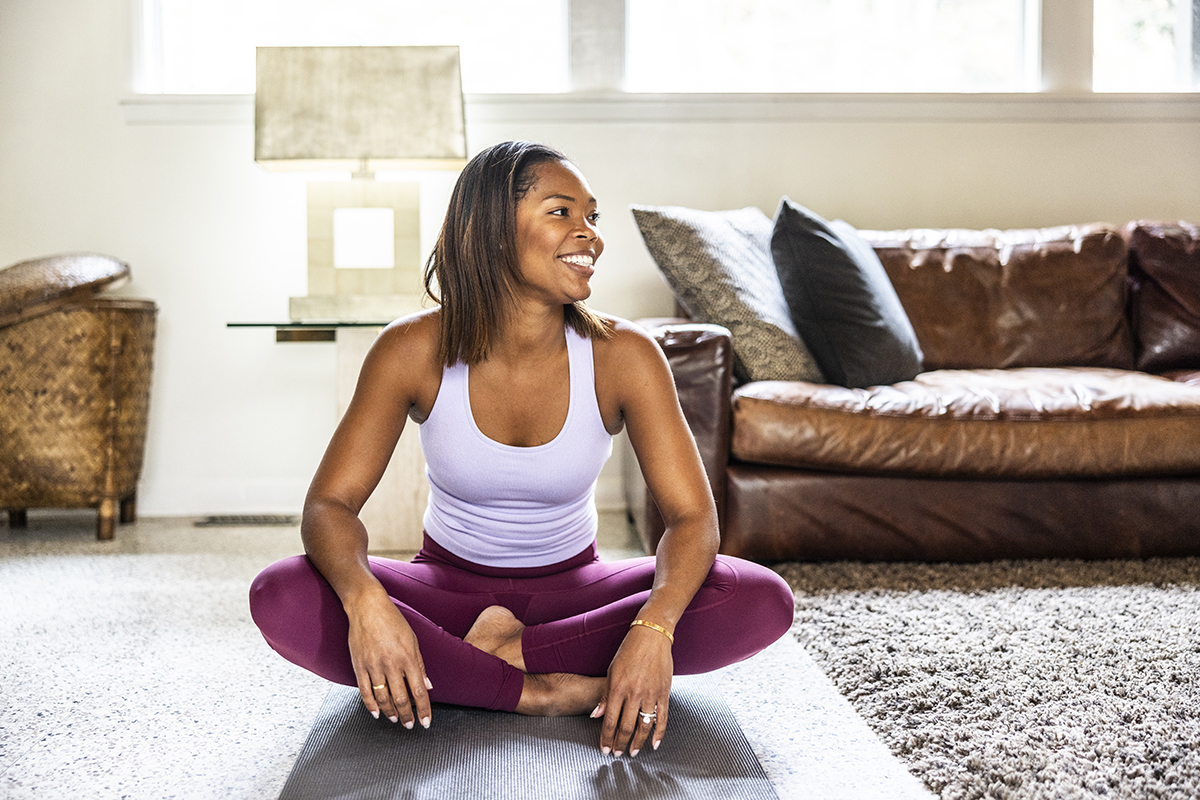
Start with hip thrusts
Personal trainer Anthea McCourtie says hip thrusts are an easy, at-home exercise that requires no equipment, as you are using your body weight. This exercise works the gluteus maximus muscles, the main muscles in the bottom.
To start, clear some space on a sofa. Lie with the top of your back on the sofa seat, with your feet on the floor (knees bent approximately 90 degrees). Ensure that you keep your hips and bottom free of the sofa. Start with your bottom hovering about an inch off the floor (so you’re not quite sitting down). Squeeze your bottom as you lift your hips. Aim for your knees, hips, back and shoulders to be in a straight horizontal line. Lower back down to hover back in that seated position. Aim for 10 reps in a 2-2 tempo (coming up and down on a count of two).
If you’re a beginner, aim for three sets of 10 reps, working up to 20 reps in each set with practice.
Stabilise and tone with clamshells
These are named for how your legs and hips resemble a clamshell during the movement, and fitness instructor Eloise Skinner reports that this exercise strengthens your hips and thighs while stabilising your pelvic muscles and toning your glutes. It may also ease lower back tension.
Lie on your side with your bottom arm stretched out underneath your head. Bend your knees to approximately 45 degrees, keeping your feet aligned with your hips. Anchor your feet together and lift your top knee, ensuring your back remains neutral. Slowly close the knee. Repeat 10 times, holding the final open knee and, if indicated, taking a few small pulses (pushing 1 inch back and forth) at the top. Repeat on both legs.
Swap squatting for pulsing
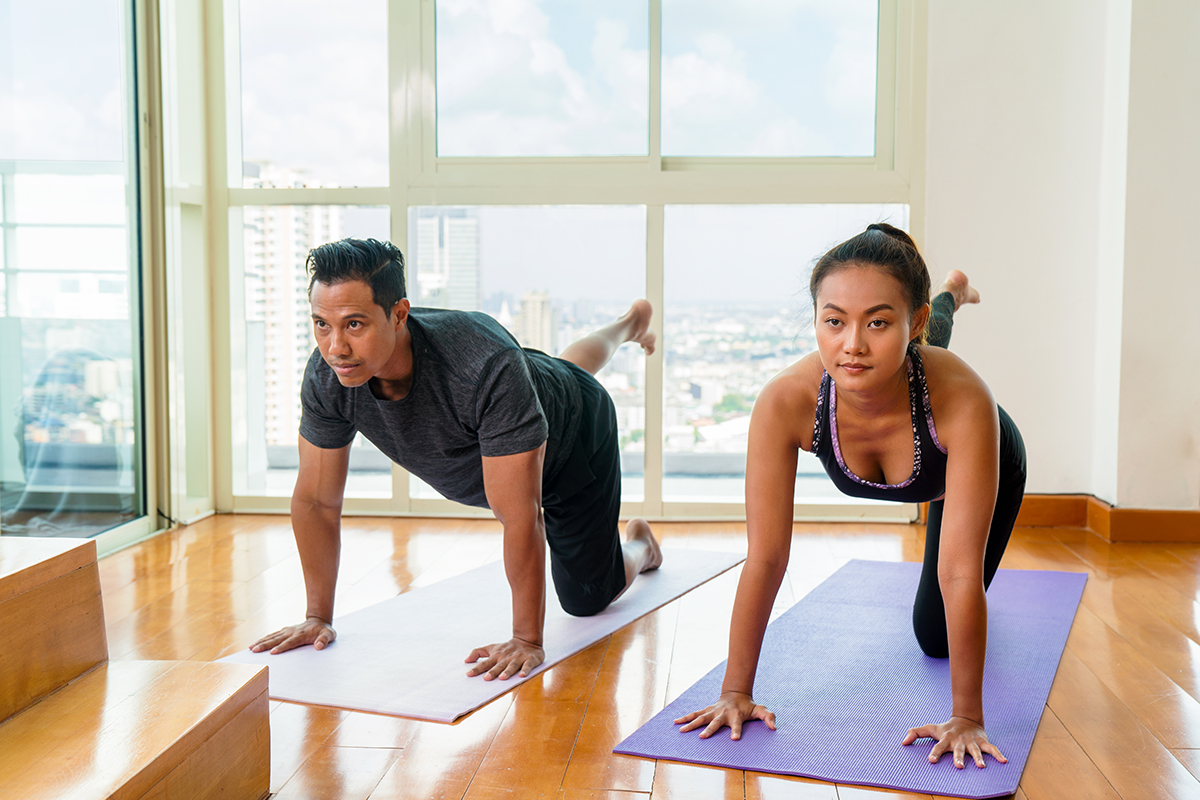
Skinner says a single-leg pulsing move will focus more deeply on the glutes than squatting and lunging. It’s another exercise you can incorporate into a home workout, as you don’t need any kit.
From table-top position (all fours, with your hands under your shoulders), bring your knees together and extend one leg back behind you. Ensure the extended leg stays aligned with your spine, avoiding arching in your lower back. Take ten small pulses through the hip of the extended leg, engaging your glute muscles and using your core for stability. Extend your opposite arm to the front of the room for an added challenge. Repeat on both legs.
Try a downward dog with a single leg
The one-legged downward dog yoga pose has many benefits, says Skinner: it stretches the hamstrings, calves, Achilles’ tendon, hip flexors, and glutes and helps build balance and coordination.
From the downward-facing dog position (hands on the floor, shoulder-width apart; feet on the floor with legs hip-distance apart, sending your tailbone up to the ceiling in an inverted ‘V’ shape), bring your feet together. Send one leg up to the ceiling, pointing your toes to engage the arch of your foot. Take ten pulses on this leg, utilising the glute muscles. Repeat on both sides.
Build core stability with elevated glute bridges
Consistently doing glute bridges is an effective way to increase core stability, build glute strength, and help with form and function as you perform other exercises, says personal trainer Tej Patel.
To perform an elevated glute bridge, lie on your back with your feet on a step, bench, or couch. Driving through your heels, lift your hips until your body forms a straight line from shoulders to knees, keeping your knees at 90 degrees. Squeeze your glutes at the top for two seconds before lowering with control. Do three sets of 12–15 reps.
Once you’ve mastered the move, Patel recommends placing a dumbbell or a weight plate on your hip to make the exercise more challenging.
Improve balance with Bulgarian split squats
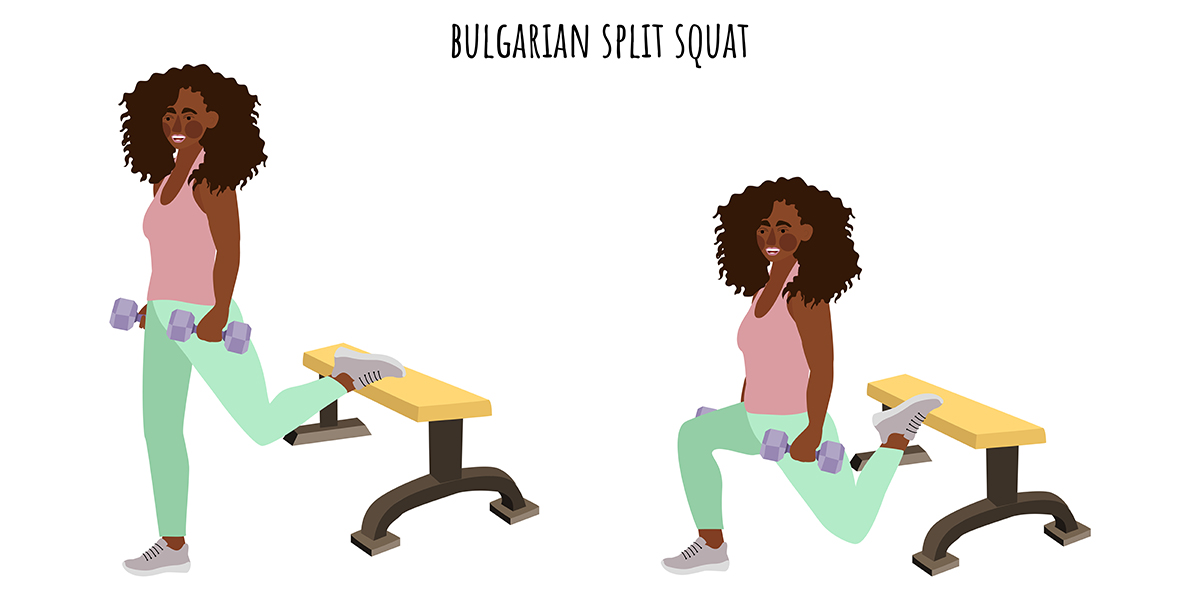
Patel states that the Bulgarian split squat requires good balance, coordination, and lower-body strength and challenges the glutes, quadriceps, calves, and hamstrings. These squats can be performed as a bodyweight exercise or with the addition of dumbbells, kettlebells, or barbells to increase load.
Stand a couple of feet in front of a bench or step, placing one foot behind you, elevated on the bench. Lower your back knee toward the ground while keeping your front knee aligned with your toes. Push through the front heel to return to standing. Complete sets of 10–12 reps per leg.
Sculpt with banded kickbacks
Patel recommends banded kickbacks for sculpting the buttocks because, in addition to toning the glutes, they improve core stability and balance and increase flexibility and range of motion. All that is required is a resistance band.
Start by standing with a resistance band around your ankles or just above your knees. Shift your weight to one leg and kick the other leg straight back, keeping your core engaged. Hold for a second at the top before lowering with control. Perform three sets of 12–15 reps per leg.
Read more:

