
The painful sex problem no one talks about – and why so many women suffer in silence
Ever heard these comments about you sex life before? ‘Have a glass of wine and relax’. ‘Just chill out and get out of your head’. ‘That’s not normal’. If you have experienced this, along with the discomfort sex can sometimes cause, it’s important to know that you’re not alone.
Two in five of us admit to experiencing sexual dysfunction and discomfort. It shouldn’t have to be something we’re embarrassed or ashamed of – and it might be something we can tackle in a fun way.
- If you notice this during sex, your partner is faking their orgasm
- Audio erotica is the hottest sex trend right now. Discover where Hollywood stars talk dirty for you
What is sexual dysfunction?
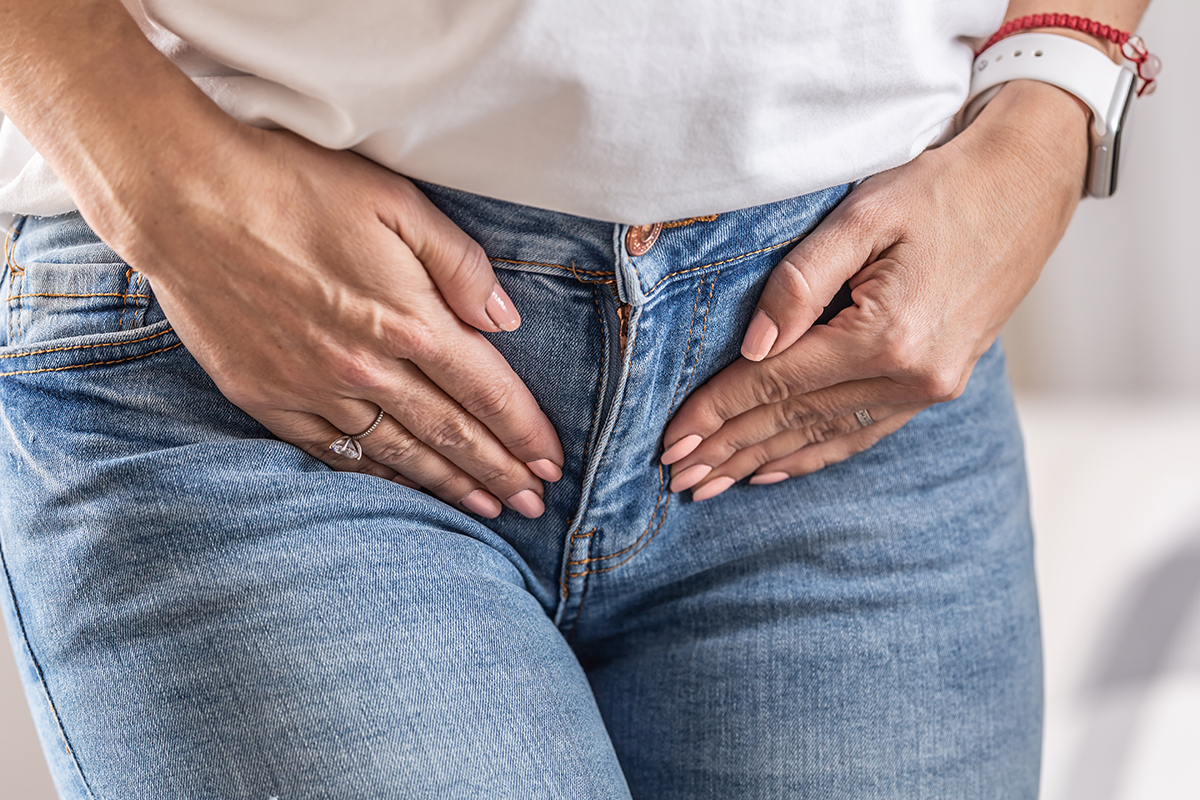
Sexual dysfunction, or dyspareunia, is the medical term that describes the experience of finding sex painful or uncomfortable.
These experiences can be worsened when dealing with mental health struggles like anxiety or depression, which can also worsen our pre-existing mental health problems and leave us feeling like we’re in a cycle we can’t escape.
Some of the main experiences that sexual dysfunction covers include:
- Vaginal Dryness – Finding sex uncomfortable as lubrication is a key issue, causing friction rather than pleasure.
- Vaginismus – A common experience of finding penetrative sex or activity painful due to the pelvic floor muscles contracting. Roughly 30% of women experience vaginismus.
- Anorgasmia – A persistent difficulty to orgasm, causing significant dissatisfaction. 23% of women admit that they experience anorgasmia.

Genitalia have always been a taboo for people to talk about, even before sex comes into the picture.
The vulva was initially called the ‘pudendum’ in medieval times by anatomists, derived from the Latin ‘pudere’, meaning ‘to be ashamed’. It was thought that, because female genitalia are hidden by the legs, compared to men, women should be ashamed of them.
When even the etymology of our bodies is supposed to make us feel embarrassed, it’s hardly surprising that so many of us find it difficult to talk to others when something feels different.
Porn, while exciting and adventurous when used carefully, isn’t real life. It’s not matching lingerie, sculpted body shapes or choreographed moves that look effortless.
A study even found that 88.2% of video clips of pornography were framed as intimacy, despite having aggressive subtext.
The reality of sex is a lot different. In fact, in a 2024 Women’s Health survey on the sex lives of UK adults, it was found:
- 15% of women rarely or never orgasm during sex with their partner.
- 1 in 5 women find themselves too exhausted to have the sex life they desire.
- 35% of women wouldn’t feel comfortable talking to a professional to get support for their relationship or sex life.
- 33% of women are having sex less than once every three months.
Even if your friends are talking about their wild adventures and sexcapades, it may not necessarily be true. How we talk about ourselves may not acknowledge any awkwardness or discomfort we experience in the bedroom.
Fran Bushe, comedian and author of My Broken Vagina: One Woman’s Quest to Fix Her Sex Life, and Yours, believes that how we view sexual discomfort should be reframed: ‘There is nothing sexy about the word ‘dysfunction’.
‘My family can be dysfunctional, my boiler can be dysfunctional, but I want my vagina and sex life to feel like a fully functional, full steam ahead, well-oiled machine. Feeling like a tap that doesn’t quite work feels embarrassing when you want to be the Trevi Fountain. If sex is painful or if our libido is perhaps not what we expect it to be, we can feel we are not ‘enough’, that we are failing and that we are broken. Shame can breed about anything that we don’t speak freely about, and so if we don’t discuss our experiences of sex honestly, we can feel completely on our own.’
You may be mentally ‘in the zone’, even if your body is having a different reaction.
‘Arousal nonconcordance’ is when your sexual desires or arousal aren’t reflected in the behaviour of your genitals. That’s not the same as experiencing pain (and if you are experiencing pain, speaking to a medical professional is the best route to looking after your health).
Having your mind and desires not align with how your body is reacting can feel frustrating, but it shouldn’t make you feel odd. Arousal and desire struggles can occur at different points in your life, and that doesn’t mean they bring an end to your sex life with them.

Does age make a difference?
A tiny bit. But research mainly explores how our libido changes throughout our lives, rather than our experiences with discomfort.
Research has found that when we reach our ‘sexual prime’, when we’re most satisfied with our sex lives, is different based on gender. For men, this will typically occur during their mid-twenties, whereas women feel that they reach their prime in their 30s, with their sex drive continuing to rise into their 50s.
No matter your age, you should never feel ashamed for finding sex painful. Not only is it normal to find sex painful, or to struggle to orgasm, or to be unhappy with your libido – being unhappy or uncomfortable is very common, and it doesn’t have to be permanent.
‘16-year-old Fran thought her body was broken,’ explains Fran, whose book explores her journey with her body, reflecting as an adult on diary passages she wrote as a teenager.
‘I would like to tell her that she isn’t broken at all. The sex education she received was broken, the health system that told her at 16 ‘to just relax and have a glass of wine to loosen up a bit’ is broken, and the norms surrounding how sex ‘should’ look and feel are broken. I would tell her that lube is her friend (although not the tingly mint flavour one, or the flavoured one she bought from the pound shop that one time).
‘I would suggest she learns what she likes on her own and to not be afraid to ask someone to stop, change what they are doing or try something completely different. I would tell her that she isn’t on her own and that most people will have or be with someone who has a sexual difficulty at some point in their life. One of the most important things I would tell her is that sex is so much more than putting a penis in a vagina, so stop focusing so hard ‘on getting it in’ and instead think of sex as a buffet with lots of different dinner options and side plates for different days and moods.’
Sexual dissatisfaction can feel strange to talk about in adulthood, but that shouldn’t be the case. Even in films like Good Luck To You, Leo Grande we’re seeing stories of women experiencing sexual firsts at a later stage in life, helping to break the myths that sex and pleasure only happen in your 20s.
In the film, the lead character admits to a sex worker that she has never had an orgasm and is determined to change that after the death of her husband.
Having new sexual firsts, whether that’s a first orgasm or a first time finding sex enjoyable and not painful, should always be celebrated. You’re never too old to have a first experience, and sex should be something that everyone is able to indulge in if they wish.

Why should you be bothered?
There’s no singular normal when it comes to sex. No normal position, duration, or sensation. Your normal could be completely different from the person sitting next to you; it’s just about whatever is healthy and fun for you.
That being said, not only are orgasms fun, but they can also make a positive difference to our lives. Living without the emotional weight and anxiety that our sex lives may be causing us can also cause a boost to our mental health, simply by removing the stress that our brains are unintentionally amplifying.
We’re starting to see a shift in how people view sexual activity, with the gap between men and women masturbating reducing each year. A 2025 research study from LoveHoney found that 62% of men masturbate once a week, while only 35% of women do every week.
That may seem like a big gap considering that women masturbate 47% less compared to men, but this has greatly reduced since 2023, when the difference was 63%.
Not only are more people becoming more comfortable with their own pleasure, but they’re also taking it into their own hands, too.
What can you do about it?
‘Find someone you trust and talk to them,’ advises Fran. ‘This could be a friend, a partner or a medical professional. There are wonderful nurses, GPs and psychosexual therapists out there, but if they are dismissive of your experience, ask for a second opinion; you deserve compassion and support.’
And if you’re looking for further resources or advice from trusted professionals, look no further, adds Fran: ‘Follow @thevagnetwork on Instagram, an organisation run by volunteers who have fantastic resources and a buddy system to help you find community. Being able to talk to someone and say ‘hey, that happened to me too’ can make you feel so much lighter and like it isn’t just you vs your vagina.’

Experiencing painful sex isn’t something that you can undo or prevent overnight. You won’t wake up tomorrow behaving completely differently, but there are some small steps that can help you work towards experiencing positive and comfortable sex. Why not try:
- Talking to a medical professional – Healthcare professionals have a vast amount of training and experience to help you with your sexual health concerns. It also means that there’s nothing that you could say to them that they’d judge you for, or that they likely haven’t heard before.
- Change how you’re having sex – If you’re attempting to have penetrative sex and are finding it painful, grinning and bearing it won’t make that discomfort go away. If you’re in pain and not enjoying what’s going on, forcing yourself to think otherwise won’t reduce that pain. Switch position, switch activity, switch pacing with your partner – sex is a relaxed hike, not a rushed attempt to finish a race.
- Explore yourself – The experience of pain can be caused by the vaginal muscles contracting, making penetrative contact painful. Using your hands or sex toys to explore your vulva can make the sensation of being touched more familiar, helping to desensitise the area to physical contact. There are also dilators or trainers which can help support this if you need further help.
Disclaimer: This article is for informational purposes only and does not replace medical advice. Always consult a qualified healthcare professional if you experience concerning symptoms.
Read more:
