
Eat this shocking fruit to tackle constipation
Constipation is one of those problems people don’t love to talk about but millions quietly deal with it every day. Whether it’s caused by stress, travel, a low-fibre diet or simply not drinking enough water, the result is the same: discomfort, bloating and that frustrating feeling of being ‘stuck’.
While pharmacy shelves are packed with laxatives promising quick relief, many experts say the answer could be much simpler and sitting in your fruit bowl.
The humble kiwi is increasingly being recognised as one of the most effective natural foods for easing constipation. Backed by growing scientific evidence and praised by dietitians, this small green fruit is emerging as a powerful digestive ally.
- This Australian fruit has the highest vitamin C on the planet
- 17 immune-boosting foods to keep you strong
The tiny fruit with big digestive benefits
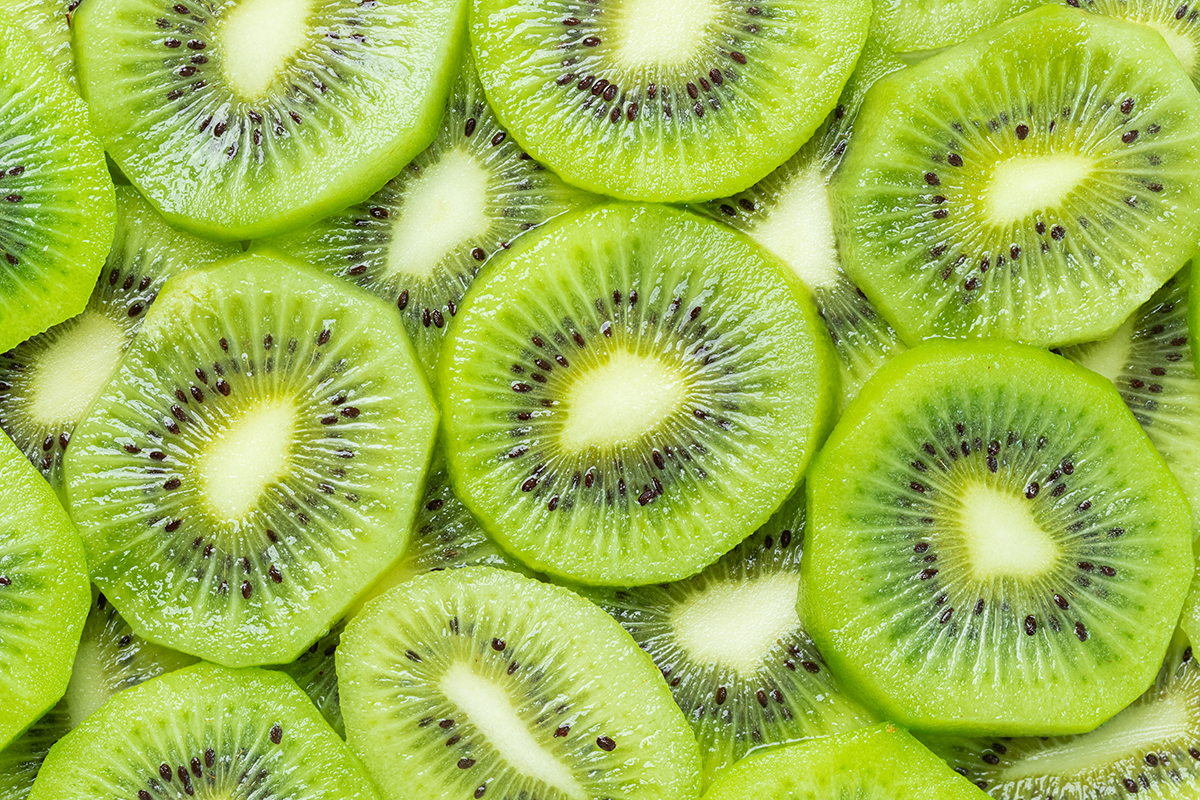
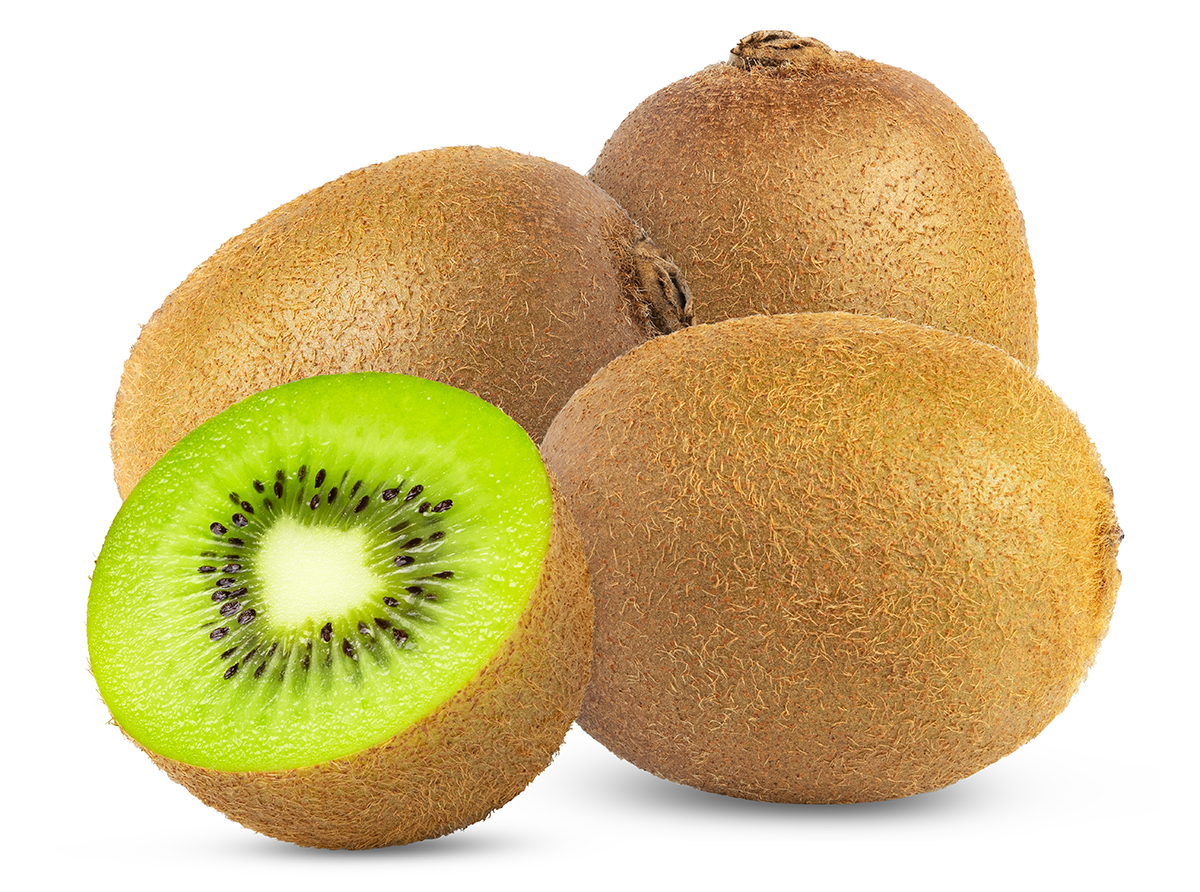
At first glance, kiwi might not look particularly special. Rough brown skin hides vibrant green flesh dotted with tiny black seeds. But inside that small package is a unique mix of fibre, enzymes and plant compounds that can help get the digestive system moving again.
Dietitians often point out that kiwi contains two key types of fibre: soluble and insoluble. Insoluble fibre adds bulk to stool, helping it pass through the digestive tract more easily, while soluble fibre absorbs water and softens stool, making bowel movements smoother.
One medium kiwi contains roughly two grams of fibre which is not the highest among fruits, but enough to support digestion when eaten regularly. What makes kiwi stand out, though, isn’t just fibre alone.
It also contains actinidin, a natural enzyme that helps break down proteins in the stomach and improves overall digestion. Researchers believe this enzyme may help food move through the gut more efficiently, reducing the sluggishness that contributes to constipation.
What the research says
Over the past decade, scientists have begun paying closer attention to kiwi’s digestive effects. Several studies have compared the fruit with other fibre sources and even with traditional laxatives.
In one clinical study, participants with chronic constipation who ate two kiwis per day experienced more frequent bowel movements and less straining. Researchers also reported improvements in bloating and abdominal discomfort.
Another study found that kiwi was just as effective as some fibre supplements in improving stool frequency, but with fewer unpleasant side effects such as gas or cramping.
Experts say the fruit’s unique combination of fibre, water content and digestive enzymes likely explains the results. Unlike harsh stimulant laxatives, kiwi works gently by supporting the body’s natural digestive processes.

Why constipation is so common
Constipation affects a surprising number of people. Health experts estimate that around one in seven adults regularly struggle with it.
Modern lifestyles play a big role. Diets high in processed foods and low in fibre can slow digestion, while long hours sitting at desks can reduce gut motility. Dehydration is another common culprit because without enough fluid, stools become harder and more difficult to pass.
Stress and disrupted routines can also affect the gut. Travel, shift work and poor sleep patterns are all known to interfere with normal bowel habits.
For many people, the solution is not necessarily medication but small, sustainable changes to diet and lifestyle. That’s where kiwi comes in.
How kiwi supports gut health
Beyond relieving constipation, kiwi may also support overall gut health in several ways.
Firstly, it contains prebiotic fibre, which feeds beneficial bacteria in the gut microbiome. A healthy microbiome is increasingly linked to improved digestion, immunity and even mood.
Secondly, kiwi is rich in vitamin C – just one fruit provides more than half the recommended daily intake. Vitamin C plays a role in immune function and may also support the lining of the digestive tract.
Kiwi also contains potassium, vitamin E and antioxidants that help reduce inflammation in the body.
All of these nutrients contribute to a healthier digestive system overall, not just temporary relief from constipation.
Green vs gold kiwi: does it matter?
Most people are familiar with the classic green kiwi, but golden varieties are becoming more common in supermarkets. Both provide digestive benefits, though green kiwi is typically slightly higher in fibre.
Gold kiwi tends to be sweeter and less tangy, which some people prefer. It still contains actinidin and many of the same vitamins and minerals, so either variety can support digestion.
If constipation is the main concern, nutrition experts often recommend sticking with green kiwi simply because of its slightly higher fibre content.
How many kiwis should you eat?
For digestive benefits, studies commonly suggest two kiwis per day.
Eating them with breakfast is often recommended, as fibre early in the day can help stimulate bowel movements later on.
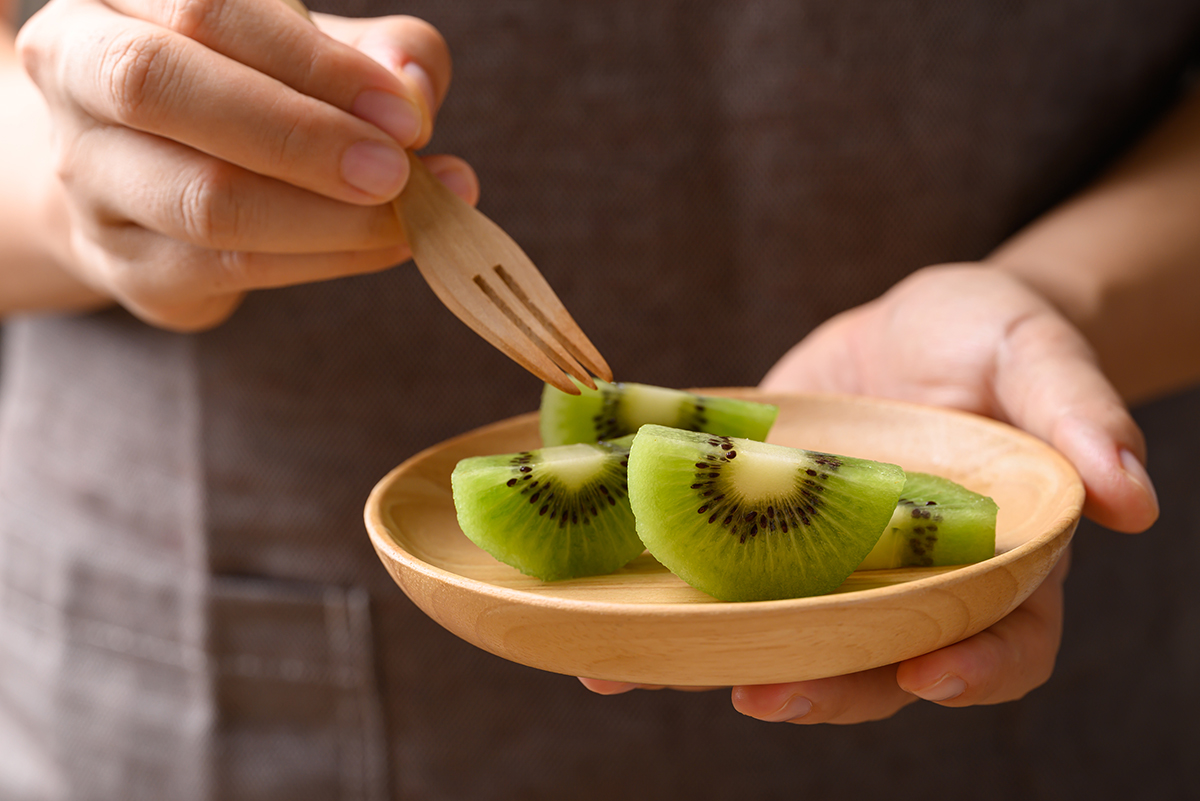
They can be eaten whole (yes, even the skin is edible and packed with fibre), sliced into yoghurt, blended into smoothies or added to fruit salads. Some people find that eating kiwi in the evening also helps regulate morning bowel movements. As with any dietary change, consistency matters more than timing.
A gentle alternative to laxatives
While laxatives can provide quick relief, frequent use isn’t always ideal. Some types can cause cramping, dependency or electrolyte imbalances if used regularly.
Natural approaches such as increasing fibre intake are often recommended as a first step.
Kiwi offers a food-based solution that works with the digestive system rather than forcing it. Many people find it easier to incorporate into their daily routine than supplements or medications.
Of course, persistent constipation should still be discussed with a healthcare professional, especially if it’s accompanied by pain, unexplained weight loss or blood in the stool.
Simple tips to boost the effect
Eating kiwi can help, but it works best as part of a broader gut-friendly lifestyle. Experts suggest combining it with a few other habits:
- Drink more water. Fibre needs fluid to work effectively.
- Move regularly. Physical activity stimulates intestinal movement.
- Increase fibre gradually. Whole grains, vegetables and legumes support digestive health.
- Stick to regular meal times. Consistency helps regulate bowel patterns.
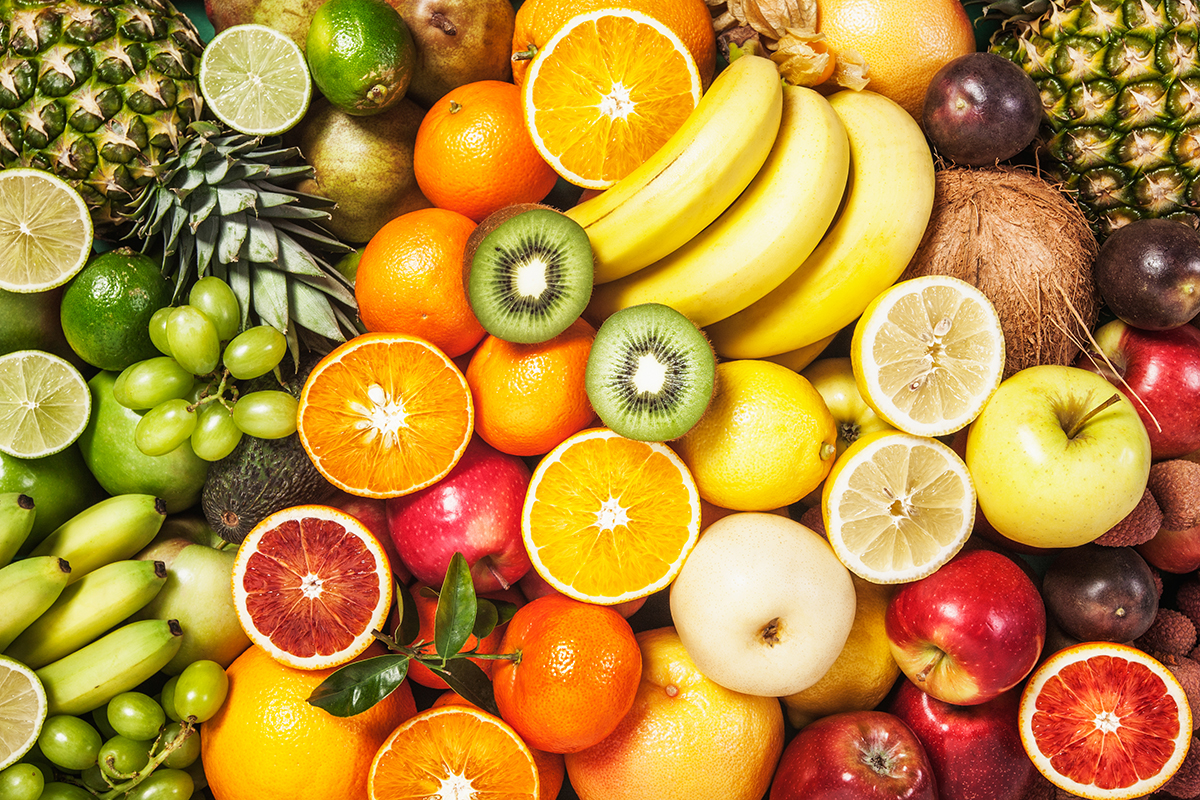
Other fruits are well known for helping keep digestion regular. They work mainly because they contain fibre, water, and natural sugars that stimulate bowel movements. Here are some of the most effective ones.
1. Prunes
Often considered the classic natural remedy, prunes (dried plums) have long been recommended for constipation.
They are rich in fibre and sorbitol, a natural sugar alcohol that draws water into the intestine and helps soften stools. This combination can stimulate bowel movements quite quickly.
Studies have even found prunes can work as well as some fibre supplements for mild constipation. Many people eat three to five prunes a day or drink prune juice for relief.
2. Apples
An apple a day might actually help keep constipation away.
Apples contain pectin, a type of soluble fibre that helps improve stool consistency and supports healthy gut bacteria. They also contain a small amount of sorbitol, similar to prunes but in lower amounts.
Eating apples with the skin on is key because much of the fibre is found there.
3. Pears
Pears are one of the highest-fibre fruits available, with a single pear providing about five to six grams of fibre.
They also contain both sorbitol and fructose, natural sugars that can help draw water into the digestive tract and encourage bowel movements. Like apples, pears are most beneficial when eaten with the skin.
4. Berries
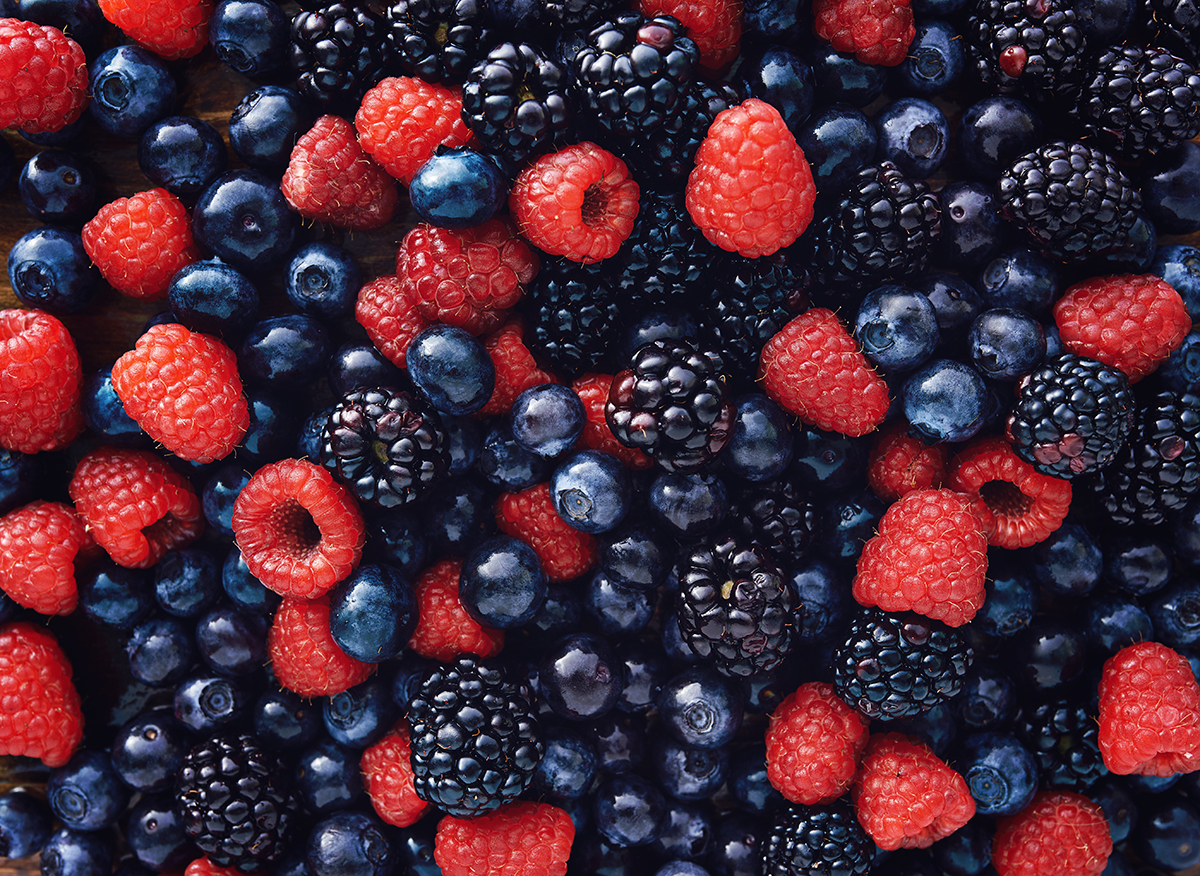
Fruits such as strawberries, raspberries and blackberries are surprisingly high in fibre.
Raspberries in particular stand out, with about eight grams of fibre per cup, making them one of the most fibre-dense fruits you can eat. Their high water content also helps soften stools and support smoother digestion.
5. Oranges
Citrus fruits like oranges can also support digestion thanks to their fibre and high water content.
They contain a specific type of soluble fibre called pectin, which may help speed up how quickly stool moves through the colon. An added benefit is vitamin C, which supports overall digestive health.
6. Figs
Fresh or dried figs are another traditional remedy for constipation.
They contain both soluble and insoluble fibre, which adds bulk to stool and helps it pass through the digestive tract more easily.
Dried figs are especially fibre-dense and are sometimes eaten soaked in water overnight for a gentler digestive effect.
Read more:
